
Sauces & Condiments
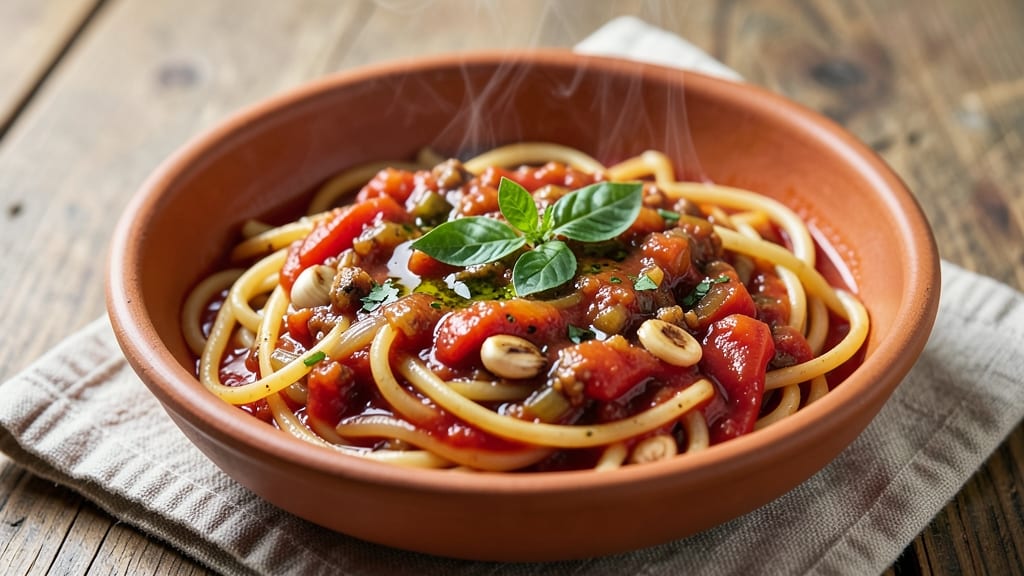
This awesome spaghetti sauce recipe delivers deep, slow-simmered umami with a secret herb brightness that transforms ordinary pasta nights. The magic happens in the balance—rich tomato base meets aromatic garlic, fresh basil, and a touch of red wine for complexity.
I developed this over years of testing, and it never fails to impress, even with picky eaters.
What sets this sauce apart is the two-stage simmering technique: first reducing the sauce until thick and concentrated, then finishing with fresh herbs for that restaurant-quality freshness.
No shortcuts here—just quality ingredients and patience paying off in every spoonful. The result? A sauce that clings perfectly to noodles while delivering layers of flavor.
This versatile sauce works with spaghetti, penne, or even as a marinara for meats. The 30-minute active prep (plus 2 hours simmering) ensures you can make it ahead for busy weeknights.
Store it in the fridge for up to 5 days or freeze for months—flavor only improves with time. Let's make this sauce!
The secret weapon? A hidden splash of red wine that deepens the flavor without overpowering, plus fresh basil added at the end to keep it vibrant. No bland, canned sauce here—just bold, restaurant-quality taste in your own kitchen. Ready to elevate your pasta game?
Ingredients for awesome spaghetti sauce
Eleven ingredients, two hours of simmering, restaurant-quality spaghetti sauce magic.
| Ingredient | Amount | Notes |
|---|---|---|
| Extra-Virgin Olive Oil 🫒 | 2 tbsp | High-quality, fruity variety |
| Yellow Onion 🧅 | 1 whole | Diced into small pieces |
| Garlic Cloves 🧄 | 4 cloves | Minced for aromatic depth |
| Carrots 🥕 | 2 medium | OR 1 cup diced |
| Celery Stalks 🥬 | 2 whole | Diced into small pieces |
| Canned San Marzano Tomatoes 🍅 | 28 oz | Crushed or whole, no sugar added |
| Dry Red Wine 🍷 | ½ cup | Bold Cabernet Sauvignon |
| Tomato Paste 🍅 | 2 tbsp | Squeeze tube preferred |
| Fresh Basil Leaves 🌿 | ½ cup | Packed, stems removed |
| Diamond Crystal Kosher Salt 🧂 | 1 ½ tsp | Adjust to taste |
| Freshly Ground Black Pepper 🌶️ | ½ tsp | Freshly cracked |
| Dried Oregano 🍃 | 1 tsp | Mexican oregano preferred |
| Sugar 🍚 | 1 tsp | Balances acidity |
The tomatoes are non-negotiable—San Marzano is the gold standard, but any high-quality canned tomatoes work. Trader Joe's and Whole Foods carry great options, but even the store brand crushes the jarred sauce aisle. For the wine, any bold red with tannins will do—Cabernet Sauvignon or Merlot are foolproof. The fresh basil? Always buy more than you think you need—half goes in the pot, half gets torn over the top at the end. Pro tip: Costco sells basil in bulk for half the price of the grocery store.
No red wine? Substitute with beef broth plus a splash of balsamic vinegar—it mimics the depth. Fresh basil wilting? Dried oregano at one-third the amount keeps the flavor, just not the brightness. Carrots and celery can be swapped for frozen chopped vegetables (thawed) if you're in a pinch. The tomato paste? Those little squeeze tubes from Trader Joe's are perfect—they keep forever and you won't waste half a can. For the sugar, honey or maple syrup works too, but sugar dissolves cleaner.
This sauce tastes even better the next day—plan ahead. Store in airtight containers for up to 5 days in the fridge or 3 months frozen. I like to freeze it in 1-cup portions for quick meals. To reheat, just warm on the stove with a splash of water or broth—never microwave, or it gets grainy. The herbs will stay vibrant if you add them right before serving, but if you're prepping ahead, freeze them separately and stir them in when reheating.
Why You'll Love This Recipe
- No Chopping Chaos: I swear by this sauce because the onion, carrots, and celery get a quick rough chop—no precision required. That olive oil sizzle? It softens everything in minutes while I stir, then simmer, and forget about it. (Yes, even on a Tuesday night.)
- Deep, Slow Magic: Between us, the garlic and carrots caramelizing in that olive oil? That’s where the flavor lives. The onions mellow into sweetness while the celery adds this subtle earthiness—like a hug in a bowl. My kids don’t even notice the veggies, but I do.
- Freezer-Friendly Hero: This sauce doubles as my meal prep MVP. Make a big batch, freeze half, and pull it out for lazy nights or unexpected company. Thaw it in the fridge overnight, and it’s like you slaved over it—except you didn’t.
- Pantry Staple Power: Honestly, I use this sauce for everything: spaghetti, meatballs, even pizza night. The base ingredients won’t break the bank, and the flavor stretches across meals. That celery and carrot combo? It’s the secret to a sauce that tastes homemade, no matter what you toss in.
Step-by-step instructions for slow-simmered umami spaghetti sauce
Here's how to build deep, complex flavor layer by layer—no shortcuts, just pure technique.
Sauté the Aromatic Base Until Translucent
Heat the 2 tbsp extra-virgin olive oil in a heavy Dutch oven over medium-low heat. Add the diced yellow onion, 2 medium carrots, and 2 whole celery stalks (this trio is called soffritto—don't skip it). Cook for 10-12 minutes, stirring occasionally, until the vegetables soften and become translucent. The onions should turn golden at the edges without browning.
Here's the thing—if you rush this step, your sauce will taste flat. The slow cooking breaks down the vegetables' fibers, releasing natural sugars that caramelize and form the flavor foundation. You'll know it's ready when the vegetables collapse slightly under gentle pressure and release their aroma—like walking through an Italian garden.
Add Garlic and Tomato Paste for Depth
Stir in the 4 cloves minced garlic and cook for 30 seconds until fragrant—don't let it brown or it'll turn bitter. Add the 2 tbsp tomato paste and cook for another 2 minutes, stirring constantly. This step develops the sauce's umami backbone and prevents a watery consistency later.
I always press the tomato paste directly into the vegetables using a spoon. This ensures even distribution and maximum flavor extraction. The paste will darken slightly as it cooks, creating a rich, concentrated base that transforms the sauce from good to extraordinary.
Deglaze with Wine and Add Tomatoes
Pour in the ½ cup dry red wine and scrape vigorously with a wooden spoon to release all the browned bits from the bottom of the pot—this is where the magic happens. Let the wine simmer for 3-4 minutes until reduced by half. Add the 28 oz crushed San Marzano tomatoes, 1.5 tsp kosher salt, ½ tsp black pepper, and 1 tsp sugar. Stir well to combine.
The wine reduction removes alcohol while concentrating flavor. The tomatoes should be fully incorporated, and you'll notice the sauce immediately darken and thicken slightly. This is the moment when all your previous work starts paying off—each ingredient now works together to build complexity.
Simmer Low and Slow for Maximum Flavor
Bring the sauce to a gentle simmer, then reduce heat to low and cover partially. Let it cook uncovered for 45-60 minutes, stirring occasionally. The sauce should reduce by about one-third, becoming thick and syrupy. You're looking for a consistency where it coats the back of a spoon but still moves easily.
Patience is key here. The long simmer breaks down the tomatoes' pectin, creating a velvety texture while allowing flavors to meld. I like to check the sauce every 15 minutes—if it looks too thin, uncover it completely to help it reduce faster. The color should deepen to a rich, rustic red with visible tomato pieces softened but still identifiable.
Finish with Herbs and Adjust Seasoning
Remove the sauce from heat and stir in the ½ cup fresh basil leaves and 1 tsp dried oregano. Let it steep for 10 minutes before tasting. The basil adds that bright, herbal note that cuts through the richness, while the oregano provides earthy warmth. Taste and adjust seasoning—you might need a touch more salt or a splash of water if it's too thick.
This final step transforms your sauce from good to restaurant-quality. The basil should be just visible in the finished sauce, adding flecks of green that make the dish look as good as it tastes. Serve immediately over al dente spaghetti with a sprinkle of fresh basil and grated Parmesan—each bite will be a perfect balance of umami depth and herbal brightness.
Pro Tips For Making Awesome Spaghetti Sauce
- Sweat the Veggies Slow: Low heat is your friend here—push the pan to medium and let onions, carrots, and celery release moisture for 10-12 minutes. I used to rush this, and the sauce always tasted raw and dull. Patience here means deeper flavor, not just softer veggies.
- Mince Garlic Like You Mean It: Skip the press—finely chop those cloves (or pulse in a food processor) for even distribution. Whole cloves burn; minced garlic blends smoothly and won’t clump. Yes, it’s more work, but your sauce won’t taste like charred bits.
- Resist the Urge to Add Tomatoes Early: Build the base first—sautéed veggies, garlic, and olive oil—before tossing in tomatoes or tomato paste. Adding them too soon dilutes the aromatic foundation. Wait until the onions turn translucent and smell like heaven.
- Deglaze with a Splash of Wine: After browning your veggies, hit the pan with ¼ cup dry red wine (or broth) and scrape every last bit of stuck-on goodness. It takes 30 seconds but adds complexity most store-bought sauces lack. (No wine? Use a splash of balsamic vinegar.)
Best sauces and condiments for this awesome spaghetti sauce
Classic Pairings
This sauce shines brightest with al dente spaghetti—the slight resistance of the noodles creates the perfect textural contrast. I always serve it with freshly grated Parmesan (about ¼ cup) and a sprinkle of red pepper flakes for heat.
For extra richness, add a dollop of burrata on top—its creamy texture melts beautifully with the sauce's acidity. 🍝
Meat Additions
Transform this into a meat sauce by browning ½ lb Italian sausage (remove casing) or 8 oz ground beef in the Dutch oven before adding the soffritto. For a lighter option, try grilled chicken breast—slice it thin and stir it in during the final 10 minutes of simmering.
The meat absorbs the sauce's flavors perfectly, turning it into a hearty Bolognese-style dish.
Cheese Enhancements
Add depth with ricotta cheese—stir in ¼ cup during the last 5 minutes of simmering for a creamy texture. For a tangy twist, mix 2 tbsp crumbled feta into the finished sauce.
I also love finishing with Pecorino Romano instead of Parmesan—its sharper flavor cuts through the richness. Always add cheese off the heat to prevent curdling.
Bread Pairings
Use leftover sauce to make garlic bread that steals the show. Mix ½ cup sauce with 2 tbsp butter and 3 minced garlic cloves, then spread on a baguette slice.
Toast until golden and crispy. For dipping, serve with crusty ciabatta or focaccia—the sauce's thickness makes it perfect for scooping. 🥖
Vegetable Boosters
Make it heartier by adding sautéed mushrooms (about 1 cup sliced cremini) with the soffritto or roasted zucchini (about ½ cup diced) during the final 10 minutes of cooking.
For color, stir in ½ cup cherry tomatoes at the end—they burst with juicy sweetness. These additions add texture and nutrients without overpowering the sauce's base flavors.
Dessert Twist
Yes, really! Use this sauce as a dipping sauce for cannoli or chocolate-dipped strawberries. The tomato's acidity balances sweet desserts beautifully. For a savory-sweet combo, drizzle over grilled peaches or caramelized pineapple.
Just reduce the sauce slightly longer to concentrate the flavors—about 10 extra minutes at the end. 🍓
Nutrition facts
Frequently asked questions
Why does this sauce taste better the next day?
The long simmering process breaks down the tomatoes' pectin, creating a thicker, more concentrated flavor. The herbs also infuse more deeply overnight, while the acidity mellows slightly. This is why many Italian sauces are made ahead—flavor develops like a fine wine!
Can I make this sauce in a slow cooker?
Yes! Sauté the onion, carrots, celery, garlic, and tomato paste first, then transfer everything to the slow cooker. Add all remaining ingredients and cook on low for 6-8 hours or high for 3-4 hours. The texture will be slightly thinner, so reduce it on the stovetop afterward if needed.
What's the best way to store leftover sauce?
Transfer to airtight containers and refrigerate for up to 5 days. For longer storage, freeze in 1-cup portions for up to 3 months. When reheating, warm gently on the stove with a splash of water—never microwave, or it may become grainy. The herbs will stay vibrant if added fresh when reheating.
Can I make this sauce without wine?
Substitute with ½ cup beef broth plus 1 tbsp balsamic vinegar for similar depth. Or use ½ cup extra tomato paste plus 1 tsp dried thyme to maintain richness. The wine adds complexity, but this version still delivers bold flavor.
How do I adjust the thickness?
For thicker sauce, simmer uncovered for 10-15 extra minutes to reduce. If too thick, stir in 1-2 tbsp water or broth while heating. For chunkier texture, leave some tomato pieces whole. The ideal consistency coats the back of a spoon but still moves easily.