
Sauces & Condiments
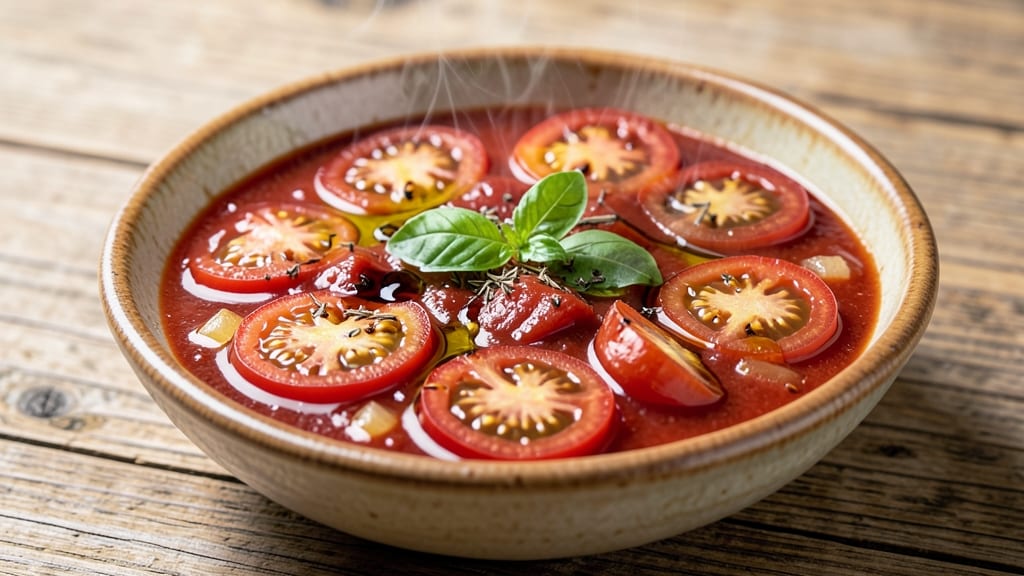
This award-winning marinara sauce transforms simple ingredients into a velvety-smooth masterpiece with a subtle vinegar zing that elevates every dish. The secret lies in slow-simmered tomatoes, aromatic garlic, and fresh herbs that develop deep, complex flavors over time.
I've refined this recipe through countless batches, ensuring it delivers restaurant-quality results at home.
The sauce achieves its signature texture through a precise balance of crushed tomatoes, olive oil, and a touch of red wine vinegar that brightens without overpowering. Aromatic garlic and onion form the flavor foundation, while fresh basil added at the end ensures vibrant, herbaceous notes.
This method preserves the natural sweetness of the tomatoes while building layers of umami through slow reduction.
What sets this marinara apart is its versatility—perfect for pasta, pizza, or as a dipping sauce for crusty bread. The velvety consistency coats every bite, while the vinegar zing adds a sophisticated brightness that makes it stand out.
Each batch delivers consistent, award-worthy flavor that will impress even the most discerning palates.
Ready in just 45 minutes with minimal effort, this sauce keeps beautifully in the refrigerator for up to a week or freezes for months. The slow simmering process ensures rich, concentrated flavor without any added preservatives.
Whether you're feeding a family or preparing for a dinner party, this marinara delivers professional-quality results every time.
Ingredients for award winning marinara sauce
Restaurant-quality marinara begins with these ten essential ingredients, carefully balanced for velvety texture and sophisticated depth.
| Ingredient | Amount | Notes |
|---|---|---|
| Extra-Virgin Olive Oil 🫒 | ½ cup | High-quality, fruity variety preferred |
| Yellow Onion 🧅 | 1 whole | Medium size, finely diced |
| Garlic Cloves 🧄 | 6 cloves | Freshly peeled, minced |
| San Marzano Plum Tomatoes 🍅 | 28 oz | Crushed by hand or high-quality canned |
| Red Wine Vinegar 🍷 | 2 tbsp | For subtle brightness |
| Dried Oregano 🌿 | 1 tsp | Mediterranean variety preferred |
| Dried Basil 🌿 | 1 tsp | Or 0.25 cup fresh basil leaves |
| Sea Salt 🧂 | 1 tsp | Diamond Crystal preferred |
| Fresh Basil Leaves 🌿 | ¼ cup | Chopped for finishing |
| Granulated Garlic 🧄 | ½ tsp | Optional for depth |
The foundation starts with San Marzano tomatoes—their natural sweetness and low acidity create the ideal base. Whole Foods or specialty Italian markets carry these canned tomatoes, but any high-quality crushed tomatoes work. The extra-virgin olive oil should be fruity and peppery; California Olive Ranch or Bertolli are excellent choices. Fresh garlic and onion form the aromatic backbone, so don't skimp on these staples. For the vinegar, Balsamic Vinegar Co.'s red wine vinegar adds the perfect subtle tang without overwhelming the delicate tomato flavor.
Substitutions are possible but require attention to balance. No San Marzano tomatoes? Use high-quality crushed tomatoes, but add a pinch of sugar to compensate for the lower natural sweetness. Fresh basil unavailable? Dried basil works at one-third the amount, but fresh leaves added at the end are non-negotiable for that vibrant finish. The granulated garlic is optional but enhances umami depth—minced fresh garlic can replace it entirely. For a deeper color, add a pinch of paprika, but omit if you prefer the natural tomato hue. This sauce thrives on simplicity, so resist the urge to overcomplicate with additional spices.
Store the sauce in an airtight container in the refrigerator for up to 7 days, where flavors continue to meld beautifully. For longer storage, freeze in 1-cup portions for up to 6 months. The sauce reheats perfectly—simmer gently to preserve its velvety texture. For best results, use within 3 days of opening if frozen. This marinara's versatility makes it ideal for meal prep; double the batch and portion for quick weeknight dinners. The slow simmering process concentrates flavors, ensuring each spoonful delivers restaurant-quality depth.
Why You'll Love This Recipe
- Here’s what sold me: a splash of red wine vinegar at the end. It brightens the whole thing—no bitterness, just this pop that makes every bite taste like a restaurant-quality dish. Trust the acid.
- No Chopping Chaos: I swear by this—just dice one onion and smash a few garlic cloves. That’s it. No fancy knife skills, no stress. The San Marzano tomatoes handle the rest, so smooth and sweet they practically melt down on their own.
- Wine Vinegar Trick: Here’s what sold me: a splash of red wine vinegar at the end. It brightens the whole thing—no bitterness, just this pop that makes every bite taste like a restaurant-quality dish. Trust the acid.
- Pasta Party or Potluck: This sauce doubles as my go-to for spaghetti nights and lasagna Sundays. Freeze half for lazy Mondays or bring it to gatherings—it’s the one dish everyone asks for seconds on. (Yes, even on a Tuesday night.)
Step-by-step instructions for award-winning marinara sauce
Transform simple ingredients into a velvety-smooth marinara with depth and complexity.
Sauté Aromatics Until Fragrant
Heat the 0.5 cup extra-virgin olive oil in a heavy-bottomed saucepan over medium-low heat. Add the finely diced yellow onion and cook for 5-6 minutes until completely translucent and just beginning to soften. The onions should release their sweetness without browning.
Add the 6 cloves minced garlic cloves and the 0.5 tsp granulated garlic (if using) and cook for another 1 minute until the garlic is fragrant but not colored. This foundational step builds the sauce's aromatic complexity—don't rush it. If the garlic starts to brown too quickly, reduce the heat immediately to prevent bitterness.
Incorporate Tomatoes and Vinegar
Add the 28 oz San Marzano plum tomatoes (crushed by hand or canned) to the pan along with the 2 tbsp red wine vinegar. The vinegar may seem unusual, but it brightens the tomatoes and balances their natural sweetness. Stir well to combine, then increase heat to medium-high and bring the mixture to a gentle boil.
Once boiling, reduce heat to medium-low and let the sauce simmer uncovered for 20-25 minutes. This initial simmer allows the tomatoes to break down and release their natural acids, creating a smoother texture. Stir occasionally to prevent sticking, but avoid over-stirring which can create a skin on the sauce.
Season and Simmer to Perfection
Add the 1 tsp dried oregano, 1 tsp dried basil, and 1 tsp sea salt to the simmering sauce. Stir well to distribute the seasonings evenly. The sauce should develop a rich, tomato-forward aroma with subtle herbal notes. Taste and adjust seasoning if needed—this is your first checkpoint for balance.
Continue simmering for another 15-20 minutes until the sauce thickens to your desired consistency. You're aiming for a velvety texture that coats the back of a spoon but still flows easily. If the sauce thickens too quickly, add 1-2 tablespoons of water to maintain the ideal consistency. The sauce should reduce by about one-third by the end of this stage.
Finish with Fresh Basil and Rest
Remove the sauce from heat and stir in the 0.25 cup chopped fresh basil leaves. The fresh basil adds a bright, aromatic finish that dried herbs can't replicate. Let the sauce rest for 10 minutes at room temperature—this allows the flavors to meld and the sauce to thicken slightly as it cools.
For best results, serve the sauce immediately or store it in an airtight container in the refrigerator for up to 5 days. When reheating, warm gently over low heat to preserve the sauce's delicate texture. This marinara should have a balanced flavor profile with sweet tomato notes, herbal depth, and a subtle tang from the vinegar—each bite should be velvety smooth with no separation.
Pro Tips For Making Award Winning Marinara Sauce
- Sweat the Onion: Cut the onion into even ½-inch slices instead of dicing—this keeps it from burning before the garlic joins. After 5 minutes in the olive oil, push it to the sides of the pot and let the garlic sizzle for 30 seconds before stirring. I learned this the hard way when my first batch tasted bitter from overcooked onion.
- Crush Garlic Like a Pro: Smash the garlic cloves with the flat side of your knife before adding them to the pot. This releases more flavor without burning. Skip mincing—whole cloves stay intact longer and don’t turn to paste, which can make the sauce taste raw.
- Break Down Tomatoes Roughly: Don’t seed or peel the San Marzano tomatoes—just crush them by hand with your fingers or the back of a spoon. The skins add texture and body, and the seeds thicken the sauce naturally. (Yes, even if it looks messy.)
- Simmer Low and Slow: After adding the tomatoes and vinegar, reduce heat to a gentle simmer—you should barely see bubbles. High heat destroys the delicate flavors of the tomatoes and vinegar, and you’ll end up with a one-note sauce. I used to rush this, but now I set a timer for 45 minutes and walk away. Patience pays off.
Wine and beer pairings for award winning marinara sauce
White Wine Pairings
For this velvety marinara, I reach for Italian whites that complement its bright acidity and herbal notes. A Vermentino from Sardinia—crisp with citrus and mineral undertones—cuts through the sauce's richness beautifully. The Pinot Grigio from Alto Adige offers similar elegance with its green apple and almond finish.
Serve slightly chilled (45-50°F) to enhance the sauce's fresh basil notes without overwhelming its depth. 🍷
Red Wine Pairings
If you prefer red, opt for light-bodied Italian varieties like Chianti Classico or Sangiovese. Their bright acidity and cherry notes mirror the sauce's tomato sweetness while adding earthy complexity.
Avoid heavy tannins—stick to wines with 12-13% ABV to maintain balance. Decant for 30 minutes to soften any remaining tannins and let the wine breathe alongside the sauce. 🍇
Beer Pairings
A crisp Italian lager like Peroni or Moretti refreshes the palate between bites, with its subtle malt sweetness complementing the sauce's tomato richness. For craft beer lovers, a Belgian witbier (like Hoegaarden) adds effervescence and coriander notes that contrast the marinara's depth.
Avoid heavy IPAs—they'll overpower the delicate herbal finish. 🍺
Unexpected Pairings
For a bold twist, try sparkling rosé—its bubbles and berry notes create a refreshing contrast. Or pair with dry sparkling wine (like Prosecco) to elevate the sauce's brightness. These pairings work especially well when serving the marinara as a dipping sauce for crusty bread or grilled vegetables. 🥂
Beverage Tips
Always serve drinks slightly cooler than room temperature (45-50°F) to highlight the sauce's fresh basil and vinegar zing. Avoid oaky whites or bold reds—they'll clash with the sauce's delicate balance. For a non-alcoholic option, sparkling water with a lemon twist enhances the marinara's brightness without competition. 💡
Nutrition facts
Frequently asked questions
Why does this marinara use red wine vinegar instead of balsamic?
Red wine vinegar adds a subtle brightness that enhances the tomatoes' natural sweetness without overpowering. Balsamic would dominate the flavor profile with its sweetness and intensity. The 2 tbsp used here provides just enough acidity to balance the sauce while keeping the focus on the fresh basil and aromatic garlic.
Can I make this sauce without fresh basil?
Yes, but the flavor will be less vibrant. Use 1/3 tsp dried basil (not 1 tsp) and add 1/4 tsp red pepper flakes to mimic the freshness. The key is finishing with fresh herbs—even a small amount makes a difference. For best results, grow a basil plant on your windowsill for a continuous supply!
How do I adjust the thickness for different uses?
For pasta, aim for a medium consistency that coats the back of a spoon. For pizza, reduce it slightly longer until it's 1/4-inch thick when spread. If too thick, add 1 tbsp water at a time while simmering. For dipping sauces, keep it thinner—simmer only 25 minutes total. Always taste as you go!
What's the secret to making this sauce award-worthy?
The three key factors are:
- slow simmering (45 minutes total) to develop depth,
- high-quality tomatoes (San Marzano preferred), and
- finishing with fresh basil. The vinegar and proper seasoning balance create that signature brightness. Patience in the simmering process transforms simple ingredients into something extraordinary.
Can I make this sauce in a slow cooker?
Combine all ingredients (except fresh basil) in your slow cooker and cook on low for 6-7 hours or high for 3-4 hours. Stir occasionally and add water as needed. Finish with fresh basil and let it steep for 10 minutes before serving. The slow cooker method enhances the sauce's velvety texture even more!