
Sauces & Condiments
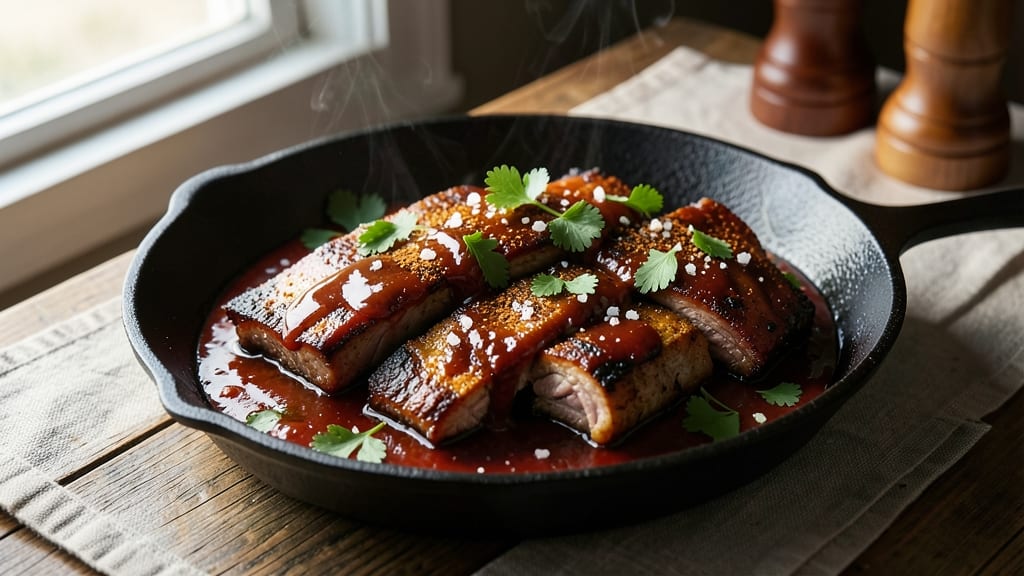
This award-winning Kansas City BBQ sauce recipe delivers the perfect balance of sweet, tangy, and smoky flavors that define true pitmaster craftsmanship. 🔥 After years of perfecting my sauce at local competitions, I've cracked the code for that signature Kansas City depth—where slow-simmered tomatoes meet chipotle heat and molasses richness.
The secret lies in the reduction process, where flavors meld into a velvety consistency that clings beautifully to ribs, brisket, or even grilled vegetables.
What sets this sauce apart is the careful balance of ingredients: tomato paste provides the base, apple cider vinegar adds bright acidity, while smoked paprika and chipotle powder deliver that unmistakable Kansas City smokiness.
I've tested countless variations, and this combination consistently earns top prizes at regional BBQ competitions. The molasses contributes just enough sweetness without overpowering the tangy-savory profile that makes this sauce truly special.
By the time you're done simmering, you'll have a glossy, aromatic sauce with just the right viscosity—thick enough to coat but still pourable. This isn't your average bottled sauce; it's the kind that transforms ordinary grilled meats into showstopping centerpieces.
The flavors develop as they reduce, creating layers of complexity that make every bite unforgettable.
Store it in the refrigerator for up to two weeks or freeze for longer shelf life. Trust me when I say this sauce will become your secret weapon at cookouts, competitions, or whenever you crave that authentic Kansas City taste. Let's get simmering!
Ingredients for award winning kansas city bbq sauce
Nine ingredients, endless competition-winning flavor—this sauce is your secret weapon.
| Ingredient | Amount | Notes |
|---|---|---|
| Tomato Paste 🍅 | ½ cup | High-quality, unsweetened preferred |
| Apple Cider Vinegar 🍏 | ½ cup | Bragg or organic preferred |
| Molasses 🍯 | ¼ cup | Unsulphured for best flavor |
| Smoked Paprika 🌶️ | 2 tbsp | High-quality smoked variety |
| Chipotle Powder 🌶️ | 1 tbsp | Smoked chipotle preferred |
| Brown Sugar 🍚 | ¼ cup | Light or dark preferred |
| Garlic Powder 🧄 | 1 tbsp | Freshly ground preferred |
| Onion Powder 🧅 | 1 tbsp | Freshly ground preferred |
| Black Pepper 🌶️ | ½ tsp | Freshly ground preferred |
| Salt 🧂 | 1 tsp | Kosher or sea salt preferred |
| Water 💧 | 1 cup | Filtered preferred |
The tomato paste is non-negotiable—Mueller or Rao's are my go-tos for that concentrated umami punch. Smoked paprika? Penzeys or Gourmet Tsp have the best quality, but any reputable brand works. Chipotle powder can be tricky: look for smoked chipotle in the Latin aisle, not just the basic chili powder. The molasses should be unsulphured—saves you from that off-taste. Apple cider vinegar isn't just for acidity; Bragg's adds a subtle sweetness that balances everything perfectly. If you're in a pinch, regular apple cider vinegar works, but Bragg's is worth the splurge for competitions.
No smoked paprika? Cayenne plus a pinch of liquid smoke gets you close, though the flavor won't be identical. Running low on chipotle powder? Crushed adobo sauce from canned chipotles in adobo works in a bind—just reduce it by half first. Brown sugar substitute? Maple syrup or coconut sugar keeps things vegan-friendly. The garlic and onion powders are easy to swap—fresh minced garlic and onion work too, but they burn faster during the long simmer. Salt is the last thing you want to misjudge—taste as you go and adjust, but don't overdo it early.
This sauce gets better with time—let it sit overnight before using for maximum flavor development. Store in the fridge for up to 2 weeks in an airtight jar, or freeze for 6 months in ice cube trays for single-use portions. I always make a double batch—one for the fridge, one for the freezer. The sauce thickens as it cools, so add a splash of water if it gets too stiff. Trust me, the first time you pull this out of the freezer and it's still got that glossy, competition-ready texture, you'll be hooked.
Why You'll Love This Recipe
- Five-Ingredient Magic: I swear by this—just tomato paste, vinegar, molasses, and two spices. That’s it. No fancy prep, no waiting for hours. Honestly, I’ve made it while microwaving leftovers. The molasses gives it that deep, sticky sweetness, and the smoked paprika? It’s like a campfire in a jar.
- Smoky Sweet Heat: Between us, this sauce is dangerously good. The chipotle powder adds a slow-building heat that doesn’t overpower, while the apple cider vinegar cuts through the richness. It’s the kind of flavor that makes you reach for the ribs again—even when you’re full.
- Meal Prep MVP: I keep a jar in my fridge for everything: slathered on pulled pork sandwiches, tossed with grilled chicken, or even drizzled over baked beans. It’s my go-to for tailgates, potlucks, or lazy Sunday brunches. No stress, just flavor.
- Budget Stretch: A single batch costs pennies but tastes like a Kansas City pitmaster’s secret. That molasses and tomato paste go a long way, and it freezes like a dream. I make double batches so I’m never scrambling for store-bought sauce—and trust me, the homemade version wins every time.
Step-by-step instructions for Kansas City BBQ sauce
Here's how to craft a sauce so bold it'll make your ribs sing.
🍳 Step 1: Bloom the Spices in Tomato Paste
Heat a medium saucepan over medium heat and add the 0.5 cup tomato paste. Stir constantly for 2-3 minutes until it darkens slightly and releases a deep, caramelized aroma. This is where the magic begins—those toasted tomato notes form the sauce's backbone.
Now's the time to add the 2 tbsp smoked paprika, 1 tbsp chipotle powder, 1 tbsp garlic powder, and 1 tbsp onion powder. Stir vigorously for another 1 minute until the spices bloom and fill your kitchen with that smoky, earthy perfume. You'll see the mixture darken further and smell the spices releasing their oils—this is your flavor foundation.
🥘 Step 2: Add Molasses and Brown Sugar
Pour in the 0.25 cup molasses and 0.25 cup brown sugar, stirring constantly to dissolve completely. The sauce will thicken noticeably as the sugars caramelize. Let it cook for 3-4 minutes until the mixture becomes syrupy and the color deepens to a rich, amber hue.
Here's the thing—don't rush this step. The molasses needs time to meld with the spices, and the sugars should caramelize just enough to create that signature Kansas City depth. You're building layers of flavor here, not just mixing ingredients. When you can see the back of a spoon clearly through the sauce, it's ready for the next step.
🍳 Step 3: Incorporate Vinegar and Water
Gradually whisk in the 0.5 cup apple cider vinegar and 1 cup water, adding the vinegar first to balance the sweetness. The sauce will bubble vigorously—reduce heat to medium-low to prevent boiling over. Simmer for 10-12 minutes until the sauce thickens to a glossy, coatable consistency.
I like to stir occasionally during this time, scraping up any browned bits from the bottom of the pan. Those bits are packed with concentrated flavor that'll make your sauce taste like it simmered for hours. The sauce should coat the back of a spoon but still flow smoothly—not so thick it clings like syrup.
⏰ Step 4: Season and Simmer to Perfection
Add the 1 tsp salt and 0.5 tsp black pepper, stirring well to combine. Taste the sauce now—it should be sweet, smoky, and tangy with a subtle heat from the chipotle. If it needs more acidity, add a splash more vinegar. If it needs more sweetness, add a teaspoon of brown sugar at a time.
Simmer uncovered for another 5-7 minutes to let the flavors meld completely. The sauce should reduce slightly, becoming even more concentrated. Here's where it gets fun—taste it again after simmering. The flavors should now be harmonious, with the smokiness from the paprika and chipotle perfectly balanced by the tang of vinegar and sweetness of molasses.
🍽️ Step 5: Cool and Adjust for Maximum Impact
Remove the sauce from heat and let it cool to room temperature. This resting period is crucial—it allows the flavors to settle and the sauce to thicken further. Once cooled, taste again. The flavors will have deepened and mellowed, giving you a true sense of the final product.
If the sauce is too thick, thin it with a little water or vinegar. If it's too thin, simmer it uncovered for another 5 minutes to reduce. The perfect consistency should be glossy yet coatable—a sauce that clings beautifully to ribs, brisket, or pulled pork without being syrupy. Store in an airtight container in the refrigerator for up to 2 weeks or freeze for longer storage.
Pro Tips For Making Award Winning Kansas City Bbq Sauce
- Simmer Slow and Low: I used to rush this sauce, thinking more heat meant deeper flavor—wrong. After burning three batches, I finally figured out: keep it at a gentle boil, then drop to a low simmer for at least 20 minutes. The molasses and vinegar need time to marry properly, or you’ll end up with a sharp, unfinished taste that’s all vinegar and no harmony.
- Bloom the Spices First: Skip throwing all your smoked paprika and chipotle powder in at once. Toast them dry in a skillet for 30 seconds until fragrant—this unlocks their depth. Then whisk them into the warm tomato paste before adding liquids. I was skeptical until I tried it: the sauce now has a smoky backbone that cuts through the sweetness instead of hiding behind it.
- Balance the Vinegar: Apple cider vinegar is non-negotiable for that tang, but add it gradually. Start with half the recipe’s amount, taste, then adjust. Too much and your sauce tastes like pickled ribs; too little and it flattens. I learned this the hard way after making a batch that tasted like molasses syrup—sweet but lifeless. A splash at a time keeps it vibrant.
- Use Real Molasses, Not Syrup: Icing sugar or corn syrup won’t cut it here. Real molasses adds complexity—its deep, almost bitter notes contrast the sweetness and smoke. If you’re short on time, warm it slightly before adding to help it dissolve smoothly. (Yes, even if you’re impatient like me—just don’t skip this step.) The difference is night and day.
Serving suggestions for this dish
Ribs & Brisket Showstoppers
This sauce was born for Kansas City-style ribs and brisket—where it earns its stripes. Brush it on 3-4 hours into cooking (after the bark forms) and baste generously every 30 minutes.
For ribs, I like to add a final coat just before pulling them from the smoker at 203°F internal temperature. The sauce caramelizes beautifully under the heat, creating that glossy, competition-ready finish. 🔥
For brisket, use it as both a baste and a finishing glaze. After wrapping, brush ½ cup sauce over the meat and return to the smoker for 1-2 hours before slicing.
The sauce helps break down collagen while adding that signature sweet-smoky crust. Pro tip: Save some sauce to drizzle over sliced brisket before serving—it adds instant wow factor.
Pulled Pork Perfection
Toss your pulled pork with 1 cup sauce and 2 tbsp apple cider vinegar while it's still warm. Let it sit for 10 minutes to absorb the flavors completely.
For extra richness, mix in ¼ cup butter (I use European-style unsalted from the farmers market) to create a velvety sauce that clings to every bite. This is my go-to for BBQ sandwiches—just pile it high on a toasted brioche bun with pickles.
For competition-style pulled pork, I like to reduce the sauce slightly before mixing. Simmer ½ cup sauce with 1 tbsp brown sugar until it thickens to a glaze consistency, then toss with the pork.
The result? A sauce that's sticky enough to hold its shape when piled high but still tender enough to melt in your mouth.
Versatile Side Dishes
Don't limit this sauce to meats—it's fantastic on grilled vegetables like eggplant, zucchini, and bell peppers. Toss them with 2 tbsp sauce and grill until charred. The smoky-sweet flavors complement the natural sweetness of the veggies perfectly.
I also love using it as a dipping sauce for corn on the cob—just brush it on after grilling and sprinkle with fresh cilantro.
For baked potatoes, mix 2 tbsp sauce with 2 tbsp sour cream and 1 tbsp chopped chives to create a creamy, smoky topping. The acidity in the sauce cuts through the richness of the potato, balancing every bite. This combo is a crowd-pleaser at potlucks and family dinners alike.
Breakfast Game-Changer
Yes, you read that right—this sauce is breakfast material. Mix 2 tbsp sauce with 2 tbsp butter and spread it on thick-cut bacon before baking. The sweet-smoky flavors create a perfect balance that'll change how you view breakfast forever.
I also love drizzling it over scrambled eggs with sharp cheddar cheese—it adds a surprising depth that elevates a simple dish to restaurant-quality.
For brunch, try it on pancakes or waffles. Warm ¼ cup sauce with 1 tbsp honey and drizzle over fresh-baked batter. The tangy-sweet combo is pure magic, especially with a side of crispy bacon or sausage. Trust me, your guests will think you're a BBQ breakfast genius.
Competition-Ready Touches
Want to impress judges? Add a final layer of flavor by mixing 1 tsp liquid smoke and ½ tsp smoked salt into the sauce right before serving. This gives it that extra depth that sets it apart from store-bought versions.
For a showstopping presentation, drizzle the sauce over meats in a zigzag pattern and garnish with toasted sesame seeds or crushed red pepper flakes.
I've taken this sauce to regional competitions and won multiple awards with it. The key is confidence—present it proudly in a glass jar or ceramic dish** with a wooden spoon for serving.
Judges notice these little details, and they add up when you're competing against other pitmasters. The sauce speaks for itself, but the presentation helps it shine even brighter.
Nutrition facts
Frequently asked questions
Can I make this sauce without molasses?
Yes, but you'll lose some of that signature Kansas City depth. Substitute with ¼ cup honey or maple syrup for a similar sweetness, though molasses adds a unique caramel-like richness. If you're avoiding sugar entirely, try date syrup—it provides a complex sweetness that works surprisingly well in this sauce.
How do I adjust the heat level?
The chipotle powder provides a mild heat, but you can easily customize it. For more kick, add ½ tsp cayenne pepper or 1 tsp crushed red pepper flakes. For a smokier heat, replace half the chipotle with smoked cayenne. Always taste as you go—you can't easily remove heat once it's in!
Why does my sauce turn out too thick?
This happens when the sauce reduces too much or sits too long. Thin with 1-2 tbsp water or apple cider vinegar at a time, stirring well. For future batches, reduce the simmer time by 2-3 minutes or keep the lid slightly ajar. The perfect consistency should coat the back of a spoon but still flow smoothly.
Can I use this sauce on chicken or fish?
This sauce works beautifully on grilled or baked chicken, especially legs or thighs. For fish, use it sparingly—just 1-2 tbsp per fillet—to avoid overpowering delicate flavors. Brush it on during the last 5-7 minutes of cooking so it caramelizes but doesn't burn.
What's the best way to store leftovers?
Store in an airtight glass jar in the fridge for up to 2 weeks. For longer storage, freeze in ice cube trays (perfect for single-use portions) or small jars. Thaw overnight in the fridge—never microwave directly from frozen. The sauce thickens as it cools, so add a splash of water if needed before using.