
Sauces & Condiments
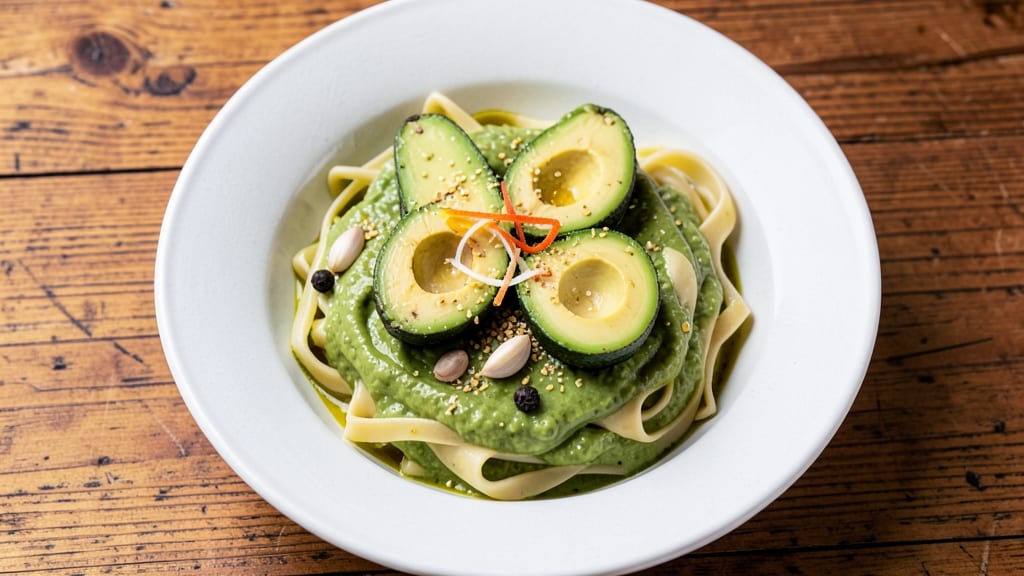
This avocado cream pasta sauce recipe delivers restaurant-quality richness without dairy or clumping—just blend, drizzle, and enjoy. The secret lies in balancing ripe avocado with lemon and olive oil, creating a velvety texture that clings perfectly to noodles or vegetables. I developed this after years of struggling with store-bought vegan creams that separated or tasted artificial.
The magic happens in the blending technique: pulse the avocado until smooth but still slightly textured, then whisk in the remaining ingredients until completely emulsified. This method ensures a silky consistency that stays creamy even after refrigeration.
Nutritional yeast adds that signature cheesy depth without dairy, while garlic and lemon brighten the flavor profile.
What you'll end up with is a sauce that's ultra-smooth, rich, and versatile—ideal for tossing with pasta, drizzling over roasted vegetables, or even using as a dip for breadsticks. The best part?
It keeps beautifully in an airtight container for up to 5 days, making it perfect for meal prep. No clumps, no lumps, just pure, velvety avocado goodness.
Serve immediately for the freshest flavor, or store in the fridge for up to 5 days. Before using, give it a quick stir and adjust the seasoning if needed. This sauce transforms any dish into a creamy, plant-based masterpiece without compromising texture or taste. Let's make it!
Ingredients for avocado cream pasta sauce
Nine ingredients transform into velvety avocado cream sauce—no dairy, no clumps, just restaurant-quality richness.
| Ingredient | Amount | Notes |
|---|---|---|
| Ripe Avocados 🥑 | 2 whole | Firm but yielding when squeezed |
| Extra-Virgin Olive Oil 🫒 | ½ cup | High-quality, fruity variety |
| Fresh Lemon Juice 🍋 | 2 tbsp | Freshly squeezed, no pulp |
| Nutritional Yeast 🍞 | ¼ cup | Fortified, for cheesy depth |
| Garlic Cloves 🧄 | 3 cloves | Fresh, minced or pressed |
| Sea Salt 🧂 | 1 ½ tsp | Fine grain preferred |
| Ground Black Pepper 🌶️ | ½ tsp | Freshly ground for best flavor |
| Filtered Water 💧 | ¼ cup | Room temperature |
| Raw Cashews 🥜 | ¼ cup | Soaked for creaminess |
| White Miso Paste 🍶 | 1 tbsp | For umami depth |
The avocados are non-negotiable—Hass variety works best when fully ripe but not overly soft. Trader Joe's and Whole Foods carry perfect ones year-round, or check the produce section for vibrant green fruit that yields slightly to gentle pressure. Nutritional yeast from Bragg or Bob's Red Mill provides that signature cheesy depth without dairy, while the miso adds umami complexity. For the olive oil, California Olive Ranch or Otto brands deliver consistent fruity notes that elevate the sauce. The cashews should be soaked for at least 2 hours to achieve that silky texture—skip this step and you'll get a grainy result.
No avocados? Silken tofu blended with lemon juice provides a similar texture, though the flavor will differ slightly. Fresh garlic can be replaced with 1 tsp garlic powder, but you'll lose some depth. Running out of nutritional yeast? Vegan Parmesan at half the amount works in a pinch, though the flavor won't be identical. The miso paste is crucial for that savory punch—white miso is milder than red, so use it if you prefer subtlety. For the cashews, almond butter at equal volume can substitute in a bind, though the texture will be slightly thicker. Always taste as you blend—adjust the salt and lemon to preference, as these can vary by batch.
This sauce thrives when made fresh but keeps beautifully in an airtight container for 5 days in the fridge. To prevent browning, press plastic wrap directly onto the surface before sealing. For longer storage, portion into ice cube trays and freeze for up to 3 months. When reheating, stir gently over low heat—never microwave directly, as this can break the emulsion. The sauce is ideal for tossing with cooked pasta, drizzling over roasted vegetables, or even as a dip for breadsticks. Always blend the avocado first to achieve that signature velvety texture, then whisk in the remaining ingredients until completely emulsified.
Why You'll Love This Recipe
- No Blender Required: I’ll admit, I was skeptical at first—mashing avocados by hand? But honestly, this sauce comes together faster than you’d think. A fork and a bowl do the trick, and the result is silky without any motorized fuss.
- Umami Magic: That nutritional yeast? It’s the secret weapon here. One teaspoon turns this creamy avocado base into something rich and savory, like a cheesy hug for your pasta—no dairy needed.
- Lunchbox Hero: Between us, this sauce keeps like a champ in the fridge. Toss it with leftover pasta for a quick lunch, or pack it in jars for work. The lemon keeps it fresh for days, and it’s still delicious cold—no reheating required.
- Budget Bright Spot: Avocados are pricey, sure, but this recipe stretches them far. A single ripe one goes a long way, and the rest of the ingredients? Olive oil, garlic, lemon—stuff I always have on hand. It’s my go-to when I’m broke but refuse to eat sad food.
Step-by-step instructions for avocado cream pasta sauce
Here's the method for velvety avocado sauce that clings perfectly to pasta.
Prepare the Cashews for Creaminess
Place the 0.25 cup raw cashews in a small bowl and cover completely with 0.25 cup filtered water. Let them soak for at least 2 hours or overnight in the refrigerator. This soaking process softens the cashews dramatically, creating the perfect creamy base for your sauce.
After soaking, drain the water and set the cashews aside. I like to use a fine-mesh strainer for this step to remove all excess moisture—any remaining water will dilute your sauce later. The texture should be noticeably softer than when you started, almost like a thick paste when pressed between your fingers.
Blend the Cream Base
In a high-speed blender, combine the soaked cashews, 2 whole ripe avocados (pitted and peeled), 0.5 cup extra-virgin olive oil, 2 tbsp fresh lemon juice, 3 cloves garlic (minced), 1 tbsp white miso paste, 1.5 tsp sea salt, and 0.5 tsp ground black pepper. The avocados should be firm but yielding when squeezed—this ensures proper texture without being watery.
Blend on high speed for 1-2 minutes until completely smooth. Scrape down the sides with a spatula if needed to ensure all ingredients are fully incorporated. You're looking for a thick, almost custard-like consistency—this is your sauce foundation. If the mixture looks too thick, add 1 tablespoon of water at a time until it reaches a pourable but still thick consistency.
Incorporate Nutritional Yeast for Depth
Transfer the blended avocado mixture to a medium bowl. Using a silicone spatula, gently fold in the 0.25 cup nutritional yeast. This step is crucial for adding that cheesy, umami depth without dairy. The nutritional yeast should disperse evenly throughout the sauce, giving it a slightly nutty, savory flavor profile that complements the avocado's richness.
Taste the sauce at this stage and adjust seasoning if needed. I often find the miso paste adds enough saltiness that I might reduce the additional sea salt slightly. The sauce should be tangy from the lemon, rich from the avocado and cashews, and have a subtle umami kick from the miso. Let the sauce sit at room temperature for 10 minutes before using—this allows all the flavors to meld together completely.
Cook and Combine with Pasta
Bring a large pot of salted water to a rolling boil and cook your pasta according to package instructions until 1 minute before al dente. Reserve 1 cup of pasta water before draining. This starchy water is essential for creating the perfect sauce consistency when combined with your avocado mixture.
Drain the pasta and return it to the pot. Remove the avocado sauce from the refrigerator and gently warm it in a saucepan over low heat for 2-3 minutes, stirring constantly. The sauce should be warm but not hot—avocado can break down if overheated. Add the reserved pasta water 1 tablespoon at a time until the sauce reaches a smooth, creamy consistency that coats the back of a spoon.
Finish and Serve Immediately
Toss the warm pasta with the avocado sauce until every strand is evenly coated. The sauce should cling beautifully to the pasta without being too thick. If the sauce starts to separate slightly as it cools, simply stir vigorously to re-emulsify it. The final sauce should be glossy, creamy, and rich with avocado flavor.
Serve immediately while the pasta is hot. The contrast between the warm pasta and cool avocado sauce creates an incredibly satisfying texture. Garnish with additional fresh black pepper and a drizzle of extra-virgin olive oil if desired. This sauce keeps well in an airtight container in the refrigerator for up to 2 days, though it's best enjoyed fresh.
Pro Tips For Making Avocado Cream Pasta Sauce
- Blend in Stages: Don’t dump everything into the blender at once—start with the avocados, olive oil, and garlic, then pulse until smooth. Add lemon juice and nutritional yeast last, blending just until combined. This keeps the sauce from turning into a gloopy mess (I learned this after making a batch that looked like guacamole soup).
- Use Cold Avocado: Pull your avocados straight from the fridge—cold avocados blend smoother and resist browning. Cut them just before blending and keep the pit in until the very end (yes, even if it’s annoying). The cold helps stabilize the sauce longer, so it doesn’t oxidize into a sad, brown sludge.
- Toast the Garlic: Sauté your garlic in olive oil for 30 seconds until fragrant but not golden—just enough to wake up the flavor. This makes a real difference in the sauce’s depth. Skip this, and your dish will taste like someone forgot to season it (I’ve been there).
- Thin with Pasta Water: If the sauce is too thick, don’t grab the milk. Use hot pasta water—it’s flavorless but thins the sauce perfectly without diluting it. Add it a splash at a time until it coats the back of a spoon. Works every time, and you won’t end up with a watery disaster.
Regional styles of avocado cream pasta sauce
Mexican-Inspired Style
Transform this sauce into a creamy avocado salsa verde by adding 1 tbsp lime juice, 2 tbsp chopped cilantro, ½ tsp cumin, and ¼ tsp chili powder. Serve it over corn tortillas or as a dip for totopos—this variation is perfect for tacos or quesadillas.
I love using Hass avocados from Mexico for this style, as their buttery texture pairs beautifully with the zesty lime. 🌶️
Italian-Inspired Style
For an alfredo-inspired twist, swap the miso for 1 tbsp white wine vinegar and 1 tsp dried basil. Add 2 tbsp grated Parmesan (optional for non-vegan) or vegan Parmesan for that classic Italian depth.
Toss with fettuccine or linguine and garnish with sun-dried tomatoes and basil leaves. This version keeps the creamy texture while adding a familiar Italian flair. 🍝
Thai-Inspired Style
Give it a Thai-inspired kick by blending in 1 tbsp red curry paste, 1 tsp fish sauce (or soy sauce for vegan), and ½ tsp lime zest. Serve over rice noodles or jasmine rice with sliced cucumbers and crushed peanuts.
The cashews and avocado create a rich, velvety base that balances the bold Thai flavors beautifully. 🌱
Mediterranean-Inspired Style
For a Mediterranean twist, add 1 tbsp tahini, 1 tsp dried oregano, and ½ tsp smoked paprika. Drizzle over roasted Mediterranean vegetables like zucchini, bell peppers, and eggplant.
This version works wonderfully as a dip for warm pita bread or as a sauce for grilled halloumi (or tofu for vegan). The tahini adds a nutty depth that complements the avocado perfectly. 🥗
Spicy Buffalo Style
Crank up the heat with a Buffalo-inspired sauce by mixing in 2 tbsp hot sauce (like Frank's RedHot) and 1 tsp smoked salt. Toss with pasta and top with crumbled vegan blue cheese (or cashew-based blue cheese) and chopped celery.
This version is a game-changer for vegan buffalo chicken pasta—the avocado keeps it creamy while the heat packs a punch. 🔥
Asian-Inspired Style
For an Asian fusion, blend in 1 tbsp sesame paste, 1 tsp grated ginger, and 1 tsp rice vinegar. Serve over ramen noodles or steamed bok choy.
The sesame adds a nutty aroma, while the ginger brightens the sauce. This version is perfect for quick weeknight meals or as a dipping sauce for spring rolls. 🥢
Nutrition facts
Frequently asked questions
Can I make this sauce without cashews?
Yes! For a nut-free version, replace the cashews with 0.5 cup silken tofu (blended smooth) or 0.25 cup extra olive oil. The texture will be slightly lighter but still creamy. If using tofu, add 1 tbsp lemon juice to prevent curdling. The sauce may need 1-2 tbsp water to reach the right consistency.
Why does my avocado sauce separate when refrigerated?
This happens when the emulsion breaks, usually from overheating or insufficient blending. Always warm the sauce gently over low heat (never hot) and stir constantly. For storage, press plastic wrap directly on the surface before sealing to prevent oxidation. If separated, whisk vigorously with 1 tbsp water to re-emulsify.
How do I adjust the flavor if the sauce tastes too bitter?
Add more lemon juice (start with ½ tsp) to brighten the flavor, or sweeten slightly with ½ tsp maple syrup. If the bitterness comes from overripe avocado, reduce the amount next time or use slightly firmer fruit. The miso paste can also add depth—try reducing it to ½ tbsp if needed.
Can I use this sauce as a dip instead of pasta sauce?
Thin the sauce with 2-3 tbsp water or plant-based milk until it reaches a dippable consistency. Serve with pita chips, veggie sticks, or toasted bread. For extra flavor, add 1 tsp smoked paprika or chopped herbs like dill or parsley. The sauce keeps its creamy texture perfectly for dipping!
What's the best pasta shape for this sauce?
Ribbon-shaped pastas like fettuccine, tagliatelle, or pappardelle work best—the sauce clings beautifully to the flat surfaces. For extra texture, try penne or farfalle, but avoid small shapes like orzo or star-shaped pasta, as the sauce may not coat evenly.