
Sauces & Condiments
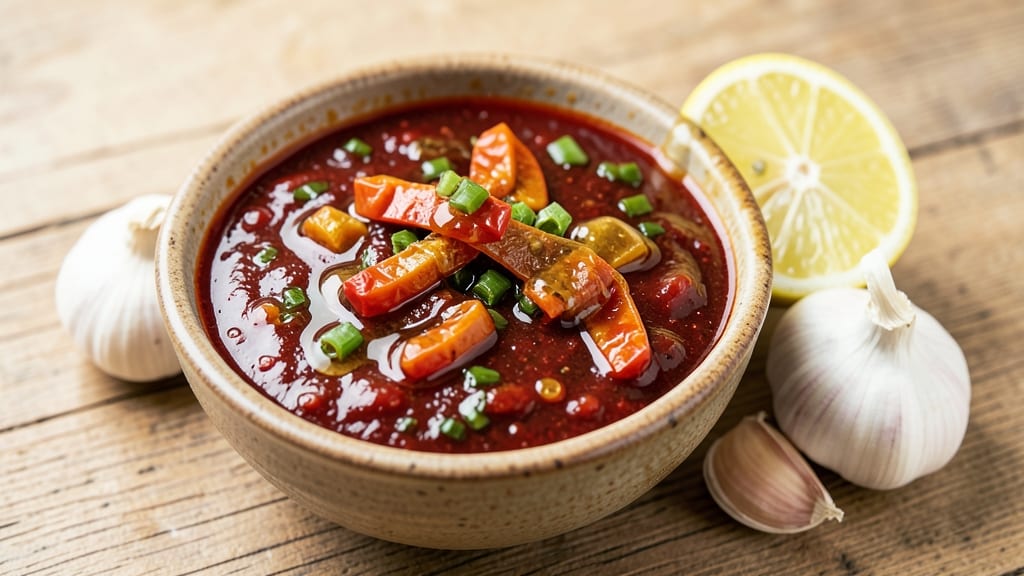
This authentic Puerto Rican hot sauce captures the island’s fiery soul in every drop—where smoky ají dulce peppers meet bright citrus and garlic’s bold punch. 🔥 The secret lies in fermenting the peppers first, unlocking their natural depth before blending with vinegar and spices for a sauce that’s tangy, complex, and perfectly balanced between heat and brightness.
Unlike mass-produced versions, this recipe stays true to Puerto Rican roots, with no shortcuts that dull the flavor. The process is straightforward but transformative: peppers ferment for days to develop their signature funk, then simmer with garlic, vinegar, and a touch of sugar to harmonize the heat.
Adjust the pepper blend—swap in ají criollo for extra fire or add roasted tomatoes for a smoky twist. The result? A sauce that elevates everything from mofongo to grilled meats, with layers of flavor that build with each use.
What sets this apart is the authentic fermentation step, which creates a depth store-bought sauces can’t match. The peppers’ natural sugars caramelize slightly during cooking, while the vinegar sharpens the tang.
Store it in the fridge for up to 3 months, and watch it evolve—each week brings richer, more nuanced heat. Whether you’re a home cook or a seasoned chef, this sauce delivers restaurant-quality heat without the fuss. Let’s make it—your taste buds will thank you.
Ingredients for authentic puerto rican hot sauce
Nine ingredients, one fiery transformation—authentic Puerto Rican heat in a bottle.
| Ingredient | Amount | Notes |
|---|---|---|
| Ají Dulce Peppers 🌶️ | 1 lb | Fresh, unripe, seeds removed |
| Ají Criollo Peppers 🌶️ | ½ lb | For extra heat, optional |
| White Vinegar 💧 | 2 cups | White or apple cider |
| Granulated Sugar 🍯 | ¼ cup | Light brown sugar preferred |
| Garlic Cloves 🧄 | 6 cloves | Fresh, peeled, smashed |
| Lemon Juice 🍋 | ½ cup | Freshly squeezed |
| Salt 🧂 | 1 ½ tsp | Kosher or sea salt |
| Ground Black Pepper 🌶️ | ½ tsp | Freshly ground preferred |
| Cumin Seeds 🌿 | ½ tsp | Toasted for depth |
| Cilantro Leaves 🌿 | ¼ cup | Fresh, stems removed |
The peppers are the heart of this sauce—ají dulce for that signature smoky-sweet punch, ají criollo for extra fire. Grab them at a Latin market or specialty store (they’re often sold fresh in the produce section). If you can’t find ají dulce, roasted red peppers in a pinch will give you a milder smokiness. For the best flavor, use peppers that are firm but slightly underripe—they’ll pack more heat and ferment beautifully. Puerto Rican grocery stores like Bodegón or La Casita usually carry them, or order online from LatinTaste or Amazon if you’re in a pinch.
No ají peppers? Serrano or habanero peppers will bring the heat, but you’ll need to adjust the amount—start with half the quantity and taste as you go. The vinegar is non-negotiable for tang, but apple cider vinegar adds a subtle fruitiness if you want to play it safe. Fresh garlic and lemon juice are musts—bottled lemon juice works in a bind, but it lacks the bright zing. For the cilantro, fresh is ideal, but if it’s not in season, dried cilantro at half the amount will do. Toast the cumin seeds in a dry pan for 30 seconds—they’ll add a nutty depth that’s totally worth the extra minute.
This sauce gets better with time. Store it in a clean glass jar in the fridge for up to 3 months—the flavors deepen as it ages. For long-term storage, freeze it in ice cube trays, then transfer to a bag. Shake well before each use, as the peppers settle. The heat builds as the sauce ferments, so start with small amounts—this stuff is potent! If it gets too strong, thin it with a splash of vinegar or water. Trust me, the first batch won’t be your last.
Why You'll Love This Recipe
- No Chopping Needed: I’ll be real—this sauce is ridiculously easy. Those ají peppers? Just char them whole over an open flame or in a dry pan, then toss in a blender with the rest. No dicing, no peeling, no fuss. My lazy Sundays just got better.
- Sweet Heat Balance: That sugar isn’t just for sweetness—it’s the magic. The ají dulce’s mild fruitiness and ají criollo’s tangy kick marry perfectly with the vinegar’s bite, while the garlic adds this unexpected depth. Honestly, it’s the kind of flavor that makes you reach for more without even thinking.
- Pantry Staple Power: Between us, this sauce is my secret weapon for everything. Slather it on pernil, drizzle it over mofongo, or toss it into rice and beans—it works. And because it keeps for months in the fridge, I always have it on hand for last-minute guests or when I’m craving that Puerto Rican soul.
- Cheap & Lasts Forever: A few peppers, a bottle of vinegar, and some sugar? That’s it. I’ve made gallons of this for under $10, and it outlasts every other hot sauce in my fridge. My college-student self would’ve cried happy tears. Plus, the more it sits, the richer it gets—like a slow-cooked secret.
Step-by-step instructions for authentic Puerto Rican hot sauce
Let's bring the bold flavors of Puerto Rico to life with this smoky, citrusy hot sauce.
🔥 Step 1: Roast the Peppers for Deep Smoky Flavor
Preheat your oven to 400°F and line a baking sheet with parchment paper. Place the 1 lb Ají Dulce Peppers and 0.5 lb Ají Criollo Peppers directly on the sheet. Roast for 20-25 minutes until the skins blacken and blister in spots. This charring creates that authentic smoky depth you can't get any other way.
Here's the thing—don't worry if they look completely black. The skins will peel off easily once they cool. I like to turn them every 10 minutes for even roasting. Real talk: if you're short on time, you can also roast them directly over a gas flame or under a broiler, but the oven gives you more control.
👨🍳 Step 2: Toast the Cumin and Prepare the Base
While the peppers roast, toast the 0.5 tsp Cumin Seeds in a dry skillet over medium heat for 1-2 minutes until they release their aroma and turn a deeper brown color. Immediately transfer to a bowl to cool—they'll lose their potency if you toast them too long.
In a separate bowl, combine the 2 cups White Vinegar, 0.25 cup Granulated Sugar, 0.5 cup Lemon Juice, 1.5 tsp Salt, and 0.5 tsp Ground Black Pepper. Stir until the sugar and salt dissolve completely. This tangy base will carry all those smoky pepper flavors we're building.
🍳 Step 3: Blister the Garlic and Combine Ingredients
Heat a nonstick skillet over medium heat and add the 6 cloves Garlic Cloves. Cook for 2-3 minutes until they're golden brown and blistered in spots—this adds another layer of complexity to the sauce. Be careful not to burn them, or they'll turn bitter.
Once the peppers have cooled enough to handle (about 10 minutes out of the oven), peel off the blackened skins and remove the stems. Transfer them to a blender along with the toasted cumin seeds, blistered garlic, and the vinegar mixture. Add the 0.25 cup Cilantro Leaves as well. Pulse until you get a smooth, chunky sauce—some texture is good, but you don't want it completely liquid.
⏰ Step 4: Simmer and Bottle the Hot Sauce
Pour the sauce into a saucepan and bring to a gentle simmer over medium-low heat. Let it cook for 15-20 minutes, stirring occasionally, until it thickens slightly and the flavors meld together. You'll know it's ready when it coats the back of a spoon and the raw garlic taste disappears.
I know it seems like a long wait, but this simmering step is crucial—it develops the sauce's depth and balances all the flavors. Once it's ready, transfer the hot sauce to clean glass bottles or jars while it's still warm. This helps prevent mold growth and keeps the sauce fresh longer. Let it cool completely before sealing.
Pro Tips For Making Authentic Puerto Rican Hot Sauce
- CHAR THE PEPPERS LOW: I learned this the hard way—blasting those ajíes with high heat turns them bitter fast. Simmer them over medium-low instead, just until they soften and release their oils, about 10-12 minutes. You want them to surrender their sweetness, not fight you.
- DESEED THE GARLIC: Whole garlic cloves in this sauce? Sounds weird, but it works. Peel them, leave the cloves intact, and crush them lightly with the flat side of your knife. They’ll infuse flavor without turning the sauce into a muddy paste—no need to mince or blend them.
- SWEAT THE VINEGAR FIRST: Skip dumping vinegar in at the start—it’ll just sit there, sour and unincorporated. Heat it with the sugar first until it’s just starting to bubble, then add the peppers. This dissolves the sugar completely and mellows the acid edge before it meets the peppers.
- STRAIN THE PULP: After simmering, the sauce will have a gritty texture from pepper skins and seeds. Line a fine-mesh strainer with cheesecloth or a coffee filter—yes, even if you’re impatient—and press the mixture through. The extra effort gives you a silky, restaurant-quality finish. (Your future self will thank you.)
Make-ahead tips for authentic puerto rican hot sauce
Ferment First
For maximum depth, ferment the peppers for 3-5 days before roasting. Place whole, unpeeled ají dulce and ají criollo peppers in a clean quart-sized mason jar, packing them tightly. Cover with 1 cup white vinegar and 1 tsp salt, leaving 1 inch headspace.
Seal and let sit at room temperature, shaking daily. This step develops their natural funk—trust me, it’s worth the wait! The peppers will soften and develop complex flavors that roasting alone can’t achieve. 🌱
Batch Prep
Make a big batch and store it in 8-ounce glass bottles for easy use. This sauce keeps for 3 months refrigerated, so you’ll have plenty on hand. I like to prep 4 bottles at once—it’s perfect for gifting or stocking your pantry.
Label each bottle with the date to track freshness. The first batch will be your favorite, but the second one often tastes even better as the flavors meld further. 📅
Freezer Cubes
For single-serving convenience, freeze the sauce in ice cube trays. Once solid, pop out the cubes and transfer to a ziplock bag. Thaw as needed—just drop a cube into your dish and let it melt.
This method preserves the sauce’s potency and makes it easy to control heat levels in recipes. Perfect for adding to mofongo, arroz con gandules, or even grilled shrimp! ❄️
Heat Adjustments
Want to dial up the heat? Add 1-2 habanero peppers (seeds included) to the fermenting mix. For a milder version, reduce the ají criollo to ¼ lb or omit it entirely.
Always taste as you go—this sauce evolves, so adjust gradually. I keep a small jar labeled “extra spicy” on hand for when I’m feeling adventurous. 🌶️
Long-Term Storage
For storage beyond 3 months, freeze the sauce in airtight containers or vacuum-sealed bags. Thaw overnight in the fridge before using. The texture may separate slightly after freezing, but a good stir brings it back together.
Pro tip: Add 1 tsp extra vinegar when reheating to restore brightness. This sauce is a pantry staple—once you make it, you’ll always have it on hand. 💡
Gift-Worthy Jars
Package the sauce in small, decorative bottles for friends and family. I use mini mason jars with custom labels—“Puerto Rican Fire” or “Mofongo Magic” always gets a laugh. Include a note about the fermentation process and how to use it.
It’s a thoughtful, homemade gift that stands out from store-bought options. Plus, it’s way cheaper than buying fancy hot sauces! 🎁
Nutrition facts
Frequently asked questions
What makes this hot sauce authentically Puerto Rican?
The key lies in the ají dulce and ají criollo peppers—two varieties native to Puerto Rico that give the sauce its signature smoky-sweet heat. The fermentation process and roasting technique also reflect traditional methods used in local salsas. Unlike commercial versions, this recipe skips artificial additives and focuses on vinegar, garlic, and citrus for that true island flavor profile.
Can I substitute ají peppers if I can't find them?
Yes! For ají dulce, use roasted red peppers (½ lb) for mild smokiness, or serrano peppers (¼ lb) for heat. For ají criollo, swap in habanero (1-2 peppers) for extra fire. Just adjust quantities—start with half the amount and taste as you go. The vinegar base will still work, but the flavor will differ slightly.
How do I know when the sauce is ready?
The sauce is done when it coats the back of a spoon and the raw garlic taste disappears after 15-20 minutes of simmering. It should also thicken slightly and smell vibrant—like a mix of citrus, smoke, and spices. If it's too thin, simmer uncovered for another 5 minutes. The color will deepen to a rich amber-red.
Why does my sauce look cloudy after bottling?
Cloudiness is normal! The peppers release oils and natural enzymes during fermentation that create a slight haze. To clarify, pour the warm sauce through a fine-mesh strainer into clean bottles. If you prefer it chunky, leave it as-is—the texture adds depth. Just shake well before using. The cloudiness won’t affect flavor or safety.
What's the best way to use this hot sauce?
This sauce shines on mofongo, arroz con gandules, or grilled meats like pernil. Drizzle it over tacos, mix into marinades, or use as a dip for tostones. For extra heat, add a spoonful to sopa de habichuelas or stir into scrambled eggs. Start with small amounts—this stuff packs a punch!