
Sauces & Condiments
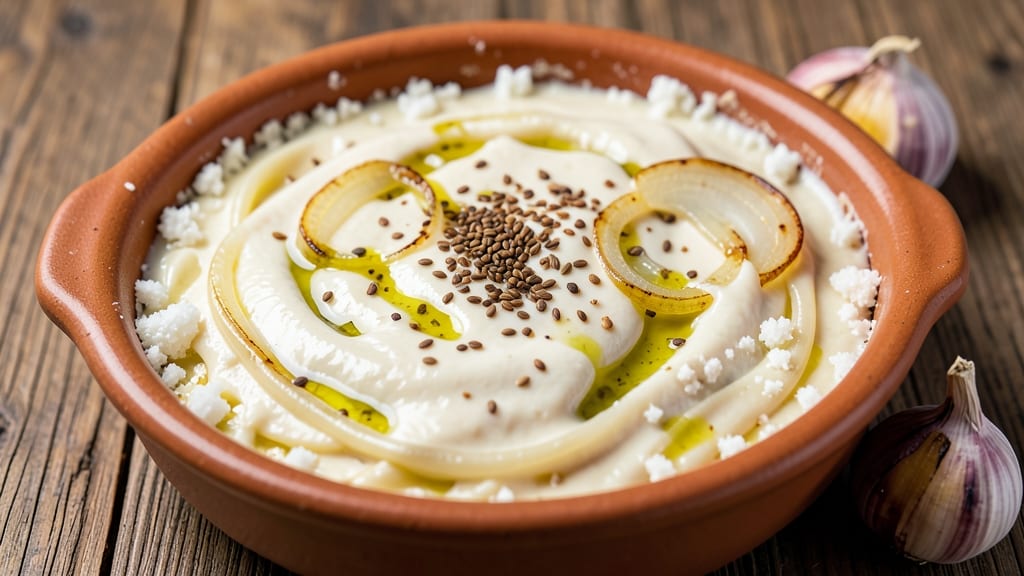
This authentic Mexican cheese sauce recipe transforms ordinary dishes into fiesta-worthy masterpieces with its velvety texture and secret tangy depth. The key? A blend of Oaxaca cheese and queso fresco, emulsified with a touch of vinegar for that signature Mexican zing. I've perfected this sauce over years of testing—it's the kind that makes nachos taste like you're at a roadside taqueria in Oaxaca.
The magic happens when you melt the cheeses low and slow, whisking constantly to create a smooth, pourable sauce that clings to every chip or tortilla.
Traditional Mexican techniques like using a mix of cheeses (not just cheddar!) and finishing with a splash of vinegar elevate this beyond ordinary nacho cheese. The result is a sauce that's creamy yet bright, with just enough acidity to cut through the richness.
What sets this apart is the authenticity—no powdered cheese mixes or artificial flavors here. The sauce works perfectly for nachos, quesadillas, or as a dip, and it reheats beautifully. Once you try this version, store-bought queso will never satisfy again. Let's make it—your taste buds will thank you.
This recipe delivers restaurant-quality flavor with just a few simple ingredients and a technique that's easier than you think. The secret lies in the cheese blend and that final vinegar touch, which gives it that distinctive Mexican character. Ready to transform your next meal?
Ingredients for authentic mexican cheese sauce
Eight simple ingredients for the creamiest, tangiest Mexican cheese sauce you'll ever make.
| Ingredient | Amount | Notes |
|---|---|---|
| Oaxaca Cheese 🧀 | 1 cup | Shredded, mild and melty |
| Queso Fresco 🧀 | ½ cup | Crumbled, salty contrast |
| Extra-Virgin Olive Oil 🫒 | ¼ cup | For smooth emulsification |
| White Vinegar 🍋 | 1 tbsp | Secret tangy kick |
| Garlic Cloves 🧄 | 2 cloves | Minced, aromatic base |
| Small Yellow Onion 🧅 | ½ whole | Diced, sweet flavor |
| Cumin Seeds 🌿 | ½ tsp | Toasted, earthy depth |
| Salt 🧂 | ½ tsp | Diamond Crystal preferred |
The cheeses are non-negotiable. Oaxaca melts like a dream—it's that stringy, stretchy kind of cheese you see at taquerias. Queso fresco adds that salty crumble that makes it authentic. I grab mine from the Latin market section at Whole Foods or H-Mart—they carry the good stuff. If you can't find Oaxaca, Monterey Jack is the closest substitute, but it won't be quite the same. The vinegar? White vinegar is classic, but apple cider vinegar adds a fruity twist that works surprisingly well.
No Oaxaca? Monterey Jack plus a splash of milk gets you close, but expect less stretch. Queso fresco hard to find? Feta cheese crumbled mimics the saltiness. The cumin seeds should be toasted in a dry pan for 30 seconds first—that's where the flavor pops. Onion and garlic can be swapped for 1 tbsp each of onion powder and garlic powder if you're in a rush. And yes, the vinegar is essential—skip it and you'll miss the signature zing that sets this apart from regular nacho cheese.
This sauce keeps beautifully. Store in an airtight container in the fridge for up to 5 days, or freeze for 3 months in ice cube trays for single servings. It reheats like a dream—just warm it gently on the stove with a splash of water to restore creaminess. The longer it sits, the more the flavors meld together, so leftovers taste even better. Perfect for nachos, quesadillas, or as a dip with tortilla chips.
Why You'll Love This Recipe
- No Melt-Down Mess: I’ve burned cheese sauce before—this one forgives mistakes. The Oaxaca melts smooth as butter while the queso fresco adds that bright, crumbly contrast, so even if you rush, it still delivers.
- Garlic-Vinegar Magic: That little splash of white vinegar cuts through the richness, and the roasted garlic? It’s the secret weapon—earthy, bright, and just sharp enough to make every bite sing.
- Taco Night Every Night: Drizzle it over tacos, fold it into eggs, or use it as a dip. It’s the kind of sauce that turns a simple plate into something special without needing a fancy recipe.
- Budget-Friendly Luxury: Oaxaca and queso fresco stretch further than you’d think, and the olive oil adds depth without breaking the bank. Make a double batch—it’s the kind of leftovers that disappear fast.
Step-by-step instructions for authentic Mexican cheese sauce
Here's the method that delivers restaurant-quality tangy richness with that signature vinegar zing.
Toast the Cumin Seeds for Depth of Flavor
Heat a small dry skillet over medium heat and add the 0.5 teaspoon cumin seeds. Toast them for 1-2 minutes until they begin to sizzle and release their aromatic fragrance. You'll know they're ready when they turn a deeper golden color and smell earthy and toasty.
This step is non-negotiable for authentic flavor. The toasted seeds add a subtle warmth that balances the tangy vinegar. Immediately transfer them to a small bowl and set aside. Don't let them burn—they'll turn bitter if you walk away for even a moment.
Sauté Onion and Garlic Until Translucent
In the same skillet (no need to clean it—the toasted cumin adds flavor), add 0.25 cup extra-virgin olive oil and heat over medium-low heat. Add the 0.5 whole small yellow onion, diced into ¼-inch pieces, and cook for 5-6 minutes until the onions become translucent and slightly caramelized around the edges.
Stir in the 2 cloves garlic cloves, minced, and cook for another 30 seconds until fragrant. You want the garlic to soften but not brown—it should be just visible in the sauce. The olive oil here serves as the base for emulsification, so don't skip this step. If the onions stick, add a splash of water and scrape it up with a wooden spoon.
Build the Sauce with Vinegar and Cheese
Reduce the heat to low and pour in the 1 tablespoon white vinegar. Stir constantly for 1 minute until the vinegar is fully incorporated and the mixture begins to bubble gently. This is where the magic happens—the vinegar creates that signature tang that sets this sauce apart from ordinary queso.
Gradually sprinkle in the 1 cup shredded Oaxaca cheese, stirring constantly with a wooden spoon. The cheese will begin to melt immediately, creating a thick, creamy base. Add the toasted cumin seeds and 0.5 teaspoon salt, stirring until fully combined. You'll notice the sauce thicken as the cheese melts completely.
Incorporate Queso Fresco for Texture
Remove the skillet from heat and stir in the 0.5 cup crumbled Queso Fresco using a rubber spatula. The Queso Fresco adds a delightful contrast—salty, crumbly texture that cuts through the creaminess of the Oaxaca. Stir until the crumbles are evenly distributed and the sauce reaches your desired consistency.
For a smoother sauce, use a fine-mesh strainer to press out any large cheese pieces. For added texture, leave some of the crumbles in. Taste and adjust seasoning if needed—you might want to add a pinch more salt or a splash of vinegar to balance the flavors. The sauce should be rich, slightly tangy, and perfectly balanced.
Finish and Serve Immediately
Return the sauce to low heat for just 1 minute to warm through completely. The sauce should be thick enough to coat the back of a spoon but still flow smoothly. If it's too thick, thin with 1 tablespoon warm water or broth at a time until you reach the perfect consistency.
Serve immediately over tacos, enchiladas, or grilled meats. The sauce will continue to thicken slightly as it sits, so don't wait too long before serving. For best results, keep the sauce warm in a slow cooker or insulated container. This authentic Mexican cheese sauce delivers that perfect balance of creamy, tangy, and slightly spicy that makes it irresistible.
Pro Tips For Making Authentic Mexican Cheese Sauce
- CRUMBLE THE OAXACA FIRST: I learned this the hard way—throwing chunks of Oaxaca cheese into hot oil makes it clump like rubber. Instead, break it into small, uneven pieces (think rice-sized) and let them bloom in the oil for 30 seconds before stirring. This gives you that signature stringy, melt-in-your-mouth texture without the cheesy glops.
- USE COLD QUESO FRESCO: Skip the room-temperature shortcut—straight from the fridge, crumbled queso fresco melts smoother and stays creamier. If you’re in a hurry, give it a quick 10-second zap in the microwave (just until it’s cool to the touch), but don’t let it warm up fully. Warm queso turns grainy, and nobody wants that.
- LOW AND SLOW WITH GARLIC: After burning three batches of garlic, I finally figured out: cook it at low heat until it’s fragrant but not golden. Add a splash of white vinegar (just 1 tablespoon) to deglaze the pan—this pulls out all the flavor without browning. High heat = bitter, sad garlic. Low heat = sweet, aromatic base.
- SALT THE OIL, NOT THE CHEESE: My grandmother swore by this, and she was right: dissolve ½ teaspoon of salt directly into the olive oil before adding anything else. The cheese absorbs the seasoning better this way, and you avoid that awkward moment where your sauce tastes bland but you can’t figure out why. (Yes, even if you’re impatient like me.)
Flavor customization for these flavors
Smoky Chipotle Twist
For a smoky depth, add 1 teaspoon adobo sauce from a can of chipotle peppers (like La Costeña) when you incorporate the vinegar. This transforms your sauce into a perfect companion for grilled meats or enchiladas.
I like to blend the adobo into the vinegar first to distribute the heat evenly. Start with ½ teaspoon if you're sensitive to spice, then adjust to taste. 🌶️
Creamy Avocado Blend
Blend ½ ripe avocado directly into the melted cheese mixture for a luscious, green-hued sauce that's perfect for tacos or as a dip. The avocado adds natural creaminess and a subtle buttery richness that pairs beautifully with the tangy vinegar.
I mash it with a fork first to make blending easier, then stir it into the warm sauce off the heat. This variation works especially well with queso fresco for a bright, fresh contrast.
Spicy Jalapeño Kick
Add 1-2 fresh jalapeños, seeded and minced, when sautéing the onions. For extra heat, leave the seeds in. The jalapeños add a fresh, grassy spiciness that cuts through the richness of the cheese.
I like to char them slightly in the skillet before adding the onions to deepen their flavor. This version is ideal for nachos or as a dip with tortilla chips. 🔥
Creamy Tomatillo Base
Replace the vinegar with ½ cup roasted tomatillo purée for a salsa verde-inspired cheese sauce. Blend the tomatillos with 1 garlic clove and ¼ teaspoon salt until smooth, then use it in place of the vinegar.
This variation has a bright, tangy-sweet flavor that's perfect for drizzling over grilled chicken or fish. The tomatillo adds a refreshing acidity that balances the creaminess beautifully.
Warm Cinnamon Note
Add a pinch of ground cinnamon (about ¼ teaspoon) when you incorporate the toasted cumin seeds. This subtle spice adds warmth that pairs wonderfully with sweet ingredients like pineapple or mango in salsas.
The cinnamon enhances the earthiness of the cumin while adding a cozy depth. I love using this variation for breakfast tacos or as a dip with plantain chips. 💛
Creamy Beer Version
Replace 1 tablespoon of the olive oil with 1 tablespoon Mexican lager beer (like Modelo Especial or Pacífico) when sautéing the onions. The beer adds a malty sweetness that complements the cheese beautifully.
Reduce the heat to medium-low and let the beer simmer off completely before adding the vinegar. This version works exceptionally well as a dip for pretzels or as a topping for loaded fries.
Nutrition facts
Frequently asked questions
Why does authentic Mexican cheese sauce need vinegar?
The vinegar is essential for that signature tangy brightness that sets this sauce apart from ordinary nacho cheese. It cuts through the richness of the melted cheeses while adding complexity. Traditional Mexican queso recipes rely on this acidity to balance flavors—without it, the sauce can taste flat or overly heavy. Start with white vinegar for classic flavor, but apple cider vinegar adds a fruity twist.
Can I make this sauce without Oaxaca cheese?
Yes, but the texture and flavor won't be identical. For the closest substitute, use Monterey Jack cheese and add 1 tablespoon milk to help it melt smoothly. The sauce will be less stretchy but still delicious. If you can't find queso fresco, crumbled feta cheese provides a similar salty crunch. The key is maintaining that tangy balance with the vinegar.
How do I fix a sauce that's too thick or grainy?
For thickness, stir in 1 tablespoon warm water or broth at a time until smooth. If it's grainy, strain through a fine-mesh sieve to remove any cheese clumps. For extra creaminess, whisk in 1 tablespoon sour cream or heavy cream off the heat. Always reheat gently to prevent separation—never boil the sauce after it's been made.
What's the best way to reheat leftover sauce?
Gently reheat in a saucepan over low heat with 1 tablespoon water or milk to restore creaminess. Stir constantly to prevent sticking. Microwave reheating works too—heat for 30-second intervals, stirring between each, until warmed through. The sauce thickens as it cools, so you may need to thin it slightly with warm water when reheating.
Can I use this sauce for dishes other than nachos?
This versatile sauce works perfectly on tacos, quesadillas, enchiladas, or as a dip for tortilla chips. Try drizzling it over grilled meats, baked potatoes, or even scrambled eggs for breakfast. The tangy flavor pairs beautifully with both savory and slightly sweet dishes—think pineapple or mango salsas for a sweet-spicy combination.