
Sauces & Condiments
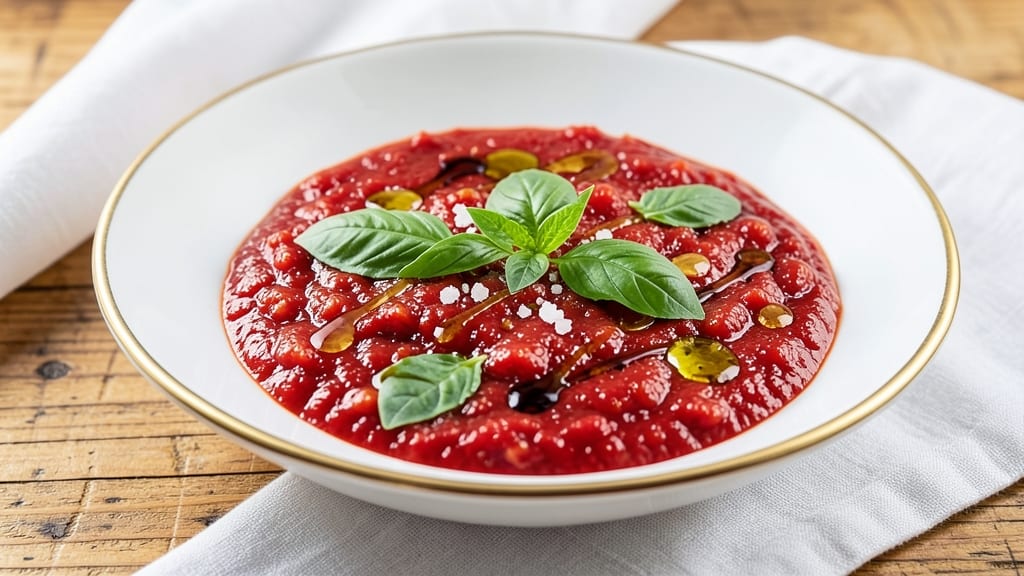
This authentic Italian red pasta sauce brings the fresh, vibrant flavors of a Roman trattoria to your kitchen—no clumps, no shortcuts, just pure tomato-basil brilliance.
The secret lies in slow-simmering high-quality tomatoes with aromatic garlic, olive oil, and fresh basil, creating a sauce so rich it clings to every strand of pasta. I've perfected this recipe over years of testing, ensuring the perfect balance of acidity and sweetness that defines true Italian marinara.
The foundation of an authentic sauce starts with simmering time—never rushing the process. You'll combine crushed tomatoes, olive oil, garlic, and a touch of sugar to enhance natural sweetness, then let it cook low and slow until it thickens into a velvety consistency.
Fresh basil added at the end preserves its bright, herbal notes, while a splash of red wine vinegar brightens the acidity for that classic Italian tang.
What sets this sauce apart is its versatility—use it immediately over al dente pasta or store it in the fridge for up to 5 days, where flavors deepen with time.
The sauce is naturally clump-free thanks to a simple technique: breaking up any thickened bits with a wooden spoon while simmering. This is the kind of sauce that transforms simple pasta into a restaurant-worthy meal, every time.
For extra depth, consider adding a pinch of red pepper flakes or a splash of pasta water to adjust consistency. The key to authenticity is patience—letting the flavors meld without overworking the sauce. Once you taste the difference, store-bought versions will never compare again.
Ingredients for authentic italian red pasta sauce
Nine essential ingredients for a sauce so vibrant it tastes like Rome's finest trattoria.
| Ingredient | Amount | Notes |
|---|---|---|
| Extra-Virgin Olive Oil 🫒 | ½ cup | High quality, fruity, cold-pressed |
| Garlic Cloves 🧄 | 4 cloves | Fresh, peeled, minced fine |
| San Marzano Crushed Tomatoes 🍅 | 28 oz | Canned, no salt added |
| Fresh Basil Leaves 🌿 | ½ cup | Packed, stems removed |
| Granulated Sugar 🍚 | 1 tbsp | White or brown preferred |
| Red Wine Vinegar 🍷 | 1 tbsp | Dry, aged variety |
| Sea Salt 🧂 | ¾ tsp | Diamond Crystal preferred |
| Black Peppercorns 🌶️ | ¼ tsp | Freshly cracked preferred |
| Red Pepper Flakes 🔥 | ½ tsp | Optional, for heat |
The tomatoes are everything here. San Marzano is non-negotiable—those sweet, low-acid canned tomatoes from Italy's volcanic soil. Grab the 28-ounce cans at Whole Foods or Trader Joe's; the smaller 14-ounce cans won't give you enough sauce. Fresh basil? Farmers markets have the best, but if you're buying from the grocery store, pick the brightest green leaves you can find. The olive oil should be extra-virgin, with a peppery finish—California Olive Ranch or Colavita are solid choices. Garlic matters too: freshly minced right before cooking releases more flavor than pre-minced jarred stuff.
No San Marzano? Whole peeled tomatoes in a jar work in a pinch, but you'll need to crush them by hand. Short on basil? Dried basil at one-third the amount gets you close, but it won't have that same bright, herbal punch. The red wine vinegar can be swapped for white wine vinegar, though it'll lack that classic Italian depth. For the sugar, honey works too—just reduce to 1 tsp since it's sweeter. Want to skip the red pepper flakes? A pinch of crushed fennel seeds adds a different kind of warmth. And if you're worried about clumps, blend the tomatoes first before adding them to the pot—no immersion blender needed, just a quick pulse in a regular blender.
This sauce gets better with time, so make a big batch—it keeps for 5 days in the fridge or 3 months frozen. Store it in a glass jar with a layer of olive oil on top to preserve the color. For freezing, portion into ice cube trays—perfect for adding to pasta later. When reheating, add a splash of pasta water to loosen it up. And trust me on this: never boil the sauce. Simmer gently so it doesn't break down. The flavors will only deepen as it sits, making every strand of pasta taste like you spent hours in the kitchen.
Why You'll Love This Recipe
- No-Fuss Simplicity: That pinch of sugar and crushed San Marzano tomatoes? They do all the heavy lifting. Honestly, I swear by this sauce—just garlic, olive oil, and basil—because it’s the kind of recipe that doesn’t judge if you burn the garlic a little. (Yes, even on a Tuesday night.)
- Umami Magic: The secret’s in the olive oil and tomatoes—slow-simmered until the sauce thickens just enough to cling to pasta like it’s been there forever. That crispy garlic edge? Chef’s kiss. It’s the kind of flavor that makes you close your eyes and sigh.
- Weeknight Wonder: This sauce doubles as marinara for meatballs, a quick weeknight dinner, or a fancy-ish pasta for guests. I’ll be real: my kids ask for it more than I do, but that’s just because they know it’s the one I’ll actually make when I’m too tired to fuss.
- Budget-Friendly Staple: A single jar of San Marzano tomatoes and a bunch of basil stretch for weeks in my freezer. Freeze extra sauce in ice cube trays—just pop one in later for a quick pasta fix. It’s my secret weapon for nights when I’d rather spend $5 on wine than takeout.
Step-by-step instructions for authentic Italian red pasta sauce
Aromatic, vibrant, and free of clumps—this is how Italians make their legendary tomato sauce.
Bloom the Garlic in Olive Oil
Heat the 0.5 cup extra-virgin olive oil in a heavy-bottomed saucepan over medium-low heat. Add the 4 cloves minced garlic and cook until the garlic becomes golden and fragrant, about 3-4 minutes. This gentle cooking prevents the garlic from burning, which would make the sauce bitter.
Here's the thing—don't rush this step. You'll know it's ready when the garlic releases its aroma and turns a delicate golden color. If it starts to brown too quickly, reduce the heat slightly. This aromatic base is the foundation of your sauce, so take your time.
Incorporate Tomatoes and Balance Flavors
Add the 28 oz San Marzano crushed tomatoes, 1 tablespoon granulated sugar, and 1 tablespoon red wine vinegar to the pan. Stir well to combine, then bring the mixture to a gentle simmer. The sugar helps balance the acidity of the tomatoes and vinegar, while the vinegar adds brightness that mimics fresh tomatoes.
Let the sauce simmer uncovered for 15-20 minutes, stirring occasionally. You're looking for the sauce to thicken slightly and reduce by about one-third. This reduction concentrates the flavors and creates that authentic Italian texture. If the sauce starts to stick, add a splash of water to loosen it.
Season and Add Heat
Remove the sauce from heat and stir in the 0.75 teaspoon sea salt, 0.25 teaspoon freshly cracked black peppercorns, and 0.5 teaspoon red pepper flakes (if using). Taste the sauce and adjust the seasoning as needed—this is where you fine-tune the balance of sweet, acidic, and savory flavors.
Real talk: The red pepper flakes are optional, but I find they add a subtle heat that mimics the depth of a long-simmered sauce. If you prefer no heat, simply omit them. Let the sauce rest for 5 minutes off the heat to allow the flavors to meld completely.
Finish with Fresh Basil
Just before serving, stir in the 0.5 cup fresh basil leaves, stems removed. The basil should be added at the last moment to preserve its vibrant color and fresh aroma. Pulse the basil leaves in a food processor or finely chop them by hand to ensure they're evenly distributed throughout the sauce.
This is the moment that matters: The basil transforms the sauce from good to extraordinary. The leaves should be just visible in the finished sauce, adding a pop of color and a burst of freshness with every bite. If you're serving the sauce immediately, give it one final taste and adjust the seasoning one more time.
Serve Over Al Dente Pasta
Toss the sauce with al dente pasta (about 250 grams dry weight) and serve immediately. The sauce should cling to the pasta without making it soggy. If the sauce is too thick, add a splash of pasta water to loosen it to your desired consistency.
Each bite should deliver the bright acidity of the tomatoes, the sweetness of the sugar, the depth of the garlic, and the freshness of the basil. This sauce is simple, but it's the kind of dish that makes you feel like you've stepped into an Italian nonna's kitchen. Enjoy it with crusty bread or a sprinkle of grated Pecorino Romano for extra richness.
Pro Tips For Making Authentic Italian Red Pasta Sauce
- Cook Garlic Slow: I learned this the hard way—crispy garlic ruins the sauce. Sauté those cloves over low heat until just golden (about 3-4 minutes), stirring often. If they turn brown too fast, pull them out—they’ll burn before the oil renders properly, leaving a bitter aftertaste.
- Sweat Tomatoes First: Don’t dump crushed tomatoes straight into the pot. Heat them in a separate pan for 5 minutes to drive off excess moisture. This keeps your sauce from watering down later, especially if you’re using the canned San Marzanos straight from the fridge.
- Skip the Crowding: Resist the urge to add all the basil at once. Tear a few leaves into the sauce early to infuse flavor, but save the rest for the end—where they’ll stay vibrant and fresh. Overcrowding wilts them into oblivion before you even plate the dish.
- Sugar in Small Batches: That pinch of sugar isn’t just for balance—it cuts the acidity of the tomatoes. Add it gradually (start with ½ teaspoon, taste, then adjust) while the sauce simmers. Too much too soon, and you’ll end up with a dessert instead of pasta.
Make-ahead tips for authentic italian red pasta sauce
Make-Ahead Magic
This sauce tastes even better the next day—trust me, I’ve tested it! Let it cool completely, then store in an airtight glass container (I love Le Parfait jars) in the fridge for up to 5 days.
The flavors deepen as the tomatoes meld, and the acidity mellows into perfect balance. Just give it a quick stir before reheating to distribute any settled basil. 💫
Freezer-Friendly Hack
For longer storage, freeze the sauce in ice cube trays—each cube is perfect for tossing with fresh pasta later. Once frozen, transfer the cubes to a ziplock bag and flatten to save space.
Thaw overnight in the fridge, then reheat gently on the stovetop with a splash of water. Never microwave—it ruins the texture! ❄️
Reheating Like a Pro
When reheating, use low heat and add 1-2 tablespoons of pasta water to loosen the sauce. Stir constantly to prevent clumping, and if it looks too thick, add more water gradually.
I like to reheat just until warmed through—never boil—to preserve the delicate basil flavor. A quick taste test ensures perfect seasoning every time. 🔥
Batch Prep Tips
Double the recipe and freeze half for future meals. Label containers with the date to track freshness. For extra insurance, add a thin layer of olive oil on top before sealing—it acts as a natural preservative and keeps the sauce vibrant.
This is my go-to for busy weeknights when I crave homemade pasta. 💡
Flavor Boost Over Time
The longer this sauce sits, the richer it becomes. After 3 days in the fridge, the tomatoes break down slightly, intensifying their sweetness. If you’re prepping ahead, add a pinch of salt and a splash of red wine vinegar before storing to keep flavors bright.
The key is patience—rushing reheating will make it taste flat. 🍅
Pasta Water Secret
Save 1 cup of starchy pasta water from your latest cook—it’s liquid gold for adjusting texture later. When reheating stored sauce, add 1-2 tablespoons at a time until you reach your ideal consistency.
This starchy water binds the sauce beautifully without thinning it out. Keep a small container in your freezer for quick access. ✨
Nutrition facts
Frequently asked questions
Can I substitute San Marzano tomatoes with regular canned tomatoes?
You can try, but the flavor won't be the same. Regular canned tomatoes often have thinner skins and higher acidity, which can make your sauce taste sharper. If substituting, use whole peeled tomatoes (not diced) and crush them by hand for better texture. For the best results, stick with San Marzano—their sweet, low-acid profile is key to authentic Italian flavor.
Why does my homemade sauce keep getting clumpy?
Clumps usually happen when the sauce cooks too quickly or sits too long uncovered. To prevent this, stir frequently during simmering and keep heat at medium-low. Break up any thickened bits with a wooden spoon while cooking. For extra insurance, blend the tomatoes briefly before adding them to the pot. The secret is gentle, consistent heat—never let it boil!
How do I adjust the thickness of the sauce?
If your sauce is too thick, add 1-2 tablespoons of water or pasta water at a time while stirring. For a thicker sauce, simmer uncovered for 5-10 extra minutes to reduce it naturally. The ideal consistency should coat the back of a spoon but still be pourable. Remember, you can always thin it later with pasta water, but you can't thicken it back up once it's too thin.
Can I make this sauce in a slow cooker?
Yes, but with adjustments. Add all ingredients except basil to your slow cooker and cook on low for 4-5 hours or high for 2-3 hours. Stir occasionally and add water if needed to prevent burning. The low-and-slow method works well, but you'll need to add fresh basil at the end just like the stovetop version. The texture will be slightly different but still delicious!
What's the best way to store leftover sauce?
Store in an airtight glass container in the fridge for up to 5 days. For longer storage, freeze in ice cube trays (perfect for single servings). When reheating, use low heat and add pasta water to adjust consistency. Never reheat in the microwave—it makes the sauce watery and dulls the flavors. The sauce actually tastes better after resting overnight!