
Sauces & Condiments
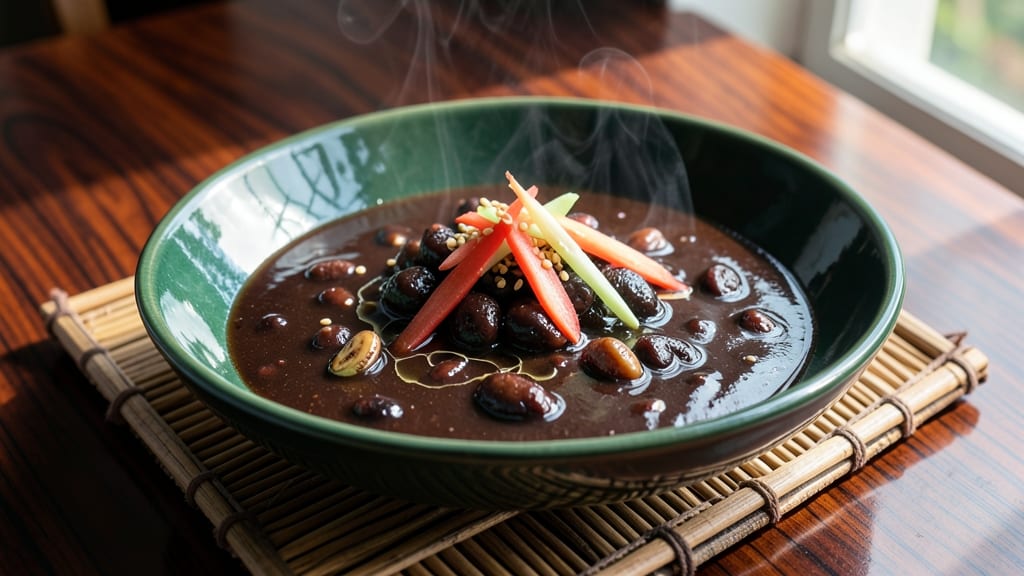
This authentic Chinese black bean sauce transforms ordinary dishes into restaurant-quality meals with its deep umami richness and fermented complexity. 💛 The secret lies in fermented black beans—those small, salty, and slightly funky ingredients that pack layers of flavor into every spoonful.
Unlike store-bought versions, this homemade sauce simmers slowly to develop a balanced harmony of savory, sweet, and tangy notes, perfect for stir-fries, dipping, or glazing proteins.
The process is straightforward but rewarding: toast the black beans to deepen their aroma before simmering them with garlic, ginger, and soy sauce until thick and glossy. A touch of sugar and vinegar rounds out the flavors, creating a sauce that’s both versatile and deeply satisfying.
What sets this apart is the fermentation—those black beans carry a depth of flavor you simply can’t replicate with substitutes.
What you’ll end up with is a glossy, aromatic sauce that clings beautifully to noodles, meats, or vegetables, adding a savory-sweet depth that elevates any dish. The texture is smooth yet slightly thick, ensuring it coats ingredients evenly without overwhelming them.
This isn’t just a condiment—it’s a flavor booster that turns simple meals into something extraordinary.
Store it in the fridge for up to two weeks, or freeze for longer shelf life, making it a pantry staple for quick weeknight cooking.
Whether you’re drizzling it over stir-fried greens or using it as a dipping sauce for dumplings, this black bean sauce is a game-changer for home cooks.
Ingredients for authentic chinese black bean sauce
Nine ingredients, one fermented secret—this sauce delivers restaurant-quality depth.
| Ingredient | Amount | Notes |
|---|---|---|
| Fermented Black Beans 🫘 | ½ cup | Small, salty, and funky |
| Light Soy Sauce 🍶 | ½ cup | High-quality, low-sodium preferred |
| Fresh Ginger 🧄 | 2 tbsp | Grated, freshly peeled |
| Garlic Cloves 🧄 | 4 cloves | Peeled, roughly chopped |
| Granulated Sugar 🍚 | 2 tbsp | White or brown sugar |
| Rice Vinegar 🍶 | 1 tbsp | White or seasoned |
| Sesame Oil 🫒 | 1 tbsp | Toasted, for aroma |
| Water 💧 | ½ cup | Filtered preferred |
| Cornstarch 🌾 | 1 tsp | For thickening |
| Red Chili Flakes 🌶️ | ½ tsp | Optional, for heat |
Fermented black beans are the heart of this sauce. Asian grocery stores usually carry them in jars or cans—look for small, wrinkled beans with a salty aroma. If you can't find them, substitute 1 tbsp soy sauce plus 1 tsp miso paste, but you'll lose that fermented funk. Fresh ginger and garlic? Always buy more than you need—they freeze beautifully. The ginger should be firm with no soft spots, and the garlic cloves should smell sharp, not musty. Toast the garlic cloves in a dry pan for 30 seconds before chopping—this deepens their flavor instantly.
No fermented black beans? Double the soy sauce and add 1 tsp fish sauce for umami, but it won’t be the same. Swapping rice vinegar? Apple cider vinegar works in a pinch, but it’ll have a slightly sharper tang. The sesame oil is non-negotiable—it’s what gives the sauce that nutty aroma. If you’re avoiding gluten, use tamari instead of soy sauce. For extra thickness, mix 1 tsp cornstarch with 1 tbsp cold water before adding it to the simmering sauce. And if you’re feeling adventurous, add a 1-inch piece of star anise or 1 cinnamon stick while simmering for warmth.
This sauce keeps for 2 weeks in the fridge in an airtight jar, but the flavor actually improves over time. For longer storage, freeze in ice cube trays—perfect for single-use portions. Reheat gently on low heat, stirring constantly to prevent burning. Once opened, the fermented beans will keep releasing flavor for days, so don’t be shy about making a double batch. The sauce thickens as it cools, so if it seems too thick when warm, just add a splash of water. Trust me, the first time you drizzle this over steamed dumplings or toss it with stir-fried greens, you’ll never buy store-bought again.
Why You'll Love This Recipe
- Fridge-to-Pan Magic: I swear by this—just pull out the fermented black beans (no soaking, no fancy prep), toss them with ginger and garlic already minced from the jar, and let the stove do the work. Ten minutes later, you’ve got sauce that tastes like you slaved over it for hours.
- Umami Bomb: That first spoonful? Chef’s kiss. The black beans bring deep, funky richness, while the light soy sauce cuts through with brightness—then the sugar and ginger hit like a warm hug. It’s the kind of flavor that makes you pause mid-stir and think, “Wait, how did this get so good?”
- Sauce for Everything: Slather it on stir-fries, drizzle it over noodles, or toss it with tofu—this stuff plays well with everything. Honestly, I’ve even used it as a glaze for baked chicken when I’m lazy. The best part? It’s the kind of pantry staple you’ll reach for without thinking.
- Budget-Friendly Powerhouse: Fermented black beans last forever, and a little goes a long way—this recipe costs me pennies per serving. Plus, leftovers? Just store them in the fridge and reheat with a splash of water. My college-fund money (and taste buds) thank me every time.
Step-by-step instructions for fermented black bean sauce
Here's how to unlock that rich, funky depth of authentic Chinese black bean sauce.
🍳 Step 1: Toast the Fermented Black Beans
Heat a dry skillet over medium heat and add the 0.5 cup fermented black beans. Toast them for 3-4 minutes, stirring constantly with a wooden spoon until they turn a deep mahogany color and release their nutty aroma. This step enhances their natural umami flavor and removes any excess moisture.
Watch closely—they burn easily once they start to darken. You'll know they're ready when they smell intensely aromatic and have developed a glossy sheen. Immediately transfer them to a bowl and set aside. The residual heat will continue to develop their flavor as you work with the other ingredients.
👨🍳 Step 2: Build the Flavor Base
In the same skillet (no need to clean it—the browned bits add depth), add the 2 tbsp grated fresh ginger and 4 cloves roughly chopped garlic. Cook over medium-low heat for 1-2 minutes until the ginger becomes fragrant and the garlic turns golden around the edges. This gentle cooking prevents the garlic from burning while allowing its flavors to bloom.
Here's the thing—don't rush this step. The aromatic compounds in ginger and garlic need time to develop. When you can smell that warm, slightly spicy aroma filling your kitchen, you're ready for the next ingredient. Add the 2 tbsp granulated sugar and stir for another 30 seconds until it melts into the aromatics.
🥘 Step 3: Combine Wet Ingredients
Pour in the 0.5 cup light soy sauce and 0.5 cup water, scraping up any browned bits from the bottom of the pan. Add the toasted black beans and bring everything to a gentle simmer over medium heat. Stir occasionally for 5 minutes until the mixture thickens slightly and the beans soften.
This is where the sauce starts to come together. You'll notice the beans releasing their fermented oils, creating a rich, slightly oily sheen on the surface. If the mixture seems too thin, reduce the heat to low to prevent boiling over. The sauce should coat the back of a spoon by the end of this time.
⏰ Step 4: Thicken and Finish
In a small bowl, whisk together the 1 tsp cornstarch with 2 tablespoons water to create a smooth slurry. Slowly pour this into the simmering sauce while stirring constantly. The sauce will thicken immediately—keep stirring for another 1-2 minutes until it reaches a glossy, syrupy consistency that coats the back of a spoon.
Remove from heat and stir in the 1 tbsp rice vinegar, 1 tbsp sesame oil, and 0.5 tsp red chili flakes. The vinegar brightens the flavors, the sesame oil adds aromatic depth, and the chili flakes introduce just a hint of heat. Let the sauce sit for 5 minutes to allow all the flavors to meld together completely.
🍽️ Step 5: Adjust and Serve
Taste and adjust the seasoning. You might want to add a touch more soy sauce for saltiness, a bit of sugar to balance acidity, or even a splash of water if it's too thick. The sauce should be rich, slightly funky, and perfectly balanced between sweet, salty, and umami.
This versatile sauce works beautifully as a dipping sauce for dumplings, a stir-fry glaze, or even a marinade. For best results, use it within 3-4 days or store it in the refrigerator in an airtight container. The flavors actually deepen as it sits, so it's worth making a double batch if you plan to use it throughout the week.
Pro Tips For Making Authentic Chinese Black Bean Sauce
- Rinse the Beans First: Fermented black beans are salty—way saltier than you’d expect. Give them a quick rinse under cold water before cooking to cut the bitterness and let the sauce balance properly. I learned this the hard way after making sauce that tasted like a soy factory exploded.
- Low and Slow Only: This isn’t a sear-it-now dish. Simmer the sauce on low heat after the initial stir-fry, or the sugar will burn and turn the whole thing bitter. I used to rush it, and the result was a charred, one-note mess—now I just let it bubble gently for 10 minutes.
- Mince the Ginger Fine: Big chunks of ginger won’t dissolve—they’ll just sit there like stubborn guests. Grate it into a paste with a little water or pulse it in a food processor until it’s nearly invisible. My grandmother swore by this, and she was right: smooth texture = no surprises in every bite.
- Skip the Crowding: If you’re making this for stir-fry, don’t toss everything in at once. Cook the garlic first until it’s fragrant (30 seconds max), then add the beans and other ingredients in stages. Crowding steams the sauce instead of caramelizing it—result? A sad, watery glaze instead of a glossy, sticky masterpiece.
Perfect pairings for this authentic chinese black bean sauce
Stir-Fry Glazes
This sauce transforms into a sticky, aromatic glaze when brushed over proteins like chicken, pork, or tofu. I love using it on boneless pork chops—simmer them in 1 cup of the sauce with 1 tbsp honey for 10 minutes until caramelized.
For vegetables, toss bell peppers and snap peas in 2 tbsp sauce and stir-fry for 3-4 minutes over high heat until blistered. 🔥
Dipping Sauces
Serve it warm as a dipping sauce for steamed dumplings, spring rolls, or egg rolls. Thin it slightly with 1-2 tbsp hot water to create a smoother consistency. For extra richness, stir in 1 tsp toasted sesame seeds right before serving.
I also like adding a soft-boiled egg yolk to the bowl for dipping—it creates a luxurious contrast. 🍜
Marinades
Use this sauce as a marinade for grilled meats or skewers. Combine ½ cup sauce with 1 tbsp honey and 1 tbsp Shaoxing wine, then coat chicken thighs or beef strips for at least 30 minutes (or overnight for deeper flavor).
The fermented beans tenderize the meat while adding that signature umami punch. Grill or broil until caramelized for best results. 🍖
Rice Enhancer
Drizzle 1-2 tbsp of the sauce over steamed jasmine rice or congee for an instant flavor boost. The salty-sweet balance elevates plain rice into a restaurant-style side dish. For extra texture, sprinkle with crispy fried shallots or chopped scallions.
It also works wonders in fried rice—just stir it in during the last 2 minutes of cooking. 🍚
Soup Upgrades
Add 2-3 tbsp of sauce to hot and sour soup or egg drop soup just before serving. It deepens the umami profile without overpowering the broth. For a quick upgrade, stir it into ramen or pho during the last 5 minutes of cooking.
The fermented beans blend seamlessly, adding complexity that store-bought sauces can't match. 🥣
Beverage Pairings
Pair this sauce with light Chinese teas like jasmine green tea or oolong to cleanse the palate between bites. For beer lovers, a crisp lager (like Tsingtao) balances the sauce's richness. If you prefer wine, a dry Riesling complements the sweet-savory notes beautifully. 🍶
Nutrition facts
Frequently asked questions
What makes fermented black beans essential for authentic flavor?
Fermented black beans are the flavor powerhouse—those tiny, salty beans carry deep umami and funk that regular black beans can't replicate. The fermentation process creates complex flavors that develop during simmering, giving the sauce its signature rich, slightly tangy depth. Without them, you'll miss that restaurant-quality complexity.
Can I substitute fermented black beans if I can't find them?
Yes, but with limitations. Use 1 tbsp soy sauce plus 1 tsp miso paste for umami, or 1 tbsp fish sauce for depth—but you'll lose the fermented funk. For texture, add 1 tsp finely chopped dried shiitake mushrooms soaked in warm water. The flavor won't be identical, but it'll still add richness to your dishes.
How do I adjust the thickness of the sauce?
If it's too thick, thin with 1 tsp hot water at a time while stirring. For extra thickness, simmer uncovered for 2-3 minutes to reduce, or add ½ tsp more cornstarch slurry. The sauce naturally thickens as it cools, so don't worry if it seems perfect when hot—it'll settle into ideal consistency when served.
What's the best way to store leftover sauce?
Transfer to an airtight jar and refrigerate for up to 2 weeks. The flavors actually improve over time! For longer storage, freeze in ice cube trays—just thaw overnight in the fridge. When reheating, warm gently on low heat while stirring constantly to prevent burning. The sauce keeps its depth even after freezing.
Can I make this sauce without cornstarch?
Yes, but the texture will be thinner. Simmer the sauce uncovered for 5-7 minutes longer to reduce naturally, or use 1 tsp arrowroot powder mixed with water instead. For a gluten-free option, try ½ tsp xanthan gum dissolved in water. The flavor remains the same—just adjust the consistency to your preference.