
Sauces & Condiments
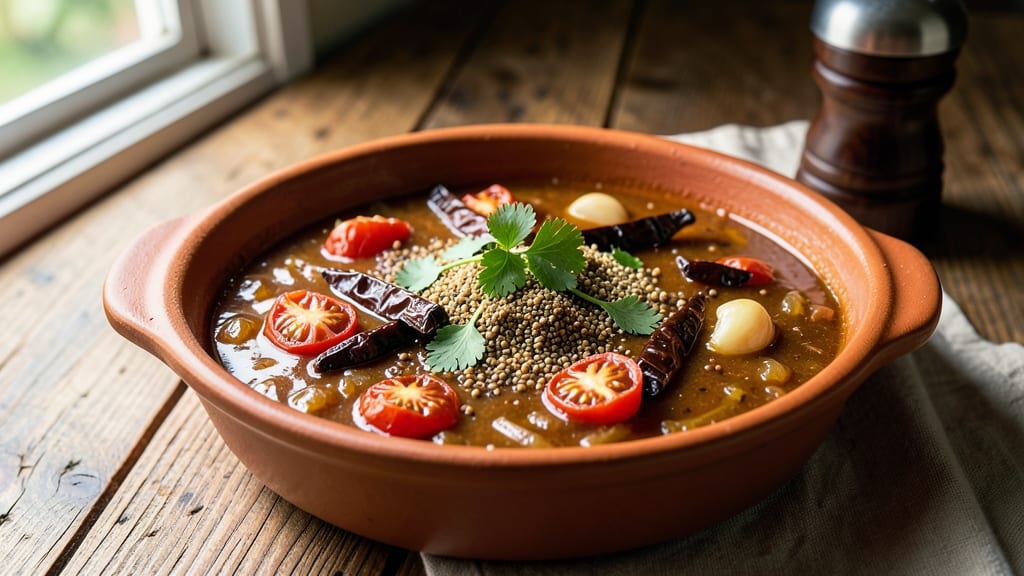
This authentic beef enchilada sauce transforms simple ingredients into a deep, smoky masterpiece that elevates every enchilada, taco, or burrito. The secret lies in charring tomatoes and dried chiles over an open flame, a technique that unlocks layers of complexity no store-bought sauce can match.
What starts as raw ingredients becomes a velvety, aromatic sauce with just the right balance of heat, earthiness, and richness—perfect for those who crave restaurant-quality flavor at home.
The foundation of this sauce begins with toasted spices and charred vegetables, which form the backbone of authentic Mexican cooking. We're talking about cumin seeds blooming in hot oil, dried chiles developing their smoky depth, and onions caramelizing until they're sweet and translucent.
These steps might seem time-consuming, but they're what distinguish homemade sauce from anything you'll find in a jar. The result? A sauce that's rich enough to stand alone as a dip yet versatile enough to complement any Mexican dish.
By the time you're done, you'll have a sauce that's deep red, fragrant with smoldering chipotle and toasted spices, and thick enough to cling beautifully to tortillas or coat every bite.
The texture is silky yet substantial, with just the right amount of body to hold its shape when used as a filling. This isn't just sauce—it's the kind of flavor that makes people pause and ask, "What's in this?" The answer?
Time-honored techniques and patience that pay off in every spoonful.
Whether you're making enchiladas, smothering tacos, or using it as a dip for tortilla chips, this sauce delivers restaurant-quality results with minimal effort after the initial prep. The best part?
It keeps beautifully in the refrigerator for up to a week, so you can make a big batch and enjoy it throughout the week. Let's get started on creating sauce that tastes like it came from a family recipe passed down for generations.
Ingredients for authentic beef enchilada sauce
Nine ingredients, one smoky, charred masterpiece—this sauce starts with fire and ends with restaurant-quality depth.
| Ingredient | Amount | Notes |
|---|---|---|
| Dried Chipotle Peppers in Adobo Sauce 🌶️ | 2 whole | Stems and seeds removed |
| Fresh Roma Tomatoes 🍅 | 4 whole | Chartered over flame |
| Yellow Onion 🧅 | 1 whole | Chartered until blackened |
| Garlic Cloves 🧄 | 6 cloves | Peeled and toasted lightly |
| Cumin Seeds 🌿 | 2 tbsp | Toasted in oil first |
| Ground Cumin 🌿 | 1 tbsp | For depth of flavor |
| Mexican Oregano 🍃 | 1 tbsp | Dried, not Italian oregano |
| Extra-Virgin Olive Oil 🫒 | ½ cup | For toasting spices |
| Beef Broth 🥫 | 1 cup | Low-sodium preferred |
| Tomato Paste 🍅 | ¼ cup | San Marzano for quality |
The chipotle peppers and tomatoes are non-negotiable. Look for chipotles in adobo at Latin markets—they're fresher than the jarred stuff at regular grocery stores. Roma tomatoes hold up better to charring than beefsteak varieties, so grab a handful. The onion and garlic should be blackened on all sides for that authentic smoky flavor. Toasting the cumin seeds in oil first? That's where the magic happens—Penzeys or bulk bins are your best bet for quality spices. If you're using dried oregano, make sure it's Mexican oregano—Trader Joe's carries it, or check the Latin aisle.
No chipotle peppers? Ancho chiles work in a pinch, but they're milder. Fresh tomatoes? Canned San Marzano tomatoes are a great backup—they're sweeter and less acidic. Short on beef broth? Water plus a bouillon cube gets you close. The tomato paste can be swapped for blended canned tomatoes, but you'll lose some thickness. For extra richness, stir in a splash of soy sauce or Worcestershire at the end—trust me, it deepens the umami. And if you're feeling adventurous, add a pinch of cinnamon for warmth.
This sauce tastes even better the next day as the flavors meld. Store it in a glass jar in the fridge for up to 1 week—the acidity helps preserve it. For longer storage, freeze in ice cube trays and transfer to a bag. Thickens as it cools? Just whisk in a splash of water or broth. Double the batch if you can—enchiladas, tacos, and quesadillas will thank you all week. The leftovers make an amazing dip for tortilla chips too.
Why You'll Love This Recipe
- No Chopping Marathon: I swear by this sauce because it’s actually minimal prep—just dice the onion and garlic once, then let the chipotle peppers and tomatoes do the heavy lifting. That smoky adobo paste? It’s my shortcut to restaurant-level depth without the fuss.
- Smoky Depth in Minutes: The chipotle peppers in adobo give it that real Mexican restaurant heat—deep, earthy, and lingering—but balanced by the bright acidity of fresh tomatoes. Honestly, the first time I tasted this, I thought, “This is the sauce I’ve been missing.”
- Taco Night to Leftovers: Between us, this sauce works for everything: slather it on enchiladas, drizzle it over nachos, or toss it with rice and beans. And the best part? It freezes like a dream—just reheat and serve, no texture loss. My freezer’s full of it.
- Budget-Friendly Fire: Fresh tomatoes and onions are cheap, and a single can of chipotles in adobo stretches across multiple batches. I’ll be real: this is how I feed my family for a week without breaking the bank. Plus, the cumin seeds? Tiny but mighty—adds warmth without costing a fortune.
Step-by-step instructions for authentic beef enchilada sauce
Building this sauce from scratch delivers smoky depth and complexity you won't find in jars.
Char and Prepare the Base Ingredients
Start by preparing the charred vegetables that form the sauce's foundation. Over a gas flame or in a cast-iron skillet, char the 4 whole fresh Roma tomatoes until their skins blacken in spots—this adds incredible depth to the sauce. While they cool, peel and remove the stems from the 2 whole dried chipotle peppers in adobo sauce, then finely chop them (keep the adobo sauce for another use).
Next, work with the 1 whole yellow onion. Cut it in half and char it directly over the flame until the cut surfaces turn deep black and caramelized. This process takes about 8-10 minutes total for both vegetables. Let them cool slightly before handling—they'll be very hot. The charred flavors are essential for that authentic restaurant-quality taste.
Toast the Aromatics and Spices
Heat 0.5 cup extra-virgin olive oil in a large Dutch oven over medium heat. Add the 2 tbsp cumin seeds and toast them for 1-2 minutes until they turn golden brown and release their nutty aroma—this is crucial for building flavor. Immediately remove them with a slotted spoon and set aside.
In the same pot, add the 6 peeled garlic cloves and toast them lightly for 30-45 seconds until they're fragrant but not browned. Add the 1 whole charred yellow onion, chopped into rough pieces, and cook for 5 minutes until softened. The garlic should smell sweet and inviting, not burnt. This step creates the aromatic base that carries through the entire sauce.
Build the Sauce Foundation
Stir in the 0.25 cup tomato paste and cook for 2 minutes until it darkens slightly and develops a rich, caramelized flavor. This is your sauce's structural foundation. Add the chopped charred tomatoes and the finely chopped chipotle peppers, stirring well to combine. Pour in the 1 cup beef broth and bring everything to a gentle simmer.
Let the sauce cook uncovered for 15-20 minutes, stirring occasionally. You'll notice it reduces slightly and develops a glossy consistency. This simmering process allows all the flavors to meld together beautifully. The sauce should smell deeply aromatic with notes of charred vegetables, smoky chipotle, and warm spices.
Finish with Spices and Seasoning
Add the 1 tbsp ground cumin, 1 tbsp Mexican oregano, and the toasted cumin seeds you set aside earlier. Stir well and let the sauce simmer for another 5-7 minutes. The spices should be fully incorporated and the sauce should coat the back of a spoon when you taste it.
Season generously with salt and black pepper to taste. The sauce should be rich and flavorful, with a perfect balance of smoky heat from the chipotle, earthy depth from the cumin, and bright acidity from the tomatoes. If it's too thick, you can thin it slightly with a little water or additional broth. Let it cool slightly before using—this sauce tastes even better after resting for 10-15 minutes.
Use Immediately or Store Properly
This sauce is best used fresh, but you can store it in an airtight container in the refrigerator for up to 5 days. The flavors will continue to develop and deepen over time. When ready to use, simply reheat it gently on the stove, stirring occasionally until warmed through.
For the most authentic results, use this sauce to make beef enchiladas by smothering your favorite filling with the warm sauce and topping with melted cheese. The combination of smoky chipotle, charred vegetables, and warm spices creates a sauce that's truly restaurant-quality and perfect for any Mexican feast.
Pro Tips For Making Authentic Beef Enchilada Sauce
- BLEND THE ADOBO SAUCE FIRST: Chipotles in adobo are packed with flavor, but the sauce itself is thick and clumpy. Before adding the peppers to your pot, blend them with a splash of water or broth—just enough to break it down into a smooth paste. This way, the heat and smokiness disperse evenly instead of settling as stubborn, bitter chunks at the bottom.
- CHAR THE ONIONS LOW AND SLOW: I used to rush this step, and my onions would turn bitter before they caramelized. For this sauce, keep the heat low and let the onions cook for 10-12 minutes until they’re deep golden, almost jammy. If they start to brown too quickly, back off—you’re not searing, you’re sweating.
- TOAST THE CUMIN SEEDS: Whole cumin seeds add depth, but they need to be toasted first. Dry-toast them in a small pan for 30 seconds until they’re fragrant and just starting to pop—then grind them fresh. Skipping this step means you’ll miss that nutty, earthy punch that makes the sauce taste like it came from a taquería, not a jar.
- STRAIN THE TOMATOES: Roma tomatoes are meaty, but their skins and seeds can make the sauce watery. After roasting or boiling them, strain out the pulp through a fine-mesh sieve. You’ll end up with a smoother, richer base—no one wants a chunky, watery enchilada sauce drowning their beef.
Creative variations of these flavors
Smoky Chipotle Twist
For an extra layer of smokiness, swap the chipotle peppers for 2-3 dried guajillo chiles plus 1 dried chipotle in adobo. Toast the guajillo chiles in a dry skillet until fragrant, then soak in hot water for 10 minutes before blending.
This creates a deeper, fruitier heat that pairs perfectly with beef. 🌶️
Creamy Enchilada Sauce
Want a velvety texture? Stir in ½ cup sour cream or ¼ cup Mexican crema during the final 5 minutes of simmering. For extra richness, add 1 oz queso fresco, crumbled, at the end. This variation works beautifully for chicken enchiladas or as a dip for tostadas.
Spicy Green Sauce
Transform this into a green enchilada sauce by replacing tomatoes with 2 cups tomatillos, charred and peeled. Add 1-2 serrano peppers (seeds removed for mild heat) and ½ cup cilantro stems. The result is a tangy, herbaceous sauce perfect for fish tacos or quesadillas.
Slow-Cooker Adaptation
For hands-off cooking, combine all ingredients in a slow cooker on LOW for 4-5 hours. The low-and-slow method deepens the flavors even more, making it ideal for weeknight meal prep. Just stir occasionally and adjust thickness with broth or water as needed.
Beef-Infused Sauce
Take it to the next level by simmering ½ lb ground beef with the onions and garlic in Step 2. Drain excess fat before adding the rest of the ingredients.
The beef adds a meaty depth that makes this sauce even more irresistible for beef enchiladas or burrito bowls.
Freezer-Friendly Batch
Double the recipe and freeze in 1-cup portions for quick future use. Thaw overnight in the fridge, then reheat gently on the stove. The sauce actually tastes better after freezing—the flavors meld even more over time. Perfect for busy weeknights when you need authentic taste in minutes. ❄️
Nutrition facts
Frequently asked questions
Can I substitute fresh tomatoes with canned tomatoes?
Yes, but with a few adjustments. Use 1 (14 oz) can fire-roasted tomatoes instead of fresh charred tomatoes, and skip the charring step. Add 1 tbsp tomato paste extra to compensate for the lack of charred depth. For best results, heat the canned tomatoes in a skillet for 5 minutes to concentrate their flavor before adding to the sauce.
How do I adjust the heat level in this sauce?
For milder heat, reduce the chipotle peppers to 1 whole pepper (or remove seeds completely). For extra spice, add ½ tsp cayenne pepper or 1 extra chipotle pepper. Remember, the sauce can be thinned with broth or water if it becomes too thick, but heat levels are best adjusted at the start.
Why does my sauce look too thin after simmering?
This usually happens if you used too much broth or didn't simmer long enough. Let the sauce reduce uncovered for 5-10 extra minutes to thicken naturally. If it's still too thin, mix in 1 tbsp tomato paste or 1 tsp cornstarch dissolved in water. Stir constantly until it reaches your desired consistency.
Can I make this sauce without a Dutch oven?
Use a heavy-bottomed pot or even a large skillet. Just be patient with the charring process—it may take slightly longer. For the simmering step, reduce heat to medium-low to prevent burning. The key is low-and-slow cooking to develop the flavors properly.
What's the best way to use leftover enchilada sauce?
This versatile sauce works perfectly for taco dipping, quesadilla fillings, or as a base for chili. Freeze extras in ice cube trays for easy portioning later. The sauce actually improves overnight as flavors meld—reheat gently before using. For extra richness, stir in a splash of cream when reheating.