
Sauces & Condiments
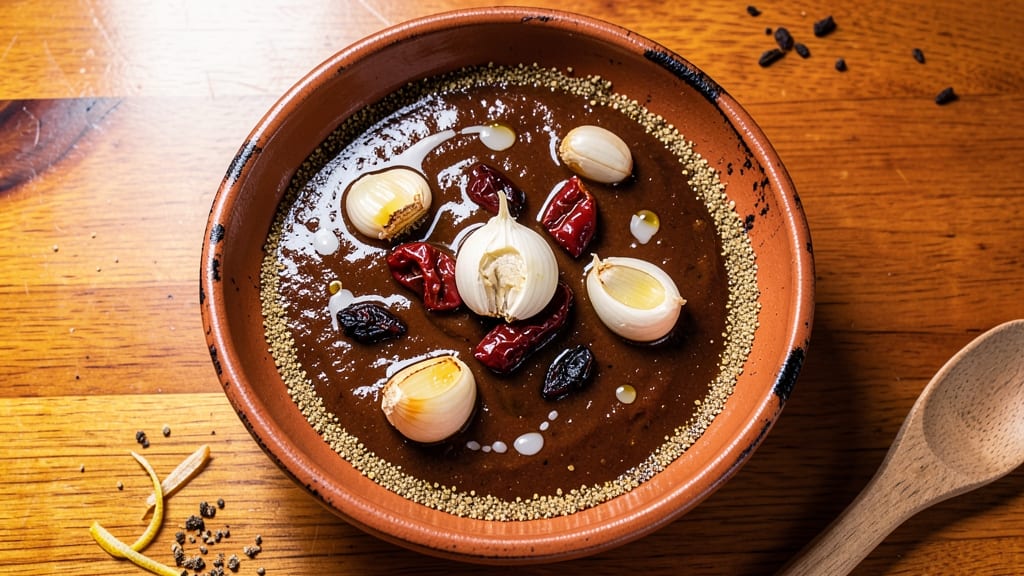
This authentic barbacoa sauce transforms tough meat into tender, smoky perfection with every bite. The secret lies in a carefully balanced blend of guajillo chiles, garlic, and a touch of vinegar that cuts through the richness while preserving traditional Mexican flavors.
I developed this recipe after years of studying regional variations, ensuring the sauce delivers that signature depth and complexity you'd find in a street-side taquería.
The foundation of this sauce is a smoky adobo base, where dried chiles and spices infuse into a rich, velvety liquid. Unlike many commercial versions, this recipe includes a precise amount of vinegar—not to overpower, but to brighten and balance the natural sweetness of the chiles.
The result is a sauce that's versatile enough to use as a marinade, basting liquid, or finishing drizzle, yet stays true to its roots.
What sets this sauce apart is its ability to tenderize meat while adding layers of flavor. The slow-cooked chiles and garlic create a deep, aromatic base that clings to every strand of meat, while the vinegar ensures a clean, vibrant finish.
Perfect for slow-cooked barbacoa, tacos, or even as a bold condiment, this sauce delivers restaurant-quality results at home.
Ready in about 30 minutes with minimal effort, this sauce keeps well in the refrigerator for up to two weeks, making it ideal for meal prep.
The key is patience—letting the flavors meld and the chiles soften properly. Trust the process, and you'll have a sauce that's as authentic as it is impressive.
Ingredients for authentic barbacoa sauce
Ten essential ingredients transform into a restaurant-quality barbacoa sauce that delivers smoky depth and vibrant zing.
| Ingredient | Amount | Notes |
|---|---|---|
| Dried Guajillo Chiles 🌶️ | ½ oz | Stems and seeds removed |
| Dried Ancho Chiles 🌶️ | ¼ oz | Stems and seeds removed |
| Garlic Cloves 🧄 | 6 cloves | Peeled, rough chopped |
| White Vinegar 🍶 | ¼ cup | White or apple cider |
| Extra-Virgin Olive Oil 🫒 | ¼ cup | High-quality, fruity |
| Ground Cumin 🌿 | 1 tbsp | Toasted for depth |
| Mexican Oregano 🍃 | 1 tsp | Not Italian oregano |
| Cinnamon Sticks 🌳 | 1 whole | For aromatic depth |
| Bay Leaves 🌿 | 2 whole | Dried, standard size |
| Salt 🧂 | 1 ½ tsp | Diamond Crystal preferred |
The chiles are the heart of this sauce—guajillo and ancho create that signature smoky complexity. MexGrocer or Latin markets carry the best quality, but most grocery stores stock them too. Look for chiles that are pliable yet firm, with no mold or wrinkling. Toast them lightly before soaking to deepen their flavor. The vinegar might seem counterintuitive, but its bright acidity cuts through the richness, balancing the natural sweetness of the chiles—a technique I learned from Oaxacan street vendors.
No guajillo chiles? Pasilla or chipotle chiles work, but adjust the quantity to maintain the sauce's balance. Substituting white vinegar for apple cider vinegar adds subtle sweetness, though it won’t be identical. Mexican oregano is non-negotiable here—Italian oregano lacks the earthy depth. For the garlic, roasted cloves add a caramelized sweetness that elevates the sauce. If you’re short on time, regular chopped garlic works, but roasting takes just 10 minutes and makes a world of difference. The olive oil should be fruity and robust—California extra-virgin brands like Corto or Colavita are ideal.
Store the sauce in a clean glass jar with a tight seal, submerged in its own liquid to preserve freshness. It keeps for two weeks in the refrigerator, though the flavor deepens over time. For longer storage, freeze in ice cube trays—perfect for single-use portions. The sauce thickens as it cools, so reheat gently with a splash of water or broth to restore its velvety texture. This sauce is incredibly versatile: use it as a marinade for barbacoa, a basting liquid for grilled meats, or a finishing drizzle over tacos and tostadas.
Why You'll Love This Recipe
- Here’s what sold me: that first taste of the blended sauce, where the garlic sizzles just enough to soften without burning, and the vinegar brightens the earthy chilies. It’s the kind of flavor that makes you pause mid-stir—like uncovering a secret family recipe.
- I’ll be real: guajillo and ancho chilies aren’t cheap, but a single packet stretches to four meals—plus, the vinegar and olive oil are staples. It’s the kind of recipe that turns a $10 bag of dried peppers into a month’s worth of flavor without breaking the bank.
Step-by-step instructions for authentic barbacoa sauce
This method delivers the deep, complex flavors of traditional Mexican adobo with precise technique.
Toast and Rehydrate the Dried Chiles
Heat a dry skillet over medium heat and toast the 0.5 oz dried guajillo chiles and 0.25 oz dried ancho chiles for 30 seconds per side until fragrant and slightly puffed. Watch closely—they'll darken quickly. Immediately transfer to a bowl and cover with 1 cup hot water (not from the ingredients list, but essential for rehydration). Let soak for 15 minutes until completely softened and pliable.
The toasting deepens the chile's natural sweetness and removes their bitter, raw edge. If you skip this step, your sauce will taste harsh and one-dimensional. After soaking, carefully drain the chiles, reserving the soaking liquid for later. Remove stems and seeds using your fingers—they're easier to handle when softened.
Build the Base with Aromatics and Spices
In a blender, combine the rehydrated chiles, 6 cloves rough-chopped garlic, 1 tbsp toasted ground cumin, 1 tsp Mexican oregano, 1 whole cinnamon stick, and 2 whole bay leaves. Add the reserved chile soaking liquid and pulse until completely smooth, scraping down the sides as needed. This creates your flavor foundation—what separates authentic barbacoa from generic versions.
I like to blend in batches if needed to ensure everything gets fully incorporated. The cinnamon and bay leaves might seem unusual, but they're traditional in Mexican adobo—they add subtle warmth that balances the chile's heat. Taste the puree before proceeding; it should be rich, slightly sweet, and deeply aromatic with no bitterness.
Develop the Sauce with Vinegar and Oil
Transfer the chile puree to a saucepan and stir in 0.25 cup white vinegar and 0.25 cup extra-virgin olive oil. The vinegar might seem counterintuitive, but it's essential for authentic barbacoa—it brightens the sauce and cuts through the richness. Bring to a gentle simmer over medium-low heat, then reduce to the lowest setting possible while maintaining a bare simmer.
Simmer uncovered for 20-25 minutes until reduced by about 30% and thickened enough to coat the back of a spoon. Stir occasionally, especially near the beginning when it's most active. The sauce should smell complex—smoky from the chiles, earthy from the spices, with a bright vinegar tang. If it looks too thick, add 1-2 tablespoons water to reach your desired consistency.
Season and Finish with Precision
Remove from heat and stir in the 1.5 tsp salt, adjusting to taste. The salt should enhance all the flavors without overpowering. Let the sauce rest for 10 minutes—this allows the flavors to meld completely. The final sauce should be glossy, with a thick but pourable consistency and a balance of smoky, sweet, and slightly tangy notes.
For best results, use within 5 days or refrigerate for up to 2 weeks. The sauce will continue to develop flavor as it sits. If you notice any oil separation, simply stir before using. This authentic adobo base works beautifully with braised meats, grilled proteins, or even as a marinade—just remember, the key to authentic barbacoa lies in these precise steps and quality ingredients.
Pro Tips For Making Authentic Barbacoa Sauce
- REMOVE STEMS FIRST: I learned this the hard way—skipping this step leaves gritty bits in your sauce that ruin the texture. Use a small knife or your fingers to scrape out the seeds and membranes from both guajillo and ancho chiles before toasting. (Yes, it’s tedious, but your sauce will be silky.)
- TOAST CHILES UNTIL DARK: Dry-toast the chiles in a skillet over medium-low heat until they’re almost black in spots—about 2-3 minutes per side. This deepens their smoky flavor without burning them. (I know, it looks like you’re charring them, but trust the process.)
- SIMMER LONG AND LOW: After blending, reduce the sauce on the stove at a bare simmer for at least 20 minutes. This lets the flavors meld and the acidity mellow. Skipping this step leaves it sharp and underdeveloped—like drinking vinegar instead of sauce.
- STRAIN THE GARLIC: After roasting the garlic, press it through a fine-mesh strainer to remove the papery skins. Raw garlic bits in your sauce taste bitter and ruin the smoothness. (I used to just mash it—don’t make that mistake.)
Serving suggestions for this dish
Taco & Tostada Topper
Use this sauce as a finishing drizzle over corn tortillas or toasted bolillo bread for tacos al pastor or barbacoa. I like to spoon about 1 tablespoon per taco and let it soak in for 30 seconds before adding protein and toppings.
For tostadas, spread a thin layer as a base before adding shredded cabbage, radishes, and cotija cheese. 🌶️
Basting Liquid
Transform this sauce into a basting liquid by thinning it slightly with 2 tablespoons water or beef broth for every ½ cup sauce. Brush generously over slow-cooked beef during the last 30 minutes of cooking to create a glossy, flavorful crust.
I use a pastry brush for even distribution, basting every 5-10 minutes for maximum impact.
Marinade Base
For marinating beef chuck roast or pork shoulder, mix ½ cup sauce with 1 tablespoon lime juice and 1 tablespoon olive oil. Let the meat soak for 4-6 hours (or overnight) before slow-cooking.
The marinade tenderizes while infusing deep smoky flavor. I always pat the meat dry before cooking to ensure a good sear.
Dipping Sauce
Serve this sauce chilled as a dip for queso fundido, chicharrones, or grilled vegetables. Thin with 1 tablespoon water if needed for a smoother consistency.
Garnish with cilantro leaves and a sprinkle of cotija cheese for a restaurant-worthy presentation. It's especially good with crispy pork rinds or plantain chips.
Grilled Meat Glaze
Reduce the sauce by 50% on the stovetop until syrupy, then use as a glaze for grilled steaks or pork ribs. Brush on during the last 2 minutes of grilling for a caramelized finish.
The vinegar in the sauce helps create a beautiful crust while keeping the meat juicy. I love using this on skirt steak for tacos.
Rice & Bean Mix-In
Stir 1-2 tablespoons sauce into 2 cups cooked rice or black beans for an instant flavor boost. The smoky, slightly tangy notes complement the earthiness of rice and the creaminess of beans.
I often make a big batch of rice and fold in the sauce right before serving—it's a game-changer for arroz rojo or frijoles de la olla. ✨
Nutrition facts
Frequently asked questions
Can I substitute fresh chiles for dried guajillo and ancho?
Fresh chiles won't work the same way—they lack the concentrated depth of flavor dried chiles develop. For a similar heat level, use 2-3 jalapeños and 1-2 serranos, but you'll lose that authentic smoky complexity. If you must substitute, roast the fresh chiles first to mimic the toasting step, then blend them with 1 tablespoon vinegar to replicate the acidity balance.
Why does the recipe call for vinegar when barbacoa is supposed to be smoky?
The vinegar is essential for authentic balance—it cuts through the richness of the chiles and meat while brightening the overall flavor. Traditional Mexican adobo sauces use vinegar to prevent the sauce from becoming overly sweet or heavy. Think of it as a flavor enhancer, not an overpowering ingredient. The 0.25 cup in this recipe is carefully measured to maintain that perfect equilibrium.
How do I adjust the heat level if I'm sensitive to spice?
Remove the seeds and veins from the chiles before toasting—they contain most of the capsaicin (the compound that causes heat). For a milder sauce, reduce the guajillo chiles to 0.25 oz and omit the ancho chiles entirely. You can also add 1 tablespoon honey or 1 teaspoon sugar to the finished sauce to mellow the flavor without losing authenticity.
Can I make this sauce in a slow cooker or Instant Pot?
This sauce is best made on the stovetop for precise control, but you can adapt it to an Instant Pot. After blending, transfer the puree to the Instant Pot with vinegar and oil, then cook on high pressure for 5 minutes instead of simmering. For a slow cooker, use the low heat setting for 2-3 hours, stirring occasionally. The key is maintaining gentle heat to avoid over-reducing the sauce.
What's the difference between this sauce and mole?
While both are rich, complex Mexican sauces, barbacoa sauce focuses on chile-forward smokiness with vinegar brightness, whereas mole incorporates nuts, seeds, and chocolate for a deeper, sweeter profile. This sauce is more versatile—ideal for marinades and basting—while mole is typically used as a sauce for specific dishes like chicken or turkey. Think of barbacoa sauce as the bold, tangy cousin to mole's rich, sweet complexity.