
Sauces & Condiments
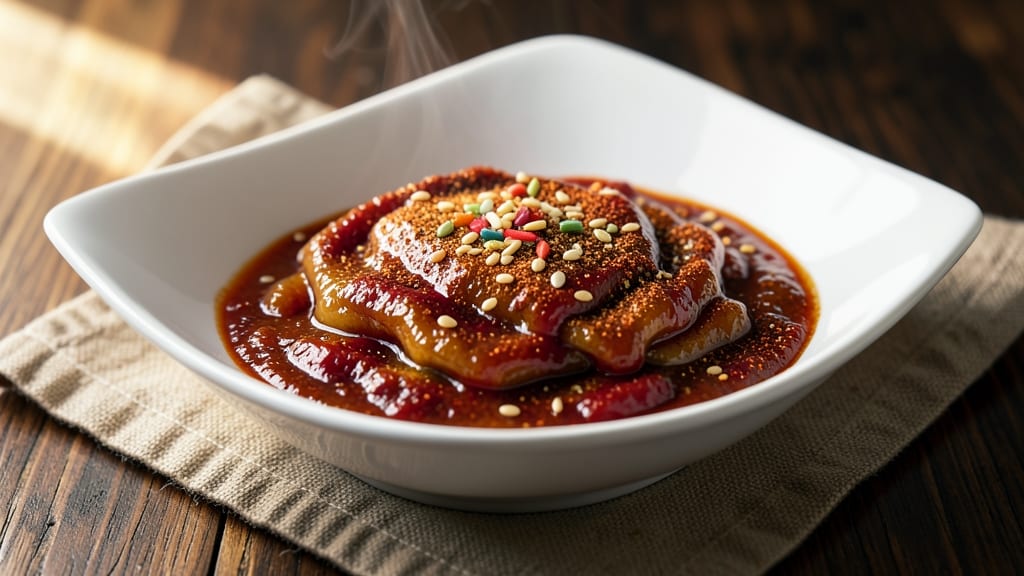
This atomic wings sauce recipe delivers the kind of bold, tangy heat that turns ordinary wings into a crowd-pleasing sensation. 🔥 The secret lies in balancing vinegar's sharp bite with smoky spices and a touch of sweetness—creating a sauce that clings to every crispy bite without overpowering the flavor.
I developed this recipe after years of perfecting the art of sauce consistency, ensuring it's sticky enough to coat but not so thick it becomes gloppy.
The magic happens when you simmer vinegar, hot sauce, and spices into a fragrant base, then blend in a smooth, velvety finish. What sets this sauce apart is its versatility—it works on wings, fries, or even as a marinade for grilled meats.
The tangy-sweet profile cuts through richness while delivering a slow-building heat that lingers.
By the time you're done, you'll have a sauce that's restaurant-quality but far easier to make at home. It keeps well in the fridge for up to a week, so you can batch-prep for game days or spontaneous cravings.
The key is patience—letting flavors meld while you cook ensures depth that store-bought sauces can't match.
Drizzle generously over wings, toss with fries, or use as a marinade for chicken. The possibilities are endless, but the result is always the same: unforgettable flavor that turns simple foods into showstoppers. Let's make this sauce!
Ingredients for atomic sauce
Nine ingredients, one explosive sauce that transforms wings into a showstopper.
| Ingredient | Amount | Notes |
|---|---|---|
| White Vinegar 🍶 | ½ cup | Distilled white preferred |
| Hot Sauce 🌶️ | ½ cup | Frank's RedHot or similar |
| Brown Sugar 🍚 | ¼ cup | Packed light, not packed |
| Smoked Paprika 🌶️ | 1 tbsp | Smoked for depth of flavor |
| Garlic Powder 🧄 | 1 ½ tsp | Fresh ground preferred |
| Onion Powder 🧅 | 1 tsp | For aromatic base |
| Ground Black Pepper 🌶️ | ½ tsp | Freshly cracked preferred |
| Cayenne Pepper 🔥 | ½ tsp | Adjust for heat preference |
| Ketchup 🍅 | ¼ cup | For tangy-sweet balance |
| Honey 🍯 | 1 tbsp | Wildflower preferred |
The vinegar is non-negotiable here—it's the backbone of that signature tang. Distilled white vinegar has the cleanest bite, but apple cider vinegar works too if you're feeling adventurous. For the hot sauce, Frank's RedHot—it's got that perfect balance of heat and tang. The brown sugar might seem like a small amount, but trust me, it's crucial for that caramelized depth. Penzeys or bulk bins at Whole Foods are great spots for spices if you want to splurge, but the regular grocery store stuff works just fine. Just make sure your smoked paprika isn't past its prime—it should smell rich and smoky, not dusty.
No hot sauce? Substitute with extra cayenne plus a splash of lemon juice—it won't be identical, but you'll still get heat. Running low on honey? Maple syrup works in a pinch, though it'll add a slightly different depth. The ketchup might seem odd, but it's what gives this sauce that perfect tangy-sweet balance. If you're avoiding sugar, you can reduce the brown sugar to 2 tablespoons and add an extra tablespoon of honey to compensate. For the spices, if you've got whole spices, toast them lightly in a dry pan first—it deepens the flavor instantly.
This sauce keeps beautifully—up to 1 week in the fridge—so make a double batch for game day. Store it in a sealed jar, and give it a good shake before using since the spices settle. The flavor actually improves after the first day as everything melds together. For leftovers, drizzle it over fries, use it as a marinade for grilled chicken, or even toss it with roasted potatoes. Freeze for up to 3 months if you're prepping for a big event, but let it thaw in the fridge overnight for the best texture.
Why You'll Love This Recipe
- Here’s what sold me: that perfect push-and-pull of flavors. The brown sugar caramelizes just enough to mellow the vinegar’s bite, but the hot sauce sneaks in with a fiery punch that lingers. Add a splash of water, and it’s smooth enough to drizzle over eggs or toss with roasted veggies—no one will guess it’s this simple.
- I’ll be real: this sauce costs me pennies to make. A bottle of vinegar lasts months, the spices are already in my cabinet, and the sugar? Well, you’re probably buying it anyway. Make a double batch—it keeps for weeks in the fridge, and I’ve frozen it in ice cube trays for quick single-use portions. Budget-friendly doesn’t get much better than this.
Step-by-step instructions for atomic wings sauce
This sauce delivers bold, balanced heat that clings to every crispy bite. Let's make it together.
🍳 Step 1: Whisk Together the Wet Ingredients
In a medium saucepan, combine the 0.5 cup white vinegar, 0.5 cup hot sauce, 0.25 cup ketchup, and 1 tbsp honey. Stir them gently with a wooden spoon until fully blended. I like to use a saucepan with sloped sides—it makes stirring easier and prevents spills when the mixture starts to bubble.
Here's the thing—this combination of tangy vinegar, spicy hot sauce, and sweet honey creates the perfect foundation. The vinegar cuts through the richness of the wings, while the honey balances the heat. Let the mixture sit for 2 minutes while you gather the dry ingredients. This short pause lets the flavors begin to meld before we add the spices.
👨🍳 Step 2: Add Dry Spices and Brown Sugar
With the saucepan over medium-low heat, sprinkle in the 0.25 cup packed brown sugar, 1 tbsp smoked paprika, 1.5 tsp garlic powder, 1 tsp onion powder, 0.5 tsp ground black pepper, and 0.5 tsp cayenne pepper. Stir constantly for 1-2 minutes until the brown sugar dissolves completely and the spices are fully incorporated.
Don't rush this step—you want every grain of sugar to dissolve and every spice to bloom. I like to give it a taste at this point (careful, it's hot!) to check the balance. If it's too sweet, we'll adjust later. If it's too spicy, we can tone it down with a splash of vinegar. The smoked paprika adds that signature depth, while the cayenne brings the heat that makes this sauce atomic.
🔥 Step 3: Simmer Until Thick and Glossy
Increase the heat to medium and let the sauce simmer gently for 10-12 minutes, stirring occasionally. You're looking for it to reduce slightly and become thicker—almost syrupy. The sauce should coat the back of a spoon and have a glossy sheen. If it starts to bubble too vigorously, reduce the heat to low to prevent scorching.
This simmering step is crucial. It deepens the flavors and creates that perfect consistency—thick enough to cling to wings but still pourable. Real talk: if it gets too thick too fast, add 1-2 tablespoons of water to loosen it up. The sauce should be smooth, not grainy, and have a rich, aromatic smell that makes your mouth water.
⏰ Step 4: Taste and Adjust for Balance
Remove the sauce from heat and let it cool for 5 minutes. Taste it carefully—you're aiming for a perfect balance of tangy, sweet, smoky, and spicy. Here's where you might need to adjust: if it's too sweet, add 1-2 tablespoons of vinegar; if it's too spicy, stir in ½ teaspoon of honey or a pinch of sugar. I usually need to add just a splash of vinegar to cut through the richness.
Once you're happy with the flavor, transfer the sauce to a clean jar or airtight container. It'll keep in the refrigerator for up to 2 weeks, though I promise you won't have any leftovers. This sauce is magical on wings, but it's also fantastic as a marinade for meats, a dipping sauce for fries, or even a glaze for grilled vegetables. The possibilities are endless!
Pro Tips For Making Atomic Sauce
- STIR CONSTANTLY AT FIRST: The first 2 minutes after adding vinegar and hot sauce are where the reaction happens—don’t walk away. I learned this the hard way when I left mine unattended and ended up with a lumpy, uneven sauce that tasted like separate ingredients rather than a cohesive glaze.
- MEASURE SUGAR BY VOLUME: That ¼ cup of brown sugar? Use a measuring cup, not a spoon. Packed vs. loose brown sugar changes the ratio dramatically, and you’ll either end up with a sauce that’s too sweet or not sweet enough to balance the acidity. Trust me, the 10-second extra saves you from second-guessing later.
- DILUTE THE VINEGAR FIRST: Mix the white vinegar with half the water before adding it to the pot. This prevents a sudden spike in acidity that can make the sauce taste harsh and unbalanced. I was skeptical until I tried it—now it’s non-negotiable for me.
- USE FRESH GARLIC POWDER: That jar of garlic powder sitting in your pantry for a year? Toss it. Old garlic powder loses its punch and adds a dull, papery note to the sauce. Buy a small jar and keep it in the freezer—it’ll last longer and taste brighter. Yes, even if you’re impatient like me.
Essential equipment for this dish
Saucepan Essentials
A medium saucepan with sloped sides is my go-to for this recipe—it gives me enough room to stir without spills while preventing the sauce from boiling over. I recommend a 3-quart stainless steel saucepan like the All-Clad Stainless for even heat distribution and durability.
If you're on a budget, a Cuisinart MultiClad works perfectly too. Avoid nonstick pans—they can't handle the simmering heat without warping flavors. 🔥
Mixing Tools
Use a wooden spoon for stirring—it won’t scratch your pan and adds a subtle flavor. For blending the wet ingredients, a whisk helps dissolve the brown sugar faster. I keep a OXO Good Grips whisk in my kitchen because it’s lightweight and easy to clean.
If you prefer electric, an immersion blender (like Magic Bullet) works well for smoothing out any lumps after simmering.
Heat Control
Precision matters here! A kitchen thermometer ensures you maintain medium-low heat during the spice addition and medium heat for simmering. I use a Thermoworks Thermapen, but even a basic Oster Digital thermometer does the trick.
Never let the sauce boil—this sauce is all about gentle reduction. If it starts to bubble too fast, immediately reduce to low heat or remove from heat for 1 minute to cool slightly.
Storage Containers
Transfer your finished sauce to an airtight glass jar or container for storage—I love Le Parfait glass jars because they’re microwave-safe and stackable. For freezer storage, use a freezer-safe plastic container with a tight seal (like Rubbermaid Brilliance).
Leave 1-inch headspace to prevent expansion cracks. Label with the date—this sauce tastes best within 2 weeks refrigerated or 3 months frozen.
Adjustment Tools
Keep a small bowl of vinegar and honey nearby for balancing flavors. A measuring spoon set (like OXO Good Grips) ensures precise adjustments. For heat testing, I use a small tasting spoon—never your main stirring spoon!
If you’re making this sauce for a crowd, consider a large ladle for easy serving. A fine-mesh strainer also helps if you prefer a smoother texture by removing any undissolved spice particles.
Optional Upgrades
For a smoother finish, blend the cooled sauce with an immersion blender or transfer to a high-speed blender (like Vitamix) for 10 seconds. If you love smoky depth, toast the smoked paprika in a dry pan for 1 minute before adding it—this intensifies its flavor dramatically.
For a glossy sheen, add 1 teaspoon of cornstarch mixed with 1 tablespoon water at the end and simmer for 1 minute to thicken further.
Nutrition facts
Frequently asked questions
Can I make this sauce without vinegar?
The vinegar is essential for that signature tangy kick, but you can substitute with lemon juice or apple cider vinegar if needed. For every 0.5 cup of vinegar, use 0.4 cup lemon juice—it won't be identical, but you'll still get that bright acidity. Just know the flavor will be slightly less bold.
How spicy is this sauce, and can I adjust the heat?
The cayenne and hot sauce deliver noticeable heat, but it's balanced with sweetness and tang. For milder heat, reduce the cayenne to ¼ teaspoon or swap half the hot sauce for extra ketchup. If you love spice, add ½ teaspoon more cayenne or a dash of chili flakes while simmering.
What’s the best way to use leftover sauce?
This versatile sauce works on wings, fries, grilled chicken, or even as a marinade for steak. For extra flavor, simmer it with 1 tbsp butter for 2 minutes before drizzling. It also makes a killer dipping sauce for spring rolls or a glaze for roasted veggies—just thin with a splash of water if needed.
Why did my sauce turn out too thick?
If your sauce thickens too fast, it likely reduced too much. Stir in 1-2 tablespoons of water while simmering to loosen it. For future batches, simmer at medium-low heat and check consistency every 5 minutes. If you prefer a glossier finish, blend in ½ teaspoon cornstarch mixed with 1 tbsp water at the end.
Can I freeze this sauce, and how do I thaw it?
Yes! Freeze in an airtight container with 1-inch headspace for up to 3 months. Thaw overnight in the fridge—never at room temperature. If it thickens after thawing, stir in 1 tbsp water and reheat gently. The texture may separate slightly, but a quick whisk restores smoothness.