
Sauces & Condiments
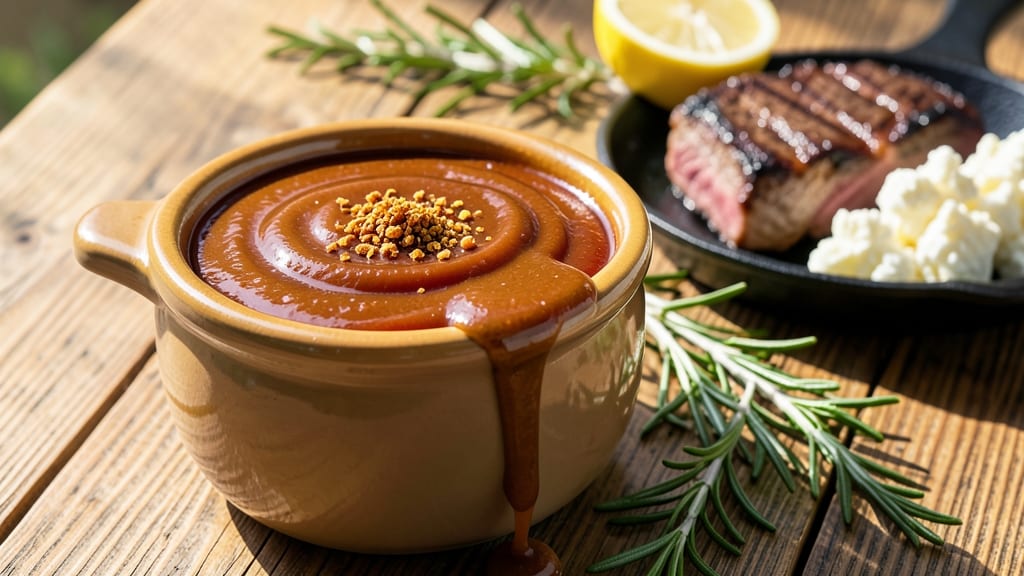
This Atkins barbecue sauce recipe delivers all the smoky-sweet flavor you love without the sugar crash, making it perfect for low-carb diets. The secret lies in erythritol and apple cider vinegar, which create that signature tang and depth while keeping carbs in check.
I developed this version after craving real BBQ flavor without the guilt—it’s become my go-to for grilling, marinating, or dipping.
The sauce starts with a rich base of tomato paste and vinegar, balanced by warm spices like smoked paprika and garlic powder. Unlike store-bought versions, this one skips the high-fructose corn syrup and refined sugar, using erythritol for sweetness without the carb spike.
The result is a thick, glossy sauce with layers of smoky, slightly sweet, and tangy notes that coat every bite.
What sets this apart is its versatility—use it as a marinade for chicken or ribs, a glaze for grilled vegetables, or a dipping sauce for low-carb veggies.
The ingredients come together in just 15 minutes, and the sauce thickens beautifully as it simmers, creating that perfect consistency for basting or drizzling. It also stores well in the fridge for up to 2 weeks, so you can make a big batch and enjoy it all week.
Whether you're following Atkins, keto, or simply watching your sugar intake, this sauce proves you don’t have to sacrifice flavor for health. The smoky-sweet profile is so satisfying, even non-low-carb eaters won’t notice the difference. Let’s get cooking—your next BBQ just got a whole lot better.
Ingredients for atkins barbecue sauce
Low-carb staples with bold smoky-sweet flavor—no sugar crash here.
| Ingredient | Amount | Notes |
|---|---|---|
| Tomato Paste 🍅 | ½ cup | High-quality, no sugar added |
| Apple Cider Vinegar 🍎 | ½ cup | Raw, unfiltered preferred |
| Erythritol 🍬 | ½ cup | Granulated, for sweetness |
| Smoked Paprika 🌶️ | 2 tbsp | High-quality, for smoky depth |
| Garlic Powder 🧄 | 1 tbsp | Freshly ground preferred |
| Onion Powder 🧅 | 1 tbsp | For savory base |
| Mustard Powder 🥬 | 1 tsp | Dry, for tang |
| Ground Black Pepper 🌶️ | ½ tsp | Freshly ground |
| Salt 🧂 | 1 tsp | Kosher or sea salt |
| Water 💧 | ½ cup | For thinning if needed |
The tomato paste is your flavor anchor—Muir Glen plain or similar is my go-to, no sugar added. Apple cider vinegar gives that signature tang, so grab raw, unfiltered if you can find it. Erythritol is the secret weapon here—it mimics sugar’s texture and caramelization without the carb spike. WholesaleSupplement or Lakanto brands work perfectly. For the smoked paprika, Penzeys or the bulk bins at Whole Foods give you the deepest flavor. Freshly ground spices make a difference, but pre-ground works in a pinch.
No erythritol? Allulose or monk fruit sweetener works at a 1:1 ratio. Skip the vinegar? Lemon juice or balsamic vinegar adds brightness instead. Mustard powder giving you trouble? Dijon mustard at half the amount gives you that tangy kick. The sauce thickens as it cools, so if it feels too thick right away, add a splash of water. Pro tip: Simmer uncovered to reduce it faster if needed. For extra smokiness, add a dash of liquid smoke (just 1/2 tsp).
This sauce keeps beautifully—2 weeks in the fridge sealed tightly. For longer storage, freeze in ice cube trays, then transfer to a bag. Thaws perfectly and reheats well. I always double the batch—one for grilling, one for dipping. The flavors deepen overnight, so making it ahead is a must. If you're using it as a marinade, reserve some for basting—it disappears fast.
Why You'll Love This Recipe
- Pantry Magic: I swear by this sauce—no special trips to the store, just what you’ve got. The tomato paste thickens it perfectly, while the apple cider vinegar cuts through the sweetness of erythritol in a way that’s actually balanced.
- Smoky Kick: That smoked paprika? It’s the secret weapon. A single teaspoon gives it depth without overpowering, and the garlic powder ties it all together with a warmth that lingers. Honestly, it’s the kind of flavor you’ll reach for again and again.
- Weeknight Hero: Slap this on grilled chicken, roasted veggies, or even scrambled eggs—it’s my go-to for lazy nights. The best part? It doubles easily, so I make a big batch and freeze half for when I’m too tired to cook.
- Budget-Smart Swap: Store-bought low-carb sauces cost a fortune, but this runs me under $2 for a full jar’s worth. Plus, the erythritol keeps it sweet without the sugar crash, so I can drizzle it on everything without guilt. (Yes, even on a Tuesday night.)
Step-by-step instructions for low-carb barbecue sauce
Here's how to make a rich, smoky sauce that fits perfectly into your low-carb lifestyle.
Bloom the Spices in Tomato Paste
Place a medium saucepan over medium heat and add the 0.5 cup tomato paste. Stir constantly for 2-3 minutes until it begins to darken slightly and release its deep, concentrated flavor. This step develops the sauce's foundation and helps distribute the spices evenly.
Next, whisk in the 2 tbsp smoked paprika, 1 tbsp garlic powder, 1 tbsp onion powder, 1 tsp mustard powder, 0.5 tsp ground black pepper, and 1 tsp salt. Stir for another 1 minute to fully incorporate the spices into the paste. You'll notice the mixture becomes fragrant and takes on a rich, reddish hue—this is where the sauce's signature flavor begins to develop.
Add Sweetness and Acid
Reduce the heat to low and carefully pour in the 0.5 cup erythritol and 0.5 cup apple cider vinegar. Stir well to combine, making sure the erythritol dissolves completely. The vinegar will create a slight bubbling effect as it reacts with the tomato paste—this is normal and helps break down the sauce's texture.
Let the mixture simmer gently for 5 minutes, stirring occasionally. You'll see the sauce begin to thicken slightly as the erythritol integrates and the flavors meld together. Here's the thing—don't rush this step. The slow simmer allows the vinegar's acidity to mellow while the erythritol develops its sweetness without any sugar crash.
Thin and Finish the Sauce
Add the 0.5 cup water and stir once more. The sauce should now have a smooth, pourable consistency. If it's thicker than you'd like, add 1-2 tablespoons more water at a time until you reach your desired thickness. For a glossy finish, simmer uncovered for another 3-4 minutes to allow any excess moisture to evaporate.
Taste and adjust seasoning if needed—this is your chance to fine-tune the balance between sweet, smoky, and tangy. I usually add a pinch more smoked paprika for depth or a splash of vinegar if it needs more acidity. The sauce should be rich, slightly thick, and perfectly balanced without any overpowering sweetness.
Cool and Store
Remove the sauce from heat and let it cool to room temperature. As it cools, you'll notice it thickens slightly—this is normal and actually improves its texture. Transfer the sauce to a clean glass jar or airtight container and store it in the refrigerator for up to 2 weeks.
This sauce works beautifully on grilled meats, baked chicken, or even as a dip for low-carb veggies. The best part? You get all the smoky sweetness of traditional barbecue sauce without the sugar spike. The erythritol keeps it low-carb while maintaining that classic tangy depth.
Pro Tips For Making Atkins Barbecue Sauce
- Simmer Slow and Low: I learned this the hard way—when I rushed the sauce on high heat, it turned bitter and cloying. For this recipe, keep it at a gentle boil (around 180°F/82°C) for 20-25 minutes, stirring occasionally. That’s the sweet spot to let the erythritol dissolve evenly and the smoked paprika’s flavor meld without burning.
- Bloom the Spices First: Skip the urge to toss everything in at once. Heat a splash of vinegar in the pan first, then add the smoked paprika and garlic powder. Let them sizzle for 30 seconds—they’ll release their aroma and deepen the flavor. (Yes, even if you’re impatient like me.)
- Dissolve the Erythritol Properly: This isn’t sugar—it won’t melt like you’d expect. Mix the erythritol with a tablespoon of tomato paste before adding liquid, then whisk it into the vinegar while simmering. Stir like you’re trying to win an arm-wrestling match with the sauce. If it clumps, strain it out later; no one wants gritty barbecue.
- Use Real Vinegar, Not Substitutes: Apple cider vinegar isn’t just for tang—it’s the backbone of this sauce. The acidity cuts through the sweetness and balances the smokiness. I was skeptical until I tried it: cheap white vinegar leaves a harsh aftertaste, and balsamic adds unwanted thickness. Stick with the real deal.
Wine and beer pairings for these flavors
Dry Red Wine Pairings
A bold Cabernet Sauvignon from Napa Valley is my go-to pairing—its rich dark fruit and tannins stand up beautifully to the sauce's smoky depth. The acidity in the wine cuts through the sauce's richness while enhancing the smoked paprika notes.
I recommend a 2018 or newer vintage with at least 14% alcohol to match the sauce's intensity. 🍷
For a lighter option, try a Syrah from Washington State. The peppery notes in Syrah complement the black pepper and mustard powder in the sauce, creating a harmonious balance. Look for a bottle with 13-14% alcohol and medium tannins to avoid overpowering the delicate sweetness of the erythritol.
Crisp White Wine Options
If you prefer white wine, a dry Riesling from Germany offers a surprising match. The wine's mineral notes and slight tartness enhance the apple cider vinegar in the sauce, while its acidity keeps the erythritol from feeling cloying.
Opt for a Kabinett or Spätlese with 8-10% alcohol for a refreshing contrast.
Another excellent choice is a Sauvignon Blanc from New Zealand. The citrus and herbal notes in the wine complement the garlic powder and onion powder in the sauce, creating a bright, refreshing pairing. Choose a bottle with 12-13% alcohol and noticeable acidity to balance the sauce's richness.
Beer Pairings
A hazy IPA from Oregon is a fantastic beer pairing—its juicy hop flavors and slight bitterness complement the sauce's smoky-sweet profile. The Citrus and tropical notes in the beer enhance the apple cider vinegar and erythritol, creating a well-rounded flavor experience.
Look for a 6-7% ABV beer with moderate bitterness to avoid overpowering the sauce.
For a lighter beer option, try a Belgian Witbier. The corianander and orange peel notes in the beer add a refreshing contrast to the sauce's smoky depth. The 4-5% ABV and crisp acidity make it a perfect match for grilled meats or as a dipping sauce companion.
Non-Alcoholic Options
For a refreshing non-alcoholic pairing, try sparkling water infused with a splash of lemon juice and a pinch of smoked salt. The effervescence cleanses your palate between bites, while the lemon juice enhances the sauce's tangy notes. Serve it chilled in a copper mug for an elegant touch. 💧
Alternatively, a ginger beer with 1-2% alcohol (or non-alcoholic) adds a spicy kick that pairs wonderfully with the sauce's smoky depth. The ginger's heat complements the black pepper and mustard powder, creating a dynamic flavor combination that's both refreshing and satisfying.
Nutrition facts
Frequently asked questions
Can I use this sauce on vegetables instead of meat?
This sauce works beautifully on roasted or grilled vegetables like zucchini, bell peppers, or eggplant. The smoky-sweet flavor pairs especially well with charred veggies. Just toss them in the sauce during the last 5-10 minutes of cooking to avoid making them soggy.
How do I adjust the sweetness if erythritol isn't available?
If you don't have erythritol, try allulose or monk fruit sweetener at a 1:1 ratio. For a more natural option, use 1-2 tablespoons of honey or maple syrup, but note this will add 4-8 grams of carbs per tablespoon. Start with less and taste as you go—you can always add more sweetness but can't take it out.
Will this sauce thicken more when reheated?
Yes, the sauce naturally thickens as it cools and reheats. If it becomes too thick after reheating, simply add 1-2 tablespoons of water or apple cider vinegar and stir until smooth. The texture should be glossy and pourable, not gluey. For best results, reheat gently on low heat while stirring constantly.
Can I make this sauce spicier?
Add 1/2 teaspoon of cayenne pepper or a pinch of red pepper flakes for heat. For a smoky-spicy kick, include 1/2 teaspoon of chipotle powder along with the smoked paprika. Always start with less and adjust to taste—spices intensify as the sauce sits.
How do I prevent the sauce from sticking to my grill or pan?
To avoid sticking, always preheat your grill or pan to medium-high heat and oil it well before adding food. For extra protection, brush the surface with a thin layer of neutral oil like avocado or grapeseed oil. If using the sauce as a marinade, let it sit on the meat for 30-60 minutes before grilling to help form a flavorful crust.