
Sauces & Condiments
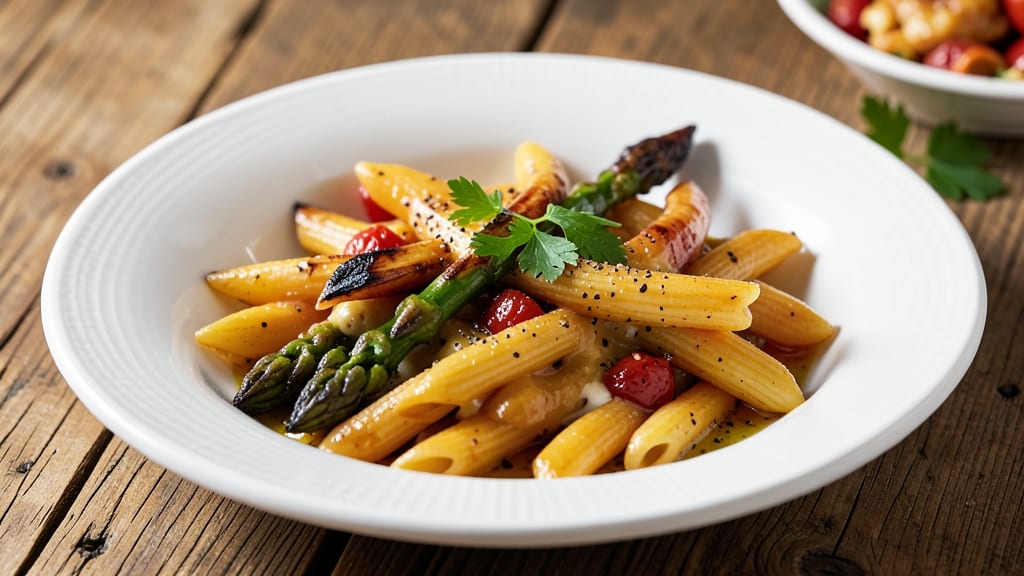
This asparagus pasta sauce recipe transforms humble ingredients into a creamy, earthy masterpiece that elevates any weeknight dinner. The secret lies in balancing tender asparagus with rich tomato sauce, creating a velvety texture that coats every strand of pasta perfectly.
I developed this recipe after years of experimenting with spring vegetables, and it never fails to impress—even with picky eaters.
The foundation is a simple tomato sauce, but what makes it special is the asparagus. Sautéed until just tender, the bright green spears infuse the sauce with their natural sweetness while maintaining a satisfying crunch.
The sauce thickens beautifully when stirred into the pasta water, creating that signature creamy consistency without heavy cream. This technique ensures each bite delivers perfect al dente pasta with rich, flavorful sauce clinging to it.
What you'll end up with is a restaurant-quality dish that's surprisingly simple to prepare. The asparagus adds freshness and visual appeal, while the tomato base provides depth and richness. The sauce is creamy enough to feel luxurious but light enough to keep the meal balanced.
This recipe works equally well with penne, fettuccine, or spaghetti—just adjust the cooking time to achieve that ideal al dente texture.
The best part? This dish comes together in under 30 minutes, making it perfect for busy weeknights. Serve with a sprinkle of fresh parsley and a side of garlic bread for the full dining experience.
The combination of bright asparagus and rich tomato sauce creates a flavor profile that's both comforting and sophisticated—exactly what you need when you want to impress without spending hours in the kitchen.
Ingredients for asparagus pasta sauce
Twelve ingredients transform into restaurant-quality asparagus pasta sauce that's creamy, vibrant, and effortlessly elegant.
| Ingredient | Amount | Notes |
|---|---|---|
| Fresh Asparagus Spears 🌿 | 1 lb | Trimmed, tough ends removed |
| Canned San Marzano Tomatoes 🍅 | 1 can | 28 oz, crushed by hand |
| Garlic Cloves 🧄 | 4 cloves | Minced, fresh preferred |
| Extra-Virgin Olive Oil 🫒 | ½ cup | High quality, fruity |
| Heavy Cream 🥛 | ½ cup | Full-fat for richness |
| Penne Pasta 🍝 | 12 oz | Dry weight, al dente texture |
| Fresh Parsley 🌿 | ¼ cup | Chopped, for garnish |
| Red Pepper Flakes 🌶️ | ½ tsp | Adjust for heat preference |
| Diamond Crystal Kosher Salt 🧂 | 1 ½ tsp | For seasoning and pasta water |
| Black Pepper 🌶️ | ½ tsp | Freshly ground preferred |
| Fresh Lemon Juice 🍋 | 1 tbsp | Brightens the sauce |
| Grated Parmesan Cheese 🧀 | ½ cup | Freshly grated from block |
| Butter 🧈 | 2 tbsp | Unsalted, for pasta water |
The asparagus is your star ingredient—look for bright green, firm spears with tightly closed tips. Whole Foods or your local farmers market have the freshest cuts, but any grocery store asparagus works if it's not wilted. Trim the tough ends (about 1 inch) before using. For the tomatoes, San Marzano cans are non-negotiable—they're sweeter and less acidic than regular canned tomatoes. The garlic should be freshly minced (pre-minced loses flavor fast), and the olive oil needs to be extra-virgin—the good stuff that makes your nose twitch when you open the bottle.
No fresh asparagus? Frozen asparagus works in a pinch, but thaw it first and pat dry. Short on heavy cream? Half-and-half or coconut milk keeps it creamy (though texture changes slightly). The pasta can be any shape—penne, fettuccine, or spaghetti all work, but penne holds the sauce best. For extra depth, toast the garlic in olive oil for 30 seconds before adding tomatoes—this brings out its sweetness. The red pepper flakes are optional but add a nice kick; start with half the amount and adjust to taste.
This sauce reheats beautifully—just add a splash of water or pasta water to loosen it. Keeps for 4-5 days in the fridge, though it's best within 2 days for peak freshness. For meal prep, cook the pasta separately and toss with sauce when ready to eat. The asparagus wilts fast, so add it last minute if reheating. Freezes well for up to 3 months if you want to make a big batch—just thaw in the fridge overnight.
Why You'll Love This Recipe
- Here’s what sold me: the San Marzano tomatoes simmer down into a velvety base, then the heavy cream kicks in for that rich-but-not-heavy texture. Add a splash of pasta water, and suddenly, you’ve got a sauce that clings to every noodle like it’s been there forever.
- No Chopping Chaos: I swear by the asparagus—just trim the woody ends, snap the rest, and toss in whole. That’s it. No dicing, no julienning, just clean, bright spears that melt into the sauce like magic.
- Creamy-Tomato Magic: Here’s what sold me: the San Marzano tomatoes simmer down into a velvety base, then the heavy cream kicks in for that rich-but-not-heavy texture. Add a splash of pasta water, and suddenly, you’ve got a sauce that clings to every noodle like it’s been there forever.
- Leftover Hero: Between us, this sauce begs to be made extra. The flavors only deepen overnight, so I double the batch and freeze half—perfect for lazy nights when I’m staring at a sad fridge. Just reheat, toss with fresh pasta, and boom: dinner saved.
Step-by-step instructions for earthy asparagus pasta sauce
This sauce delivers velvety tomato creaminess with vibrant asparagus—simple steps for restaurant-quality results.
Roast Asparagus for Sweet, Concentrated Flavor
Preheat oven to 425°F. Trim the tough ends from the 1 lb fresh asparagus spears and toss them with 1 tablespoon of the extra-virgin olive oil, ½ teaspoon of the kosher salt, and ¼ teaspoon of the black pepper. Roast on a baking sheet for 12-15 minutes until tender with slightly charred tips—this caramelization deepens the asparagus flavor.
Here's the thing—roasting concentrates the natural sweetness of asparagus while adding a subtle smokiness that pairs perfectly with the tomato sauce. If you're impatient, you might be tempted to cut the time, but wait until the asparagus yields slightly when pressed with tongs. Remove from oven and set aside, reserving the roasting juices in the pan.
Build the Tomato Base with Garlic and Asparagus
In a large skillet, heat 1 tablespoon of the remaining extra-virgin olive oil over medium heat. Add the 4 minced garlic cloves and sauté for 30 seconds until fragrant—don't let them brown or they'll turn bitter. Pour in the 1 can crushed San Marzano tomatoes and the reserved asparagus roasting juices.
Bring to a gentle simmer and cook uncovered for 8-10 minutes until the sauce thickens slightly and the raw tomato flavor mellows. Stir in the roasted asparagus and cook for another 3 minutes to infuse the sauce with their earthy sweetness. This is where the magic happens—the tomatoes develop depth while absorbing the asparagus's vibrant character.
Create the Creamy Sauce with Lemon and Spice
Reduce heat to medium-low and stir in the ½ cup heavy cream, ½ teaspoon red pepper flakes, and 1 tablespoon fresh lemon juice. Simmer gently for 5 minutes until the sauce thickens to a luxurious consistency—it should coat the back of a spoon without being gluey. Taste and adjust seasoning with the remaining 1 teaspoon kosher salt and ¼ teaspoon black pepper.
The lemon juice brightens the rich tomato-cream combination, while the red pepper flakes add just enough heat to wake up your palate. If the sauce looks too thick, add 1-2 tablespoons water to reach your ideal consistency. Real talk: this is the moment that matters—balance all those flavors so each bite sings with harmony.
Cook the Pasta and Finish with Parmesan
Bring a large pot of water to a rolling boil, adding the 2 tablespoons butter and 1 teaspoon kosher salt (yes, it looks like too much, but trust me). Cook the 12 oz penne pasta until 1 minute before al dente—it'll finish cooking in the sauce. Reserve ½ cup pasta water before draining.
Add the drained pasta to the skillet with the sauce and toss vigorously for 1-2 minutes until well coated. If needed, add reserved pasta water 1 tablespoon at a time to loosen the sauce. Finish with the ½ cup grated Parmesan cheese and the ¼ cup chopped fresh parsley, tossing until evenly distributed. The cheese should melt into a glossy finish while the parsley adds fresh brightness.
Serve Immediately with Extra Garnishes
Transfer the asparagus pasta to serving plates and garnish with additional chopped parsley and a sprinkle of red pepper flakes for those who crave extra heat. The sauce should cling beautifully to each strand of pasta, with visible asparagus pieces adding texture and color. Serve with a side of crusty bread to soak up every last bit of that creamy tomato-asparagus goodness.
This dish shines when served immediately—each bite delivers the perfect marriage of earthy asparagus, velvety tomato cream, and bright lemon notes. Don't skip the garnishes; they elevate the presentation and add that final layer of flavor complexity that makes this sauce extraordinary.
Pro Tips For Making Asparagus Pasta Sauce
- CHAR THE ASPARAGUS FIRST: Blanch the asparagus spears in boiling salted water for exactly 2 minutes before adding them to the sauce—this softens the tough ends while keeping the tips crisp. I learned this the hard way after biting into a forkful of rubbery asparagus that ruined the whole dish.
- PEEL THE TOMATO SKINS: San Marzano tomatoes are sweet, but their skins can turn slimy when cooked down. Run the canned tomatoes through a food mill or strain them to remove skins—this keeps the sauce silky and prevents that unappealing texture. (Yes, it’s extra work, but the difference is noticeable.)
- SWEAT THE GARLIC LOW: Cook the minced garlic in olive oil over the lowest possible heat until it’s just golden, not browned—this prevents bitterness that’ll overpower the asparagus and cream. I used to rush this step and wondered why my sauce tasted off.
- STIR IN THE CREAM LAST: Add the heavy cream only after the tomatoes have reduced by half and the asparagus is tender—this keeps the sauce from splitting or curdling. If you add it too early, you’ll end up with a broken, grainy mess. (Trust me, I’ve tried.)
Regional styles of this asparagus pasta sauce
Italian Spring Version
In Italy, this sauce transforms into a lighter, spring-inspired dish called Pasta all'Asparago. Instead of heavy cream, Italians use ½ cup whole milk or ¼ cup cream mixed with 1 tablespoon mascarpone cheese for a delicate creaminess.
Add 1 sprig fresh basil while simmering the sauce for a classic Italian touch. Garnish with toasted pine nuts and extra Parmesan for a restaurant-worthy presentation. 🌿
French Béchamel Twist
For a French-inspired take, replace the tomato base with a rich béchamel sauce made from 2 tablespoons butter, 2 tablespoons flour, and 1 cup warm milk.
Stir in ½ cup grated Gruyère cheese for depth, then fold in the roasted asparagus and a splash of white wine. Finish with chives and a sprinkle of nutmeg for warmth. This version pairs beautifully with fettuccine and feels luxurious without heavy cream. ✨
Southern U.S. Tomato-Cream Fusion
In the American South, this sauce becomes a creamy tomato-asparagus skillet dish with a smoky kick. Swap the heavy cream for ½ cup chicken broth and add 1 teaspoon smoked paprika to the tomato base.
Stir in ½ cup cooked andouille sausage, crumbled, for depth. Top with crispy fried shallots and a dash of hot sauce for a bold, hearty meal that feels like comfort food. 🔥
Mediterranean Herb Variation
For a Mediterranean flair, infuse the sauce with 1 teaspoon dried oregano and ½ teaspoon fennel seeds while cooking the tomatoes. Add ¼ cup chopped kalamata olives and 2 tablespoons capers for briny contrast.
Finish with lemon zest and a sprinkle of crumbled feta instead of Parmesan. This version works perfectly with orzo pasta and feels fresh yet satisfying. 🌊
Vegetarian Protein Boost
To make this a complete protein dish, stir in ½ cup cooked white beans or crumbled tofu at the end. For extra texture, add ¼ cup toasted breadcrumbs mixed with 1 tablespoon nutritional yeast for a cheesy, crunchy topping.
This version is ideal for meat-free meals but still delivers rich, satisfying flavors. 💚
Seasonal Winter Adaptation
When asparagus is out of season, swap it for shitake mushrooms or fennel bulbs, sliced thin. Roast the mushrooms at 400°F for 10 minutes with olive oil and garlic until caramelized. The earthy umami replaces asparagus beautifully, making this dish hearty enough for winter dinners. 🍄
Nutrition facts
Frequently asked questions
Can I use frozen asparagus instead of fresh?
Yes, but with a few adjustments! Thaw frozen asparagus first and pat it completely dry before roasting. Since frozen asparagus is often pre-cut, you may want to trim the ends slightly more than usual. The texture will be slightly softer than fresh, but it still works beautifully in the sauce—just add it to the skillet with the tomatoes and cook for an extra 2 minutes to infuse flavor.
How do I make this sauce without heavy cream?
No problem! For a lighter version, replace the heavy cream with ½ cup whole milk or ¼ cup coconut milk for a dairy-free option. To maintain creaminess, add 1 tablespoon cornstarch mixed with 2 tablespoons water to the simmering sauce and stir until thickened. The sauce will be slightly less rich but still delicious—just add a splash of pasta water if needed to loosen it.
What pasta shape works best with this sauce?
This sauce clings beautifully to penne, fettuccine, or spaghetti, but the best choices are ridged pasta shapes like penne or rigatoni. The ridges help the creamy sauce cling to each strand, while the hollow centers trap extra flavor. For a fun twist, try farfalle (bow-tie pasta) or gemelli (twisted pasta) for a more elegant presentation.
Why did my sauce turn out too thick?
This usually happens when the sauce simmers too long or the pasta water isn't added properly. To fix it, simply stir in 1-2 tablespoons of reserved pasta water or a splash of warm water while tossing the pasta. If the sauce is still too thick, thin it with a bit more liquid and simmer gently for another 1-2 minutes. For prevention, always keep the sauce at a gentle simmer—not a rolling boil—and add pasta water gradually as needed.
Can I make this sauce ahead of time?
This sauce actually tastes even better the next day. Store it in an airtight container in the fridge for up to 4 days. When reheating, add a splash of water or pasta water to loosen the sauce. For best texture, cook the pasta fresh and toss it with the reheated sauce just before serving. If you want to make it even ahead, freeze the sauce (without pasta) for up to 3 months—just thaw it in the fridge overnight before using.