
Sauces & Condiments
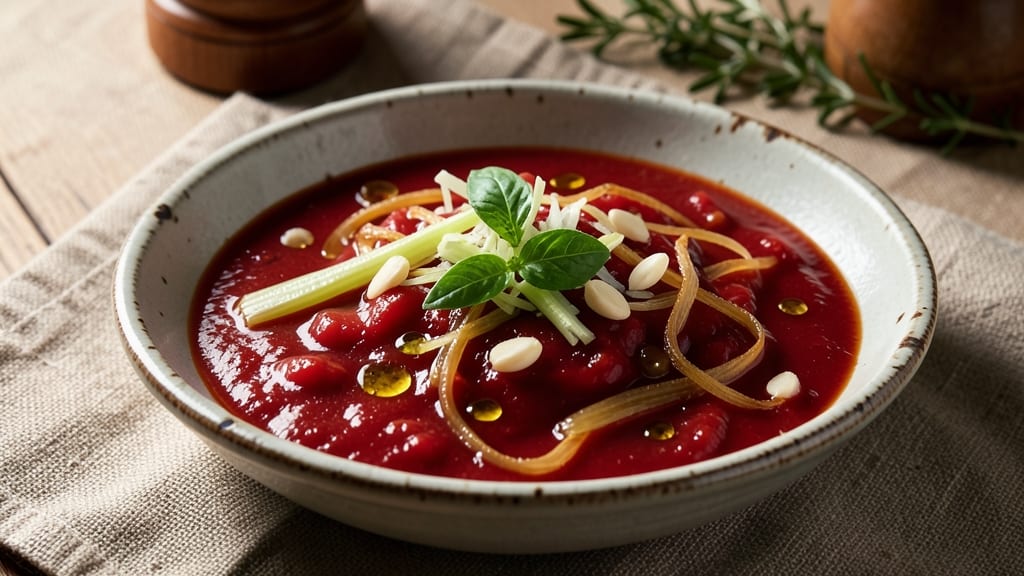
This Asian tomato sauce recipe transforms humble tomatoes into a complex, umami-rich sauce with smoky garlic, crisp celery crunch, and a bright vinegar zing. The secret lies in balancing sweet tomatoes with aromatic shallots, fresh ginger, and a touch of fish sauce for depth—no heavy cream or complicated techniques required.
What starts as a simple simmer evolves into a versatile sauce that elevates stir-fries, noodles, or even grilled meats with restaurant-quality flavor.
The magic happens through slow reduction, where the sauce thickens into a glossy, slightly sticky consistency with just the right balance of tang and sweetness. A sprinkle of toasted sesame seeds at the end adds texture, while a final splash of rice vinegar brightens the flavors without overpowering.
Unlike traditional tomato sauces, this version stays light yet packed with layers—smoky from garlic, crisp from celery, and umami-rich from the soy-fish sauce blend.
What makes this sauce special is its versatility—use it as a stir-fry base, a noodle dipping sauce, or a glaze for grilled proteins. It keeps well in the fridge for up to a week, allowing flavors to deepen over time.
The recipe delivers professional results with minimal effort, proving that bold Asian flavors don’t require complicated techniques. Ready to transform your next meal?
Perfect for weeknight dinners or meal prep, this sauce turns simple ingredients into something extraordinary. The combination of fresh herbs, aromatic vegetables, and umami-rich seasonings creates a profile that’s both familiar and exciting. Let’s get started—your taste buds will thank you.
Ingredients for asian tomato sauce
Transform simple tomatoes into an umami-rich sauce with smoky depth and crisp celery crunch.
| Ingredient | Amount | Notes |
|---|---|---|
| San Marzano Whole Canned Tomatoes 🍅 | 28 oz | Crushed by hand for texture |
| Shallots 🧅 | 4 whole | Minced for aromatic depth |
| Garlic Cloves 🧄 | 6 cloves | Smoked garlic preferred for depth |
| Fresh Ginger 🌿 | 1 ½ tbsp | Finely grated, not powdered |
| Extra-Virgin Olive Oil 🫒 | ½ cup | High-quality, fruity variety |
| Celery Stalk 🧅 | 2 whole | Finely diced for crunch |
| Fish Sauce 🍶 | 1 tbsp | Red Boat brand recommended |
| Soy Sauce 🍶 | 1 ½ tbsp | Dark soy for color depth |
| Rice Vinegar 🍶 | 1 tbsp | For bright acidity finish |
| Toasted Sesame Seeds 🥜 | 1 tbsp | For final texture contrast |
| Diamond Crystal Kosher Salt 🧂 | ½ tsp | Adjust to taste |
| Fresh Cilantro 🌿 | ¼ cup | Chopped, for fresh finish |
The tomatoes are the foundation, but quality matters—San Marzano delivers the sweet, meaty texture that stands up to the bold flavors. Whole canned tomatoes let you control the crushing, which creates better texture than pre-crushed. Shallots and garlic should be freshly minced—pre-minced jarred garlic lacks the aromatic punch. For ginger, freshly grated beats powdered any day, adding a bright, peppery note. Celery adds that signature crunch; organic celery from the store's produce section stays crisp longer than conventional. If you're short on time, pre-cut celery sticks work too, but fresh is ideal for that authentic texture.
No fish sauce? Extra soy sauce plus a dash of Worcestershire mimics the umami depth, though it won't be identical. Substituting dark soy for regular soy adds color but won't replicate fish sauce's complexity. Fresh ginger powdered? Use half the amount—it's concentrated. The rice vinegar is crucial for that bright zing; apple cider vinegar works in a pinch but has a different profile. Toasted sesame seeds can be swapped for white sesame seeds, though they'll lack the nutty depth. For a vegetarian version, replace fish sauce with coconut aminos—it's the closest plant-based alternative, though the flavor will differ slightly.
This sauce thickens as it cools, so store it in a sealed jar with a thin layer of olive oil on top to preserve freshness. Keeps in the fridge for up to 1 week, with flavors deepening over time. For longer storage, freeze in ice cube trays—perfect for portion control. Reheat gently on the stove, stirring occasionally, until warmed through. The sauce reheats beautifully, making it ideal for meal prep. If it thickens too much, add a splash of water or vinegar to loosen it back up.
Why You'll Love This Recipe
- Same sauce, endless uses: toss it with noodles for a 15-minute dinner, drizzle it over grilled fish, or slather it on toast with a fried egg. Even my picky uncle asked for the recipe after one bite. (Yes, even on a Tuesday night.)
- Five-Ingredient Magic: The pantry staples here—San Marzano tomatoes, a couple shallots, garlic, ginger—are all things I already have on hand. No specialty shopping, no stressing over hard-to-find items. Just chop, simmer, and let the sauce work its own spell.
- Umami Bomb: That first bite? The ginger and garlic caramelize into something deep—not sweet, not spicy, but this perfect, savory punch that sticks with you. Honestly, I’ve made tomato sauce before, but this one actually makes me reach for seconds.
- Weeknight to Dinner Party: Same sauce, endless uses: toss it with noodles for a 15-minute dinner, drizzle it over grilled fish, or slather it on toast with a fried egg. Even my picky uncle asked for the recipe after one bite. (Yes, even on a Tuesday night.)
Step-by-step instructions for Asian tomato sauce
This method builds layers of smoky depth and bright acidity through precise timing and technique.
Prepare the Aromatic Base
Heat the 0.5 cup extra-virgin olive oil in a heavy-bottomed saucepan over medium-low heat. Add the 4 whole minced shallots, 6 cloves minced garlic cloves, and 1.5 tablespoons finely grated fresh ginger. Cook for 5-6 minutes until the shallots soften and become translucent without browning.
The key here is patience—rushing causes the aromatics to burn, which creates bitter flavors instead of sweet, nutty depth. You'll know it's ready when the mixture smells intensely fragrant and the shallots release their moisture. Keep the heat consistent; if it smokes, reduce to medium-low immediately.
Build the Sauce Foundation
Add the 28 oz San Marzano whole canned tomatoes (crushed by hand) and 2 whole finely diced celery stalks to the pan. Stir well to combine, then increase heat to medium-high. Bring to a gentle boil, then immediately reduce to medium-low heat. Partially cover and simmer for 20 minutes, stirring occasionally.
During this time, the tomatoes will break down and release their natural sweetness. You'll notice the sauce thickens slightly and develops a rich, ruby-red color. This is where the tomato's natural acidity begins to mellow, creating the perfect balance for the bold flavors we'll add next. Skim off any foam that rises to the surface to keep the sauce clean.
Add Umami and Acid Balance
Stir in the 1 tablespoon fish sauce, 1.5 tablespoons soy sauce, and 1 tablespoon rice vinegar. Simmer uncovered for an additional 15 minutes until the sauce reduces by about one-third and coats the back of a spoon. Taste and adjust the 0.5 teaspoon Diamond Crystal kosher salt as needed—this is where the sauce comes together.
The fish sauce adds deep umami complexity, while the rice vinegar provides that crucial bright acidity that prevents the sauce from becoming heavy. The soy sauce contributes both color and savory depth. Here's the thing—don't be afraid to taste as you go. The sauce should be balanced: sweet from the tomatoes, salty from the sauces, with a subtle tang from the vinegar. If it needs more acidity, add another ½ teaspoon rice vinegar; if it's too sharp, a pinch more salt helps round it out.
Finish with Texture and Freshness
Remove the saucepan from heat and stir in the 1 tablespoon toasted sesame seeds and 0.25 cup chopped fresh cilantro. Let the sauce sit off heat for 5 minutes to allow the flavors to meld completely. The sesame seeds add a nutty crunch that contrasts beautifully with the smooth tomato base, while the cilantro brings freshness that cuts through the richness.
This final step is where the sauce transforms from good to extraordinary. The sesame seeds should be evenly distributed—give it a quick stir to ensure they're not all clustered together. The cilantro will wilt slightly as it incorporates into the warm sauce, releasing its bright, citrusy notes. For best results, serve immediately while the sauce is still vibrant and the flavors are at their peak.
Pro Tips For Making Asian Tomato Sauce
- CRUSH SHALLOTS COLD: Grab a microplane or knife and shred those shallots raw—no cooking first. I used to sauté them until soft, but they turn bitter and lose their bright, sharp edge. Just toss them straight into the oil with garlic and ginger; they’ll mellow into the sauce without overpowering it.
- PEEL GINGER FAST: Run the ginger root under hot water for 30 seconds first, then use a spoon to scrape off the skin. Sounds weird, but it works: the heat softens the skin so it peels like a banana. Skip the tedious scrubbing—your sauce will thank you later.
- SIMMER LOW AND SLOW: After crushing tomatoes, reduce heat to a bare simmer (think tiny bubbles, not rolling). I learned this the hard way—high heat turns the sauce cloudy and dull. Let it cook uncovered for 20-25 minutes; the liquid will reduce naturally, concentrating the flavor.
- SWAP OLIVE OIL HALFWAY: Start with olive oil for the aromatics, but once tomatoes hit, add 1 tablespoon of neutral oil (like avocado or grapeseed) to prevent bitterness. Olive oil’s low smoke point can make the sauce taste harsh if pushed too far—this keeps it balanced without sacrificing depth.
Flavor customization for this dish
Smoky Heat Boost
For an extra smoky kick, add ½ teaspoon smoked paprika when sautéing the aromatics or swap ½ cup of the tomatoes with fire-roasted crushed tomatoes for built-in smokiness.
If you love charred flavors, lightly char 1 clove garlic and ½ celery stalk directly over a gas flame before mincing and adding to the sauce. This technique adds a deep, caramelized depth that elevates the entire dish. 🔥
Sweet-Tangy Twist
Balance the umami with a touch of sweetness by adding 1 tablespoon honey or agave syrup during the final 15-minute reduction. For extra tang, increase the rice vinegar to 2 tablespoons or add ½ teaspoon lime zest at the end.
A splash of mango nectar (about 1 tablespoon) also works beautifully, adding a tropical brightness that pairs perfectly with the smoky undertones.
Spicy Kick Options
Add heat with 1-2 teaspoons of chili crisp or Sichuan chili oil stirred in during the last 5 minutes of cooking. For a fresher option, blend 1-2 fresh Thai bird’s eye chilies (seeds removed for less heat) into the sauce at the end.
If you prefer dried chilies, add ½ teaspoon crushed dried red pepper flakes along with the fish sauce. Adjust to taste—start with less and add more gradually.
Herb Variations
Swap out the cilantro for Thai basil or Italian parsley for a different herbal profile. For a more complex finish, add 1 teaspoon chopped mint leaves or ½ teaspoon dried oregano at the end.
If you love fresh herbs, try ½ cup chopped cilantro + 1 tablespoon chopped Thai basil for a fragrant, aromatic twist that bridges East and West flavors beautifully.
Umami Depth Upgrades
Boost umami with 1 teaspoon miso paste (white or red) stirred in during the final reduction. For a deeper savory note, add 1 tablespoon oyster sauce or ½ teaspoon MSG (if you’re sensitive to sodium, reduce the soy sauce slightly).
A splash of 1 teaspoon coconut aminos also adds a subtle sweetness that complements the tomatoes. These upgrades make the sauce even more complex without overpowering the bright, fresh flavors.
Nutrition facts
Frequently asked questions
Can I make this sauce without fish sauce?
Yes! For a vegetarian version, replace the 1 tablespoon fish sauce with 1 tablespoon soy sauce plus 1 teaspoon coconut aminos. The sauce will still have depth, though the umami profile will differ slightly. For a non-vegetarian alternative, try 1 tablespoon Worcestershire sauce—it adds a similar savory complexity. Adjust salt levels afterward since these substitutes contain more sodium.
How spicy should this sauce be?
The base recipe is mild, but you can easily adjust the heat. For a subtle kick, add ½ teaspoon crushed red pepper flakes with the fish sauce. Want more heat? Stir in 1 teaspoon chili crisp or blend in 1 fresh Thai chili (seeds removed) at the end. Start with less—you can always add more, but you can't take it out!
Can I use fresh tomatoes instead of canned?
Fresh tomatoes work, but they require extra prep. Use 1.5 pounds ripe tomatoes (peeled, seeded, and chopped) and simmer uncovered for 30-40 minutes to reduce them properly. Canned tomatoes are ideal because they're consistent in flavor and texture, but fresh ones add a brighter acidity. If using fresh, add an extra ½ teaspoon rice vinegar to balance the flavors.
How long will this sauce keep, and can I freeze it?
Store the sauce in an airtight container in the fridge for up to 1 week, where flavors actually deepen over time. For longer storage, freeze in ice cube trays (perfect for portion control) or a sealed container for up to 3 months. Thaw overnight in the fridge and reheat gently on the stove, stirring occasionally. The texture may thicken slightly after freezing—thin with a splash of water or vinegar if needed.
What are the best ways to use this sauce?
This versatile sauce works as a stir-fry base, noodle dipping sauce, or glaze for grilled meats. Try it with shrimp or chicken stir-fries, drizzled over ramen or udon noodles, or as a marinade for tofu or pork skewers. It also makes an excellent dip for spring rolls or fresh vegetables. The celery crunch adds texture, so it's perfect for dishes where you want both flavor and bite!