
Sauces & Condiments
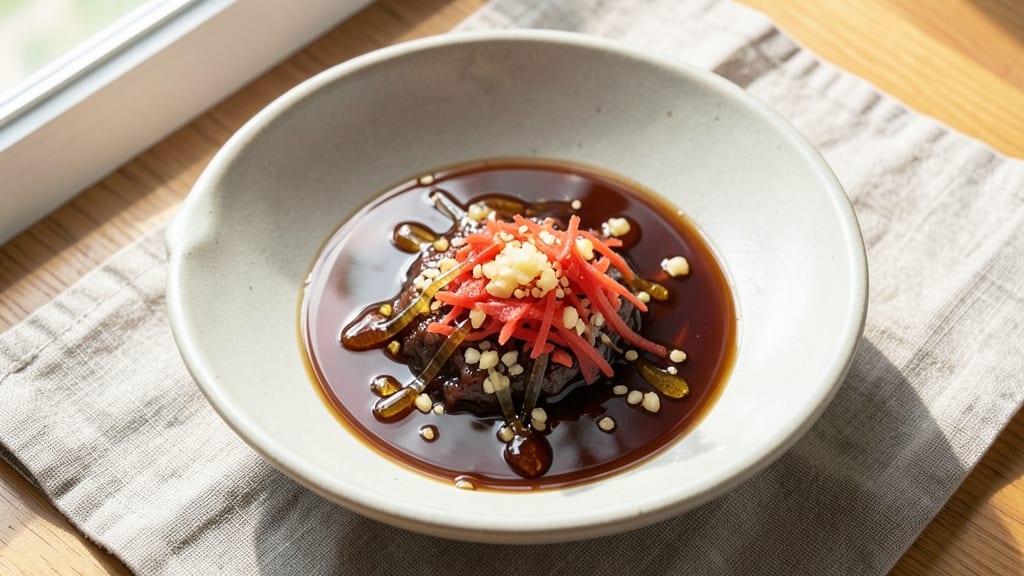
This Asian style sauce recipe transforms ordinary stir-fries into restaurant-quality meals with just a few simple ingredients. The secret lies in balancing umami-rich soy sauce with aromatic sesame oil, fresh ginger, and garlic—creating a sauce that's versatile enough for dipping, marinating, or glazing proteins and vegetables.
I developed this after years of testing, and it never fails to elevate dishes with its perfect blend of savory, slightly sweet, and nutty depth.
The foundation of this sauce is a combination of soy sauce, rice vinegar, and a touch of honey—a trio that builds layers of flavor without overpowering the natural taste of your food. Fresh ginger and garlic add warmth and complexity, while sesame oil contributes that signature nutty aroma.
What makes this sauce truly special is its ability to adapt: use it as a quick marinade for chicken or tofu, a dipping sauce for spring rolls, or a glaze for grilled vegetables. The result is always bold, balanced, and impossible to resist.
What you’ll end up with is a smooth, glossy sauce that clings beautifully to everything it touches, enhancing rather than overwhelming. The key to success is letting the flavors meld for at least 30 minutes before using it—this allows the ingredients to harmonize into a cohesive, deeply flavorful sauce.
Once you try this, you’ll never reach for store-bought again.
This sauce keeps well in the refrigerator for up to a week, making it perfect for meal prep. For even longer storage, add a splash of vinegar to extend its shelf life.
Whether you're cooking for a crowd or prepping for the week ahead, this versatile sauce will become your new kitchen staple.
Ingredients for asian style sauce
Nine simple ingredients transform any stir-fry into a restaurant-worthy dish.
| Ingredient | Amount | Notes |
|---|---|---|
| Soy Sauce 🥢 | ½ cup | Use light or dark for preference |
| Rice Vinegar 🍶 | ¼ cup | White or seasoned variety |
| Sesame Oil 🫒 | 2 tbsp | Toasted for authentic aroma |
| Fresh Ginger 🧄 | 2 tbsp | Finely grated, peel included |
| Garlic Cloves 🧄 | 3 cloves | Minced for smooth texture |
| Honey 🍯 | 2 tbsp | For subtle sweetness |
| Sesame Seeds 🌾 | 1 tbsp | Toasted for garnish |
| Cornstarch 🌾 | 1 tsp | For thickening consistency |
| Water 💧 | 2 tbsp | For cornstarch slurry |
| Red Pepper Flakes 🌶️ | ½ tsp | Optional for heat |
The soy sauce is your flavor anchor—Kikkoman or Lee Kum Kee are my go-tos, but any good-quality brand works. Rice vinegar adds brightness, so grab the seasoned kind from Trader Joe's if you want extra depth right off the bat. Sesame oil is non-negotiable for that nutty aroma, but only add 1 tbsp now—reserve the second for finishing. Fresh ginger and garlic? Buy them whole—they keep longer and taste better than pre-minced. The honey should be pure, nothing with fillers. Toast your sesame seeds in a dry pan for 30 seconds—they’ll smell amazing and add crunch.
No sesame oil? Toasted peanut oil at half the amount works in a pinch (though it’s not traditional). Substitute honey with maple syrup or agave if you’re avoiding it. For extra umami without soy, add 1 tsp fish sauce (though this isn’t vegetarian). The cornstarch slurry is key for that glossy finish—mix it well to avoid lumps. Want it spicier? Double the red pepper flakes. No fresh ginger? Substitute 1 tsp ground ginger, but fresh is always better. If your sauce is too thin after simmering, add another 1/2 tsp cornstarch mixed with water.
This sauce keeps for 1 week in the fridge, sealed tightly. For longer storage, freeze in ice cube trays—perfect for single-use portions. The flavor actually improves after 24 hours as everything melds. Need to thin it out later? Add a splash of water or vinegar. Always finish with a drizzle of sesame oil and a sprinkle of toasted sesame seeds—that’s when it becomes magical. Double the batch if you’re prepping for the week; it’s that good.
Why You'll Love This Recipe
- Pantry Magic: I swear by this sauce—no specialty shopping required. Just reach for soy sauce, vinegar, and a jar of sesame oil you probably already own. Honestly, the only prep is mincing garlic and grating ginger, which takes less time than scrolling through your phone.
- Umami Bomb: That first hit of garlic and ginger sizzling in sesame oil? Pure flavor payoff. The rice vinegar cuts through the richness while the soy sauce adds depth—it’s the kind of balance that makes you reach for seconds without thinking.
- Endless Pairings: Slather it on grilled chicken, toss it with noodles, or drizzle it over steamed veggies. I’ve even used it as a marinade for tofu or a quick glaze for roasted potatoes. Between us, it’s my secret weapon for turning simple meals into something special.
- Budget Workhorse: A little goes a long way, and it keeps for weeks in the fridge. I make a big batch on Sundays so I’m never stuck ordering takeout when I’m too tired to cook. Plus, the ingredients cost pennies compared to store-bought sauces.
Step-by-step instructions for Asian style sauce
Here's how to create a perfectly balanced sauce that brings bold umami and vibrant flavors to any dish.
Prepare the Aromatics and Sweetener
In a small bowl, finely grate the 2 tablespoons of fresh ginger using a microplane or fine grater. Peel the 3 cloves of garlic and mince them into a paste using a knife or garlic press. This ensures the flavors distribute evenly throughout the sauce. I like to add the ginger and garlic to a small saucepan and let them sit for 2 minutes over low heat—just enough to release their natural oils and fragrance without cooking.
In a separate small bowl, whisk together the 2 tablespoons of honey with the 0.5 cup of soy sauce and 0.25 cup of rice vinegar. This mixture should look smooth and slightly syrupy. Taste it now—you'll notice a perfect balance of sweet, tangy, and salty flavors. This is the foundation of your sauce, so take a moment to appreciate how these simple ingredients come together.
Combine and Simmer the Base
Add the ginger and garlic mixture to the saucepan with the honey-soy-vinegar blend. Stir over medium heat for 3-4 minutes until the mixture begins to bubble gently. You'll see the aromatics soften slightly, and the sauce will start to thicken just a bit. This step is where the flavors meld together—don't rush it. The sauce should smell rich and inviting, with a deep umami aroma from the soy sauce and a bright, fresh note from the vinegar.
Reduce the heat to low and let the sauce simmer for another 5 minutes. This slow cooking allows the flavors to develop fully without burning. If the sauce starts to look too thick, add 1 tablespoon of water at a time until it reaches a smooth, pourable consistency. You want it to coat the back of a spoon but still flow easily—this ensures it clings beautifully to stir-fries or dips.
Thicken and Finish the Sauce
In a small bowl, whisk together the 1 teaspoon of cornstarch with the 2 tablespoons of water to create a smooth slurry. This is your thickening agent, and it's crucial for achieving that perfect glossy finish. Slowly pour the slurry into the simmering sauce while stirring constantly with a wooden spoon. The sauce will begin to thicken almost immediately—keep stirring for 1-2 minutes until it reaches a velvety consistency.
Remove the sauce from heat and stir in the 2 tablespoons of sesame oil and 0.5 teaspoon of red pepper flakes. The sesame oil adds a nutty depth, while the red pepper flakes bring a subtle heat that brightens the entire sauce. Taste and adjust the seasoning if needed—you might want to add a pinch more soy sauce for saltiness or a touch more honey for sweetness. Let the sauce cool slightly before using it, as this allows the flavors to fully settle.
Garnish and Serve
Transfer the sauce to a serving bowl or small pitcher. Sprinkle the 1 tablespoon of toasted sesame seeds on top just before serving. These seeds add a delightful crunch and a final aromatic touch. The sauce is now ready to use—it's perfect for drizzling over stir-fries, dipping spring rolls, or tossing with noodles. If you're not using it immediately, store it in an airtight container in the refrigerator for up to 5 days, or freeze it for up to 3 months for later use.
This sauce is incredibly versatile. Use it as a marinade for meats, a glaze for roasted vegetables, or even a flavorful dip for fresh vegetables or dumplings. The balance of sweet, salty, tangy, and umami makes it a crowd-pleaser every time. Enjoy the process—it's all about the little details that make this sauce shine!
Pro Tips For Making Asian Style Sauce
- Low and Slow for Ginger: If you blast that ginger and garlic, you’ll be fighting bitter, sharp flavors instead of warm, aromatic ones. Simmer them on the lowest heat you can stand—just until they’re soft enough to mash with the back of a spoon, not until they’re browned or crispy.
- Salt the Soy Sauce First: Taste your soy sauce before mixing—it’s often saltier than you’d think. Add a pinch of sugar (½ tsp) or a splash of water (1 tsp) to balance it if needed. This saves you from overcompensating later with extra vinegar or oil.
- Strain the Sesame Oil: Skip the fancy strainer—just pour the sesame oil through a folded paper towel into a small bowl before adding it to the sauce. This catches any sediment that’ll make your sauce look cloudy, not silky.
- Toast the Garlic Whole: I used to mince garlic first, but toasting whole cloves in the dry pan for 30 seconds—until they smell nutty—gives way more flavor without burning. Smash them flat with a knife after to release the oils, then add them to the sauce.
Common mistakes when making this dish
Over-Simmering the Base
One of the most common mistakes is letting the sauce simmer too long before thickening. When you cook the ginger and garlic for more than 5-6 minutes before adding the cornstarch slurry, they can turn bitter and overpower the delicate balance of flavors.
I’ve ruined perfectly good sauces this way—always keep an eye on the clock. The goal is to develop flavor, not burn the aromatics. 🔥
Skipping the Slurry
Some home cooks try to thicken the sauce by simply adding more cornstarch directly to the pot. This creates lumps and an uneven texture. The key is making a smooth cornstarch slurry with water first—this ensures a glossy, velvety finish.
I’ve seen recipes where people just sprinkle cornstarch in, and the sauce ends up looking grainy. Always whisk the cornstarch with water before adding it.
Using Low-Quality Ingredients
Not all soy sauces are created equal, and cheap brands can make your sauce taste flat or overly salty. I recommend using Kikkoman or Lee Kum Kee for that authentic depth. The same goes for sesame oil—using a cheap, rancid version will ruin the nutty aroma.
Fresh ginger and garlic are non-negotiable too; pre-minced or dried versions lack the bright, fresh flavor you need. Invest in good ingredients, and your sauce will shine.
Adding Sesame Oil Too Early
Sesame oil has a low smoke point, so adding it too early can cause it to burn and create a bitter taste. Always add the 2 tablespoons of sesame oil at the very end, just before serving or storing.
This preserves its delicate, toasty aroma. I’ve made this mistake before—once, my sauce ended up tasting like burnt peanut butter instead of the rich, nutty flavor I wanted. 🌶️
Ignoring the Resting Time
Rushing to use the sauce immediately after making it means missing out on flavor development. Let it sit for at least 30 minutes (or overnight) to allow the ingredients to fully meld.
I’ve tasted sauces right after making them, and they always taste flat compared to the same sauce after resting. Patience is key—this is where the magic happens.
Forgetting to Taste and Adjust
Many recipes don’t emphasize tasting the sauce at each stage, but this is crucial. After combining the soy sauce, vinegar, and honey, taste it—you might need to adjust the balance. The same goes after simmering and after adding the sesame oil.
I always keep a small bowl of water nearby to cleanse my palate between tastes. A little more soy sauce, honey, or vinegar can make all the difference.
Nutrition facts
Frequently asked questions
Can I make this sauce without sesame oil?
Yes, but the flavor will be different. Use 1 tablespoon of toasted peanut oil instead—it adds a similar nutty aroma, though not identical. For a completely oil-free version, omit it entirely and focus on enhancing other flavors with extra garlic or a splash of fish sauce for umami depth.
How can I adjust the sweetness level?
The honey provides subtle sweetness, but you can easily modify it. For less sweetness, reduce honey to 1 tablespoon or swap it for 1 teaspoon of maple syrup. For extra sweetness, add 1 more tablespoon of honey or a pinch of sugar. Taste after simmering to perfect the balance.
Is this sauce gluten-free?
Only if you use gluten-free soy sauce. Regular soy sauce contains gluten, but tamari provides the same umami without it. For a fully gluten-free version, substitute tamari for soy sauce and ensure all other ingredients (like vinegar) are certified gluten-free.
Can I make this sauce spicier?
Add 1 teaspoon of sriracha or 1/2 teaspoon of chili flakes for heat. For extra depth, include 1/2 teaspoon of gochujang (Korean chili paste) during the simmer. Always taste first—spice levels vary widely between brands.
How do I use this sauce in a stir-fry?
Add 2-3 tablespoons of sauce to your stir-fry during the last 1-2 minutes of cooking. For extra gloss, toss in 1 teaspoon of water before adding the sauce. The sauce will thicken as it cooks, creating a beautiful glaze. For best results, use it on proteins like chicken, shrimp, or tofu.