
Sauces & Condiments
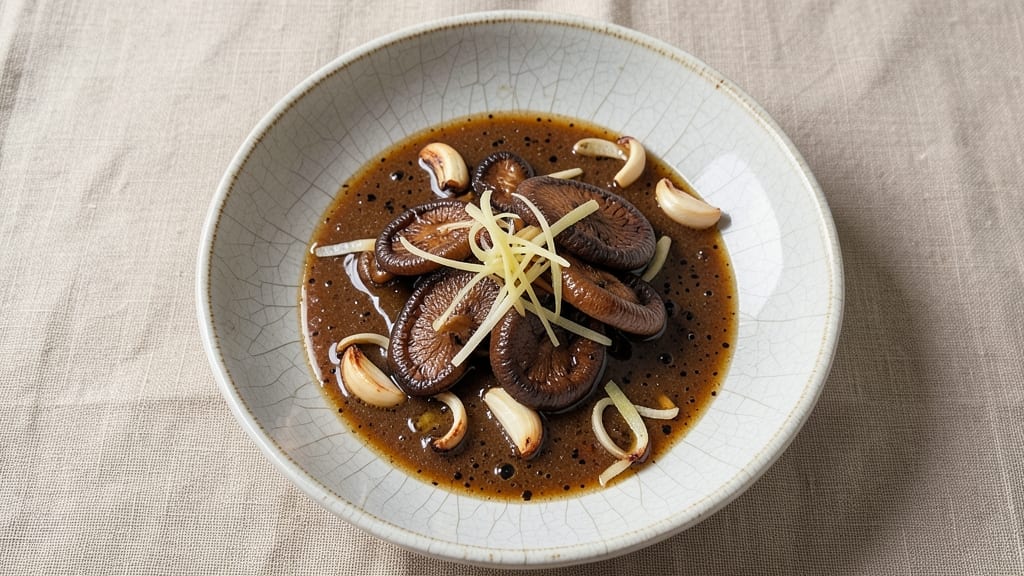
This Asian mushroom sauce recipe transforms simple stir-fries into restaurant-quality meals with deep umami flavor in just 15 minutes. The secret lies in simmering shiitake mushrooms with aromatic garlic, ginger, and soy sauce until they release their earthy essence, creating a rich, velvety glaze that clings perfectly to noodles or proteins. I developed this sauce after years of testing—it’s the kind of condiment that elevates every dish it touches, from quick weeknight dinners to elegant dinner parties.
The beauty of this sauce is its versatility. Use it as a stir-fry glaze, noodle dressing, or dipping sauce for dumplings—each application highlights its complex flavors. The mushrooms provide natural depth, while a touch of cornstarch thickens it just enough to coat ingredients without weighing them down.
Best of all, it keeps well in the fridge for up to a week, making it a pantry staple for home cooks who crave authentic Asian flavors without the fuss.
What sets this recipe apart is the balance of ingredients: the mushrooms deliver umami richness, soy sauce adds saltiness, and a splash of rice vinegar brightens the profile. The result is a sauce that’s bold yet refined, with a glossy finish that makes every bite feel special.
Whether you’re cooking for one or feeding a crowd, this sauce delivers restaurant-quality results with minimal effort.
Ready to transform your meals? This sauce is your secret weapon for adding depth and complexity to any dish. Let’s get started—your taste buds will thank you.
Ingredients for asian mushroom sauce
Nine simple ingredients unlock restaurant-quality umami in your stir-fry glaze.
| Ingredient | Amount | Notes |
|---|---|---|
| Dried Shiitake Mushrooms 🍄 | ½ cup | Rehydrated in warm water |
| Fresh Shiitake Mushrooms 🍄 | 4 whole | Stems removed, sliced thin |
| Garlic Cloves 🧄 | 4 cloves | Minced for aromatic depth |
| Fresh Ginger 🌿 | 1 tbsp | Finely grated, peeled |
| Soy Sauce 🍶 | ½ cup | Light or dark variety |
| Rice Vinegar 🍶 | 2 tbsp | For brightness and balance |
| Cornstarch 🌾 | 1 tbsp | Dissolved in 2 tbsp water |
| Sesame Oil 🫒 | 1 tbsp | Toasted for nutty aroma |
| Vegetable Oil 🫒 | 2 tbsp | For sautéing mushrooms |
| Sugar 🍯 | 1 tbsp | Balances acidity, optional |
The mushrooms are the heart of this sauce—shiitakes bring the deepest umami, but cremini or oyster mushrooms work too. For fresh shiitakes, grab them at Whole Foods or your local Asian market (they’ll be plump and firm). Dried shiitakes? Soak them in warm water for 20 minutes first—they’ll plump up and add extra richness. If you can’t find fresh, dried shiitakes are a must for that authentic earthy flavor. Skip the canned mushrooms—they’re waterlogged and lack depth. Look for mushrooms with tight caps and no slimy spots, and store them in a paper bag in the fridge for up to a week after slicing.
No shiitakes? Oyster mushrooms or cremini are your next best bet—they’ve got that meaty texture and mild umami. Running low on rice vinegar? Apple cider vinegar works in a pinch, but it’ll taste slightly sweeter. The cornstarch slurry is key for that glossy finish—don’t skip it! For extra depth, add a dash of fish sauce (if not vegetarian) or a pinch of miso paste. The sesame oil adds the final nutty punch, so toast it lightly in a dry pan for 30 seconds before adding—trust me, it makes a difference. If you’re making this ahead, the sauce actually tastes better the next day as the flavors meld.
This sauce keeps for up to 1 week in an airtight jar in the fridge, and it freezes beautifully for up to 3 months—just thaw overnight in the fridge. I like to make a double batch because it disappears fast. Store it in small jars so you can grab one for quick meals. The sauce thickens as it cools, so add a splash of water if it gets too stiff. Double-check your soy sauce—some brands are saltier than others, so taste as you go. A generous pinch of sugar at the end balances the acidity perfectly, but it’s optional if you prefer it tangier.
Why You'll Love This Recipe
- No-Soaking Needed: The dried shiitake soak is optional—just toss them in hot water for 10 minutes. That umami punch from the mushrooms? It’s the secret weapon here, and you don’t need to wait hours for it.
- Umami Bomb: Fresh and dried shiitake together create this deep, savory richness that clings to everything—rice, noodles, even eggs. I’ll be real: the first time I tasted it, I nearly licked the pan.
- Pantry to Plate: You’re probably already using these ingredients: garlic, ginger, soy sauce. Add a splash of water, simmer, and—boom—you’ve got a sauce that works for stir-fries, dumplings, or even drizzled over grilled meat.
- Leftovers That Shine: This sauce keeps for a week in the fridge and only gets better as the flavors meld. Freeze half if you’re not using it all—perfect for lazy nights when you need flavor without effort.
Step-by-step instructions for Asian mushroom sauce
This umami-packed sauce comes together faster than you can say "stir-fry night."
Rehydrate and Prep the Dried Shiitake Mushrooms
Place the 0.5 cup dried shiitake mushrooms in a small bowl and pour in enough warm water to cover them by about 1 inch. Let them soak for 10 minutes until they've absorbed the water and softened significantly. You'll know they're ready when they've expanded to about twice their original size and feel tender when squeezed gently.
While they soak, remove and discard the stems from the 4 whole fresh shiitake mushrooms, then slice them thinly against the grain. This creates delicate strands that'll cook quickly and distribute flavor evenly in your sauce. Keep both the rehydrated dried mushrooms and fresh slices separate for now—we'll use them at different stages.
Build the Flavor Base with Aromatics
Heat the 2 tablespoons vegetable oil in a medium saucepan over medium heat. Add the 4 cloves minced garlic and 1 tablespoon finely grated fresh ginger, stirring constantly for 30-45 seconds until the garlic becomes fragrant and just starts to turn golden. Be careful not to let it brown—burnt garlic will make the sauce bitter.
Add the sliced fresh shiitake mushrooms and cook for 4-5 minutes, stirring occasionally, until they've released their moisture and are beginning to soften. You'll see the mushrooms shrink slightly as they cook down. This step develops their earthy flavor and removes excess water that would dilute your sauce later.
Combine Wet Ingredients for Depth
Drain the rehydrated dried shiitake mushrooms, reserving the soaking liquid, then add them to the pan along with the 0.5 cup soy sauce, 2 tablespoons rice vinegar, and 1 tablespoon sugar. Stir well and bring the mixture to a gentle simmer over medium-low heat. Let it cook for 3-4 minutes, allowing the flavors to meld together.
Here's where the magic happens: Add the reserved mushroom soaking liquid, 1 tablespoon cornstarch dissolved in 2 tablespoons water, and reduce the heat to low. Stir constantly for 2-3 minutes until the sauce thickens to a glossy, coatable consistency. You're aiming for something like honey—thick enough to cling but still pourable. If it thickens too quickly, add a splash of water to adjust.
Finish with Nutty Sesame Oil
Remove the pan from heat and stir in the 1 tablespoon sesame oil. This adds a rich, toasty aroma that elevates the entire sauce. Taste and adjust seasoning if needed—you might want to add a pinch more salt or a splash of rice vinegar for brightness. The sauce should be perfectly balanced between umami, sweetness, and acidity.
Let the sauce sit for 5 minutes off the heat before using it. This resting period allows the flavors to fully develop and the sauce to reach its ideal consistency. For best results, use it immediately over stir-fried noodles, tofu, or grilled meats—it pairs beautifully with anything that needs that extra umami punch!
Pro Tips For Making Asian Mushroom Sauce
- SOAK DRY MUSHROOMS SEPARATELY: Dried shiitakes need a good 20-30 minutes in hot water to rehydrate properly—don’t toss them in with fresh mushrooms or they’ll turn to mush. Use two bowls: one for dried (soak, then slice), one for fresh (just wipe clean). I learned this after my first batch turned into a sad, slimy glop.
- MINCE GINGER LIKE YOU MEAN IT: Skip the grater—finely mince fresh ginger with a sharp knife. You want it almost paste-like, not just chopped bits. This releases more flavor into the sauce, especially when simmered. (Yes, it takes 30 seconds longer, but your sauce will taste like it came from a restaurant.)
- SWEAT GARLIC LOW AND SLOW: After adding garlic, drop the heat to medium-low and let it cook until it’s just golden—not brown. Burnt garlic makes the whole sauce bitter, and nobody wants that. Stir every 30 seconds and resist the urge to rush. (I know, I know—you’re eager to add the mushrooms.)
- DEGLAZE WITH SOY SAUCE LAST: If your pan has browned bits, splash in a little water or white wine first to lift them up before adding soy sauce. The sauce will be richer and less salty overall. Add soy sauce last—this keeps the color bright and balances the flavors better. (Trust me, your future self will notice the difference.)
Flavor customization for this dish
Spicy Kick
Add 1 teaspoon of chili crisp or ½ teaspoon of red pepper flakes when finishing the sauce for a fiery twist. For heat lovers, stir in 1 tablespoon of sambal oelek with the sesame oil.
I like to balance the spice with a touch more sugar—about ½ teaspoon extra—to prevent the heat from overwhelming the umami. This version works amazingly with grilled chicken or spicy noodles. 🌶️
Sweet and Tangy
Boost the sweetness by adding 1 tablespoon of honey or maple syrup alongside the sugar, then increase the rice vinegar to 3 tablespoons for extra tang. This variation shines with pork or tofu dishes.
For a fruity note, stir in 1 teaspoon of grated orange zest at the end. The sauce becomes almost glaze-like and pairs beautifully with roasted vegetables. 🍯
Creamy Miso Version
Replace half the soy sauce with 2 tablespoons of white miso paste and reduce the sugar to ½ tablespoon. Simmer the miso with the mushrooms for an extra 2 minutes to deepen its flavor.
Finish with 1 teaspoon of toasted sesame seeds for texture. This richer, creamier version works perfectly as a dipping sauce for dumplings or a glaze for grilled fish. 🍜
Herb-Infused Twist
Add 1 tablespoon of chopped cilantro or thai basil at the very end for a fresh, aromatic finish. For a more complex herb profile, stir in ½ teaspoon of dried shiitake powder (available at Asian markets) along with the dried mushrooms.
This variation elevates vegetable stir-fries and cold noodle salads. 🌿
Smoky Depth
Infuse the sauce with smokiness by adding ½ teaspoon of smoked paprika or 1 teaspoon of liquid smoke when combining the wet ingredients. For a more intense flavor, char 1 clove of garlic directly over a gas flame before mincing it.
This smoky version pairs exceptionally well with grilled meats or hearty stews. 🔥
Nutrition facts
Frequently asked questions
Can I make this sauce without dried shiitake mushrooms?
Yes! You can substitute with 2 extra fresh shiitake mushrooms or use oyster mushrooms for a similar texture. For maximum umami, add 1 teaspoon of mushroom powder (available at Asian markets) when combining wet ingredients. The sauce will still be delicious, though slightly less concentrated.
How long does this sauce keep in the fridge?
The sauce stays fresh for up to 1 week when stored in an airtight container. It actually improves overnight as flavors meld! For longer storage, freeze for up to 3 months. Thaw in the fridge before using—never microwave directly from frozen to preserve texture.
What's the best way to use leftover sauce?
This versatile sauce works as a stir-fry glaze, noodle dressing, or dipping sauce for dumplings. For extra richness, simmer with 1 tablespoon of butter or coconut milk before serving. It also makes an amazing marinade for 15 minutes before grilling chicken or tofu.
Why did my sauce turn out too thick?
This happens when the cornstarch slurry thickens too quickly. Next time, reduce heat to low and stir constantly. If it's already too thick, whisk in 1-2 teaspoons of water to adjust. For future batches, make the slurry with 1 tablespoon cornstarch + 3 tablespoons water for better control.
Can I use this sauce in cold dishes?
The sauce works perfectly in cold noodle salads or as a dip for spring rolls. For best texture, thin with 1 tablespoon of water before using. The flavors remain vibrant when chilled, making it ideal for meal prep. Store leftovers in the fridge for up to 5 days in this form.