
Sauces & Condiments
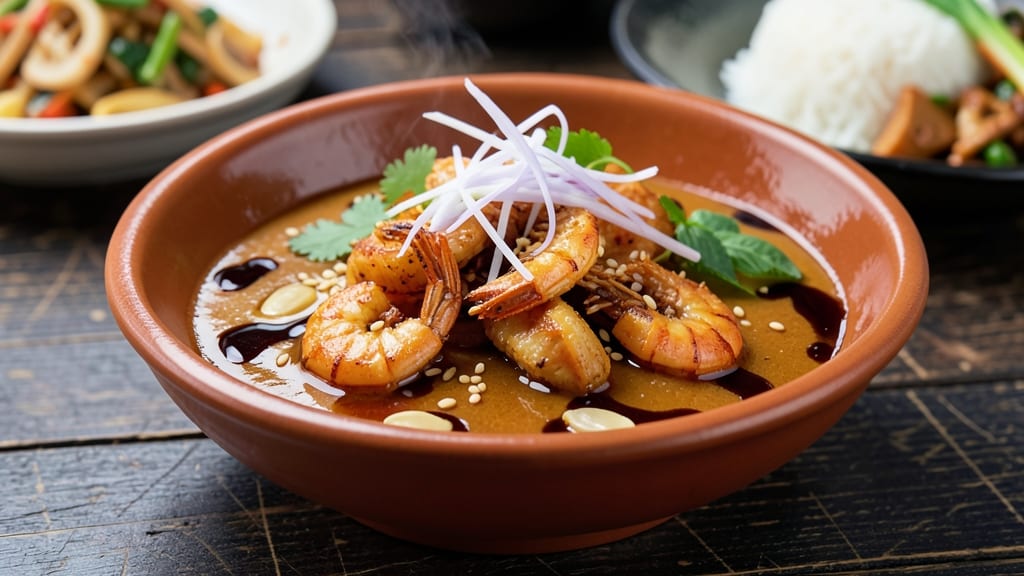
This Asian crawfish sauce recipe transforms simple crawfish shells into a spicy-sweet elixir that elevates everything from boil feasts to stir-fries. The secret lies in simmering shells with aromatic garlic, shallots, and ginger until they release their natural umami depth—then straining for a velvety, complex sauce.
I developed this after craving that signature Louisiana boil-fest flavor without the mess of leftover shells.
The sauce balances heat and sweetness perfectly, thanks to a blend of fish sauce, soy sauce, and chili flakes that caramelizes into a glossy, addictive finish. What makes it special is the two-stage reduction—first building flavor, then straining for smoothness—so you get all the crawfish essence without any grit.
This isn’t just a dipping sauce; it’s a flavor multiplier for noodles, dumplings, or grilled seafood.
By the end, you’ll have a rich, aromatic sauce with just the right kick—sweet from the crawfish, tangy from the vinegar, and deep from the aromatics. The best part?
It keeps well in the fridge for up to a week, so you can make a big batch and use it all season long. Ready to turn crawfish shells into liquid gold?
Pair it with shrimp, chicken, or even fries for a restaurant-quality twist. Here’s how to make it—step by step—for a sauce that’s foolproof and full of character.
Ingredients for asian crawfish sauce
Turn crawfish shells into a spicy-sweet sauce that transforms any dish with umami depth.
| Ingredient | Amount | Notes |
|---|---|---|
| Crawfish Shells 🦞 | 1 lb | Fresh or frozen, cleaned |
| Garlic Cloves 🧄 | 6 cloves | Minced for aromatic base |
| Shallots 🧅 | 4 whole | Thinly sliced, about 0.5 cup |
| Fresh Ginger 🌿 | 2 tbsp | Finely grated, peeled |
| Fish Sauce 🍶 | ⅓ cup | Red Boat preferred |
| Soy Sauce 🥢 | ¼ cup | Light or dark variety |
| Rice Vinegar 🍶 | ¼ cup | Seasoned preferred |
| Brown Sugar 🍯 | ¼ cup | Lightly packed |
| Chili Flakes 🌶️ | 1 tbsp | Adjust for heat preference |
| Olive Oil 🫒 | ¼ cup | For deglazing |
The crawfish shells are the star—fresh or frozen, but make sure they're cleaned and free of debris. Costco or specialty seafood markets usually have them in bulk during season. If you can't find fresh, frozen works fine—just thaw them first. The garlic and shallots should be fresh, not dried, for that bright, aromatic punch. Red Boat fish sauce is worth the splurge here—it's got that perfect balance of funk and saltiness that makes this sauce sing. For the ginger, young, plump pieces are best—they're milder and easier to grate.
No fish sauce? Soy sauce plus a splash of Worcestershire gets you close, though it won't have that same deep umami. Running low on rice vinegar? Apple cider vinegar works too, but it'll have a slightly different tang. Chili flakes too spicy? Swap for half the amount of cayenne pepper or use a pinch of smoked paprika for warmth without the heat. The brown sugar can be substituted with honey or maple syrup, but it won't caramelize the same way. For the olive oil, any neutral oil works, but extra-virgin adds a nice fruity note.
This sauce keeps beautifully—1 week in the fridge sealed in a jar. The flavor actually improves over time as everything melds together. For longer storage, freeze portions in ice cube trays—6 months in the freezer with no loss of flavor. I always make a double batch because it disappears fast. The first time you make this, you'll want to keep it on hand for everything from shrimp boil feasts to drizzling over noodles.
Why You'll Love This Recipe
- Five-Ingredient Magic: I swear by this—just shells, garlic, shallots, ginger, and fish sauce. That’s it. No fancy pantry trips, no last-minute grocery runs. The shells even double as flavor bombs when you toast them first.
- Umami Bomb: The fish sauce and toasted shells create this deep, salty-sweet punch that sticks to everything. Honestly, I’ve drizzled it on eggs, tossed it with noodles, and even slathered it on grilled chicken—each time, it’s ridiculously good.
- Weeknight Hero: Between us, this sauce is my secret weapon for lazy nights. Toss it with rice and frozen shrimp for dinner in 15 minutes. (Yes, even on a Tuesday when you’d rather binge Netflix than cook.)
- Leftovers That Don’t Suck: Unlike most sauces that turn sad after day two, this one actually gets better. The flavors meld into something richer, and I’ve reheated it for days—no weird textures, just pure satisfaction.
Step-by-step instructions for spicy-sweet crawfish sauce
This vibrant sauce transforms humble crawfish shells into a bold, aromatic masterpiece that's perfect for dipping or drizzling.
Toast the Crawfish Shells for Deep Flavor
Preheat your oven to 400°F. Spread the 1 lb crawfish shells on a baking sheet in a single layer, ensuring they don't overlap. Toast for 8-10 minutes until they turn a rich golden brown and smell intensely nutty. This step develops the umami base and removes any residual moisture.
Watch closely after 5 minutes—they burn quickly. Once toasted, transfer the shells to a food processor or high-powered blender. You'll use them to build the sauce's aromatic foundation, so don't skip this crucial step. The toasted shells will become your flavor bomb.
Build the Aromatic Base with Garlic and Shallots
Heat the 0.25 cup olive oil in a medium saucepan over medium heat. Add the 6 cloves minced garlic cloves and 4 whole thinly sliced shallots, cooking for 3-4 minutes until the garlic becomes fragrant and the shallots soften slightly but don't brown.
Here's where the magic happens: the garlic should smell sweet and pungent, not burnt. If it starts to darken too quickly, reduce the heat slightly. Remove the pan from heat and let it cool for 1 minute before adding the toasted crawfish shells to the processor.
Process into a Smooth Paste
Add the cooled garlic-shallot mixture to the food processor with the toasted crawfish shells. Pulse until you achieve a fine, sandy consistency—about 30-45 seconds. With the processor running, slowly drizzle in the 0.33 cup fish sauce and 0.25 cup soy sauce through the feed tube to prevent splattering.
This creates an emulsified base that will form the backbone of your sauce. The fish sauce adds that signature umami depth while the soy sauce provides a salty, savory balance. You'll see the mixture transform from dry powder to a thick, wet paste as it incorporates the liquids.
Simmer and Balance the Flavors
Return the paste to your saucepan and add the 0.25 cup rice vinegar, 0.25 cup brown sugar, 2 tbsp finely grated fresh ginger, and 1 tbsp chili flakes. Stir over medium-low heat for 8-10 minutes until the mixture thickens slightly and the sugar dissolves completely.
Taste as you go—this is where you'll adjust the balance. Need more heat? Add a pinch more chili flakes. Want it sweeter? Add a teaspoon more brown sugar. The sauce should sing with a perfect harmony of sweet, salty, umami, and spicy notes. If it's too thick, whisk in 1-2 tablespoons water to reach your desired consistency.
Finish and Rest for Maximum Flavor
Remove the sauce from heat and let it cool for 10 minutes. This resting period allows all the flavors to meld together. The sauce will thicken further as it cools—this is normal and actually enhances the texture. For an extra-smooth finish, strain through a fine-mesh sieve if you prefer no texture.
Your crawfish sauce is now ready to elevate any boil feta spread. The deep umami from the crawfish shells combines with bright vinegar, rich soy, and just the right amount of heat. Serve immediately or store in an airtight container in the refrigerator for up to 5 days, though it's best enjoyed fresh when the flavors are at their peak.
Pro Tips For Making Asian Crawfish Sauce
- CHAR THE SHELLS FIRST: Crawfish shells need a quick char to unlock their umami—toss them dry in a screaming-hot pan for 30 seconds before adding liquid. I learned this the hard way: skipping this step means your sauce will taste bland no matter how much fish sauce you add.
- MINCE GINGER LIKE YOU MEAN IT: Use a sharp knife and chop that ginger into a fine paste, not just thin slices. My grandmother swore by this, and she was right: it melts into the sauce instead of sitting as chunks. (Yes, even if you’re impatient like me.)
- LOW AND SLOW AFTER THE BOIL: Once the shells release their broth, drop the heat to a simmer and let it bubble gently for 10 minutes. After burning three batches, I finally figured out: rushing this step turns your rich sauce into a bitter mess.
- SALT THE FISH SAUCE LAST: Add fish sauce in two batches—half at the start, half at the end—so you don’t overpower the delicate balance. I skip this when I’m lazy, but the dish is noticeably better when I don’t. (Your taste buds will notice.)
Serving suggestions for leftovers
Boil Feast Essentials
This sauce is a game-changer for crawfish boils—drizzle it over steamed crawfish, shrimp, or even corn on the cob for instant flavor elevation. I like to serve it warm in a small bowl with toothpicks for easy dipping.
For a complete spread, pair it with buttery cornbread and a crisp green salad with lime dressing. The sauce's sweet-spicy profile cuts through the richness of boiled seafood beautifully. 🦞
Noodle & Dumpling Upgrades
Stir-fried noodles get a serious upgrade with this sauce. Toss cooked udon or ramen noodles with a splash of the sauce and top with sliced green onions and crushed peanuts for crunch. For dumplings, use it as a dipping sauce or brush it on the pan before steaming.
The crawfish umami adds depth that store-bought sauces can't match. I double the recipe for noodle nights—it disappears fast!
Grilled Seafood Pairings
Brush this sauce on grilled shrimp or scallops just before serving for a caramelized crust. The heat from grilling intensifies the sauce's flavors. For a full meal, pair with jasmine rice and quick-pickled vegetables.
The sauce also works wonders on grilled fish fillets like catfish or tilapia. Just let the sauce sit at room temperature for 10 minutes before using to enhance its glossy finish. 🍤
Unexpected Uses
Think beyond seafood—this sauce is amazing on fried chicken or crispy tofu. Drizzle it over warm fries with a sprinkle of sesame seeds for a Louisiana-inspired twist. I also use it as a marinade for pork tenderloin or chicken thighs before grilling.
The crawfish shells add a unique depth that works surprisingly well with pork. Store leftovers in the fridge for up to 5 days—it's that versatile!
Presentation Tips
For restaurant-style serving, transfer the sauce to a small ceramic dish and garnish with a few chopped scallions and a pinch of red pepper flakes. Serve with warm tortilla chips for an easy appetizer.
For a modern touch, drizzle it in a zigzag pattern over seared scallops before plating. The visual contrast of the sauce against white plates makes it look even more appetizing. 💫
Nutrition facts
Frequently asked questions
Can I use crawfish heads instead of shells for this sauce?
Crawfish heads contain even more flavor-packed meat and shells, so they'll make a richer sauce. Just remove the meat from the heads first (it's great for gumbo or etouffee), then use the cleaned shells in the same way as the recipe directs. The extra meat from the heads will add a deeper umami punch to your sauce.
How do I adjust the heat level in this sauce?
Start by reducing the chili flakes to ½ tbsp for mild heat, or increase to 1½ tbsp for extra spice. For a smoky alternative, swap chili flakes with ½ tsp smoked paprika or add a pinch of cayenne pepper. Always taste as you go and adjust gradually—you can always add more heat later, but you can't remove it!
What's the best way to store and reheat this sauce?
Store in an airtight container in the fridge for up to 5 days, or freeze in ice cube trays for 3 months. To reheat, gently warm in a saucepan over low heat for 2-3 minutes—never microwave directly, as it can separate. For best texture, reheat only until warmed through, then stir well before using. The sauce thickens as it cools, so thin with a splash of water if needed.
Can I make this sauce without fish sauce?
Yes, but the flavor will be different. Replace the ⅓ cup fish sauce with ¼ cup soy sauce plus 1 tbsp Worcestershire sauce for umami depth. For a vegetarian version, use ¼ cup coconut aminos plus 1 tsp mushroom powder (from dried shiitake). The sauce will still be delicious but will lack the signature funky depth of fish sauce.
Why does my sauce look grainy after straining?
This usually happens if you didn't process the shells long enough or if the mixture cooled too quickly. For a smoother sauce, blend the shells with the aromatics for 1-2 minutes until completely pulverized, then strain through a fine-mesh sieve. If it's still grainy, whisk in 1 tbsp water to help emulsify the particles. The texture should be velvety—like a fine paste—after proper straining.