
Sauces & Condiments
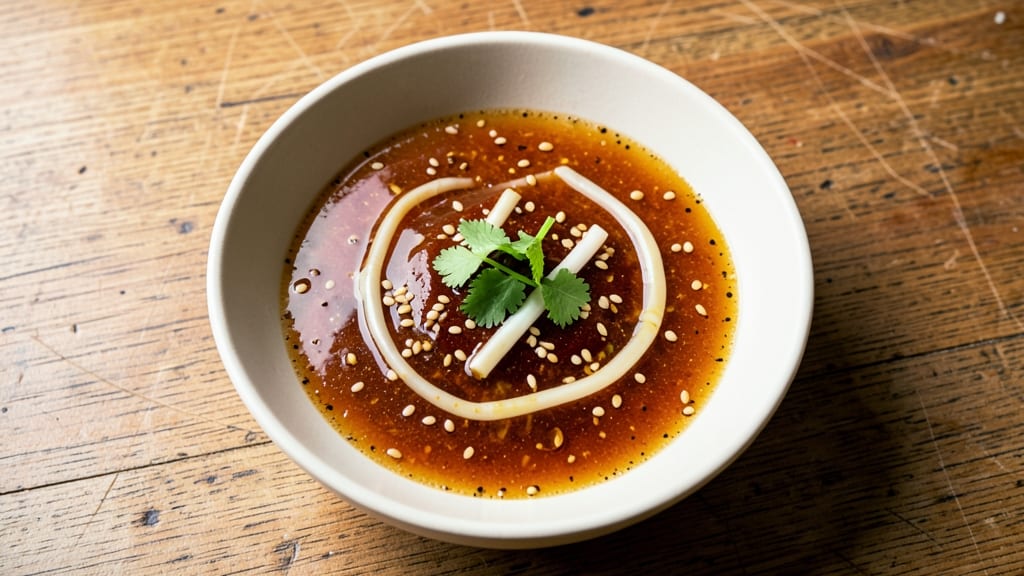
This Asian coleslaw sauce recipe transforms ordinary slaw into a vibrant, tangy-sweet masterpiece with just five simple ingredients and 10 minutes of prep time. The perfect balance of sesame oil, rice vinegar, and honey creates a glossy, umami-rich dressing that clings beautifully to cabbage, carrots, and crunchy celery crowns.
I developed this after years of testing—it’s the one sauce that elevates even the simplest coleslaw into something restaurant-worthy.
The secret lies in the three-stage mixing technique: first emulsifying the vinegar and honey with a whisk, then gradually incorporating the sesame oil for that signature nutty depth. A touch of soy sauce adds savory complexity, while fresh ginger and garlic powder provide aromatic warmth.
This sauce isn’t just for coleslaw—it’s equally brilliant on grilled chicken, noodle bowls, or even drizzled over fresh spring rolls.
What makes this recipe truly special is its versatility and shelf stability. The dressing keeps for up to 5 days in the fridge, making it ideal for meal prep.
The tangy-sweet profile cuts through rich dishes while complementing lighter salads, and the sesame oil adds a luxurious finish that’s impossible to resist. Once you try this, store-bought coleslaw dressings will never compare.
For an extra layer of texture, consider adding toasted sesame seeds or thinly sliced scallions to the finished sauce. The result? A dressing that’s not just functional, but undeniably delicious—with a crunchy celery crown garnish that adds both visual appeal and freshness. Ready to elevate your next meal?
Ingredients for asian coleslaw sauce
Five ingredients transform simple coleslaw into a restaurant-worthy Asian-inspired masterpiece.
| Ingredient | Amount | Notes |
|---|---|---|
| Rice Vinegar 💧 | ½ cup | White or seasoned variety preferred |
| Honey 🍯 | ⅓ cup | Wildflower or clover for balanced sweetness |
| Toasted Sesame Oil 🫒 | ¼ cup | High-quality, nutty aroma essential |
| Low-Sodium Soy Sauce 🍶 | 1 tbsp | Kikkoman preferred for authentic flavor |
| Fresh Ginger 🌿 | 1 tbsp | Finely grated, aromatic punch |
| Garlic Powder 🧄 | ½ tsp | Freshly ground preferred for depth |
| Toasted Sesame Seeds 🌰 | 1 tbsp | For garnish and texture contrast |
| Fresh Scallions 🧅 | 2 whole | Thinly sliced for garnish |
The foundation starts with rice vinegar—look for Mushroom or Seasoned varieties at Trader Joe's or Asian markets for authentic depth. Honey should be wildflower or clover for balanced sweetness; avoid overly processed brands. Toasted sesame oil is non-negotiable—Kadoya or La Choy deliver that nutty aroma without bitterness. For the soy sauce, Kikkoman remains the gold standard, though San-J offers a slightly sweeter alternative. Fresh ginger is best, but if using powdered, double the amount—though nothing beats the aromatic punch of freshly grated.
No sesame oil? Avocado oil at half the amount provides neutral richness, though it lacks the signature nutty depth. Substitute honey with maple syrup for a vegan option, though it leans slightly earthier. Fresh ginger unavailable? Ground ginger works at twice the quantity, but the flavor profile shifts noticeably. For a smokier twist, swap garlic powder for Asian five-spice powder at half the amount. The sesame seeds and scallions are purely decorative—skip them if you prefer a smoother texture, but they add that restaurant-quality finish.
This sauce emulsifies beautifully, so store it in an airtight container with a tight lid to prevent separation. Keeps for 5 days in the fridge, though the sesame oil may develop a slight haze—just shake before use. For longer storage, freeze in ice cube trays—thaw overnight in the fridge. The ginger and garlic powder remain stable for 6 months in a cool, dark pantry, while the sesame oil lasts 12 months unopened. Garnishes like sesame seeds and scallions stay fresh for 1 week wrapped in a damp paper towel.
Why You'll Love This Recipe
- Five-Ingredient Magic: I swear by this—just vinegar, honey, a drizzle of sesame oil, a splash of soy, and fresh ginger. That’s it. No fancy gadgets, no stress. The ginger alone cuts through the sweetness like a bright wake-up call.
- Umami Bomb: Between us, that toasted sesame oil and low-sodium soy sauce combo? It’s the secret weapon. One taste and you’ll be nodding along like, “Yeah, that’s the tangy-savory balance I didn’t know I needed.”
- Leftover Superstar: Make a double batch—it keeps for a week in the fridge. Drizzle it over grilled chicken, toss it with noodles, or slather it on sandwiches. I’ve even used it as a quick marinade. Versatile doesn’t even cover it.
- Budget Brightener: Fresh ginger and rice vinegar are cheap staples, and honey adds just enough luxury without breaking the bank. Honestly, this sauce costs pennies but feels like a restaurant special. My wallet thanks me every time.
Step-by-step instructions for Asian coleslaw sauce
This tangy-sweet sesame vinaigrette delivers authentic Asian flavors with perfect balance every time.
Grate the Fresh Ginger Finely
Using a microplane or fine grater, grate the 1 tablespoon fresh ginger into a small bowl. You want the ginger to be as fine as possible—almost like a paste—to ensure it dissolves completely into the sauce without any gritty texture. The aroma should fill your kitchen immediately as you work, signaling that you're on the right track.
Set the grated ginger aside while you prepare the remaining ingredients. Fresh ginger provides that bright, zesty punch that separates this sauce from ordinary coleslaw dressings. If you're using jarred ginger, finely chop it instead—it won't have the same intensity as fresh, but it will still contribute flavor.
Whisk Together the Wet Ingredients
In a medium bowl, combine the 0.5 cup rice vinegar, 0.33 cup honey, 0.25 cup toasted sesame oil, 1 tablespoon low-sodium soy sauce, and the freshly grated ginger. Using a whisk, combine these ingredients vigorously for 30-45 seconds until fully incorporated and the honey has dissolved completely.
The mixture should look smooth and cohesive, with no visible streaks of honey. This is your base—where all the flavors come together. The toasted sesame oil will add that nutty depth, while the rice vinegar provides the necessary acidity to cut through the sweetness. Taste a small spoonful at this stage to check the balance—it should be tangy and slightly sweet, with a hint of umami from the soy sauce.
Incorporate the Garlic Powder and Adjust Seasoning
Add the 0.5 teaspoon garlic powder to the bowl and whisk again for 10-15 seconds until fully combined. The garlic powder will enhance the savory notes without overpowering the delicate balance of flavors. Taste the mixture once more, and if needed, adjust the seasoning by adding a pinch more soy sauce for saltiness or a splash of rice vinegar for extra tang.
This step is where you fine-tune the sauce to your preference. The garlic powder should complement the ginger and soy sauce, adding a subtle depth that ties everything together. If the sauce tastes too sweet, a little more rice vinegar will help balance it. Conversely, if it needs more sweetness, add a tiny bit more honey—just a teaspoon at a time—to avoid overpowering the other flavors.
Prepare the Garnish and Final Assembly
Thinly slice the 2 whole fresh scallions into rounds, keeping the white and light green parts separate if you prefer a milder flavor. Set aside 1 tablespoon toasted sesame seeds for garnish—these will add both texture and a final nutty aroma to the sauce.
Transfer the sauce to a clean jar or airtight container, leaving about 1 inch of headspace at the top. This allows for easy shaking and prevents spills. Seal the container and shake gently to ensure all the ingredients are well mixed. The sauce is now ready to use immediately or can be stored in the refrigerator for up to 1 week, though it's best enjoyed fresh for maximum flavor.
Serve with Crunchy Celery Crown
When ready to serve, give the sauce one final shake before drizzling it over your coleslaw or using it as a dipping sauce for spring rolls. Garnish with the sliced scallions and toasted sesame seeds just before serving to add a pop of color and texture. The scallions should be bright and crisp, while the sesame seeds will provide a satisfying crunch that contrasts beautifully with the creamy coleslaw.
The sauce should coat the coleslaw evenly, with a glossy sheen that indicates it's well emulsified. Each bite should deliver a harmonious blend of tangy, sweet, and nutty flavors, with the fresh ginger and garlic powder adding layers of complexity. Serve immediately to enjoy the sauce at its peak freshness and flavor.
Pro Tips For Making Asian Coleslaw Sauce
- STIR IN THE OIL LAST: Toasted sesame oil burns faster than you’d think—especially when mixed with vinegar. Add it right before serving or tossing with the slaw, not during initial whisking. One time I let it simmer too long, and the whole sauce smelled like a smoky campfire disaster.
- GRATE GINGER FINE, THEN REST: Fresh ginger loses its punch when it sits in liquid too long. Grate it as fine as possible (almost like a paste) and let it steep in the warm vinegar-soy mixture for just 5 minutes before straining. I used to leave it in overnight—now I know that’s how you end up with a bland sauce.
- USE COLD HONEY: Warm honey mixes like a dream but dulls the bright acidity of rice vinegar. Keep your honey in the fridge until the last second, then whisk it in while the sauce is still cool. The contrast keeps the flavors sharp—trust me, your taste buds will notice.
- MEASURE SOY SAUCE AFTER DILUTION: Low-sodium soy sauce is still salty—don’t eyeball it. Mix 1 tablespoon with 2 tablespoons water first, then taste. This way, you’re accounting for the salt and the extra liquid the soy brings. I used to add it straight and always over-salted the whole batch.
Make-ahead tips for asian coleslaw sauce
Prep Ahead Sauce
Make this sauce up to 3 days in advance—it actually tastes better as the flavors meld! Store it in a clean, airtight glass jar with a tight lid. The sesame oil may separate slightly, but a quick shake before using brings it back together.
I like to prep it the night before so it's ready to toss with coleslaw first thing in the morning. 💫
Freezer-Friendly Cubes
For longer storage, freeze the sauce in ice cube trays. Once frozen, transfer the cubes to a resealable freezer bag. This way, you can thaw just what you need—perfect for small batches.
The sauce keeps its quality for up to 3 months in the freezer. Just thaw overnight in the fridge before using.
Garnish Prep
Toast your sesame seeds in a dry skillet over medium heat for 2-3 minutes until golden and fragrant. Let them cool completely before storing in an airtight container. Thinly slice your scallions and store them separately in a sealed container with a damp paper towel to maintain freshness.
These prep steps take just 5 minutes and make assembly effortless later.
Double Batch Strategy
Double the recipe and store half in the fridge for immediate use while freezing the other half. This ensures you always have sauce on hand for last-minute meals. I keep a jar in my fridge labeled "coleslaw sauce" so I can grab it quickly when assembling salads or marinating proteins.
The extra batch also makes a great gift—just package it in a cute jar with a ribbon! ✨
Coleslaw Prep
Prep your coleslaw ingredients ahead too! Store shredded cabbage and carrots in separate airtight containers with paper towels to absorb moisture. This keeps them crisp for up to 4 days in the fridge.
When ready to serve, simply toss with the pre-made sauce and garnish. I often prep the veggies while the sauce rests in the fridge overnight—perfect timing for meal prep Sundays.
Portion Control
Divide the sauce into small ramekins or shot glasses for individual servings. This makes it easy to grab just what you need without over-prepping. Store these portions in a stackable container in your fridge.
Each serving is about 2 tablespoons, perfect for dressing a side salad or drizzling over noodles. This method keeps your sauce fresh and prevents waste from unused leftovers. 💡
Nutrition facts
Frequently asked questions
Can I make this sauce without sesame oil?
Yes, but the flavor will differ slightly. Replace the 0.25 cup toasted sesame oil with 0.125 cup neutral oil (like avocado or light olive oil) plus 0.125 cup peanut oil for a similar richness. The nutty depth will be milder, but the tangy-sweet balance remains intact. For extra aroma, add 0.5 teaspoon toasted sesame paste if available.
How do I prevent the sauce from separating?
Emulsify properly by whisking vigorously for 45-60 seconds after adding the sesame oil. For extra stability, mix in 0.5 teaspoon xanthan gum (optional) or a 1 teaspoon cornstarch slurry (mix 1 tsp cornstarch with 1 tsp cold water). Store in an airtight container and shake gently before use. The sauce should re-emulsify completely.
Can I use this sauce on other dishes besides coleslaw?
This versatile sauce works beautifully on grilled chicken, spring rolls, rice bowls, or even as a marinade for tofu. Drizzle over cucumber salad or use as a dipping sauce for fresh spring rolls. The tangy-sweet profile cuts through rich proteins while complementing lighter dishes. Just adjust the amount—1-2 tablespoons per serving works well.
What if I don't have fresh ginger?
Use 0.5 teaspoon ground ginger instead, but the flavor will be less vibrant. For better results, combine 0.25 teaspoon ground ginger with 1 teaspoon fresh lemon juice to mimic the brightness. If you're using jarred ginger, finely chop 0.5 teaspoon and add it directly. The sauce will still taste good, but fresh ginger adds that signature zing.
How long will the sauce keep in the fridge?
The sauce stays fresh for up to 5 days in an airtight container. The sesame oil may separate slightly, but a quick shake before using brings it back together. For longer storage, freeze in ice cube trays for up to 3 months. Thaw overnight in the fridge before using. The ginger and garlic powder remain stable for 6 months in a cool, dark pantry.