
Sauces & Condiments
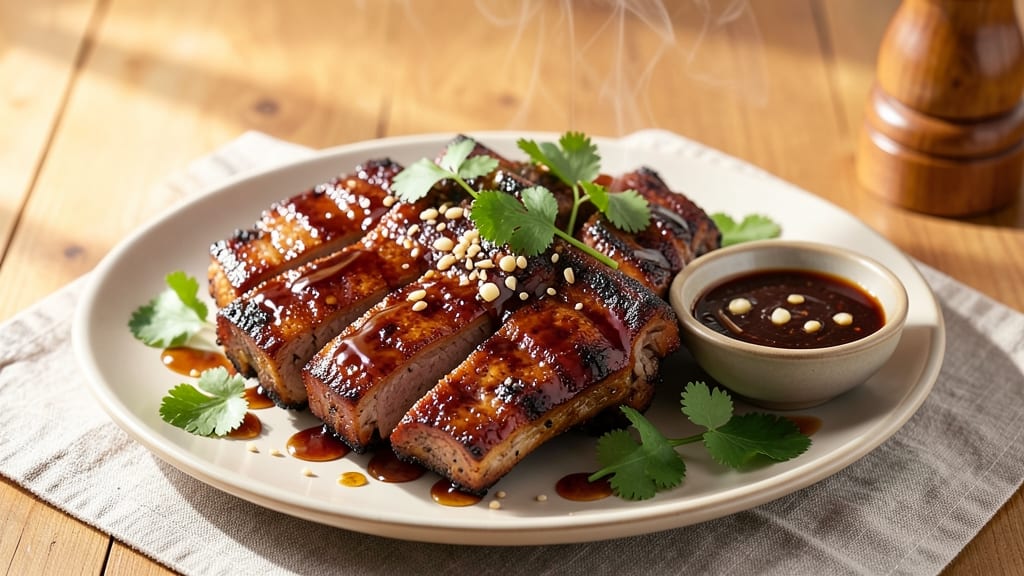
This Asian BBQ sauce recipe for ribs transforms tough cuts into melt-in-your-mouth masterpieces with every basting. 🔥 The secret lies in balancing sweet, tangy, and umami flavors—soy sauce, hoisin, and a touch of honey create that signature caramelized crust while garlic and ginger add depth.
I developed this sauce after years of experimenting with rib rubs, and it's become my go-to for both competition-style and backyard cookouts.
The beauty of this sauce is its versatility—it works as a marinade to tenderize ribs overnight or as a basting glaze that caramelizes beautifully over indirect heat.
The combination of smoky-sweet notes from the sauce pairs perfectly with the natural richness of pork, creating a crust that's both sticky and crisp. What makes this recipe stand out is the balance: enough sweetness to caramelize, enough acidity to cut through fat, and enough heat to keep things interesting.
By the time your ribs hit the smoker, you'll have a sauce that's rich, aromatic, and ready to transform your cook. The first few bastes create that coveted sticky glaze, while the final layers develop a deep caramelized crust that's impossible to resist.
This isn't just another BBQ sauce—it's the foundation for competition-worthy ribs that'll have everyone asking for seconds.
While this sauce shines on ribs, it also works beautifully on chicken, pork shoulders, and even tofu for a meaty texture. The key is patience—let the flavors meld and the sauce reduce to its perfect consistency. Once you try this, store-bought versions will never measure up again.
Ingredients for asian bbq sauce recipe for ribs
Nine ingredients blend into a sauce that transforms ribs into competition-worthy masterpieces.
| Ingredient | Amount | Notes |
|---|---|---|
| Soy Sauce 🍶 | ½ cup | Low-sodium preferred for balance |
| Hoisin Sauce 🥄 | ⅓ cup | For authentic umami depth |
| Honey 🍯 | ¼ cup | Wildflower for floral notes |
| Rice Vinegar 🍶 | ¼ cup | White vinegar substitute |
| Sesame Oil 🫒 | 1 tbsp | Toasted for nutty aroma |
| Garlic Cloves 🧄 | 4 cloves | Minced for aromatic punch |
| Fresh Ginger 🌿 | 1 tbsp | Grated, for zesty kick |
| Sriracha 🌶️ | 1 tbsp | Adjust for heat preference |
| Brown Sugar 🍚 | ¼ cup | Light or dark variety |
| Water 💧 | ½ cup | For thinning consistency |
The soy sauce is your flavor anchor—Kikkoman or Lee Kum Kee are my go-tos for that perfect balance of saltiness and umami. Hoisin sauce adds the depth, and I always grab the La Choy brand from the Asian aisle—it's got that perfect sweet-savory punch. Fresh ginger and garlic? Buy them whole and grate/mince yourself; pre-minced loses its zip fast. The sesame oil should be toasted—look for the dark amber bottles at Trader Joe's or Whole Foods. Brown sugar here isn't just for sweetness; it helps create that beautiful caramelized crust when basted on ribs.
No hoisin? Substitute 1 tbsp soy sauce plus 1 tbsp molasses—it's not identical, but close. Running low on sesame oil? Toasted peanut oil works in a pinch, though the flavor will differ slightly. The sriracha can be swapped for gochujang at half the amount for a deeper, fermented heat. Need to reduce sugar? Cut the brown sugar by half and add 1 tbsp maple syrup—it keeps the moisture while mellowing the sweetness. And if you're making this ahead, reduce the water by 2 tbsp since the sauce will thicken as it cools.
This sauce keeps beautifully—1 week in the fridge or 3 months frozen. For freezing, portion into ice cube trays, then transfer to a bag. Thaw overnight in the fridge before using. The flavors actually improve after the first 24 hours as everything melds together. Double the batch—you'll want it on hand for everything from ribs to grilled chicken. And if you've got leftover sauce, brush it on tofu cubes before baking for a quick, meaty-textured appetizer.
Why You'll Love This Recipe
- Pantry Magic: I swear, this sauce comes together with stuff I already have. No special shopping trips—just soy, hoisin, and a splash of rice vinegar. The sesame oil gives it that wow without extra effort.
- Sweet-Savory Balance: That honey and hoisin combo? It’s the kind of sticky, caramelized perfection that clings to ribs like a hug. Smoky, tangy, and just sweet enough—no burnt sugar here.
- Game for Any Gathering: Slather it on ribs for a crowd or toss it in stir-fries when I’m lazy. Even my picky uncle asks for seconds when it’s on the table. (Yes, even on a Tuesday night.)
- Leftovers That Don’t Let You Down: Make a double batch—it keeps for weeks in the fridge. The flavor only gets richer, and I’ve used it to glaze chicken, drizzle noodles, or even dress up rice bowls. Zero waste, all win.
Step-by-step instructions for Asian BBQ sauce for ribs
This sauce delivers perfect balance—smoky, sweet, and tangy with a caramelized finish when glazed on ribs.
🍳 Step 1: Bloom the Aromatics in Sesame Oil
Heat a medium saucepan over medium-low heat and add the 1 tablespoon sesame oil. Once the oil shimmers gently (about 30 seconds), add the 4 minced garlic cloves and 1 tablespoon grated fresh ginger. Cook for 1-2 minutes until fragrant—you'll smell that nutty, citrusy aroma that forms the sauce's aromatic base.
Here's the thing—don't let the garlic brown or burn. It should just perfume the oil, not darken. If it starts to sizzle too aggressively, immediately reduce heat to low. This step is where all the flavor magic begins, so take your time and let those aromatics wake up properly.
🥘 Step 2: Combine Wet Ingredients and Simmer
Pour in the 0.5 cup soy sauce, 0.33 cup hoisin sauce, 0.25 cup rice vinegar, and 1 tablespoon sriracha. Stir constantly for 2 minutes until everything is fully incorporated and the mixture begins to bubble gently. Then add the 0.25 cup brown sugar and 0.25 cup honey, stirring until the sugar dissolves completely.
The sauce should start to thicken slightly as it simmers. If it looks too thin at this stage, that's normal—we'll adjust the consistency in the next step. Let it cook uncovered for 5-7 minutes until it reduces by about 25% and begins to coat the back of a spoon. You're looking for a syrupy texture that will cling beautifully to ribs without being overly thick.
⏰ Step 3: Add Water and Refine the Sauce
Pour in the 0.5 cup water and bring the sauce to a gentle boil. Immediately reduce heat to low-medium and let it simmer for 8-10 minutes, stirring occasionally. This final reduction is crucial—it develops the sauce's depth of flavor and creates that perfect balance between sweet, tangy, and umami notes.
Taste as you go. If the sauce needs more heat, add a pinch more sriracha. Too sweet? Add a splash of rice vinegar. Too tangy? A touch more honey. The goal is a sauce that's complex but harmonious—where each ingredient supports the others without overpowering. When you're happy with the flavor, remove from heat and let it cool slightly before using.
🔥 Step 4: Test and Adjust for Rib Glazing
For best results, brush this sauce on ribs during the last 15-20 minutes of cooking. The high heat of the grill or oven will caramelize the sugars, creating that beautiful glossy bark you see on competition ribs. If the sauce is too thick to brush easily, thin it with 1-2 tablespoons water at a time until it reaches a pourable consistency.
Real talk: This sauce gets even better the next day. If you have leftovers, store them in an airtight container in the fridge for up to 2 weeks. The flavors meld and deepen over time, making it perfect for re-glazing ribs or using as a marinade. Just give it a quick stir and heat before using.
Pro Tips For Making Asian Bbq Sauce Recipe For Ribs
- Simmer Low and Slow: After burning the first batch trying to rush it, I learned to keep the heat at a gentle simmer—no higher than medium-low. This lets the honey and hoisin blend smoothly without scorching, so you don’t end up with a bitter, charred mess.
- Balance the Vinegar: Rice vinegar is the flavor anchor here, but too much turns your sauce sharp. Start with 1 tablespoon, taste, then add more in ½-teaspoon increments. I used to eyeball it and regret it every time.
- Skip the Raw Sesame Oil: Add sesame oil after the sauce cools slightly—just before serving. Dumping it in while hot burns off its nutty aroma, and that’s the one thing that makes this sauce smell like a street cart, not a sad copy.
- Use Dark Soy for Depth: Swap half the soy sauce for dark soy if you have it. It’s thicker, richer, and gives that glossy, caramelized look without extra sugar. I was skeptical until I tried it—now I never go back.
Flavor customization for this asian bbq sauce recipe for ribs
Sweet Heat Balance
Adjust the sriracha to gochujang ratio for different heat profiles. I like 1 tbsp sriracha for a bright, vinegary heat, but swap to ½ tbsp gochujang for deeper, fermented spice. For extra smokiness, add ½ tsp smoked paprika—it enhances the caramelization on ribs.
If you prefer less heat, reduce sriracha to ½ tbsp and add 1 tsp honey to compensate. 🌶️
Sweetness Variations
Swap honey for maple syrup (1:1 ratio) for a richer, less floral sweetness. For a caramel-like depth, replace ½ cup honey with ½ cup brown sugar syrup (simmer equal parts sugar and water).
If you're watching sugar, use agave nectar—it's less processed but still adds moisture. I've also had success with date syrup for a molasses-like richness. 🍯
Umami Boosters
Boost umami by adding 1 tbsp fish sauce (trust me, it disappears) or 1 tsp miso paste for depth. For a vegetarian version, use 1 tbsp soy sauce + 1 tsp mushroom powder.
If you love complexity, stir in 1 tsp oyster sauce—it adds a savory richness that pairs perfectly with ribs. These tweaks won't overpower the sauce but will elevate its depth. 🥄
Tangy Twists
Swap rice vinegar for apple cider vinegar (1:1) for a fruity tang, or use lime juice (reduce to 2 tbsp) for brightness. For a fermented kick, add 1 tbsp rice vinegar + 1 tsp black vinegar.
If you're feeling adventurous, try 1 tbsp coconut aminos—it adds a nutty, slightly sweet note that works surprisingly well. 🍋
Texture Adjustments
For a thicker glaze, reduce the sauce by 5-10 minutes longer or add 1 tsp cornstarch mixed with water. Need it thinner? Add 1-2 tbsp water at a time. If you're using this as a marinade, thin it slightly with water or broth to help it penetrate the meat.
The key is balance—thick enough to cling, thin enough to brush easily. ✨
Herb & Spice Infusions
Add 1 tsp grated galangal (if you can find it) for a citrusy, ginger-like depth. For warmth, stir in ½ tsp cinnamon or ½ tsp star anise while simmering. Fresh herbs like cilantro or Thai basil brighten the sauce—add 1 tbsp chopped at the end.
I also love a pinch of white pepper for a subtle kick that enhances the smoky notes. 🌿
Nutrition facts
Frequently asked questions
Can I use this sauce on other meats besides ribs?
This sauce works beautifully on pork shoulders, chicken thighs, and even tofu for a meaty texture. For poultry, reduce basting time to 10-15 minutes to avoid overcooking. The key is high heat to caramelize the sugars—just adjust timing based on the protein.
How do I store leftovers to keep them fresh?
Transfer cooled sauce to an airtight container and refrigerate for up to 2 weeks. For longer storage, freeze in ice cube trays, then transfer to a bag. Thaw overnight in the fridge—never microwave directly from frozen. The flavors actually improve after 24 hours as everything melds together.
What's the best way to prevent the sauce from burning on the grill?
Brush the sauce on ribs during the last 15-20 minutes of cooking when internal temps reach 190°F. Use a pastry brush for even coverage, and avoid direct flame. If you're worried about burning, try spraying with apple cider vinegar first to create a protective barrier. The caramelization happens fast at high heat!
Can I make this sauce without hoisin sauce?
Yes! Substitute 1 tbsp soy sauce + 1 tbsp molasses for the hoisin. For deeper flavor, add ½ tsp five-spice powder or 1 tsp oyster sauce. The sauce will be slightly less sweet but still delicious. If you're short on time, even extra soy sauce works—just add 1 tbsp more to maintain balance.
How do I adjust the heat level if sriracha is too spicy?
Reduce the sriracha to ½ tbsp and add 1 tsp honey to compensate. For milder heat, swap sriracha for ½ tsp gochugaru (Korean chili flakes) or ¼ tsp cayenne. If you love smoky heat without spice, add ½ tsp smoked paprika instead. Always taste as you go!