
Sauces & Condiments
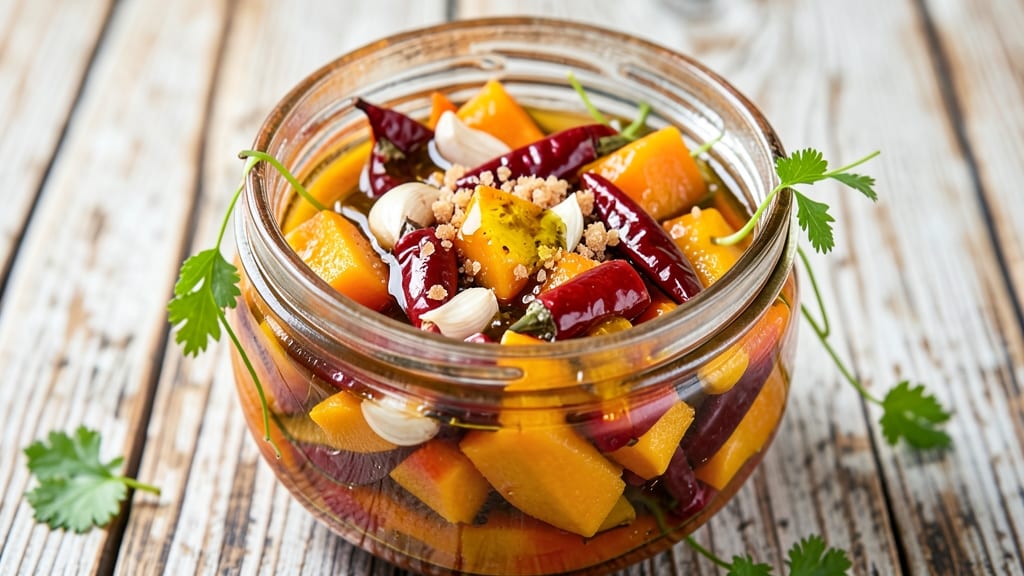
This Aruba papaya hot sauce recipe transforms sweet tropical fruit into a fiery condiment that balances sweetness with heat—perfect for adding Caribbean flair to any dish. 🔥 The secret lies in fermenting fresh papaya with chili peppers and vinegar, creating a sauce that's both tangy and complex, with just the right kick.
Unlike store-bought hot sauces, this version captures Aruba's vibrant flavors while delivering a smooth, fruity heat that lingers on the palate.
The process starts with ripe papaya, which provides natural sweetness and a creamy texture that softens the heat from fresh chili peppers. A blend of white vinegar and brown sugar caramelizes during cooking, deepening the sauce's richness while balancing the spice.
Fermentation (optional but recommended) adds depth, allowing flavors to meld into a harmonious blend that's both bold and nuanced.
What you'll end up with is a versatile hot sauce that's bright, tangy, and just spicy enough to elevate everything from grilled meats to seafood or even drizzled over tacos.
The papaya's tropical sweetness shines through, making this sauce a standout addition to any meal—especially when you want a taste of Aruba's coastal cuisine. Ready in about 30 minutes (plus fermentation time), this recipe delivers restaurant-quality results at home.
Store it in the fridge for up to 3 months, where the flavors continue to develop and intensify. Adjust the heat level by adding more or fewer peppers, or sweeten it further with a touch of honey if desired.
This isn't just a hot sauce—it's a flavor experience that brings the sun-soaked beaches of Aruba to your kitchen.
Ingredients for aruba papaya hot sauce
Sweet papaya meets fiery chili—just 10 ingredients for a tangy sauce that brings Aruba's sun to your table.
| Ingredient | Amount | Notes |
|---|---|---|
| Ripe Papayas 🍈 | 2 whole | Seeds removed, flesh diced |
| Fresh Red Chili Peppers 🌶️ | 4 whole | Such as Scotch bonnet or habanero |
| White Vinegar 💧 | 1 cup | Distilled white vinegar preferred |
| Light Brown Sugar 🍚 | ½ cup | Packed tightly for sweetness |
| Garlic Cloves 🧄 | 4 cloves | Peeled and minced |
| Extra-Virgin Olive Oil 🫒 | ¼ cup | For richness and balance |
| Salt 🧂 | 1 tsp | Kosher or sea salt |
| Ground Black Pepper 🌶️ | ½ tsp | Freshly ground for warmth |
| Lime Juice 🍋 | 2 tbsp | Freshly squeezed for brightness |
| Water 💧 | ½ cup | For thinning if needed |
The papaya is your star—ripe and vibrant is key. Hit up the Latin market or Whole Foods for the sweetest ones, or grab a bunch from your local Trader Joe's if they carry them. For the chili peppers, Scotch bonnet or habanero gives that authentic Caribbean kick, but jalapeños work if you want to dial it back. The garlic and lime juice are non-negotiable—freshly minced garlic and just-squeezed lime make all the difference. If you're short on time, pre-minced garlic from the jar is fine, but trust me on the lime.
No Scotch bonnet? Double the jalapeños—just remove seeds for less heat. Running low on brown sugar? Honey or agave works in a pinch (use half the amount), but the caramelization from sugar is what gives this sauce its depth. The olive oil might seem like an odd addition, but it softens the heat while adding a silky texture. Store-bought hot sauce can't compete with this fresh combo—it's all about that papaya's tropical sweetness cutting through the spice. If you want extra tang, add a splash more vinegar after tasting.
This sauce gets better with time—ferment it for 3-5 days in the fridge for deeper flavor, or use it fresh for that bright, immediate heat. Store in a clean glass jar with a tight lid, and it'll keep for up to 3 months. I like to make a big batch—freeze half in ice cube trays for easy single-use portions. The longer it sits, the more the flavors meld together, so wait at least 24 hours before tasting if you can. Trust the process!
Why You'll Love This Recipe
- Fruit Meets Fire: I’ll be honest—this sauce surprised me. The papaya’s natural sweetness tames the chili’s bite, but not so much that you lose that zing. It’s the kind of balance that makes you reach for the bottle again without thinking.
- No Fuss, All Flavor: Between us, this takes less time than waiting for takeout. Chop the peppers, mash the papaya, toss it all in a blender—done. The vinegar and sugar do the work while you’re still deciding what to eat for dinner.
- Secret Weapon: I keep a jar in my fridge for everything: scrambled eggs, grilled fish, even as a marinade. It’s the one sauce that turns a simple meal into something special without trying too hard.
- Sweet Budget Hack: Papayas are cheap when they’re ripe, and you’re using the whole fruit—not just the good parts. A little goes a long way, so you’ll have enough to share (or save for next week’s tacos). Win-win.
Step-by-step instructions for Aruba papaya hot sauce
Here's how to make this vibrant, sweet-and-spicy sauce that balances tropical fruit with Caribbean heat.
👨🍳 Step 1: Prep and Cook the Chili Peppers
Put on gloves if you're sensitive to heat—those Scotch bonnets pack a punch! Cut the 4 whole fresh red chili peppers in half lengthwise and remove the seeds and membranes. This is where the heat lives, so don't skip it unless you want a milder sauce.
Heat a small saucepan over medium heat and add the chili pepper halves cut-side down. Let them cook for 5-7 minutes until the skin starts to blister and darken slightly. You'll smell that signature smoky aroma—this is what adds depth to your sauce. Don't walk away; charring too much will make it bitter.
🍳 Step 2: Blend the Papaya and Aromatics
While the peppers cook, dice the flesh from the 2 whole ripe papayas into ½-inch cubes. The riper the papaya, the sweeter and more flavorful your sauce will be—look for those with vibrant orange flesh and no green spots. Add the diced papaya to a blender along with the minced 4 cloves garlic, 2 tablespoons lime juice, and ½ teaspoon ground black pepper.
Blend until completely smooth, scraping down the sides as needed. The mixture should be bright orange with no visible chunks. If it's too thick, add 1-2 tablespoons of the ½ cup water to help with blending. This base will carry all the other flavors, so make sure it's perfectly smooth.
🥘 Step 3: Simmer the Sauce Mixture
Transfer the blended papaya mixture to a clean saucepan and add the cooked chili peppers (remove them from the skin if it's too tough to blend). Stir in the 1 cup white vinegar, ½ cup light brown sugar, 1 teaspoon salt, and ¼ cup extra-virgin olive oil. Bring to a gentle boil over medium heat, then reduce to a simmer.
Let it cook uncovered for 15-20 minutes, stirring occasionally, until it thickens slightly and the flavors meld together. You're looking for a consistency somewhere between ketchup and honey—thick enough to coat the back of a spoon but still pourable. Taste as you go; if it needs more sweetness, add a little more sugar, or if it's too sharp, a splash of water helps balance it.
⏰ Step 4: Strain and Bottle
Once your sauce has thickened and the flavors have come together, it's time to strain out any remaining solids. Line a fine-mesh strainer with cheesecloth or a coffee filter and pour the hot sauce through it. Use a spoon to press gently on the solids to extract all the flavor, but don't force it or you'll get a watery sauce.
Transfer the strained sauce to clean glass bottles or jars. Let it cool completely before sealing, as hot liquids can cause glass to crack. Store in the refrigerator for up to 2 weeks or process in a water bath for shelf-stable jars. The flavors will actually improve over time, so make extra if you can!
Pro Tips For Making Aruba Papaya Hot Sauce
- CHAR THE PEPPERS FIRST: Toss whole red chilis in a hot, dry skillet for 30 seconds per side before blending—just until their skins blister and smell like fire. This unlocks deeper flavor without burning the sauce into oblivion. (Yes, even if you’re impatient like me, don’t skip this.)
- PEEL THE GARLIC: After roasting the garlic cloves in the same skillet as the peppers, let them cool slightly, then peel off those papery skins before blending. Cold garlic peels are stubborn; warm ones slide off like a dream. (I learned this the hard way after spending 10 minutes picking at a rock-hard clove.)
- USE OVERRIPE PAPAYA: Pick papayas with soft spots and a sweet, musky aroma—these yield a thicker, richer sauce than firm ones. If yours is still greenish, let it sit at room temperature overnight. (Sounds weird, but it works: the sugar content skyrockets.)
- STRAIN THE VINEGAR: After simmering the vinegar-sugar mixture, strain it through a fine-mesh sieve lined with cheesecloth to remove any grit. This keeps your sauce silky smooth, especially if you’re using raw vinegar. (Your future self will thank you—trust me.)
Flavor customization for aruba papaya hot sauce
Sweet Heat Balance
Adjust the sweet-to-heat ratio by tweaking the brown sugar or chili pepper amounts. For a milder kick, reduce Scotch bonnets to 2 peppers and add 1 extra tablespoon of brown sugar. If you crave more heat, swap in 1 habanero (seeds removed) and cut sugar to ¼ cup.
I often test-batch small amounts first—this sauce is all about finding your perfect equilibrium. 🌶️
Fruity Variations
Swap or add other tropical fruits to complement the papaya. Mango (½ cup diced) adds a tropical depth, while pineapple juice (¼ cup) brightens the flavor profile. For a smoky twist, add 1 teaspoon smoked paprika during simmering.
I’ve also blended in 1 tablespoon of passion fruit pulp for a tangy zing that pairs beautifully with grilled fish. 🍍
Fermentation Depth
For a deeper, funkier flavor, ferment the blended papaya mixture (without vinegar) in a clean glass jar for 3-5 days at room temperature. Strain, then proceed with the original recipe. This method enhances umami notes and mellows the heat slightly.
I’ve found fermenting works best with ripe but firm papayas—overripe fruit can make the sauce too soft. Store fermented batches in the fridge before mixing with vinegar. ⏳
Spice Infusions
Elevate the sauce with aromatic infusions. Add 1 cinnamon stick or 2 star anise pods during simmering for warmth, or steep 1 bay leaf for 10 minutes before straining.
For a smoky profile, char 1 small onion and blend it into the papaya base. These additions work especially well with slow-cooked meats or blackened seafood. 🌿
Texture Tweaks
For a chunkier sauce, skip the straining step and blend in 1-2 tablespoons of diced jalapeño or cilantro stems for texture. If you prefer a smoother finish, strain twice through a fine-mesh sieve.
I’ve also experimented with avocado oil (replace olive oil) for a richer mouthfeel, though it’s pricier. The key is consistency—adjust water or sugar as needed to reach your ideal thickness. 💧
Global Fusion Twists
Give the sauce an international flair. For a Thai-inspired version, add 1 teaspoon fish sauce and 1 teaspoon shrimp paste during simmering. A Mexican fusion calls for ½ teaspoon cumin and ¼ teaspoon oregano.
I’ve even made a Japanese-style version by adding 1 teaspoon mirin and ½ teaspoon grated ginger—the umami and ginger cut through the heat beautifully. 🌎
Nutrition facts
Frequently asked questions
Can I substitute regular papaya for Aruba papaya?
Yes! Aruba papayas are simply a variety of the same fruit, so any ripe papaya will work. Look for ones with vibrant orange flesh and minimal green spots for the best sweetness. If you can't find papayas, mango or pineapple can add tropical sweetness, though the flavor will differ slightly.
How do I adjust the heat level?
For milder heat, reduce Scotch bonnets to 2 peppers and add 1 extra tablespoon of brown sugar. For extra spice, swap in 1 habanero (seeds removed) and reduce sugar to ¼ cup. Always taste as you go—this sauce is all about balance!
Can I make this sauce without vinegar?
Technically yes, but vinegar is key for preservation and tanginess. If avoiding it, replace with lemon juice (½ cup) and add ½ teaspoon citric acid for brightness. The shelf life will shorten to 1 week in the fridge, though. Fermenting the papaya base first can also help replace vinegar's acidity.
What's the best way to store homemade hot sauce?
Store in a clean glass jar in the fridge for up to 3 months. For longer storage, process in a water bath for shelf-stable jars (up to 1 year). Freeze in ice cube trays for single-use portions. The flavors actually improve over time—let it sit 24 hours before tasting for best results!
Why did my sauce turn out too thin?
This usually happens if you didn't simmer long enough or over-strained the mixture. Next time, cook uncovered for the full 20 minutes and press solids gently during straining. For instant thickening, simmer with 1 teaspoon cornstarch mixed with water until desired consistency is reached.