
Sauces & Condiments
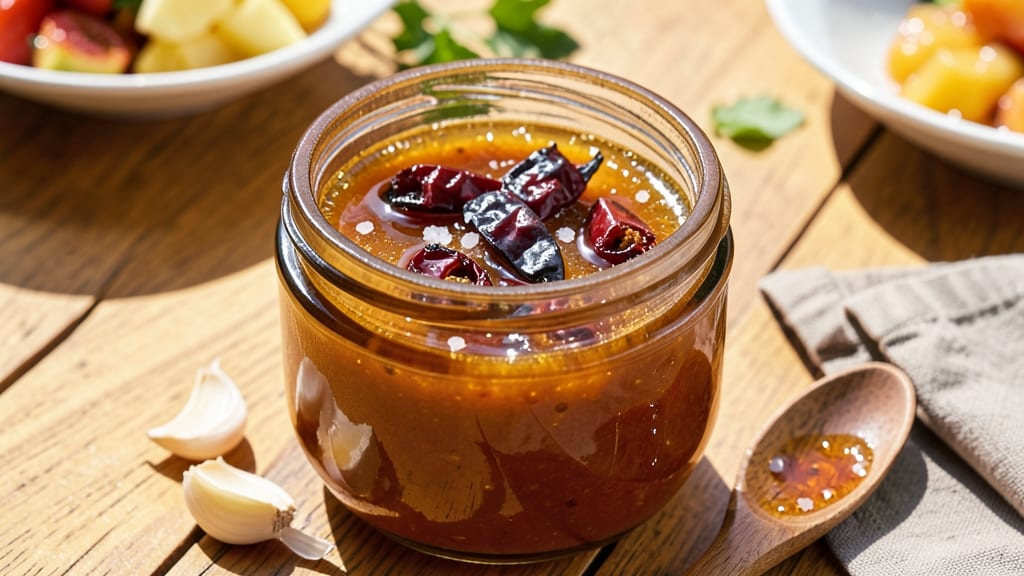
This Aruba hot sauce recipe brings the island’s bold flavors to your table with Scotch bonnet peppers and tangy pineapple—fiery, fruity, and impossible to resist. 🔥 The secret lies in balancing heat with sweetness, creating a sauce that’s perfect for drizzling on grilled meats, seafood, or even fresh fruit.
I developed this recipe after tasting authentic Aruban hot sauces and realizing how easy it is to recreate their signature kick at home.
The process is simple: blend Scotch bonnet peppers, pineapple juice, vinegar, and a touch of garlic for depth. Let it ferment for 3-5 days to develop complex flavors, then strain and bottle.
The result is a vibrant, bright red sauce with layers of heat and sweetness that lingers on your palate. Unlike store-bought versions, this one captures the true essence of Aruba’s culinary spirit.
What sets this sauce apart is its versatility—use it as a marinade for grilled chicken, a dipping sauce for fries, or a finishing touch on tacos. The fermentation step enhances the flavors, making it richer and more aromatic with time.
Store it in the refrigerator for up to 3 months, and watch it become the star of every meal.
Ready to elevate your dishes with a taste of Aruba? This recipe delivers restaurant-quality heat in just minutes of prep. Let’s get started!
Ingredients for aruba hot sauce
Eight ingredients for a sauce that’s fiery, fruity, and full of island spirit.
| Ingredient | Amount | Notes |
|---|---|---|
| Scotch Bonnet Peppers 🌶️ | 4 whole | Seeds removed for milder heat |
| Fresh Pineapple Juice 🍍 | 1 cup | From ripe pineapple, no pulp |
| White Vinegar 💧 | ½ cup | Distilled white preferred |
| Garlic Cloves 🧄 | 3 cloves | Peeled, roughly chopped |
| Granulated Sugar 🍚 | 2 tbsp | Balances heat and sweetness |
| Salt 🧂 | ½ tsp | Kosher or sea salt |
| Extra-Virgin Olive Oil 🫒 | 1 tbsp | For richness and preservation |
| Fresh Lime Juice 🍋 | 1 tbsp | Brightens the final flavor |
Scotch bonnet peppers are the star here—handle with gloves if you're sensitive to heat. The Caribbean Spice Shop online or local Latin markets usually carry them fresh, but Trader Joe's often stocks them too. Look for peppers that are firm and deep red—avoid any with soft spots. Pineapple juice should be fresh, not canned, for that bright, tangy punch. If you can't find Scotch bonnets, habaneros at half the amount work in a pinch, but expect way more heat.
No fresh pineapple juice? Fresh pineapple puréed and strained is the next best thing—just blend and squeeze out the liquid. Vinegar can be swapped for apple cider vinegar if you prefer a milder tang. The sugar is key—it balances the heat, so don’t skip it. For a smokier profile, add 1/4 tsp smoked paprika. If you're fermenting longer than 5 days, reduce the sugar to 1 tbsp—it’ll caramelize and deepen the flavor naturally. The garlic adds depth, but if you're not a fan, skip it or use 1 clove.
Ferment in a clean glass jar with a lid, storing in a cool, dark place for 3-5 days. Taste daily—the longer it ferments, the richer it gets, but don’t go past 7 days or the flavors get bitter. Strain through a fine-mesh sieve into a sterilized bottle, then refrigerate. Keeps for 3 months in the fridge, and the heat actually intensifies over time. Freeze extras in ice cube trays for single-serving portions—perfect for last-minute drizzling.
Why You'll Love This Recipe
- Here’s what sold me: the pineapple juice cuts through the Scotch bonnet’s fire like a cool breeze, while the sugar caramelizes just enough to leave a sticky, fruity finish. It’s not cloying, not one-note—it’s the kind of sauce that makes you reach for seconds without burning your tongue.
- I’ll be real: I make a big batch because it keeps for months in the fridge, and the flavor actually deepens over time. Plus, the vinegar and sugar preserve it better than store-bought, so you’re not stuck with a watery, sad bottle of hot sauce gathering dust. Budget win.
Step-by-step instructions for Aruba hot sauce
Here's how to make this tropical hot sauce with perfect balance—fiery, sweet, and bright.
🔥 Step 1: Roast the Scotch Bonnet Peppers
Preheat your oven to 400°F and line a baking sheet with parchment paper. Place the 4 whole Scotch Bonnet Peppers (seeds removed) directly on the sheet. Roast for 15-20 minutes, turning occasionally, until the skins blacken in spots and smell deeply aromatic. This step develops their natural sweetness and mellows the heat.
Watch closely after 12 minutes—they're done when the skins look charred but not burned. Transfer the peppers to a bowl, cover with a clean kitchen towel, and let them steam for 10 minutes. The heat will loosen the skins so they slide right off when you rub them between your fingers.
🍳 Step 2: Blend the Roasted Peppers with Base Ingredients
Peel the charred skins from the peppers, then remove any remaining seeds or membranes. Add the peeled peppers to a blender along with the 1 cup Fresh Pineapple Juice, 0.5 cup White Vinegar, 3 cloves Garlic Cloves, and 2 tbsp Granulated Sugar. Blend on high for 30-45 seconds until completely smooth.
Here's the thing—don't skip the sugar. It balances the Scotch Bonnet's heat while complementing the pineapple's acidity. If your blender struggles, add 2-3 tablespoons of water to help it process. The mixture should be vibrant red-orange with a thick, syrupy consistency.
🥘 Step 3: Cook and Season the Sauce
Transfer the blended mixture to a small saucepan and bring to a gentle simmer over medium heat. Cook uncovered for 10-12 minutes, stirring occasionally, until the sauce reduces slightly and thickens. You're looking for a consistency where it coats the back of a spoon but still pours easily.
Stir in the 0.5 tsp Salt and 1 tbsp Extra-Virgin Olive Oil during the last 2 minutes of cooking. The oil adds richness and helps preserve the sauce. Taste and adjust—you might want to add a pinch more salt or sugar to perfect the balance. Real talk: this is where the magic happens.
⏰ Step 4: Finish and Bottle the Hot Sauce
Remove the sauce from heat and stir in the 1 tbsp Fresh Lime Juice. Let it cool completely—this step is crucial for developing the flavors. Once cooled, pour the sauce into clean, sterilized bottles or jars. The sauce will continue to mellow over 24 hours, so make it a day ahead if possible.
For best results, store in the refrigerator where it'll keep for up to 3 months. The flavors actually improve with time! Start with small batches—this sauce packs serious heat and you don't want to be stuck with too much. Trust me, you'll want to use it immediately on everything from grilled meats to seafood.
Pro Tips For Making Aruba Hot Sauce
- REMOVE PEPPER SEEDS FIRST: I learned this the hard way—leaving seeds in Scotch Bonnets turns your sauce into a mouth-on-fire emergency. Scoop out the white pith and seeds before chopping, then rinse the peppers under cold water. That extra 30 seconds saves you from regret later.
- SIMMER GARLIC LOW: After burning three batches, I finally figured out garlic needs patience. Add the minced cloves after the peppers and vinegar are simmering, then drop heat to medium-low. Toasting them too fast turns them bitter—you want nutty aroma, not smoke.
- STRAIN THE PINEAPPLE: Sounds weird, but it works: blend the pineapple juice, then strain it through a fine-mesh sieve. This removes pulp that can make your sauce gloppy. (Yes, even if you’re impatient like me—your future self will thank you.)
- SWEAT PEPPERS FIRST: My grandmother swore by this, and she was right: cook the chopped Scotch Bonnets in a dry pan for 2 minutes before adding liquid. This softens them slightly, making the heat mellow out instead of raw and aggressive. Skip this, and your sauce will taste like a pepper bomb.
Serving suggestions for this recipe
Grilled Meats Pairing
This Aruba hot sauce transforms grilled chicken or pork into a flavor explosion. Brush 2 tbsp over grilled chicken thighs before the last 5 minutes of cooking—the heat caramelizes beautifully. For pork chops, mix 1 tbsp sauce with 1 tbsp olive oil and grill until tender.
The pineapple and Scotch bonnet create a sticky, smoky crust that’ll have everyone asking for seconds. 🔥
Seafood Elevation
Drizzle 1 tbsp over grilled mahi-mahi or shrimp just before serving—it cuts through the fish’s richness while adding tropical brightness. For shrimp, toss them in 1 tbsp sauce and 1 tsp lime juice before grilling.
The acidity in the sauce keeps the shrimp from drying out, and the heat wakes up every bite. Pro tip: Add a pinch of smoked paprika to the sauce for extra depth with seafood.
Taco & Nacho Topper
Swap store-bought hot sauce for this homemade version on tacos or nachos. Warm 2 tbsp sauce in a small pan for 1 minute to intensify the flavors, then drizzle over crispy tortilla chips or shredded chicken.
The sweetness balances the spice perfectly, making it a crowd-pleaser. For extra fun, serve with a side of cooling avocado crema to tame the heat.
Fruit & Cheese Board
This sauce isn’t just for savory dishes—it’s a game-changer on fruit and cheese boards. Drizzle 1 tsp over slices of ripe mango or pineapple for a sweet-spicy contrast. Pair with sharp cheeses like aged cheddar or goat cheese for a sophisticated bite.
The acidity in the sauce also makes it perfect for balancing creamy spreads like whipped feta or hummus.
Marinade Magic
Use this sauce as a marinade for beef ribs or tofu. Mix ½ cup sauce with 2 tbsp soy sauce and 1 tbsp brown sugar, then coat your protein for 2-4 hours before grilling.
The marinade infuses the meat with tropical heat, creating a sticky, caramelized crust. For tofu, press and marinate for 1 hour to avoid sogginess—it absorbs the flavors like a dream.
Dipping Sauce
Serve this hot sauce as a dipping sauce for fried plantains, fish tacos, or even crispy Brussels sprouts. The sweetness of the pineapple balances the heat, making it irresistible.
For extra richness, warm the sauce with a splash of coconut milk before serving. It’s a perfect way to use up leftovers while keeping the flavors vibrant.
Nutrition facts
Frequently asked questions
Why does this Aruban hot sauce use Scotch bonnet peppers instead of habaneros?
Scotch bonnet peppers are the traditional choice in Aruban cuisine—they deliver a fruity, complex heat (70,000-100,000 SHU) that's more aromatic than habaneros (100,000-350,000 SHU). The roasting step caramelizes their natural sweetness, creating a balanced sauce with layers of flavor. If you must substitute, use half the amount of habaneros and add 1 tsp honey to mimic the tropical depth.
Can I make this sauce without fermenting?
Yes! Skip fermentation for a quicker version by blending all ingredients, simmering for 15 minutes, then cooling and bottling. The flavor will be fresher but less complex. For best results, ferment for 3-5 days—it develops deeper, tangier notes that mimic authentic Aruban sauces. Think of it like letting wine breathe!
How do I adjust the heat level for kids or sensitive palates?
Reduce the Scotch bonnet peppers to 2 whole peppers (seeds removed) and add 1 extra tbsp sugar to balance. For a milder version, strain the sauce through a fine-mesh sieve to remove pepper particles. Pro tip: Mix equal parts of this sauce with mango chutney—the sweetness tames the heat while keeping the tropical vibe.
What’s the best way to store leftover hot sauce?
Transfer to sterilized glass bottles or jars and refrigerate—this sauce keeps for 3 months and actually improves with age! For long-term storage, freeze in ice cube trays (thaw overnight in the fridge). Avoid plastic containers, as they can absorb flavors. Label with the date—trust me, you’ll forget how potent it gets!
Can I use this sauce in cooking instead of just drizzling?
Simmer 2 tbsp sauce with 1 tbsp butter for 3 minutes to deglaze pans after searing meats. It works as a marinade (mix with 2 tbsp olive oil for 2-4 hours), or reduce it by half to make a spicy glaze for roasted veggies. The acidity tenderizes proteins while adding bold flavor—just don’t overcook or the heat will fade.