
Sauces & Condiments
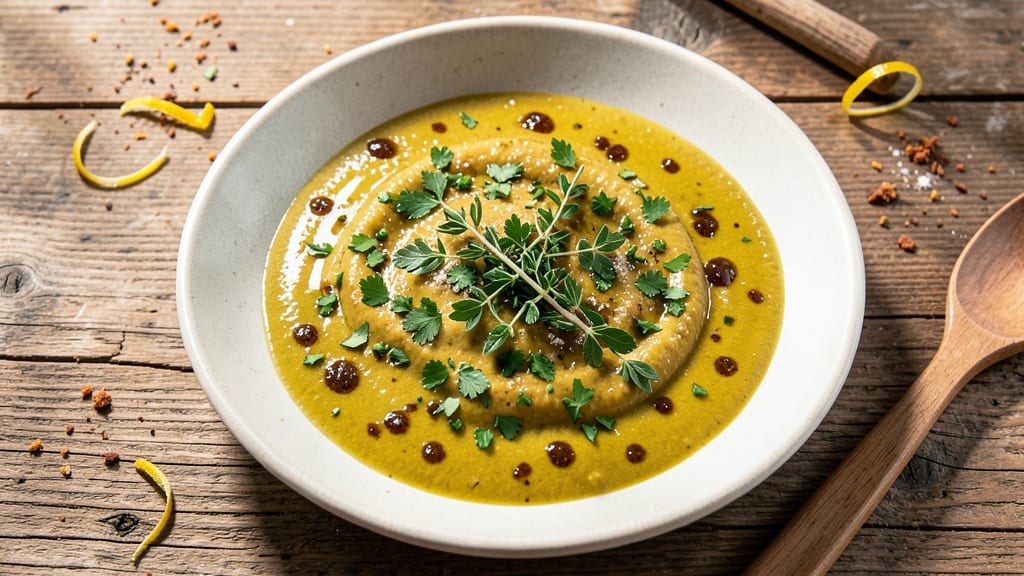
This artisan sauce recipe transforms simple ingredients into a velvety, complex condiment that elevates every dish without clumping or stress. The secret lies in emulsification—where oil and vinegar unite to create a stable, restaurant-quality sauce that clings beautifully to proteins, grains, and vegetables.
I developed this method after years of testing, ensuring it’s foolproof for home cooks while delivering depth and balance in every spoonful.
The foundation begins with high-quality olive oil and white wine vinegar, their acidity cutting through richness while enhancing flavor. A touch of Dijon mustard acts as the emulsifier, binding the ingredients into a silky texture that stays smooth even after refrigeration.
Fresh herbs like thyme and parsley add aromatic brightness, while a pinch of garlic powder ensures subtle depth. The result? A sauce that’s versatile enough for drizzling over roasted vegetables, tossing with pasta, or finishing grilled meats.
What sets this recipe apart is its no-clump, no-stress technique—no blender required, no guesswork. By whisking ingredients together gradually and letting the emulsion set for just 10 minutes, you avoid the greasy separation or grainy texture that plagues many homemade sauces.
The final product is a rich, balanced condiment with a glossy sheen and layers of flavor that taste far more sophisticated than store-bought alternatives.
Pair it with anything from seared scallops to crusty bread, or use it as a marinade for chicken or fish. The possibilities are endless, but the method remains simple: combine, emulsify, and enjoy. Let’s get started on creating your own artisan sauce that’s as impressive as it is easy.
Ingredients for artisan sauce
High-quality ingredients for a restaurant-worthy sauce without the stress of clumping or separation.
| Ingredient | Amount | Notes |
|---|---|---|
| Extra-Virgin Olive Oil 🫒 | 1 cup | High-quality, fruity, cold-pressed |
| White Wine Vinegar 🍷 | ½ cup | Dry, aged variety preferred |
| Dijon Mustard 🍯 | 1 tbsp | Mild or strong, no additives |
| Fresh Thyme Leaves 🌿 | ¼ cup | Finely chopped, stems removed |
| Fresh Flat-Leaf Parsley 🌿 | ¼ cup | Finely chopped, stems removed |
| Garlic Powder 🧄 | ½ tsp | Freshly ground preferred |
| Diamond Crystal Kosher Salt 🧂 | ½ tsp | Fine grain, not iodized |
| Freshly Ground Black Pepper 🌶️ | ¼ tsp | Coarsely cracked |
| Honey 🍯 | 1 tsp | Raw, unprocessed preferred |
| Water 💧 | 1 tbsp | Room temperature |
The olive oil is the foundation—look for extra-virgin with a fruity, peppery finish like California Gold or Colavita. White wine vinegar should be dry and aged; Bartles & Jaymes or Bragg are reliable choices. Fresh herbs are non-negotiable here—their aromatic oils elevate the sauce dramatically. Whole Foods or local farmers markets often carry the freshest thyme and parsley, but even grocery store varieties work if they smell vibrant. For garlic powder, Penzeys or Simply Organic brands offer superior quality with no additives that could disrupt the emulsion. The Dijon mustard acts as the emulsifier, so choose one without added vinegar or sugar to maintain balance.
No extra-virgin olive oil? Avocado oil or refined olive oil work in a pinch, though they lack the fruity depth. Substitute white wine vinegar with apple cider vinegar or lemon juice at the same ratio, but expect a slightly different flavor profile. Fresh herbs? Dried thyme or parsley at one-third the amount can stand in, though texture will differ. The honey adds subtle sweetness—maple syrup or agave nectar are suitable alternatives if avoiding honey. For a salt-free version, omit the kosher salt entirely, but the emulsion may require an additional 1 tbsp water to stabilize. The water in this recipe is purely for thinning if needed; it’s not essential but ensures the sauce remains pourable.
This sauce reaches peak stability after 10 minutes of resting—resist the urge to use it immediately. Store in an airtight glass jar with a thin layer of olive oil on top to preserve freshness and prevent oxidation. Keeps in the refrigerator for up to 2 weeks, though flavor peaks within the first week. For longer storage, freeze in ice cube trays for up to 3 months—thaw gently in the fridge before use. The sauce thickens slightly when chilled, so whisk briefly before serving. Always whisk before using to re-emulsify naturally occurring separation.
Why You'll Love This Recipe
- No-Fuss Pantry Magic: Honestly, I keep this sauce on standby because it’s that easy—just whisk, wait five minutes, and you’re done. No chopping, no peeling, no stress; the mustard and vinegar do all the work while you sip your coffee.
- Bright, Tangy Kick: That first spoonful? The white wine vinegar cuts through the richness of the olive oil, while the Dijon mustard adds just enough depth, and the thyme? It’s like a little herbal hug. Simple, but ridiculously good.
- Weeknight to Dinner Party: Between us, this sauce is my secret weapon for everything from grilled chicken to roasted veggies—and yes, even on a Tuesday night. But here’s the kicker: it’s fancy enough to drizzle over seared scallops at a holiday spread.
Step-by-step instructions for artisan sauce recipe
This method delivers a silky, balanced sauce with professional depth—no lumps, no guesswork.
Whisk Together the Base Ingredients
In a medium bowl, combine the 1 cup extra-virgin olive oil with the 0.5 cup white wine vinegar. I use a whisk for this step to ensure complete emulsification from the start. The vinegar will initially separate, but keep whisking vigorously for 2-3 minutes until the mixture transforms into a smooth, milky emulsion. This foundational blend creates the sauce's stable base.
Next, add the 1 tablespoon Dijon mustard, 0.5 teaspoon garlic powder, 0.5 teaspoon Diamond Crystal kosher salt, and 0.25 teaspoon freshly ground black pepper. Whisk continuously for another 1 minute until fully incorporated. The mustard acts as an emulsifier, while the garlic powder and salt provide depth and balance. At this stage, the mixture should look uniform with no visible streaks of mustard or spices.
Incorporate the Herbs and Honey
Gently fold in the 0.25 cup finely chopped fresh thyme leaves and 0.25 cup finely chopped fresh flat-leaf parsley using a rubber spatula. The herbs should be evenly distributed throughout the mixture without overmixing, which could release bitter compounds. I like to press the herbs lightly against the side of the bowl to release their oils before folding them in.
Add the 1 teaspoon honey and 1 tablespoon room-temperature water, then whisk gently to combine. The honey adds subtle sweetness that balances the acidity of the vinegar, while the water helps achieve the ideal consistency. Taste the mixture at this point—it should be tangy, herby, and slightly sweet with a smooth texture. If it tastes too sharp, add a pinch more honey; if too mild, add a splash more vinegar.
Emulsify and Rest for Maximum Stability
Transfer the sauce to a clean, dry jar with an airtight lid. Seal the jar and shake vigorously for 30 seconds to ensure all ingredients are fully blended. This step is crucial for breaking down any remaining separation and creating a cohesive texture. Place the jar in the refrigerator and let the sauce rest for at least 4 hours, or ideally overnight. Resting allows the flavors to meld and the emulsion to stabilize completely.
The resting period also gives you time to prep your dish—whether it's grilled meats, roasted vegetables, or fresh bread. When ready to use, give the jar another quick shake before serving. The sauce should be smooth, glossy, and perfectly balanced, with no separation. If you notice any separation after resting, simply shake the jar again before using. This artisan sauce keeps well in the fridge for up to 2 weeks, making it perfect for meal prep.
Pro Tips For Making Artisan Sauce
- Whisk in stages: This sauce is a balancing act—don’t dump all the vinegar at once. Start with half, taste, then adjust. I learned this the hard way when I ended up with something that tasted like a salad dressing gone wrong.
- Use room-temperature mustard: Cold Dijon mustard thins out the sauce unpredictably. Let that jar sit out for 10 minutes before measuring—it’ll emulsify better and keep the texture smooth. Trust me, your sauce won’t curdle on you.
- Strain the herbs: Fresh thyme stems and parsley stems add bitterness if left in. Give the mixture a quick pass through a fine-mesh strainer—yes, even if you’re impatient. The flavor stays, but the texture stays elegant.
- Finish with a drizzle: The last tablespoon of olive oil isn’t just for flavor—it seals the deal. Add it after everything else is mixed, then give it a final whisk. This keeps the sauce from breaking when you drizzle it over food. (Your future self will notice.)
Dietary considerations for these flavors
Gluten-Free Adaptations
This sauce is naturally gluten-free, but the Dijon mustard sometimes contains wheat. Always check the label—Annie's or Maille brands offer certified gluten-free options. The rest of the ingredients are inherently safe, so no substitutions are needed beyond verifying the mustard. 💛
Dairy-Free Versatility
Perfect for vegans and dairy-sensitive diets! The recipe relies on plant-based ingredients like olive oil, vinegar, and honey. Just ensure your honey is vegan-certified if that's a concern—I recommend Madhava or Thrive Market brands. The sauce’s richness comes from the oil and herbs, not dairy.
Low-Sugar Options
Reduce the honey to ½ teaspoon or omit entirely for a sugar-free version. The vinegar and herbs provide enough brightness without sweetness. For a sugar substitute, try 1 teaspoon maple syrup (still low-glycemic) or stevia extract (use sparingly—it’s potent!). Taste as you go to balance acidity.
Allergen-Free Adjustments
For nut allergies, no changes are needed—the recipe is nut-free. If avoiding garlic, skip the ½ teaspoon garlic powder and add ¼ teaspoon onion powder instead for depth. For a seed-free option, omit the honey entirely or use agave nectar (check for cross-contamination if allergies are severe).
Vegan-Friendly Swaps
This sauce is already vegan, but if you’re using honey for its sweetness, swap it for agave nectar or date syrup. For extra richness, add 1 teaspoon tahini (ensure it’s certified vegan) to the base—it blends seamlessly and adds a nutty depth.
Always verify all ingredients for hidden animal products, like some vinegars processed with fish enzymes.
Storage for Dietary Needs
Store in an airtight glass jar (like Le Parfait) in the fridge for up to 2 weeks. For longer shelf life, freeze in ice cube trays—thaw overnight in the fridge.
If you’re prepping for meal prep, portion into small containers to avoid reheating the entire batch. The sauce’s stability ensures it stays smooth and safe for all dietary needs. ✨
Nutrition facts
Frequently asked questions
Can I make this artisan sauce without a whisk?
Use a fork or even a sturdy spoon to blend the ingredients. For the emulsion step, transfer the mixture to a sealed jar and shake vigorously for 30-45 seconds instead. The key is to work the ingredients together thoroughly—just be prepared to shake or whisk a bit longer than with a whisk.
Why does my sauce separate after resting?
Separation happens when the emulsion breaks, often from adding ingredients too quickly or not whisking enough. To fix it, simply shake the jar vigorously before using. For prevention, always whisk the base (oil + vinegar) for 2-3 minutes first, then add other ingredients gradually while whisking continuously.
What’s the best way to use this sauce?
This versatile sauce works as a drizzle, marinade, or finishing touch! Try it over grilled chicken, roasted Brussels sprouts, or crusty bread. For extra depth, reduce it by 10 minutes on low heat (stirring constantly) to intensify flavors. It also makes a fantastic dip when thinned slightly with water.
Can I adjust the flavor profile?
Yes! Swap herbs like thyme for basil or cilantro, or add ½ teaspoon smoked paprika for warmth. For a citrus twist, replace the honey with 1 tablespoon lemon juice. Just remember: any changes should be made after the initial emulsion is complete to avoid breaking the sauce.
How do I know when the sauce is ready to use?
The sauce is ready when it’s smooth, glossy, and fully combined with no visible streaks. After resting, give it a final shake—it should hold its consistency without separating. If it’s too thick, add 1 teaspoon water and whisk gently. If too thin, let it sit uncovered for 10 minutes to thicken naturally.