
Sauces & Condiments
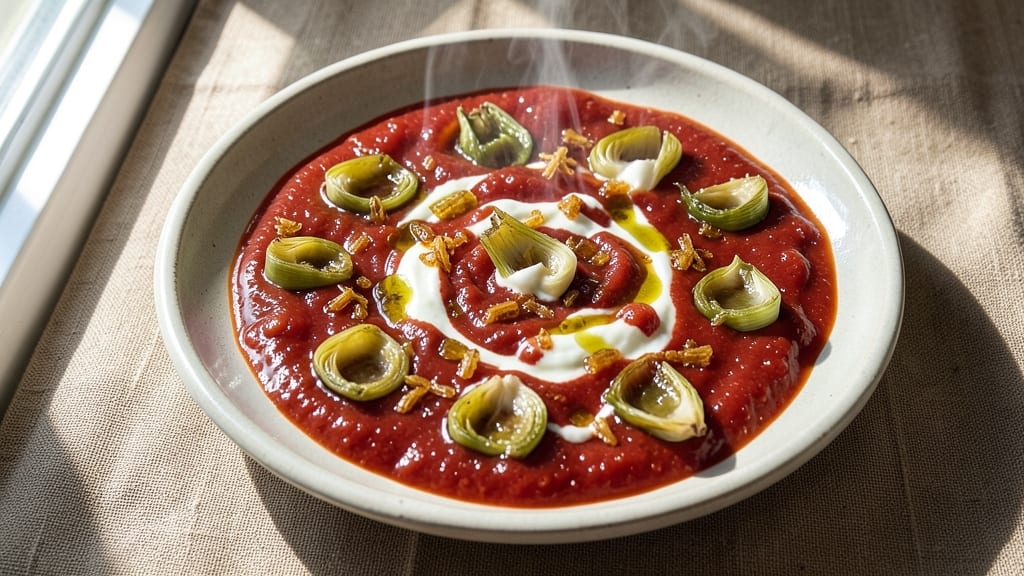
This artichoke pizza sauce recipe transforms your pizza night with a rich, herbaceous twist that combines smoky celery, tangy tomato, and briny artichoke hearts into a velvety sauce.
The secret lies in simmering fresh garlic and celery until deeply aromatic before blending with artichokes and a touch of cream—creating a sauce that’s far more complex than traditional marinara.
Perfect for vegans (just omit the cream) or anyone craving a restaurant-quality topping that’s equally at home on flatbread or as a pasta drizzle.
The foundation of this sauce is a slow-cooked tomato base that develops depth while celery and garlic caramelize into a smoky "crown" of flavor. Artichoke hearts add a subtle bitterness that balances the richness, while fresh basil and oregano bridge the gap between Italian and Mediterranean profiles.
What sets this apart is the texture—smooth yet slightly rustic, with just enough body to cling beautifully to cheese without overwhelming it.
With just 15 minutes of active prep and 20 minutes of simmering, you’ll have a sauce that elevates any pizza into a gourmet experience. The blend of umami from artichokes, sweetness from caramelized celery, and acidity from tomatoes creates layers of flavor that linger with every bite.
Store it in the fridge for up to 5 days or freeze for 3 months, making it ideal for meal prep or batch cooking.
Use this sauce on classic pepperoni pies, drizzle it over roasted vegetables, or even toss it with grilled chicken for a quick weeknight dinner. The versatility comes from its balanced profile—bold enough to stand alone but adaptable to any dish. Let’s get started!
Ingredients for artichoke pizza sauce
Nine ingredients, one sauce that tastes like you spent hours perfecting it.
| Ingredient | Amount | Notes |
|---|---|---|
| Celery Stalks 🥬 | 3 whole | Diced small for caramelization |
| Garlic Cloves 🧄 | 4 cloves | Minced for aromatic base |
| Artichoke Hearts 🍃 | 14 oz | Chopped from canned (water-packed) |
| Canned San Marzano Tomatoes 🍅 | 28 oz | Crushed by hand for texture |
| Heavy Cream 🥛 | ¼ cup | Optional for richness (omit for vegan) |
| Extra-Virgin Olive Oil 🫒 | ½ cup | High-quality for finishing |
| Fresh Basil Leaves 🌿 | ½ cup | Packed, stems removed |
| Dried Oregano 🍃 | 1 tsp | Mediterranean variety preferred |
| Salt 🧂 | 1 tsp | Diamond Crystal preferred |
| Black Pepper 🌶️ | ½ tsp | Freshly cracked preferred |
Celery and garlic are the flavor anchors here—Trader Joe's pre-cut celery saves time, but whole stalks caramelize better. Look for San Marzano tomatoes at Whole Foods or any well-stocked market—they're sweeter and less acidic than regular canned tomatoes. Artichoke hearts? Goya brand is my go-to for consistent quality, and water-packed keeps it cleaner than oil-packed. The olive oil matters too—skip the cheap stuff. California avocado oil or Italian extra-virgin makes all the difference in the final blend.
No fresh basil? Dried at half the amount works, but it won't have that bright pop. Running low on cream? Coconut milk or cashew cream keeps it vegan without sacrificing texture. The oregano can be swapped for thyme or marjoram if you're feeling experimental, but Mediterranean oregano has that perfect balance. For the tomatoes, if you can't find San Marzano, Muir Glen is a solid backup. And if you're making this ahead, freeze the sauce in ice cube trays for perfect portions later.
This sauce keeps 5 days in the fridge, but honestly it tastes better the next day as everything melds. For freezing, portion into 4-ounce containers—perfect for pizza nights. The celery and garlic base can be prepped ahead and stored in the fridge for 2 days before cooking. If you're making a big batch, double the recipe—it disappears fast. And if you have leftovers? Toss them with pasta and fresh herbs for a quick dinner.
Why You'll Love This Recipe
- No-Chop Needed: I swear by this—just rough-chop the celery and artichokes, no dicing required. The San Marzano tomatoes handle the rest, so you’re done before the garlic even smells done.
- Creamy Rich Twist: That heavy cream turns ordinary pizza night into something decadent. The artichokes add a briny, buttery depth, while the celery keeps it from being too heavy—like a hug in sauce form.
- Game for Any Night: Use it on pizza, toss it with pasta, or slather it on garlic bread. Honestly, I’ve even used it as a dip for crusty bread when I’m too tired to cook—works every time.
- Leftovers That Shine: This sauce actually improves the next day. The flavors meld, and the cream thickens just enough to make it perfect for quick weeknight dinners. (Yes, even on a Tuesday night.)
Step-by-step instructions for artichoke pizza sauce
This sauce builds flavor in layers—first caramelizing celery, then blending artichokes into a velvety tomato base.
Caramelize Celery and Garlic for Depth
Heat the 0.5 cup extra-virgin olive oil in a medium saucepan over medium-low heat. Add the 3 whole celery stalks, diced small, and cook for 10-12 minutes until deeply golden and tender. Stir occasionally—the longer you cook, the sweeter and more complex the flavor becomes.
Push the celery to the sides and add the 4 cloves garlic, minced. Cook for 1-2 minutes until fragrant but not browned. Here's the thing—if you rush this step, you'll miss the smoky backbone that makes this sauce special. The celery should be so tender it practically falls apart when pressed with a spoon.
Build the Tomato Base
Add the 28 oz canned San Marzano tomatoes, crushed by hand, to the pan. Stir well to combine with the celery and garlic. Bring to a gentle simmer over medium heat, then reduce to low heat and cook uncovered for 15-20 minutes. You're looking for a thickened consistency—about 1 cup of reduced sauce.
Season with 1 tsp salt and 0.5 tsp black pepper, then stir in the 1 tsp dried oregano. Taste the sauce at this stage—it should be tangy from the tomatoes and sweet from the caramelized celery. If it needs more depth, add 1-2 tablespoons water and simmer another 5 minutes. This is where the sauce's character develops.
Blend in Artichokes for Texture
Using an immersion blender (or carefully transferring to a countertop blender), purée the 14 oz artichoke hearts, chopped from canned, directly into the sauce. Blend until smooth but still slightly textured—you want visible artichoke flecks for contrast. If the sauce thickens too much during blending, thin with 1-2 tablespoons water.
Return the blended sauce to the pan and stir in the 0.25 cup heavy cream (if using). Simmer for 3-4 minutes until warmed through. The cream adds richness, but don't skip it if you're avoiding dairy—just omit it and the sauce will still be delicious. Taste again and adjust seasoning if needed.
Finish with Fresh Basil and Olive Oil
Remove the pan from heat and stir in the 0.5 cup fresh basil leaves, packed and stems removed. Let the sauce sit for 5 minutes—this allows the basil's bright flavor to infuse without overpowering. Drizzle in the remaining 0.25 cup extra-virgin olive oil (you'll have about 0.25 cup left after initial cooking) and stir gently.
The finished sauce should coat the back of a spoon with a velvety texture and a balance of smoky celery, tangy tomato, and herbal artichoke notes. Let it cool slightly before using—this allows flavors to meld further. This sauce keeps well in the fridge for 5 days or freezes beautifully for 3 months.
Pro Tips For Making Artichoke Pizza Sauce
- Sweat the Celery: Don’t just chop it—sweat the celery in a dry pan for 3-4 minutes before adding garlic. This softens the fibers and deepens the flavor, so it blends smoothly into the sauce instead of turning mushy or bitter. (Yes, it’s an extra step, but your sauce will thank you.)
- Chop Artichokes Small: Cut the artichoke hearts into ¼-inch pieces, not chunks. They’ll distribute evenly and cook faster, so you don’t end up with uneven texture or a sauce where some pieces stay rock-hard. (I learned this after serving a pizza with one giant, undercooked artichoke heart—no one wants that.)
- Simmer Heavy Cream Slow: Stir in the heavy cream off the heat or at the lowest simmer. If you boil it, it’ll curdle and split the sauce like a bad milkshake. Just let it warm through for 2-3 minutes while you finish everything else—patience here keeps the sauce luscious.
- Drain Tomatoes Twice: Open the San Marzano cans, dump the tomatoes into a fine-mesh strainer, and let them drain for 10 minutes before using. This removes excess liquid and prevents a watery sauce, especially if you’re reducing it later. (I know it’s tempting to just scoop straight from the can, but trust me on this one.)
Flavor customization for these flavors
Smoky-Sweet Variations
For a deeper smoky flavor, add ½ tsp smoked paprika or 1 tsp liquid smoke when simmering the tomato base. I love using Trader Joe's smoked paprika—it’s consistent and adds a subtle char that pairs perfectly with the celery’s natural sweetness.
For extra depth, caramelize ½ small red onion with the celery for 8-10 minutes before adding garlic. 🔥
Herbal Twists
Swap out the basil for fresh thyme or rosemary if you prefer an earthier profile. I’ve found that 2 tbsp chopped rosemary (added with the basil) brings a piney note that works beautifully with artichokes.
For a Mediterranean touch, add ½ tsp dried marjoram along with the oregano—it’s sweeter and more floral. Fresh herbs should always be added at the end to preserve their brightness.
Spicy Kick Options
Add heat with ½ tsp red pepper flakes or 1-2 slices of fresh jalapeño (seeds removed) when blending the artichokes. For a smoky-spicy combo, stir in ½ tsp chipotle powder with the oregano.
I like to balance this with a touch more cream or olive oil to mellow the intensity. Always taste as you go—you can always add more heat later!
Umami Boosters
For an extra umami punch, stir in 1 tbsp soy sauce or ½ tsp fish sauce (if not vegan) during the final simmer. I’ve also had great success with 1 tsp miso paste, dissolved in a splash of water before adding to the sauce.
These ingredients deepen the savory notes without overpowering the artichoke’s natural brininess. 💫
Creamy or Dairy-Free
Skip the heavy cream entirely for a lighter sauce, but add 2 tbsp nutritional yeast for a cheesy, umami-rich flavor. For a richer vegan option, stir in ¼ cup coconut milk or 2 tbsp cashew cream during the final simmer. The sauce will still be velvety—just
Sweet-Tangy Balance
Brighten the sauce with 1 tsp balsamic vinegar or ½ tsp honey during the final simmer. I often add both for a perfect balance of sweet and tangy. For a fruitier twist, blend in 2 tbsp sun-dried tomatoes (oil-packed) with the artichokes. This adds a concentrated burst of sweetness that cuts through the richness beautifully.
Nutrition facts
Frequently asked questions
Can I make this artichoke sauce without celery?
Yes, but you'll lose some of the sauce's signature smoky depth. For a substitute, try ½ cup finely diced fennel bulb (it adds a subtle licorice note) or ½ cup caramelized onion (cook for 10 minutes until golden). If you're avoiding both, simply reduce the olive oil to ¼ cup and add ½ tsp fennel seeds during the tomato simmer for a similar aromatic profile.
How do I adjust this sauce for a vegan diet? Omit the heavy cream and use ¼ cup coconut milk or 2 tbsp cashew cream instead for richness. For extra umami, stir in 2 tbsp nutritional yeast during the final simmer. The sauce will maintain its velvety texture while staying completely plant-based.
Can I use jarred artichoke hearts instead of canned?
Just drain and rinse them thoroughly to remove excess sodium. Jarred hearts work perfectly and often have a slightly firmer texture that holds up better in the sauce. For best results, chop them into ¼-inch pieces before blending to ensure even distribution. The flavor difference is minimal, but jarred hearts tend to be less watery than canned.
Why does my sauce taste too bitter?
Overcooking the celery or tomatoes can create bitterness. To fix it, stir in ½ tsp honey or 1 tsp balsamic vinegar during the final simmer to balance the flavors. For prevention, reduce the tomato simmering time to 10-12 minutes and add a pinch of sugar if your tomatoes are particularly acidic. The artichokes themselves shouldn't contribute bitterness if they're fresh and properly drained.
How much sauce should I use for a 12-inch pizza?
Spread about ½ to ⅔ cup of this artichoke sauce over a 12-inch pizza crust. The sauce is rich and flavorful, so you don't need a thick layer. For a more traditional pizza, add ¼ cup marinara sauce underneath the cheese first, then top with your artichoke sauce. This creates beautiful flavor layers while preventing soggy crust.