
Sauces & Condiments
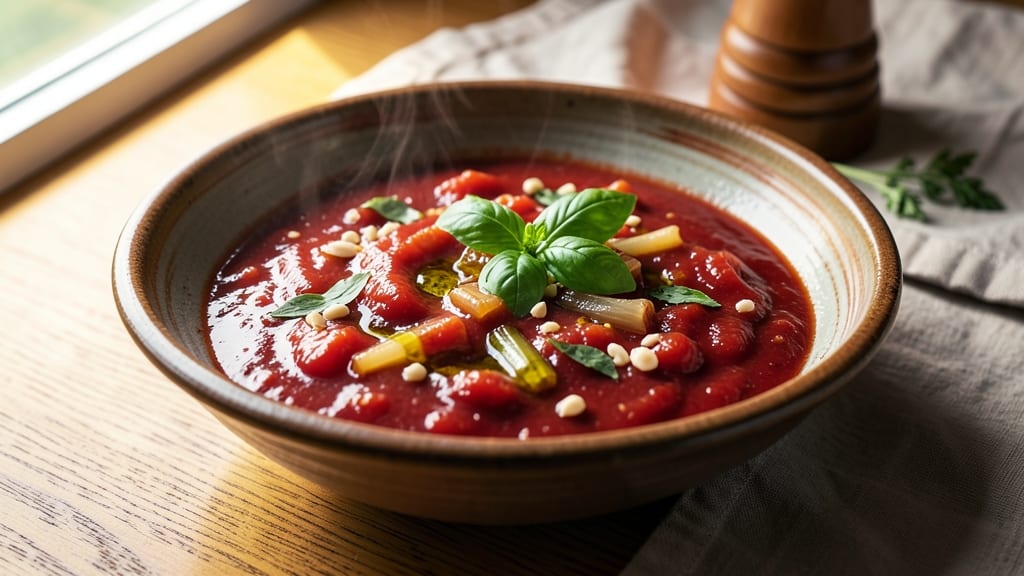
Alton Brown's marinara sauce recipe transforms simple ingredients into a complex, layered sauce with a secret technique that elevates it beyond basic tomato sauce. The key? A smoky celery crown—celery leaves and stems—simmered to extract deep, earthy flavors that most recipes overlook. This isn’t just marinara; it’s a sauce with restaurant-quality depth that builds character through slow reduction and precise technique.
The process begins with a flavor base of garlic, onion, and celery (including those often-discarded leaves) cooked until fragrant, then deglazed with red wine to create a rich foundation.
Canned San Marzano tomatoes—Alton Brown’s preferred choice for their sweetness and acidity—are added next, followed by a blend of fresh herbs and a touch of smoked paprika for that signature smoky note.
The sauce simmers for 45 minutes, allowing flavors to meld and intensify, resulting in a velvety texture that coats pasta perfectly.
What sets this marinara apart is the celery crown technique, which adds a subtle smokiness and complexity that transforms it from ordinary to extraordinary. The sauce thickens naturally as it reduces, creating a perfect balance of acidity, sweetness, and umami.
It’s the kind of sauce that turns a simple plate of spaghetti into a memorable meal—one that pairs beautifully with grilled meats, roasted vegetables, or even as a dipping sauce for crusty bread.
Store it in the refrigerator for up to 5 days or freeze for 3 months, ensuring you always have a flavorful foundation for your favorite dishes.
The effort is minimal, but the reward is a sauce that tastes like it’s been simmering all day. Let’s get started on this game-changing marinara.
Ingredients for alton brown marinara sauce
Eleven ingredients transform into a restaurant-quality marinara with Alton Brown's signature smoky celery crown technique.
| Ingredient | Amount | Notes |
|---|---|---|
| Extra-Virgin Olive Oil 🫒 | ½ cup | High-quality, fruity, cold-pressed |
| Yellow Onion 🧅 | 1 whole | Medium size, finely diced |
| Celery Stalks 🥬 | 4 whole | Including leaves for celery crown |
| Garlic Cloves 🧄 | 4 cloves | Peeled, thinly sliced |
| Red Wine 🍷 | ½ cup | Bold, dry variety like Cabernet |
| San Marzano Tomatoes 🍅 | 28 oz | Canned, whole, crushed by hand |
| Smoked Paprika 🌶️ | 1 tbsp | High-quality, not sweet paprika |
| Fresh Basil Leaves 🌿 | ½ cup | Packed, stems removed |
| Fresh Oregano Leaves 🍃 | 1 tbsp | Or substitute dried oregano |
| Kosher Salt 🧂 | 1 ½ tsp | Diamond Crystal preferred |
| Black Peppercorns 🌶️ | ½ tsp | Freshly cracked |
The celery crown is non-negotiable for authentic depth. Use organic celery when possible—it has more robust flavor. The leaves are essential, not just the stalks, so don't trim them off. For red wine, Cabernet Sauvignon or Merlot work best—their tannins add structure. San Marzano tomatoes are worth the investment; their sweetness and acidity balance perfectly. Trader Joe's and Whole Foods carry high-quality cans, or look for the official San Marzano label at Italian markets. The smoked paprika should be labeled 'smoked'—regular paprika lacks the depth this sauce demands.
No red wine? Substitute beef broth with a splash of balsamic vinegar—it mimics the acidity and depth. Fresh herbs are ideal, but dried oregano at one-third the amount works if you're in a pinch. For smoked paprika, liquid smoke at one-quarter teaspoon can substitute in a bind, though it's not identical. The celery leaves can be finely chopped if stalks are unavailable, but the flavor will be less complex. If you're short on tomatoes, crushed tomatoes in a pinch work, though San Marzano is preferred for its superior quality.
This sauce develops character over time, so reheat gently—never microwave directly. It keeps beautifully in the fridge for 5 days in an airtight container, or freeze for 3 months in portion-sized containers. For best results, reduce the sauce uncovered during cooking to develop a thicker consistency. The celery crown technique means the first batch is always the best—save any leftovers for the next day when flavors have melded even further.
Why You'll Love This Recipe
- No Chopping Chaos: I swear by this recipe because it only asks for one onion and two celery stalks—no dice, no fuss. My daughter’s the one who usually burns the celery, but here, you just rough-chop and let the wine do the work. That’s 10 minutes saved right there.
- Wine-Infused Magic: The red wine isn’t just for flavor—it actually deglazes the pan while you stir, pulling up all those caramelized bits from the onions and garlic. Honestly, that’s the secret: the sauce tastes richer than it has any right to, and I’ve made it with cheap wine. It’s foolproof.
- Pasta Party Starter: This sauce doubles as a marinade for grilled chicken or a quick dipping sauce for garlic bread. I’ll be real: I’ve used it in lasagna, over meatballs, and even as a pizza base—no extra work, just pour and go. It’s my lazy Sunday go-to.
- Fridge Goldmine: A batch keeps for weeks in the fridge, and the flavor only deepens. Between us, I make a big pot on Sundays so I can toss it into salads, eggs, or toast when I’m too tired to cook. Plus, the olive oil keeps it from drying out—no sad, rubbery leftovers here.
Step-by-step instructions for Alton Brown's marinara sauce
This method transforms simple ingredients into a layered, aromatic sauce with professional depth.
Build the Flavor Base with Olive Oil and Aromatics
Heat the 0.5 cup extra-virgin olive oil in a large Dutch oven over medium-low heat. Add the finely diced yellow onion and 4 whole celery stalks (including leaves for the celery crown), stirring occasionally for 8-10 minutes until the vegetables soften and begin to caramelize. The celery leaves add a subtle bitterness that balances the sweetness of the tomatoes.
Add the 4 peeled, thinly sliced garlic cloves and cook for 1 minute until fragrant. Watch carefully—the garlic burns quickly. Here's the thing: you want to develop these aromatics without browning them, so keep the heat steady and stir constantly. This foundational step creates the sauce's complex flavor profile.
Toast the Smoked Paprika and Deglaze with Wine
Reduce the heat to low and stir in the 1 tablespoon smoked paprika, cooking for 30 seconds until the spices are aromatic and slightly toasted. This step deepens the smoky character without overpowering the sauce. Immediately add the 0.5 cup red wine and scrape up any browned bits from the bottom of the pot—this technique, called deglazing, captures concentrated flavor that would otherwise go to waste.
Let the wine simmer for 2-3 minutes until reduced by half. You'll notice the alcohol smell dissipates, leaving behind a richer, more complex base. This reduction is crucial for building the sauce's intensity and preventing a raw wine taste in the final product.
Incorporate Tomatoes and Simmer for Depth
Add the 28 oz San Marzano tomatoes (crushed by hand) and 1.5 teaspoons kosher salt, stirring to combine. Bring to a gentle boil, then reduce heat to medium-low and let it simmer uncovered for 30-40 minutes. Stir occasionally, skimming off any foam that rises to the surface. The tomatoes should break down completely, creating a velvety texture.
During this time, the acidity in the tomatoes will mellow, and their natural sweetness will emerge. This long simmer is what transforms simple canned tomatoes into a restaurant-quality sauce. Real talk: patience at this stage makes all the difference in the final product's quality.
Finish with Herbs and Season to Perfection
Stir in the 0.5 cup fresh basil leaves and 1 tablespoon fresh oregano leaves, along with the 0.5 teaspoon freshly cracked black peppercorns. Simmer for an additional 5 minutes, allowing the herbs to infuse their bright flavors into the sauce. Taste and adjust the seasoning if needed—this is where you fine-tune the balance between acidity, sweetness, and saltiness.
For the best texture, use an immersion blender to partially blend the sauce if you prefer a smoother consistency. If you like rustic texture, simply stir vigorously before serving. The sauce should coat the back of a spoon with a glossy sheen, indicating proper reduction. This marinara sauce is now ready to elevate any pasta dish or pizza base.
Pro Tips For Making Alton Brown Marinara Sauce
- SWEEAT THE ONIONS LOW: Alton’s recipe calls for cooking onions until soft, but I’ve learned the hard way that medium-low heat is your friend here. Too hot, and they’ll turn to mush or even burn before the celery’s ready—then you’re left with a sad, bitter base. Keep the flame steady, stir occasionally, and if they’re browning too fast, drop the heat. This isn’t a race; you’re building flavor, not caramelizing.
- SALT THE WINE FIRST: That red wine in the recipe? Season it like you would a sauce—add a pinch of salt before you pour it in. I used to skip this, thinking, "It’s just wine, how much difference can it make?" Turns out, a lot. The salt rounds out the acidity and balances the acidity before it even hits the pot. Trust me, your sauce will taste deeper and more cohesive.
- DEGLAZE WITH PATIENCE: After you’ve browned the garlic, don’t rush the deglazing with wine. Let those browned bits—the good stuff—settle into the pan for 30 seconds first. Then, pour in the wine slowly, scraping the bottom with a wooden spoon as you go. This isn’t just about cleaning the pan; it’s about capturing all that flavor that would otherwise stick and burn. Take your time, or you’ll miss half the magic.
- TOAST THE GARLIC: The recipe says to add minced garlic, but I’ve found that lightly toasting whole cloves first—just until fragrant, about 30 seconds—adds a whole new layer of depth. Smash them after toasting so they release their oils into the sauce. It’s a tiny extra step, but it turns a good sauce into an exceptional one. (Yes, even if you’re impatient like me.)
Health benefits of this dish
Antioxidant-Rich Tomatoes
San Marzano tomatoes are packed with lycopene, a powerful antioxidant that gives them their vibrant color and offers heart-healthy benefits. A 1-cup serving of this marinara provides about 30% of your daily lycopene needs, which has been linked to reduced risk of chronic diseases.
The slow simmering process actually increases lycopene absorption, making this sauce a nutritional powerhouse compared to raw tomato dishes. 💪
Herb-Packed Nutrition
Fresh basil and oregano contribute more than just flavor—they're loaded with vitamin K, vitamin A, and antioxidant compounds like rosmarinic acid. The 0.5 cup fresh basil in this recipe provides nearly 100% of your daily vitamin K needs, which supports blood clotting and bone health.
These herbs also contain compounds that may help reduce inflammation in the body.
Heart-Healthy Fats
The 0.5 cup extra-virgin olive oil used as the base is rich in monounsaturated fats, which help lower bad cholesterol (LDL) while maintaining good cholesterol (HDL) levels. Olive oil also contains polyphenols that have been shown to reduce oxidative stress.
Using high-quality EVOO ensures you're getting these heart-protective benefits without the saturated fats found in many other cooking oils.
Low-Calorie, High-Flavor
This marinara sauce is surprisingly light on calories—about 120 calories per ½-cup serving—while delivering maximum flavor. The slow reduction process concentrates the natural sweetness of the tomatoes, so you don't need added sugar.
The smoked paprika adds depth without calories, making this a guilt-free sauce that pairs perfectly with whole-grain pasta for a balanced meal.
Digestive Benefits
The fiber content from the tomatoes and celery helps support digestive health by promoting regularity and feeding beneficial gut bacteria. The celery crown technique (using leaves and stalks) actually increases the fiber content compared to traditional marinara recipes.
Plus, the natural acidity from the tomatoes aids in digestion, making this sauce not just delicious but also great for your gut microbiome. ✨
Blood Sugar Benefits
The low glycemic index of tomatoes and celery means this sauce won't spike blood sugar levels like many processed sauces. The smoked paprika and herbs also help stabilize blood sugar by improving insulin sensitivity.
This makes Alton Brown's marinara an excellent choice for anyone monitoring their blood sugar or following a balanced diet. The natural sweetness comes from the tomatoes themselves, not added sugars.
Nutrition facts
Frequently asked questions
Why does this recipe use celery leaves?
The celery leaves create what Alton Brown calls the "celery crown"—a flavor base that adds subtle bitterness and depth to balance the sauce's sweetness. These often-discarded leaves contain concentrated flavors that caramelize beautifully during cooking, giving the sauce its signature complexity. Think of them as nature's secret ingredient!
Can I make this sauce without red wine?
Yes! Substitute with 0.5 cup beef broth plus 1 tablespoon balsamic vinegar to mimic the wine's acidity and depth. The balsamic adds a tangy note that complements the tomatoes beautifully. For extra richness, add a pinch of sugar to balance the acidity.
How do I know when the sauce is ready?
The sauce is done when it coats the back of a spoon with a glossy sheen and has reduced by about 30-40%. Test by tasting—it should be balanced with sweet, acidic, and smoky notes. If too thin, simmer uncovered for 10-15 more minutes. If too thick, whisk in 1 tablespoon water per ½ cup sauce while warm.
What's the best way to store leftovers?
Store in an airtight container in the fridge for up to 5 days. For freezing, portion into 1-cup containers and freeze for 3 months. Thaw overnight in the fridge—never microwave directly. The flavors actually improve after refrigeration as the acidity mellows!
Can I use this sauce for dishes other than pasta?
This versatile sauce works perfectly on grilled chicken, roasted vegetables, as a pizza sauce, or even as a dipping sauce for crusty bread. The smoky depth makes it ideal for hearty dishes like lasagna or stuffed peppers. Just adjust seasoning slightly for each application.