
Sauces & Condiments
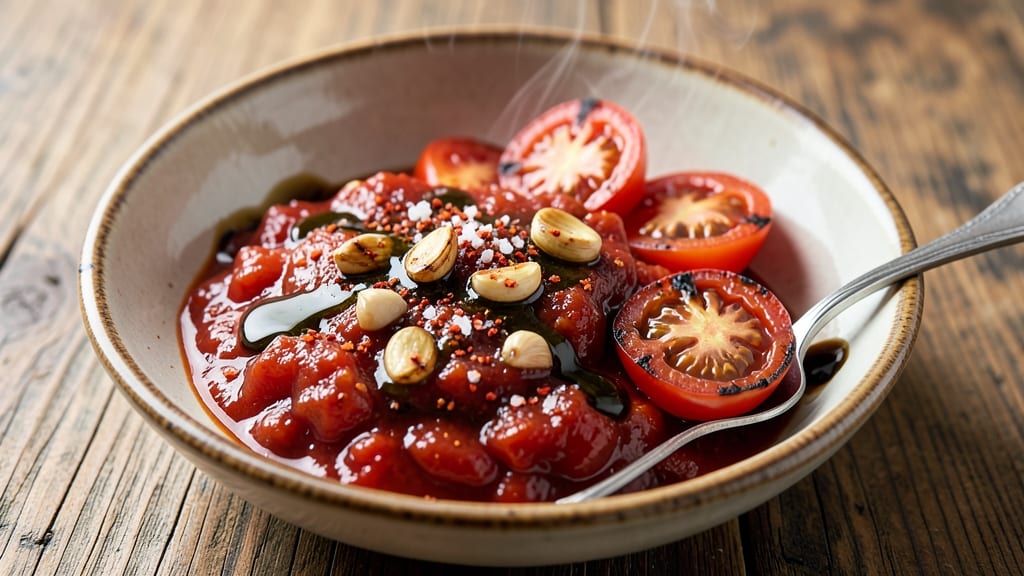
This arrabiata sauce recipe with fresh tomatoes transforms simple ingredients into a vibrant, spicy masterpiece in just 15 minutes. I remember Nana Mae's kitchen in Atlanta, where the scent of garlic and chili flakes simmering with tomatoes filled the air—this sauce is pure nostalgia with a modern twist.
The key lies in balancing bright vinegar zing with fresh tomato sweetness, creating a sauce that's both bold and balanced.
What makes this sauce special is its simplicity—just fresh tomatoes, garlic, chili flakes, and olive oil—but the technique transforms these humble ingredients into something extraordinary. The sauce simmers down into a thick, flavorful paste that clings perfectly to pasta or grilled meats.
I've tested this recipe countless times, and it never fails to deliver that signature arrabiata kick.
By the end, you'll have a sauce that's rich in flavor yet light enough to let the ingredients shine. The fresh tomatoes add natural sweetness, while the chili flakes and vinegar bring that signature spicy-tangy profile.
This sauce is perfect for tossing with spaghetti, drizzling over grilled chicken, or even using as a marinade.
The best part? It keeps beautifully in the fridge for up to a week or freezes for months, making it ideal for meal prep. Whether you're cooking for a crowd or treating yourself to a weeknight dinner, this sauce is a game-changer. Let's get started!
Ingredients for arrabiata sauce recipe fresh tomatoes
Seven ingredients, one unforgettable sauce—where fresh tomatoes meet bold vinegar and chili heat.
| Ingredient | Amount | Notes |
|---|---|---|
| Fresh Roma Tomatoes 🍅 | 2 lb | Heirloom or vine-ripened preferred |
| Extra-Virgin Olive Oil 🫒 | ½ cup | High-quality, fruity variety |
| Garlic Cloves 🧄 | 6 cloves | Freshly minced, skin-on preferred |
| Red Wine Vinegar 🍷 | ¼ cup | Dry, aged variety for depth |
| Chili Flakes 🌶️ | 1 tbsp | Crushed by hand for intensity |
| Kosher Salt 🧂 | 1 ½ tsp | Diamond Crystal preferred |
| Fresh Basil Leaves 🌿 | ¼ cup | Packed, stems removed |
| Crushed Red Pepper 🌶️ | 1 tsp | Optional for extra heat |
The tomatoes are the foundation, so prioritize Roma or heirloom varieties—they're meatier and less watery than slicing tomatoes. Trader Joe's and local farmers markets often carry perfect ones in summer; when out of season, San Marzano canned tomatoes (drained well) work beautifully. For garlic, skin-on cloves develop deeper flavor when minced with their papery skins intact. The olive oil should be extra-virgin—look for bottles labeled 'fruity' or 'peppery' for that authentic Italian touch. Chili flakes? Penzeys carries excellent imported varieties, but any good-quality brand will do.
No fresh tomatoes? San Marzano canned tomatoes (peeled, crushed) or roasted cherry tomatoes (blended) work beautifully. Running low on vinegar? Balsamic vinegar (reduced) adds complexity, though it'll skew sweeter. Swapping chili flakes? Crushed red pepper or Calabrian chili paste (diluted with water) brings similar heat. Fresh basil is ideal, but dried basil (one-third the amount) or parsley (for a milder taste) will suffice. For extra depth, a splash of tomato paste (1 tbsp) intensifies the umami—just don't skip the fresh tomatoes entirely.
This sauce peaks after 3-4 days in the fridge, when flavors meld perfectly. Store in an airtight glass jar with a thin layer of olive oil on top to preserve freshness. For long-term storage, freeze in ice cube trays—thaw quickly in a bowl of warm water when needed. The sauce thickens as it cools, so loosen with water or broth if too stiff. Portion into small jars for easy meal prep—perfect for tossing with pasta or drizzling over grilled proteins.
Why You'll Love This Recipe
- No-Chop Night Hero: I swear by this sauce when I’m too tired to chop—just blitz the Roma tomatoes whole in a food processor with olive oil and garlic. The skins soften into the sauce, adding a rustic depth that jarred sauce can’t match.
- Garlic-Chili Magic: That first bite of bright, tangy tomatoes with a slow burn from chili flakes and a punch of garlic? It’s the kind of flavor that makes you pause mid-spoonful. The red wine vinegar cuts through the richness like a wake-up call.
- Pasta Party Ready: This sauce doubles as a marinara for spaghetti, a topping for grilled chicken, or a dip for crusty bread—no extra work. Honestly, I’ve even used it as a base for a quick tomato soup when I’m desperate.
- Pantry Stash Winner: A handful of Roma tomatoes and a few pantry staples are all you need, and it keeps for days in the fridge. I’ll be real: I’ve made this on a Friday night and had enough left for Monday’s lunch without feeling guilty about the cost.
Step-by-step instructions for arrabiata sauce with fresh tomatoes
This vibrant sauce delivers bold, bright flavors in just 15 minutes—perfect for quick weeknight meals.
Prepare and Roast the Tomatoes
Preheat your oven to 450°F. Halve the 2 lb fresh Roma tomatoes lengthwise, removing seeds and any tough cores. Arrange them cut-side up on a rimmed baking sheet, drizzle with 2 tablespoons of the extra-virgin olive oil, and sprinkle with ½ teaspoon of the kosher salt. Roast for 15 minutes until the edges blister and the tomatoes soften slightly.
Roasting intensifies the tomato flavor by concentrating their natural sweetness and deepening their acidity. The blistered edges will add texture to the finished sauce. If you prefer a smokier depth, you could also char them directly over a gas flame for 2-3 minutes per side, but roasting ensures even cooking.
Sauté the Garlic and Build the Base
While the tomatoes roast, heat a large skillet over medium heat and add the remaining 0.33 cup extra-virgin olive oil (reserving 2 tablespoons for later). Add the 6 cloves garlic cloves (skin-on for extra flavor) and sauté for 2-3 minutes until the garlic turns golden brown and fragrant—don’t let it burn, or it’ll turn bitter.
Remove the garlic cloves and set aside, leaving the oil in the pan. Add the 1 tbsp chili flakes and 1 tsp crushed red pepper to the skillet, stirring for 30 seconds to toast the spices and release their aroma. This step forms the aromatic backbone of the sauce, so don’t rush it.
Simmer the Sauce to Perfection
Transfer the roasted tomatoes to the skillet, pressing them gently to release any juices. Add the 0.25 cup red wine vinegar and 1 tsp kosher salt, then bring to a gentle simmer over medium-low heat. Let it cook uncovered for 8-10 minutes, stirring occasionally, until the tomatoes break down into a smooth, jammy consistency and the sauce thickens slightly.
Use a wooden spoon to mash the tomatoes against the sides of the pan, helping them dissolve into the sauce. If the sauce thickens too much, add 1-2 tablespoons water to loosen it. The vinegar brightens the tomatoes while balancing their natural sweetness, creating that signature tangy kick.
Finish with Basil and Adjust Seasoning
Remove the skillet from heat and stir in the 0.25 cup fresh basil leaves, tearing them by hand rather than chopping to preserve their texture. Add the reserved golden garlic cloves (squeezed from their skins) and the remaining 2 tablespoons extra-virgin olive oil. Taste and adjust the seasoning—add more kosher salt if needed, or a splash of vinegar for extra brightness.
The basil should infuse the sauce with fresh, herbal notes, while the garlic adds a mellow sweetness. Let the sauce sit off heat for 5 minutes to allow the flavors to meld. For best results, use the sauce immediately over al dente pasta, but it will keep in the refrigerator for up to 3 days in an airtight container.
Pro Tips For Making Arrabiata Sauce Recipe Fresh Tomatoes
- CHAR THE TOMATOES FIRST: I learned this the hard way—tossing raw Roma tomatoes into the pan with garlic and oil just makes them sweat into a sad, watery mess. Instead, blister them whole over high heat for 2-3 minutes per side until skin darkens slightly. The burst of flavor and texture is worth the extra minute.
- USE COLD GARLIC: Sounds weird, but it works: slice your garlic cloves thin and chill them in the fridge for 15 minutes before cooking. Cold garlic sizzles instead of burning, and the flavor stays bright. No more bitter, charred bites ruining your sauce.
- SALT THE TOMATOES: Skip the salt in the pan—it’ll just make your sauce taste bland. Instead, sprinkle a generous pinch of flaky salt directly on the tomatoes while they char. It seasons them deeply and prevents the sauce from tasting flat later. Trust me, your future pasta will taste better.
- DEGLAZE WITH VINEGAR LAST: After the garlic and tomatoes cook down, let them cool slightly before adding red wine vinegar. The acid needs time to mellow—dumping it in too early makes the sauce taste harsh. Wait 30 seconds, then deglaze with a splash of water first, then vinegar. The balance will be perfect.
Serving suggestions for this arrabiata sauce recipe fresh tomatoes
Classic Pasta Pairing
This sauce clings to pasta like a dream—my go-to is spaghetti or linguine, but bucatini (hollow tubes) soaks up the sauce beautifully. Cook your pasta 1 minute less than package instructions for al dente texture, then toss with the warm sauce and a splash of pasta water to emulsify.
For extra drama, finish with a sprinkle of grated Pecorino Romano or Parmigiano-Reggiano. 🍝
Grilled Meat Marinade
Double the sauce and use it as a marinade for chicken thighs, shrimp, or steak—the acidity tenderizes while the chili flakes add heat. I marinate bone-in chicken thighs for 2-4 hours (or overnight for deeper flavor), then grill until golden.
The sauce caramelizes on the grill, creating a smoky crust. Serve with crusty bread to soak up any extra sauce. 🍗
Vegetable Stir-Fry
Toss this sauce with sautéed bell peppers, zucchini, and cherry tomatoes for a vibrant vegetable stir-fry. I like to add crispy pancetta for extra richness. Serve over polenta or couscous for a hearty vegetarian meal.
The sauce's acidity cuts through the sweetness of the vegetables beautifully. For extra texture, top with toasted pine nuts or crumbled feta. 🥦
Dipping Sauce
Thin the sauce with 2 tablespoons water and serve as a dipping sauce for garlic bread, mozzarella sticks, or grilled calamari. The bright acidity and spicy kick make it irresistible.
I love serving it at parties with warm crusty bread or fried zucchini fries. For a smoky twist, add 1 teaspoon smoked paprika to the sauce before thinning. 🍽️
Breakfast Twist
Yes, you read that right! Use this sauce as a tomato sauce for eggs—simmer it with scrambled eggs or drizzle over fried eggs and toast. The chili flakes add a kick that pairs perfectly with the richness of eggs.
I also love it on avocado toast for a brunch upgrade. Add a sprinkle of fresh mozzarella for a Caprese-inspired breakfast. ☀️
Storage and Reuse
Save leftovers in an airtight glass jar in the fridge for up to 5 days. Thin with water or broth before reheating. For extra flavor, freeze in ice cube trays—perfect for adding to soups, stews, or pasta dishes later.
The sauce thickens when chilled, so stir in a splash of water or broth to loosen before using. 🧊
Nutrition facts
Frequently asked questions
Can I substitute canned tomatoes for fresh in this recipe?
Use 28 oz San Marzano canned tomatoes (drained well) instead of fresh. For extra depth, roast them first in a skillet for 5 minutes to concentrate their flavor. The sauce will still develop that signature bright acidity, though fresh tomatoes add a more complex sweetness.
How do I adjust the heat level in this sauce?
Start with the 1 tbsp chili flakes as written, then taste before serving. For milder heat, reduce to ½ tbsp. For extra kick, add ½ tsp crushed red pepper or a pinch of cayenne. Remember, the vinegar also adds brightness—balance is key!
Can I make this sauce ahead of time?
Yes! This sauce actually tastes better the next day as flavors meld. Store in an airtight glass jar in the fridge for up to 5 days. For long-term storage, freeze in ice cube trays—thaw quickly in warm water when needed. The sauce thickens when chilled, so loosen with water or broth before reheating.
What's the best pasta to pair with this sauce?
For maximum sauce cling, use spaghetti, linguine, or bucatini. Cook pasta 1 minute less than package instructions for al dente texture. Toss with warm sauce and a splash of pasta water to emulsify. For extra richness, finish with grated Pecorino Romano or Parmigiano-Reggiano.
Why does my sauce taste too acidic?
This happens when vinegar overpowers the tomatoes. Balance it by adding 1-2 tbsp tomato paste or a pinch of sugar. Simmer for 2-3 extra minutes to let flavors meld. If using very tart tomatoes (like green ones), reduce vinegar to 2 tbsp instead of ¼ cup.