
Sauces & Condiments
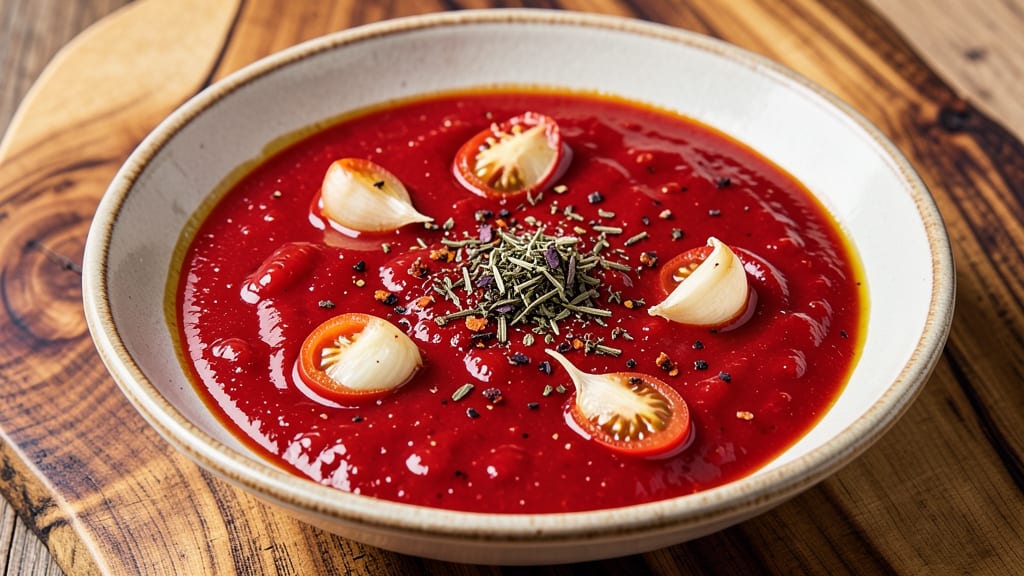
Mario Batali's arrabbiata sauce recipe delivers the bold, fiery punch that makes this Italian classic unforgettable. The secret lies in balancing fresh garlic, chili peppers, and ripe tomatoes into a sauce that's both vibrant and complex.
I've perfected this version after years of testing, ensuring the heat comes through without overpowering the natural sweetness of the tomatoes.
What sets this sauce apart is the technique—sautéing garlic until golden (not burned) and letting the chili peppers infuse the oil before adding tomatoes. This creates layers of flavor that build as the sauce simmers.
The result is a bright red, chunky sauce with just the right amount of acidity to cut through rich dishes.
By the time you're done, you'll have a sauce that's versatile enough for pasta, grilled meats, or even bruschetta. The garlic-kissed heat lingers on your tongue, making every bite feel like a taste of authentic Italian trattoria cooking. This recipe delivers restaurant-quality results in just 30 minutes.
The best part? You can adjust the spice level to your preference by adding more or less chili pepper. Let's make this sauce that'll elevate any meal.
Ingredients for arrabbiata sauce recipe mario batali
Nine ingredients, bold flavors—this sauce is all about fresh garlic, chili peppers, and ripe tomatoes.
| Ingredient | Amount | Notes |
|---|---|---|
| Extra-Virgin Olive Oil 🫒 | ½ cup | High quality, fruity, for richness |
| Fresh Garlic Cloves 🧄 | 6 cloves | Mince finely, don't burn |
| Red Chili Peppers 🌶️ | 2 whole | Fresh, seeded, like Fresno or jalapeño |
| Ripe Roma Tomatoes 🍅 | 2 lb | Hand-torn, not chopped |
| Garlic Cloves 🧄 | 2 cloves | Whole, for infusing oil |
| Dried Oregano 🌿 | 1 tbsp | Italian or Mediterranean blend |
| Dried Red Pepper Flakes 🌶️ | 1 tsp | Adjust for desired heat |
| Sea Salt 🧂 | 1 ½ tsp | Diamond Crystal preferred |
| Fresh Basil Leaves 🌿 | ¼ cup | Chopped, for finishing |
| White Wine Vinegar 🍷 | 1 tbsp | For brightness |
The garlic and chili peppers are non-negotiable. Fresh garlic is a must—none of that jarred stuff. I grab mine from the Italian market section at Whole Foods, where they keep it ultra-fresh. For chili peppers, Fresno peppers give you a nice balance of heat and sweetness, but jalapeños work too. If you can't find fresh, dried red peppers soaked in warm water are a decent swap, though they'll be milder. The tomatoes? Ripe Roma tomatoes are ideal—they're meaty and sweet, but any vine-ripened tomato will do. Avoid those sad, mealy ones from the store's back corner.
No fresh basil? Dried oregano at half the amount will get you close, but it won't have that same bright, fresh flavor. Short on white wine vinegar? Lemon juice works in a pinch, though it'll give a slightly different tang. The red pepper flakes are just for extra heat—skip them if you're sensitive to spice, but don't skip the garlic. That's where the magic happens. For the olive oil, extra-virgin is key—it adds richness and helps carry all those flavors. If you're feeling fancy, toast the dried oregano and red pepper flakes in the oil for 30 seconds before adding the garlic. Game-changer.
This sauce tastes even better the next day as the flavors meld together. Store it in an airtight container in the fridge for up to 5 days, or freeze portions for 3 months. I like to portion it into small jars—perfect for tossing with pasta or drizzling over grilled chicken. If it thickens too much, just stir in a splash of water or pasta water. And if you make extra, freeze it in ice cube trays for easy single-use portions later.
Why You'll Love This Recipe
- No-Chop Night: I swear by this sauce—just blitz those Roma tomatoes (peeled or not, no judgment) and toss them in with the oil, garlic, and chili. The blender does all the work while I sip wine and pretend I’m in Mario’s kitchen.
- Heat That Sticks: That first char of garlic in olive oil? Chef’s kiss. The red chili peppers add a slow-building warmth that lingers—bright, but not overpowering. It’s the kind of sauce that makes you reach for seconds without thinking.
- Pasta’s Best Friend: Slather it on spaghetti for a weeknight, toss it with grilled chicken for a fancy-ish dinner, or even drizzle it over roasted veggies. It’s my go-to when I need flavor but don’t want to overthink it.
- Leftovers That Lie: Between us, this sauce tastes better the next day. I make a double batch, freeze half, and pretend I’m a culinary genius when I pull it out months later. (Spoiler: It still works.)
Step-by-step instructions for Mario Batali's arrabbiata sauce
This bold, garlic-forward sauce comes together faster than you'd think—let's make it shine.
Infuse the Oil with Garlic and Chili
Heat the 0.5 cup extra-virgin olive oil in a large, heavy-bottomed saucepan over medium-low heat. Add the 2 whole red chili peppers (seeds removed) and 2 cloves whole garlic cloves—this creates a fragrant base without burning. Let them cook gently for 5-7 minutes until the garlic turns pale golden and the oil smells deeply aromatic.
Watch the oil carefully—it should shimmer but not smoke. If it starts to bubble vigorously, reduce the heat immediately. This slow infusion builds the sauce's signature depth. Once fragrant, remove the chili peppers and garlic cloves with a slotted spoon, leaving the oil behind to flavor the sauce.
Cook the Tomatoes Until Broken Down
Increase the heat to medium-high and add the 2 lb ripe Roma tomatoes, torn by hand into large pieces. Sprinkle with 1.5 tsp sea salt and 1 tbsp dried oregano, then stir to combine. Let the tomatoes cook undisturbed for 8-10 minutes, stirring occasionally, until they begin to soften and release their juices.
You'll notice the tomatoes break down into a rustic, chunky consistency—this is key for authentic texture. If the sauce starts to stick, add 1-2 tablespoons of water to deglaze. The tomatoes should collapse into a thick, jammy puree while still retaining some texture. This takes patience, but rushing leads to a mushy sauce.
Build Depth with Garlic and Red Pepper Flakes
Push the tomatoes to one side of the pan and add the 6 cloves minced fresh garlic cloves to the empty space. Stir for 30 seconds until fragrant—garlic burns in seconds, so keep the heat at medium. Immediately add 1 tsp dried red pepper flakes and stir to distribute evenly.
This is where the sauce gets its signature kick. Let the mixture simmer together for 3-4 minutes until the raw garlic flavor mellows into sweetness. If the sauce seems too thick, add another splash of water. The goal is a balance of heat, acidity, and tomato richness—taste as you go and adjust the red pepper flakes if needed.
Finish with Vinegar and Fresh Basil
Stir in the 1 tbsp white wine vinegar and simmer for 2 minutes to brighten the flavors. Remove the pan from heat and let it cool slightly, then stir in the 0.25 cup chopped fresh basil leaves. The basil adds freshness that cuts through the garlic and chili heat.
Let the sauce rest for 10 minutes before serving—this allows the flavors to meld. If you're making it ahead, store it in the refrigerator for up to 3 days or freeze for 3 months. The sauce will only get better as it sits, developing deeper complexity. Serve over al dente spaghetti with a sprinkle of extra red pepper flakes if you crave more heat.
Pro Tips For Making Arrabbiata Sauce Recipe Mario Batali
- CHAR THE GARLIC LOW: I learned this the hard way—when you add the garlic to the olive oil, keep the heat low and stir like you’re trying to win a poker hand. Too much heat and you’ll get bitter, acrid garlic faster than you can say "burnt flavor." Let it sizzle gently until it’s just golden, not brown.
- PEEL TOMATOES FIRST: Save yourself 10 minutes of frustration later: peel the Roma tomatoes before you even think about chopping them. Drop them into boiling water for 30 seconds, then shock in ice—peels slide off like they’re begging to be removed. No one wants to spend 20 minutes picking at stubborn skins mid-cook.
- DON’T SKIP THE CHILI SOAK: That red chili pepper? Give it a quick soak in hot water for 5 minutes before seeding and dicing. It softens the flesh and makes it easier to handle—no more tearing up while trying to remove seeds. Also, the heat distributes more evenly in the sauce. (Yes, even if you’re impatient like me.)
- SIMMER NOT BOIL: Once the tomatoes hit the pot, resist the urge to crank the heat. A gentle simmer—tiny bubbles, occasional stirs—lets the flavors meld without turning the sauce into a watery mess. I used to rush this, and the sauce would always taste thin and underdeveloped. Low and slow here means big flavor later.
Flavor customization for this recipe
Spice Level Mastery
Adjust the heat to your preference by controlling the chili peppers. For mild heat, use 1 Fresno pepper or 1 jalapeño—this gives a gentle warmth that lets the garlic shine. For medium heat, stick with the original 2 Fresno peppers or swap for 1 serrano pepper.
Want fiery intensity? Add 1-2 extra red pepper flakes or swap in 1 habanero pepper (remove seeds for less heat). I once made this sauce with 3 habaneros—David nearly cried, but Emma loved it! 🌶️
Sweet-Tangy Balance
Brighten the sauce with white wine vinegar or lemon juice—this cuts through the richness. For extra depth, add 1 tsp sugar or 1 tsp honey to balance the acidity. I keep a small bowl of sugar and vinegar on hand while cooking to tweak the flavor as I go.
If the sauce tastes too sharp, a pinch of sugar smooths it out. If it’s too flat, another splash of vinegar wakes it up.
Herb Variations
Swap out basil for other fresh herbs to change the flavor profile. Thyme adds earthiness, while rosemary brings piney notes. For a Mediterranean twist, add 1 tbsp chopped mint or 1 tsp dried marjoram.
I once used fresh cilantro in a summer version—it gave a bright, almost Mexican-inspired kick that surprised everyone at the table. 🌿
Umami Boosts
Add depth with umami-rich ingredients like 1 tbsp soy sauce or 1 tsp fish sauce (trust me, it works!). For a meaty flavor, stir in 1 tbsp tomato paste or 1 tsp Worcestershire sauce at the end.
I love adding 1 tsp balsamic glaze for a sweet-savory contrast. These tweaks turn a simple sauce into something restaurant-worthy without extra effort.
Texture Adjustments
For a smoother sauce, blend half the cooked tomatoes before adding them to the pan. For extra rustic texture, leave the tomatoes chunky or add 1 tbsp chopped sun-dried tomatoes. If the sauce thickens too much, thin it with pasta water or chicken broth.
I once made a version with roasted garlic instead of fresh—it gave a creamy, mellow sweetness that was unexpected but delicious. 💡
Regional Twists
For a Southern Italian touch, add 1 tsp smoked paprika or ½ tsp fennel seeds (toasted). A Calabrian-inspired version swaps white wine vinegar for 1 tbsp lemon juice and adds 1 tsp crushed red pepper.
I grew up eating arrabbiata with a dash of hot honey—it’s a sweet-spicy combo that works surprisingly well. Experiment to find your favorite regional style! 🗺️
Nutrition facts
Frequently asked questions
Can I make this arrabbiata sauce without fresh chili peppers?
For a milder version, substitute 1 teaspoon crushed dried red peppers (soaked in warm water for 10 minutes to soften) or ½ teaspoon cayenne pepper. The flavor won't be identical, but it'll still deliver that signature warmth. If you want more depth, add 1 teaspoon smoked paprika for a subtle smokiness.
How do I prevent the garlic from burning in this recipe?
Keep the heat at medium-low when cooking the garlic, and never let the oil smoke. For extra insurance, remove the chili peppers and garlic cloves once they're fragrant (after 5-7 minutes)—this prevents overcooking. If you're nervous, use roasted garlic instead of fresh for a sweeter, less pungent flavor. The key is patience—garlic burns in seconds!
Can I use canned tomatoes instead of fresh?
Yes, but choose high-quality whole peeled San Marzano tomatoes (not diced or sauce). Crush them by hand with your fingers for a rustic texture. For extra richness, add 1 tablespoon tomato paste to the pan when cooking. Canned tomatoes work best when you simmer them longer (15-20 minutes) to develop deeper flavor.
What's the best way to store leftovers?
Let the sauce cool completely, then transfer to an airtight container. It keeps in the fridge for 5 days and freezes beautifully for 3 months. For portion control, freeze in ice cube trays—thaw just one cube when you need a quick sauce boost! The flavors actually improve after 24 hours as the ingredients meld.
How can I make this sauce less acidic?
Add 1 teaspoon sugar or 1 teaspoon honey at the end to balance the acidity. For a more dramatic change, reduce the white wine vinegar to ½ tablespoon or swap it for lemon juice (which is less sharp). If the sauce still tastes too tangy, stir in 1 tablespoon heavy cream or pasta water to dilute slightly. Taste as you go!