
Sauces & Condiments
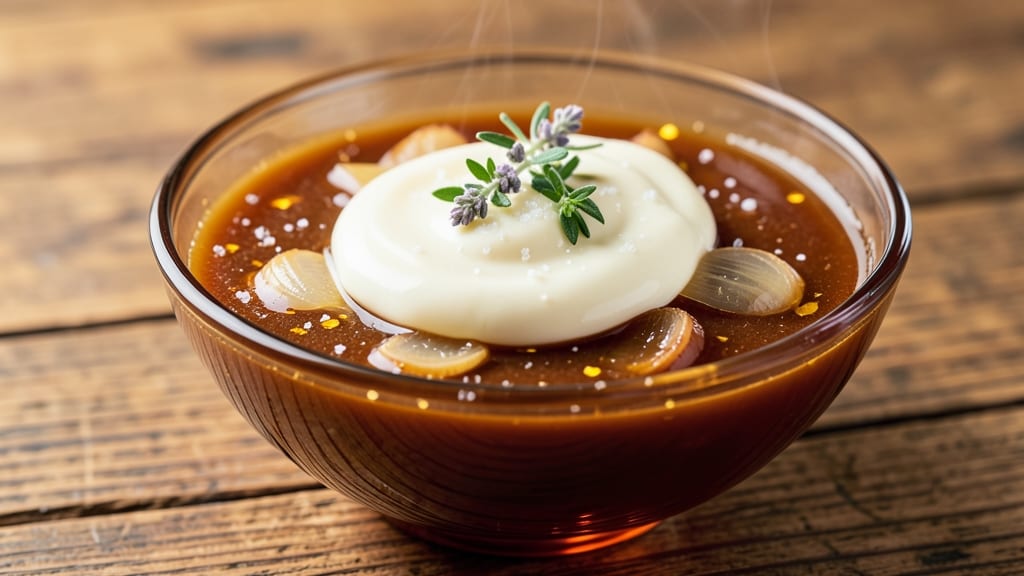
This Armagnac sauce recipe transforms simple ingredients into a luxurious brandied glaze that elevates roasts, game meats, and even desserts. The key lies in reducing Armagnac with shallots and stock until it reaches a velvety consistency, creating a sauce with deep caramel notes and a subtle oak finish.
I developed this recipe after years of refining techniques for restaurant-quality results at home—where the sauce’s balance of richness and acidity makes every bite memorable.
The process begins with deglazing the pan after searing shallots, capturing all those flavorful browned bits before adding Armagnac and stock. Simmering reduces the liquid into a glossy, syrupy sauce, while a touch of butter at the end emulsifies it for a silky texture.
What sets this sauce apart is its versatility—it works as a glaze for duck confit, a drizzle over roasted vegetables, or even a sophisticated pairing for mashed potatoes.
What you’ll end up with is a sauce that’s both elegant and approachable, boasting layers of flavor from the Armagnac’s warmth to the shallots’ sweetness. The reduction process concentrates the sauce’s depth, ensuring every spoonful delivers a harmonious blend of caramelized richness and herbal complexity.
This isn’t just a sauce—it’s a finishing touch that transforms ordinary dishes into something extraordinary.
For added depth, consider incorporating mushrooms or cream into the reduction, or finish with fresh herbs for brightness. Whether you’re serving it alongside a holiday roast or drizzling it over a decadent dessert, this sauce promises to impress without overwhelming the main dish. Let’s create it step by step.
Ingredients for armagnac sauce
Ten ingredients elevate simple dishes to restaurant-worthy elegance through Armagnac's luxurious depth.
| Ingredient | Amount | Notes |
|---|---|---|
| Armagnac 🍷 | ½ cup | High-quality, aged variety preferred |
| Shallots 🧅 | 1 cup | Thinly sliced, about 10-12 cloves |
| Vegetable Stock 💧 | 2 cups | Low-sodium preferred for balance |
| Unsalted Butter 🧈 | 4 tbsp | Cold, cubed for emulsification |
| Heavy Cream 🥛 | ½ cup | Full-fat for richness |
| Granulated Sugar 🍚 | 1 tbsp | For caramelization depth |
| Fresh Thyme Leaves 🌿 | ¼ cup | Or 1 tbsp dried thyme |
| Fresh Parsley Leaves 🌿 | ⅛ cup | Chopped, for finishing |
| Diamond Crystal Kosher Salt 🧂 | ½ tsp | Adjust to taste |
| Black Peppercorns 🌶️ | ¼ tsp | Freshly cracked |
The Armagnac is the heart of this sauce—look for aged varieties (3-5 years) from specialty liquor stores or high-end grocery sections like Whole Foods or Williams Sonoma. Shallots should be firm and pale, not sprouting or discolored. For the stock, Homemade is ideal, but quality store-bought like Pacific Foods or Kitchen Basics works in a pinch. Fresh thyme and parsley elevate the sauce's brightness; harvested within 24 hours ensures peak flavor. The butter should be European-style if available (like Plugrá), as it has higher fat content for better emulsification.
No Armagnac? Brandy or cognac work in a 1:1 substitution, though the oak notes will differ slightly. Substitute heavy cream with half-and-half or coconut cream for a lighter texture, though richness will diminish. For a vegetarian option, ensure your stock is vegetable-based (no meat-based fundamentals). The sugar can be swapped for honey or maple syrup at the same volume, though caramelization will vary. If you lack fresh herbs, dried thyme and parsley work at one-third the amount, but fresh is non-negotiable for the final garnish.
Store the sauce in an airtight container in the fridge for up to 5 days, though it's best used within 3 days for peak flavor. For longer storage, freeze in ice cube trays—thaw and reheat gently over low heat. The sauce thickens as it cools, so add a splash of stock if it becomes too viscous. Reheat in a saucepan over medium-low, whisking constantly to prevent separation. This sauce is a game-changer for holiday roasts, game birds, or even drizzled over vanilla ice cream for a sophisticated dessert.
Why You'll Love This Recipe
- Pantry-Friendly Magic: I keep Armagnac in my cabinet anyway—this sauce turns it into liquid gold with just five ingredients and 20 minutes of simmering. No fancy shopping list, no last-minute scrambling.
- Rich Without Effort: That first sip? Warm, nutty Armagnac cutting through the shallots, then the cream melting into velvety silk—it tastes like a restaurant dish, but I’m the one stirring the pot.
- Steakhouse at Home: Slather it over grilled chicken, drizzle on roasted veggies, or toss with mashed potatoes—it’s my secret weapon for turning simple meals into something that feels special. (Yes, even on a Tuesday night.)
- Leftovers That Shine: Make a double batch—it reheats like a dream and keeps for days. The Armagnac deepens in flavor, so the second round is even better. Budget win, flavor jackpot.
Step-by-step instructions for Armagnac sauce
Master this velvety glaze that transforms simple roasts into showstopping centerpieces.
Sweat the Shallots Until Translucent
Melt the 4 tablespoons unsalted butter in a medium saucepan over medium-low heat. Add the 1 cup thinly sliced shallots and cook for 8-10 minutes, stirring occasionally. You're looking for them to become soft and translucent—not browned—releasing their sweet, mellow flavor. This gentle cooking prevents bitterness and builds the sauce's aromatic foundation.
I like to press the shallots down with a wooden spoon to help them render their moisture evenly. If they start to color, reduce the heat slightly. The goal is to create a flavor base without any caramelization at this stage—we'll add depth later with the Armagnac.
Deglaze with Armagnac and Reduce
Increase heat to medium-high and carefully pour in the 0.5 cup Armagnac. The alcohol will flame briefly—this is normal and actually helps burn off some of the harshness. Let it reduce by half, about 3-4 minutes, until the liquid is syrupy and the shallots are coated.
Here's where the sauce begins to transform. The Armagnac's rich, nutty notes marry with the shallots, creating a complex flavor profile. If you're using a lower-quality Armagnac, this reduction step becomes even more critical—it concentrates the good flavors while evaporating any undesirable sharpness.
Build Depth with Stock and Sugar
Pour in the 2 cups vegetable stock and the 1 tablespoon granulated sugar, then add the 0.25 cup fresh thyme leaves. Bring to a gentle simmer and cook uncovered for 15-20 minutes, stirring occasionally, until the liquid reduces by about one-third and the sauce thickens slightly. You want it to coat the back of a spoon but still be pourable.
The sugar here serves two purposes: it enhances caramelization for depth, and it balances the acidity of the Armagnac. Taste as you go—if the sauce needs more sweetness, add a pinch more sugar. If it's too acidic, a small splash of stock will help. The thyme infuses its earthy aroma without overpowering the delicate brandy notes.
Finish with Cream and Season
Reduce heat to low and whisk in the 0.5 cup heavy cream. Simmer gently for 5-7 minutes until the sauce is thick enough to coat a spoon but still glossy. Season with the 0.5 teaspoon Diamond Crystal kosher salt and 0.25 teaspoon freshly cracked black peppercorns, then remove from heat.
This is the moment where the sauce comes together. The cream adds luxurious body while maintaining the sauce's balance. If it thickens too much, whisk in 1-2 tablespoons of the reserved cooking liquid from the reduction. The sauce should be velvety but still fluid enough to glaze meats beautifully.
Strain and Garnish for Presentation
Strain the sauce through a fine-mesh sieve into a clean saucepan to remove the thyme leaves and any shallot bits. Return to low heat and stir in the 0.125 cup chopped fresh parsley leaves, keeping the heat just below a simmer to preserve their bright color. The parsley adds a fresh finish that cuts through the richness.
For an elegant presentation, I like to drizzle this sauce over roasted meats or use it as a glaze for desserts. The sauce keeps well in the refrigerator for 3-4 days in an airtight container, though it's best used fresh. If storing, reheat gently over low heat, stirring constantly to prevent separation.
Pro Tips For Making Armagnac Sauce
- Sweat Shallots Low: If you rush this step, you’ll end up with bitter, charred shallots instead of sweet, golden ones. Keep the heat at a steady simmer—no higher than medium-low—and let them cook for 8-10 minutes, stirring occasionally. Patience here makes all the difference when the Armagnac hits.
- Deglaze with Heat: After adding Armagnac, walk away for 30 seconds—it’s flammable, and you don’t want a kitchen fire. Then, turn the heat to medium-high and let the alcohol cook off completely before adding stock. Skipping this step leaves a harsh, boozy taste.
- Whisk in Butter Slowly: Dumping cold butter into the hot sauce will make it seize and turn grainy. Melt it first, then whisk it in a thin stream while the sauce simmers gently. This keeps the texture silky and prevents lumps—trust me, you’ll notice if you don’t.
- Reduce Cream Last: Adding heavy cream too early will turn your sauce into a thin, watery mess. Wait until the shallot-Armagnac-stock base has reduced by half before stirring in the cream. This ensures a rich, velvety finish instead of a sad, diluted sauce.
Make-ahead tips for this armagnac sauce
Prep Ahead
Make this sauce up to 2 days in advance—it actually tastes better after flavors meld overnight. I recommend preparing it the night before your meal so the Armagnac's notes can fully develop.
Store in an airtight container in the refrigerator, where it will thicken slightly. To serve, gently reheat over low heat while whisking constantly to restore its silky texture. 💫
Freezer-Friendly
For longer storage, freeze the sauce in ice cube trays—this makes it easy to thaw just what you need. Once frozen, transfer the cubes to a freezer bag and store for up to 3 months.
To use, thaw in the refrigerator overnight, then reheat gently. The sauce may separate slightly when frozen, but whisking while warming will restore its smooth consistency.
Stockpile Components
Prep the shallots and stock ahead of time to save 20 minutes during cooking. Thinly slice the shallots and store them in an airtight container in the fridge for up to 3 days.
Make a big batch of vegetable stock (it freezes beautifully) so you always have it on hand. This way, when you're ready to make the sauce, you just need to assemble the ingredients quickly.
Reheating Perfection
When reheating, always use low heat and stir constantly to prevent separation. If the sauce thickens too much, add 1-2 tablespoons of warm water or stock to loosen it. For best results, reheat only until warmed through—overheating can break the sauce's emulsion.
I like to finish with a splash of fresh cream if the sauce seems too thick after reheating. ✨
Make It a Glaze
For a quick glaze, reduce the sauce by an additional 5-10 minutes until it reaches a syrupy consistency. This works beautifully over roasted meats or vegetables. To test, spoon a little onto a plate—if it drizzles slowly, it's ready.
Store the glaze version in the fridge for up to 5 days, but use it within 3 days for the best flavor.
Double the Batch
This sauce scales perfectly for gatherings. Double the recipe and store half in the fridge while using the other half immediately. The extra sauce makes a great gift—just package it in a pretty jar with a ribbon.
Label it with the date and reheating instructions. Trust me, your guests will be impressed with this restaurant-quality touch. 🔥
Nutrition facts
Frequently asked questions
Can I substitute Armagnac with another brandy?
Yes, you can use cognac or high-quality brandy in a 1:1 ratio, though Armagnac's distinct oak and caramel notes are unique. For best results, choose an aged brandy with at least 3 years of aging. If using a cheaper brandy, reduce it slightly longer to concentrate the flavor.
Why does my Armagnac sauce separate when reheating?
This happens when the sauce cools too quickly or is overheated. To fix it, whisk in 1-2 tablespoons of warm heavy cream while reheating gently over low heat. The fat in the cream helps re-emulsify the sauce. For prevention, always reheat slowly and stir constantly.
How can I make this sauce vegetarian?
Replace the vegetable stock with a rich mushroom or vegetable-based stock and ensure all ingredients are plant-derived. The original recipe is already vegetarian-friendly except for the stock. You can also add sautéed mushrooms to deepen the umami flavor.
What's the best way to use leftover Armagnac sauce?
Leftover sauce works beautifully as a glaze for roasted vegetables, drizzled over mashed potatoes, or even as a finishing sauce for desserts like vanilla ice cream or crème brûlée. Store it in an airtight container for up to 5 days in the fridge.
Can I make this sauce without cream?
Yes, you can substitute with half-and-half or coconut cream for a lighter texture, though the sauce will be less rich. For a dairy-free option, use cashew cream (blend soaked cashews with water) or omit it entirely and reduce the stock longer for a thicker consistency.