
Sauces & Condiments
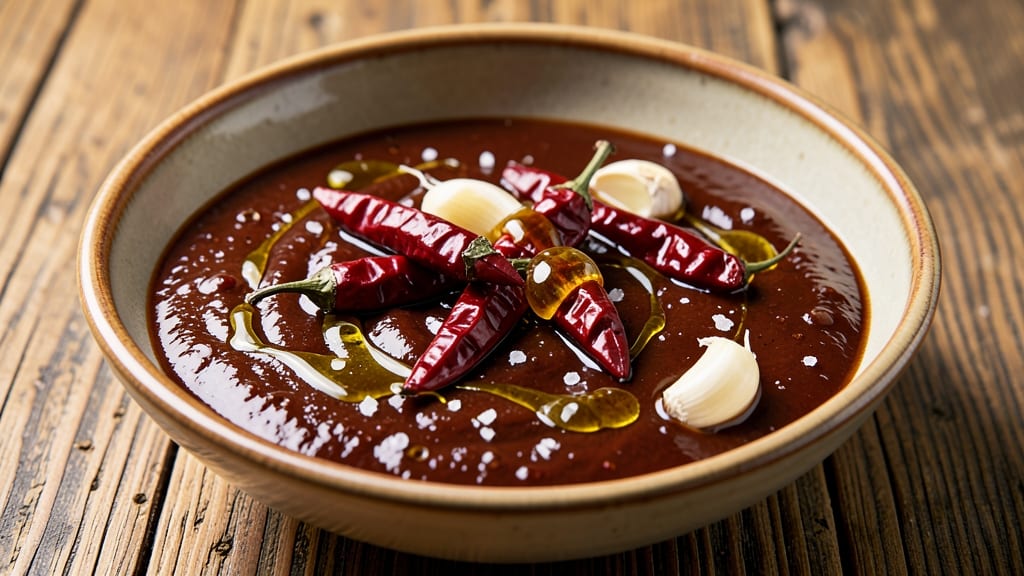
This árbol chile sauce recipe transforms simple ingredients into a fiery, aromatic condiment that elevates grilled meats, dips, and marinades. 🔥 The árbol chile—with its smoky, medium-heat kick—forms the backbone of this versatile sauce, balanced by tangy vinegar and rich olive oil.
I developed this blend after years of perfecting smoky, spicy sauces for backyard barbecues, and it’s become a staple in my kitchen for adding depth to everything from tacos to roasted vegetables.
The secret lies in the slow reduction of ingredients, allowing flavors to meld without losing the árbol chile’s signature heat. You’ll start with a base of chopped árbol peppers, garlic, and white vinegar, then simmer until thickened and glossy.
A touch of honey or sugar rounds out the sharpness, creating a sauce that’s complex yet approachable—ideal for those who love bold flavors but want control over the heat level.
What sets this sauce apart is its dual-purpose flexibility: use it as a marinade for meats, a drizzle over grilled corn or avocado, or a dip for crispy fries. The texture is smooth yet clings to food, delivering layers of smoky, spicy, and tangy notes in every bite.
Best of all, it keeps well in the fridge for up to two weeks, so you can make a batch and enjoy it throughout the week.
For those new to árbol chilies, start with half the suggested amount—these peppers pack a punch. If you prefer a milder sauce, remove the seeds and membranes before blending.
This recipe is your gateway to restaurant-quality heat without the guesswork, and it’s the kind of condiment that turns simple meals into showstoppers.
Ingredients for arbol chile sauce
Eight ingredients, bold flavors—this sauce is your grilling game-changer.
| Ingredient | Amount | Notes |
|---|---|---|
| Árbol Chile Peppers 🌶️ | ½ cup | Fresh or dried, seeds removed for mild heat |
| Garlic Cloves 🧄 | 4 cloves | Fresh, peeled and minced |
| White Vinegar 🍶 | ½ cup | Distilled or apple cider |
| Extra-Virgin Olive Oil 🫒 | ½ cup | High quality, fruity |
| Honey 🍯 | 2 tbsp | Wildflower or clover |
| Salt 🧂 | 1 tsp | Diamond Crystal kosher |
| Ground Cumin 🌿 | ½ tsp | Toasted for depth |
| Smoked Paprika 🌶️ | ½ tsp | For smoky complexity |
Árbol chilies are the star, so grab a handful from the Latin market or Mexican grocery—they're often sold fresh in the produce section. If you can't find them, dried árbol peppers work too (just soak them first). Look for plump, firm peppers with vibrant color—none of that wrinkled, dried-out stuff. I always buy extra because they're so versatile. For the garlic, grab a whole head and crush the cloves with the flat side of your knife—it releases more flavor. The vinegar? Distilled is best for that clean tang, but apple cider adds a nice fruity note if you prefer.
No árbol peppers? Substitute with a mix of serrano and chipotle peppers—it won't be identical, but you'll get close. Running low on honey? Maple syrup or agave works in a pinch, though honey's floral notes are worth it. The olive oil matters here—store-bought brands like California Olive Ranch are solid, but if you've got a nice bottle of EVOO, use that. Want to skip the smoked paprika? A pinch of liquid smoke adds that smoky depth without the extra spice. And if you're worried about heat, simply remove the seeds and membranes from the árbol peppers before chopping.
This sauce keeps beautifully—transfer to a clean jar and store it in the fridge for up to two weeks. The flavors actually improve over time as everything melds together. For longer storage, freeze portions in ice cube trays—just thaw overnight in the fridge before using. I make a double batch every time because it disappears fast. It's perfect for drizzling over grilled meats, mixing into marinades, or serving as a dip with tortilla chips. Trust me, you'll want to make this regularly.
Why You'll Love This Recipe
- Five-Ingredient Magic: I swear, this sauce comes together with just a knife, a bowl, and 10 minutes of my time. No fancy techniques—just toasted garlic, a quick blitz of árbol peppers, and a splash of vinegar to brighten everything up.
- Smoky-Sweet Balance: That honey-vinegar play? It’s the secret sauce (pun intended). The árbol peppers bring the heat, but the honey softens it into something complex—like a spicy caramel you’d slather on eggs or drizzle over grilled chicken.
- Taco Night Every Night: Honestly, this stuff turns a $5 bag of chips into a fiesta. But it’s also my go-to for tacos, marinades, or even a quick pasta sauce. The vinegar keeps it bright, so it doesn’t get boring no matter what you pair it with.
- Pantry Staple, Zero Waste: I make a big batch and keep it in the fridge for weeks. A little goes a long way—dollar stretch, flavor punch. And if I forget it’s there? No problem; it’s still good months later in the freezer.
Step-by-step instructions for Árbol chile sauce
This vibrant sauce comes together in minutes with bold flavors perfect for grilling or dipping.
🍳 Step 1: Toast the Árbol Chile Peppers
Heat a dry skillet over medium heat and add the 0.5 cup Árbol Chile Peppers. Toast them for 1-2 minutes until fragrant and slightly softened—you'll see them darken just a bit at the edges. This step deepens their natural smokiness and removes any raw bite.
Watch carefully—they should smell intoxicatingly spicy and aromatic. Remove immediately if they start to darken too much, as that can make the sauce bitter. Transfer the toasted peppers to a bowl and set aside to cool slightly. I like to work with them at room temperature for easier blending later.
👨🍳 Step 2: Blend the Base Ingredients
In a blender, combine the toasted Árbol Chile Peppers, 4 cloves Garlic Cloves, 0.5 cup White Vinegar, 0.5 cup Extra-Virgin Olive Oil, 2 tbsp Honey, 1 tsp Salt, 0.5 tsp Ground Cumin, and 0.5 tsp Smoked Paprika. I always use a high-speed blender for this—it ensures everything emulsifies smoothly without any graininess.
Blend for 30-45 seconds until completely smooth. You want a velvety texture with no visible chunks. If it looks too thick, add 1-2 tablespoons of water to help it reach your desired consistency. Taste as you go—this sauce should balance sweet, smoky, and spicy notes perfectly.
🥘 Step 3: Simmer for Depth of Flavor
Transfer the blended sauce to a small saucepan and place it over low heat. Let it simmer gently for 5-7 minutes, stirring occasionally. This slow cooking allows the flavors to meld beautifully and the vinegar to mellow slightly, creating a more complex sauce.
You'll notice the aroma intensify as it cooks—this is your cue that the flavors are developing properly. The sauce should thicken just slightly but remain pourable. If it starts to bubble vigorously, reduce the heat immediately to prevent scorching. Remove from heat once it reaches your desired consistency.
⏰ Step 4: Cool and Adjust
Let the sauce cool completely before using it. This resting period allows all the flavors to settle and the heat to mellow slightly. I often taste it again after cooling—sometimes the heat level changes as it settles, so you can adjust with a touch more honey if needed.
For grilling, this sauce is perfect as-is. For dipping, you might want to thin it slightly with a splash of water or extra vinegar. Store any leftovers in an airtight container in the refrigerator for up to 2 weeks. The flavors actually improve over time, deepening as they sit.
Pro Tips For Making Arbol Chile Sauce
- REMOVE SEEDS FROM CHILES: Árbol peppers pack a serious punch—if you want balanced heat, scrape out the seeds and veins before blending. I learned this the hard way when my first batch tasted like a ghost pepper had crashed the party.
- COOK GARLIC LOW AND SLOW: Sizzle those garlic cloves at medium-low heat until golden, not brown. High heat burns garlic into bitterness, and you’ll end up with a sauce that tastes like a chemistry experiment gone wrong.
- BALANCE HEAT WITH HONEY: Add honey gradually while tasting—it’s the only way to dial down the arbol’s fire without killing the flavor. Start with half the recipe’s honey, then adjust; you can always add more, but you can’t take it out.
- STRAIN THE SAUCE: Unless you’re going for a chunky texture, strain the blended sauce through a fine-mesh sieve. The skin and membranes from the peppers and garlic can turn your smooth sauce into a textured mess—trust me, your future self will thank you.
Troubleshooting perfect results
Sauce Too Thin?
If your árbol chile sauce ends up too watery, simmer it uncovered over low heat for an extra 5-10 minutes—the vinegar and water will evaporate, thickening it naturally.
For immediate fixes, stir in 1 teaspoon of cornstarch mixed with 1 tablespoon cold water, then simmer for 2 minutes until it reaches your desired consistency. 💡
Heat Too Overpowering?
Árbol chilies pack serious heat, so if your sauce is too spicy, balance it by adding 1-2 teaspoons of honey or 1 tablespoon of extra-virgin olive oil. The fat and sweetness will mellow the heat while keeping the sauce rich.
For a smoother texture, strain the sauce through a fine-mesh sieve to remove any lingering pepper bits. 🌶️
Sauce Separating?
If your sauce separates during storage, whisk in 1 tablespoon of warm water or extra vinegar to re-emulsify it. For a more permanent fix, blend the separated sauce again with 1 tablespoon of olive oil to restore its velvety texture.
Always store it in an airtight container to prevent further separation. ✨
Blender Not Smooth Enough?
If your blender struggles to emulsify the ingredients, try adding 1 tablespoon of water or extra vinegar to help break down the oils. For a silky finish, pulse the sauce in short bursts while scraping down the sides of the blender with a spatula.
A high-speed blender (like a Vitamix) works best for this recipe. 🔥
Sauce Too Bitter?
Over-toasted árbol peppers or prolonged simmering can make the sauce bitter. To fix this, add ½ teaspoon of honey or 1 teaspoon of sugar to balance the flavor. If the bitterness persists, strain the sauce through a cheesecloth to remove any burnt particles. 💛
Storage Issues?
If your sauce develops mold or an off smell after refrigeration, it’s time to toss it. Always use a clean, sterilized jar and store it in the fridge for no more than 2 weeks.
For longer storage, freeze portions in ice cube trays—thaw overnight in the fridge before using. ❄️
Nutrition facts
Frequently asked questions
Can I substitute árbol chile peppers if I can't find them?
Yes! For a similar heat level, mix ½ serrano pepper with ½ chipotle pepper in adobo sauce (blend the adobo sauce into the recipe). The chipotle adds smokiness, while serranos bring bright heat. If you want milder heat, use 1 jalapeño instead, but reduce the vinegar to ¼ cup to balance the flavors.
How spicy is árbol chile sauce compared to other hot sauces?
Árbol chile sauce sits between medium and medium-hot—think slightly hotter than salsa verde but milder than habanero-based sauces. The heat comes from árbol peppers (rated 5,000-10,000 Scoville units), but the vinegar and honey mellow the intensity. For reference, it’s about 3x hotter than jalapeño but far less fiery than ghost pepper sauces.
Can I make this sauce without a blender?
Finely chop the toasted árbol peppers and garlic with a knife, then mash them in a bowl with a fork. Add the remaining ingredients and whisk vigorously for 5 minutes to emulsify. For a smoother texture, strain through a fine-mesh sieve. The sauce won’t be as silky, but it’ll still pack bold flavor—just expect slight texture variations.
What are the best foods to pair with árbol chile sauce?
This sauce shines on grilled meats (especially chicken, pork, or shrimp), tacos, and roasted vegetables like corn or zucchini. It’s also perfect for dipping tortilla chips, drizzling over avocado toast, or mixing into marinades for kebabs. The smoky-sweet balance makes it versatile for both savory and slightly sweet dishes.
How do I adjust the heat level for kids or sensitive eaters?
Start by removing the seeds and membranes from the árbol peppers before toasting—this cuts heat by 30-50%. For extra mildness, reduce the pepper amount to ¼ cup and add 1 extra tablespoon of honey. If serving to kids, offer it as a dip with mild toppings like cheese or cucumber, so they can control their exposure to spice.