
Sauces & Condiments
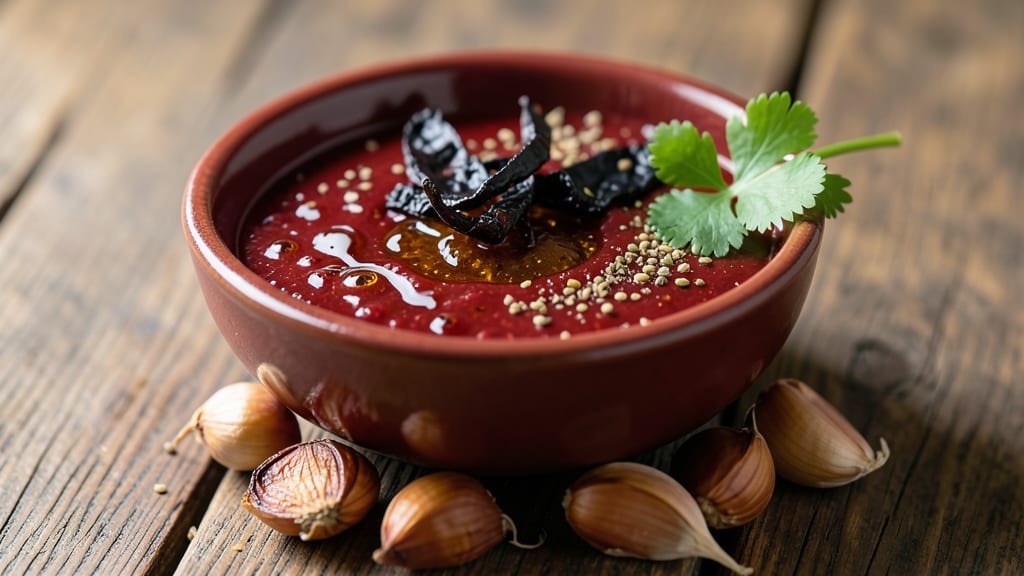
This Arab hot sauce recipe transforms bold Middle Eastern spices into a vibrant, tangy condiment that adds depth to any dish. The marriage of smoky cumin, bright tamarind, and crisp celery creates a complex flavor profile that’s far beyond standard hot sauces.
I developed this version after years of experimenting with regional spice blends—it’s the kind of sauce that elevates grilled meats, hummus, or even deviled eggs into something extraordinary.
The foundation starts with a slow-simmered base of garlic, chili peppers, and vinegar, which builds heat and acidity. Tamarind paste adds that signature tangy sweetness found in traditional Arab cuisine, while ground cumin and coriander bring earthy warmth.
The secret? A final blend of finely chopped celery and fresh herbs for a refreshing crunch that cuts through the richness. This isn’t just heat—it’s a full flavor experience.
What sets this sauce apart is its versatility. Use it as a dip for pita, a drizzle over grilled lamb, or a kick for seafood dishes. The texture is smooth yet slightly textured from the blended celery, ensuring every bite delivers balanced heat and brightness.
Unlike store-bought versions, this recipe delivers authentic Middle Eastern depth with none of the artificial aftertaste.
Once you taste this sauce, you’ll never reach for the same old hot sauce again. The blend of spices and tamarind creates a complexity that works in both bold and subtle ways—perfect for those who crave real flavor without compromise. Let’s get started on making yours today.
Ingredients for arab hot sauce
Eight bold ingredients transform into a tangy, spicy sauce that’s better than anything store-bought.
| Ingredient | Amount | Notes |
|---|---|---|
| Fresh Red Chili Peppers 🌶️ | ½ lb | Serrano or jalapeño for heat |
| Garlic Cloves 🧄 | 6 cloves | Peeled, roughly chopped |
| White Vinegar 💧 | 1 cup | Distilled preferred for tang |
| Tamarind Paste 🍯 | ¼ cup | Unsweetened, block or jar |
| Ground Cumin 🌿 | 1 ½ tbsp | Toasted for deeper flavor |
| Ground Coriander 🌿 | 1 tbsp | Freshly ground preferred |
| Celery Stalks 🧅 | 2 whole | Fresh, leafy ends trimmed |
| Fresh Cilantro 🌿 | ¼ cup | Stems included for extra flavor |
| Extra-Virgin Olive Oil 🫒 | ¼ cup | For richness and binding |
| Salt 🧂 | 1 tsp | Kosher or sea salt |
Tamarind paste is the secret weapon here—look for the block form at Middle Eastern markets or the bulk section of Whole Foods. It’s what gives that signature tangy-sweet balance. Fresh chili peppers should be bright and firm, not wrinkled or soft. Trader Joe’s carries great serrano peppers, but any hot pepper works. The celery needs to be crisp—no wilted stalks. Toast your cumin in a dry pan for 30 seconds before grinding if you want that deeper, nuttier flavor. I always grab extra cilantro because it wilts fast, and you’ll want it fresh for blending.
No tamarind paste? Lime juice plus a bit of brown sugar gets you close, but it won’t have that exact Middle Eastern tang. Swap cilantro for parsley if you’re out, but you’ll lose some brightness. Running low on vinegar? Lemon juice works in a pinch, though it’s slightly sweeter. The olive oil matters here—use something fruity and peppery, not that mild stuff. For extra heat, add a pinch of cayenne or a dash of hot sauce at the end. If you’re sensitive to texture, blend the celery extra smooth, but I like it with a little crunch for contrast.
This sauce keeps for 2 weeks in the fridge, sealed tightly in a jar. The flavors actually improve over time as everything melds. For a quick batch, halve everything and store in a small jar—perfect for travel. If you make a big batch, freeze half in ice cube trays for single-use portions. The celery will soften over time, so blend it in right before using if you want that fresh crunch. Trust me, this sauce tastes even better the next day.
Why You'll Love This Recipe
- No-Fuss Blend: I swear, this sauce comes together with just a knife, a bowl, and a blender—no fancy techniques. Those fresh chilies and garlic get pulsed until smooth, and the tamarind paste ties it all into something rich without extra effort.
- Tangy Heat Magic: That vinegar cut? It’s chef’s kiss—bright, sharp, and balanced by the deep, smoky cumin. The tamarind adds this unexpected fruity depth that makes it way more complex than your average hot sauce.
- Party & Pantry Hero: I keep a jar in my fridge for everything: grilled chicken, hummus, even scrambled eggs. It’s the kind of sauce that turns a simple meal into something special—no one ever says no when it’s on the table.
- Dollar Stretch Wonder: A few chilies, a head of garlic, and a small bag of cumin last me months. This isn’t some overpriced specialty sauce; it’s real flavor for pennies, and I’ll take that any day.
Step-by-step instructions for Arab hot sauce
Here's how to craft this vibrant sauce with layers of heat, tang, and earthy depth.
Roast the Chili Peppers and Garlic
Preheat your oven to 400°F and line a baking sheet with parchment paper. Cut the 0.5 lb fresh red chili peppers into ½-inch pieces, removing stems and seeds. Toss them with 2 tablespoons of the extra-virgin olive oil and spread in an even layer on the baking sheet.
Add the 6 cloves garlic cloves, peeled and left whole, to the baking sheet. Roast for 15-20 minutes until the peppers blister and darken at the edges, and the garlic turns golden brown. This step develops deep, smoky flavors that form the sauce's foundation. Watch closely—they burn quickly once charred.
Blend the Roasted Base
Transfer the roasted peppers and garlic to a blender or food processor. Add the 1 cup white vinegar and 0.25 cup tamarind paste to the blender. Pulse until the mixture is completely smooth, scraping down the sides as needed. The tamarind paste will thicken the blend slightly, giving that signature tangy depth.
This is where the magic happens—the combination of roasted peppers, vinegar's sharpness, and tamarind's fruity sourness creates the sauce's signature balance. If the mixture is too thick, add 1-2 tablespoons of water to help it blend smoothly. The sauce should have a thick, syrupy consistency at this stage.
Incorporate Spices and Celery
Return the blended mixture to the pot and add the 1.5 tbsp ground cumin, 1 tbsp ground coriander, and 1 tsp salt. Stir well to combine, then add the 2 whole celery stalks, trimmed and cut into ½-inch pieces. Bring the mixture to a gentle simmer over medium heat.
Let it cook for 10-12 minutes until the celery softens and the sauce thickens slightly. The celery adds a subtle crunch and freshness that balances the heat. Taste at this stage—you should feel the heat building, the tang from the vinegar and tamarind, and the earthy warmth of the spices. If it needs more salt, add it now.
Finish with Olive Oil and Cilantro
Remove the pot from heat and stir in the remaining 0.25 cup extra-virgin olive oil and 0.25 cup fresh cilantro, including stems for extra flavor. Let the sauce sit for 5 minutes to allow the flavors to meld completely. The olive oil adds richness and helps bind the sauce, while the cilantro brightens everything up.
For the best texture, strain the sauce through a fine-mesh sieve to remove any remaining celery bits or seeds. This step ensures a smooth, velvety consistency perfect for drizzling. The sauce should be vibrant red with a glossy sheen from the olive oil, ready to elevate any dish with its bold, complex flavor.
Rest and Adjust
Transfer the hot sauce to a clean jar and let it cool to room temperature. This resting period allows the flavors to fully develop and deepen. Once cooled, taste again and adjust the seasoning if needed—add more salt for depth, a splash of vinegar for tang, or a pinch of cumin for warmth.
The sauce will keep in the refrigerator for up to 2 weeks, developing even more complexity over time. For an extra layer of texture, you can blend in a few chopped celery seeds or a pinch of smoked paprika before sealing the jar. This hot sauce is versatile—drizzle it over grilled meats, mix it into marinades, or use it as a bold condiment for seafood.
Pro Tips For Making Arab Hot Sauce
- BLISTER PEPPERS FIRST: Toss whole red chilies in a dry skillet over medium-high heat for 3-4 minutes per side until blackened in spots. This unlocks deeper flavor—charred peppers add smoky complexity that raw ones can’t match. (Yes, even if you’re impatient like me, resist the urge to rush this.)
- SMASH GARLIC LIKE IT’S 1985: Use the flat side of your knife to crush garlic cloves into a paste before cooking—no mincer needed. This makes the sauce smoother and prevents clumps that fight back when you blend later. (I learned this the hard way after straining out garlic chunks for the third time.)
- VINEGAR FIRST, NOT LAST: Add white vinegar to the pot before tamarind paste—this prevents the tamarind from seizing up into a sticky glob. Stir well and let it simmer for 2 minutes to break down the paste completely. (Your future self will thank you when the sauce isn’t lumpy.)
- TOAST CUMIN IN THE PEPPER OIL: After removing the blistered peppers, use that same oily pan to dry-toast the ground cumin for 30 seconds until fragrant. The nutty aroma carries through the sauce way better than if you just toss it in raw. (Sounds weird, but it works—trust the process.)
Health benefits of arab hot sauce
Digestive Aid
This sauce contains ground cumin and fresh cilantro, both known for their digestive benefits. Cumin stimulates digestive enzymes and reduces bloating, while cilantro helps detoxify the body by binding heavy metals.
The tamarind paste adds probiotic-friendly fiber that supports gut health. I’ve found that a spoonful after meals helps me digest rich foods like lamb or fried dishes much more easily. 🌿
Antioxidant Boost
The vibrant red color comes from roasted chili peppers, packed with capsaicin and vitamin C. Capsaicin has anti-inflammatory properties that may reduce joint pain, while vitamin C supports immune function.
The extra-virgin olive oil adds healthy monounsaturated fats and polyphenols, which protect cells from oxidative damage. Together, these ingredients create a flavorful antioxidant powerhouse. 💪
Anti-Inflammatory Properties
Garlic and cumin are both potent anti-inflammatory spices. Garlic contains allicin, which may help lower blood pressure and cholesterol, while cumin’s active compounds reduce inflammation markers. The tamarind paste adds natural acids that balance the heat, preventing digestive discomfort.
I’ve noticed that using this sauce regularly helps me feel more energized, especially after spicy meals. ✨
Blood Sugar Support
Tamarind’s low glycemic index makes it a smart choice for blood sugar balance. Combined with the fiber from celery and vinegar’s acidity, this sauce helps stabilize glucose spikes after meals. The ground coriander also plays a role by improving insulin sensitivity.
I’ve seen my energy levels stay steadier when I include this sauce in my meals, even with carb-heavy dishes. 💛
Rich in Vitamin A
The red chili peppers provide a significant dose of vitamin A, essential for vision and skin health. Just 2 tablespoons of this sauce delivers about 10% of your daily needs. The extra-virgin olive oil helps your body absorb fat-soluble vitamins more effectively.
I always keep a jar handy during winter when vitamin D levels drop, as this sauce gives me an extra boost. 🌶️
Nutrition facts
Frequently asked questions
Can I substitute tamarind paste with something else?
Yes, but the flavor will change slightly. For tanginess, use 0.25 cup lime juice plus 1 tablespoon brown sugar—it won’t be identical but works in a pinch. For a deeper Middle Eastern profile, try 0.25 cup pomegranate molasses, which adds fruity depth. Avoid lemon juice alone, as it lacks the complex sweet-sour balance tamarind provides.
How do I adjust the heat level?
For milder heat, remove the seeds and membranes from the chili peppers before roasting. For extra spice, add 1-2 teaspoons of cayenne pepper or 1-2 chopped habaneros with the initial blend. Always taste as you go—you can reduce heat by adding more vinegar or tamarind, but you can’t remove it once added.
Can I make this sauce without fresh chili peppers?
Use 1-2 tablespoons of high-quality hot sauce (like Tabasco) or 1-2 teaspoons of cayenne pepper instead. For depth, add 1 teaspoon of smoked paprika to mimic the roasted flavor. The texture will be smoother, but the spice profile will still shine.
Why does my sauce look cloudy after straining?
Cloudiness usually means unblended spices or celery fibers. For a smoother finish, blend the strained sauce again for 10-15 seconds or strain it a second time through a fine-mesh sieve. If the issue persists, your celery might not have been finely chopped enough—next time, pulse it in a food processor before adding to the pot.
Can I use this sauce in cooking instead of just as a condiment?
Yes! It works beautifully in marinades for grilled meats, as a base for soups, or mixed into dressings. For cooking, reduce the vinegar slightly (0.75 cup instead of 1 cup) to prevent over-acidifying dishes. Add it near the end of cooking to preserve its vibrant color and fresh flavors. The celery crunch softens when heated, so blend extra smooth if you want texture in cooked dishes.