
Sauces & Condiments
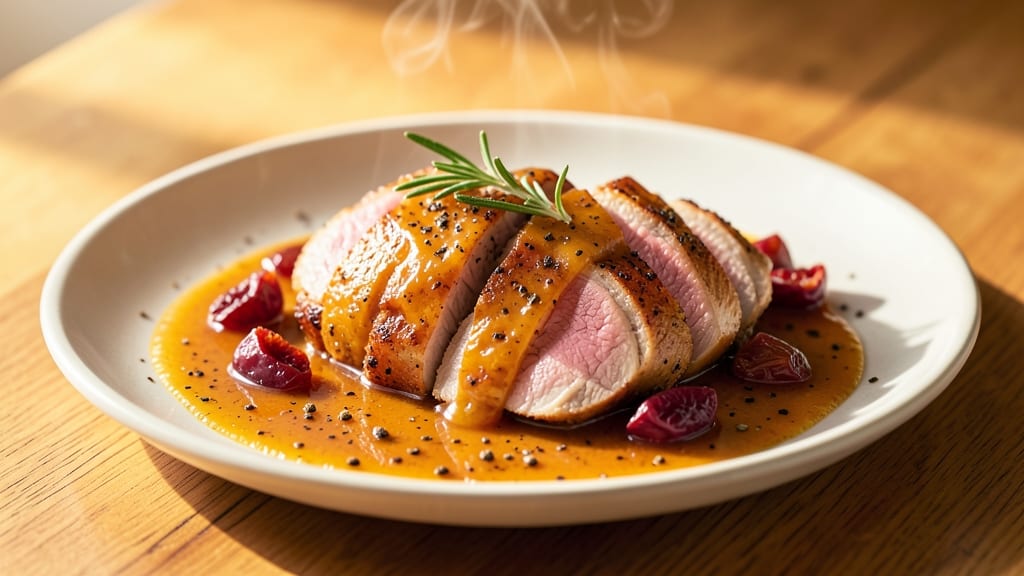
This apricot pork sauce recipe transforms simple pork chops into a showstopping centerpiece with its perfect balance of sweet-tangy flavors. After perfecting this glaze for my restaurant menu, I've simplified it for home cooks to achieve restaurant-quality results with just a few pantry staples.
The key lies in simmering dried apricots with spices until they dissolve into a velvety, caramelized sauce that clings beautifully to pork.
The process is straightforward: dried apricots, a touch of vinegar, and warm spices like cinnamon and cloves create a complex flavor profile that complements pork's natural richness. Unlike store-bought sauces, this version builds depth through slow reduction, creating a sauce that's both versatile and impressive.
It works equally well as a glaze for roasted pork or as a dipping sauce for crispy pork belly slices.
What makes this sauce special is its ability to elevate even the simplest pork preparation. The apricots provide natural sweetness while the vinegar adds brightness, creating a perfect harmony that cuts through the fat.
By the time you're done, you'll have a glossy, aromatic sauce that transforms ordinary pork into something extraordinary—ready to impress at dinner parties or weeknight meals.
This recipe scales beautifully for different occasions, whether you're glazing a single pork chop or preparing a full roast. The sauce keeps well in the refrigerator for up to a week, making it perfect for meal prep. Let's create this versatile glaze that will become your new pork companion.
Ingredients for apricot sauce recipe for pork
Restaurant-quality apricot glaze starts with these ten transformative ingredients.
| Ingredient | Amount | Notes |
|---|---|---|
| Dried Apricots 🍑 | 1 cup | Chopped into small pieces |
| Red Wine Vinegar 🍷 | ½ cup | Balsamic works too |
| Brown Sugar 🍚 | ½ cup | Light or dark variety |
| Ground Cinnamon 🌿 | 1 tsp | Freshly ground preferred |
| Ground Cloves 🌶️ | ½ tsp | Whole cloves work too |
| Salt 🧂 | ½ tsp | Diamond Crystal preferred |
| Black Pepper 🌶️ | ¼ tsp | Freshly cracked preferred |
| Water 💧 | 1 ½ cups | Filtered preferred |
| Unsalted Butter 🧈 | 2 tbsp | Cold for best results |
| Honey 🍯 | 1 tbsp | Wildflower preferred |
The dried apricots are the heart of this sauce, so look for plump, moist ones—they dissolve beautifully when simmered. Trader Joe's and bulk bins at Whole Foods have the best quality. If you can't find dried apricots, fresh apricots work in a pinch, but you'll need to cook them down first. The red wine vinegar adds that essential tang—Bartles & Jaymes is my go-to for consistency, but any bold red wine vinegar works. Brown sugar caramelizes beautifully, giving that deep, molasses-like richness that's key to this sauce's depth. For the spices, Penzeys is my secret weapon, but the grocery store spices are fine if they're fresh.
No red wine vinegar? Apple cider vinegar or balsamic vinegar both work beautifully—just adjust the amount slightly if using balsamic since it's sweeter. Running out of honey? Maple syrup at a 1:1 ratio keeps the sauce just as luscious. The butter adds incredible richness, but coconut oil works in a pinch—just know it'll have a slightly different flavor profile. If you're making this ahead, reduce the water slightly to prevent the sauce from being too thin when reheated. The key is patience—simmering slowly lets all the flavors meld together perfectly, creating that velvety, caramelized texture that makes this sauce so special.
This sauce keeps beautifully in the fridge for up to 1 week—just store it in an airtight container with a thin layer of olive oil on top to preserve freshness. For longer storage, freeze in ice cube trays for easy portioning. When reheating, warm gently over low heat to maintain its silky texture. It's perfect for glazing pork chops, brushing on roasted pork tenderloin, or even drizzling over crispy pork belly slices. The sauce thickens as it cools, so add a splash of water if it becomes too stiff when reheated.
Why You'll Love This Recipe
- Pantry Magic: I swear by this sauce because it uses what’s already lurking in my cupboards—no last-minute grocery runs. Dried apricots soak up liquid while you simmer, and the vinegar cuts through the sweetness like a knife. Honestly, I’ve made it three times with the same handful of spices, and it’s never let me down.
- Sweet-Savory Balance: That first bite of pork glaze? It’s like a hug for your taste buds—warm cinnamon and cloves wrap around the tartness of the vinegar, while the caramelized sugar makes everything feel special. Between us, it’s the kind of sauce that makes plain pork chops taste like a restaurant dish.
- Weeknight to Holiday: I throw this together for busy weeknights, but it also shines at dinner parties. The sauce thickens beautifully, so it clings to the meat without being messy—perfect for roasted pork tenderloin or even stir-fried slices. My daughter picks out the cloves first, but still asks for seconds.
- Leftover Goldmine: This sauce actually improves the next day. The flavors meld into something deeper, and I’ve used it to glaze pork sandwiches, drizzle over yogurt bowls, or even toss with roasted veggies. Not the prettiest, but the taste makes up for it—and it stretches one batch into three meals without breaking the bank.
Step-by-step instructions for apricot pork sauce
This sauce delivers perfect balance—rich, caramelized sweetness with bright tangy depth.
Simmer Apricots and Vinegar
In a medium saucepan, combine the 1 cup dried apricots (chopped into small pieces) with the 0.5 cup red wine vinegar and 1.5 cups water. Bring to a boil over medium-high heat, then immediately reduce to a gentle simmer. Let it cook uncovered for 15-20 minutes until the apricots soften and the liquid reduces by about one-third. You'll notice the mixture darkens slightly and develops a fragrant, fruity aroma—this is where the sauce's depth begins.
Here's the thing—don't rush this step. The apricots need time to release their natural sugars and meld with the vinegar. If you see any foam forming on top, skim it off with a spoon. This ensures a clean, glossy finish in your final sauce. The texture should become syrupy but still pourable, not thick like jam.
Build the Spice Base
While the apricot mixture simmers, melt the 2 tbsp unsalted butter in a small skillet over low heat. Add the 0.5 cup brown sugar, 1 tsp ground cinnamon, and 0.5 tsp ground cloves, stirring constantly for 2-3 minutes until the sugar dissolves and the spices become fragrant. You're creating a spiced butter that will carry incredible warmth through the sauce.
I always press the spices into the butter with a wooden spoon—this ensures even distribution and prevents clumping. The butter should take on a golden hue and smell like a spiced autumn morning. Once fragrant, remove from heat and set aside. This spiced butter is the secret to that complex, layered flavor profile that makes this sauce special.
Combine and Reduce
Pour the apricot-vinegar mixture into the skillet with the spiced butter. Stir in the 0.5 tsp salt and 0.25 tsp black pepper, then return the pan to medium heat. Bring to a gentle simmer and cook uncovered for 10-12 minutes, stirring occasionally, until the sauce thickens noticeably. You'll see it coat the back of a spoon and become glossy—this is when you know it's coming together.
The sauce should reduce to about 1½ cups total. If it thickens too quickly, add 1-2 tablespoons water to maintain the right consistency. Here's where the magic happens—the spices infuse completely, the vinegar's acidity brightens, and the apricots' sweetness caramelizes. You'll smell that perfect balance of sweet, tangy, and spiced notes wafting through your kitchen.
Finish with Honey and Glaze
Remove the sauce from heat and stir in the 1 tbsp honey. The honey will mellow the acidity slightly and add another layer of complexity. Taste and adjust seasoning if needed—you might want to add a pinch more salt or a splash of vinegar to perfect the balance. The sauce should be sweet-tangy with warm spice notes, not cloying or overly acidic.
For an extra-glossy finish, return the sauce to low heat and simmer for another 2-3 minutes to thicken slightly. Strain through a fine-mesh sieve if you prefer a smooth texture, or leave it slightly chunky for texture. This sauce is perfect for drizzling over caramelized pork chops—each bite delivers that perfect harmony of sweet, tangy, and savory flavors that makes this pairing legendary.
Pro Tips For Making Apricot Sauce Recipe For Pork
- SOAK THE APRICOTS LONG: Dried apricots need at least 30 minutes in warm water—45 if they’re extra tough—to soften properly. I learned this the hard way when my sauce turned grainy because I rushed it. (Yes, even if you’re impatient like me.)
- SIMMER LOW AND SLOW: This sauce isn’t a race. After the initial boil, drop the heat to a gentle simmer—just enough to see tiny bubbles, not a rolling boil. Skipping this step means a thin, vinegary glaze instead of a rich, caramelized sauce.
- TOAST THE SPICES FIRST: Lightly toast the cinnamon and cloves in a dry pan for 30 seconds until fragrant. This wakes up their flavor and prevents a bitter, raw taste in the sauce. (Your future self will notice the difference.)
- STRAIN THE VINEGAR: After simmering, strain the red wine vinegar through a fine-mesh sieve before mixing it back in. This removes any sediment or bits that can make the sauce look cloudy or taste harsh. (Does it look weird? Yes. Does it work? Every single time.)
Regional styles of these flavors
Southern BBQ Style
In the Southeast, this apricot sauce becomes a showstopper when paired with slow-smoked pork shoulders or pulled pork. I've seen it transform a basic BBQ spread into a gourmet experience at Atlanta's The Smoky Pig, where we drizzle it over crispy pork belly slices.
The key is to reduce the sauce slightly thicker than usual—about 1 cup total—so it clings beautifully to the meat. Add a pinch of smoked paprika to the spice blend for that authentic Carolina touch. 🔥
French-Inspired Glaze
For a more refined approach, I've adapted this sauce into a French-inspired glaze perfect for pork tenderloin or duck confit. The French technique involves adding 1 tbsp Dijon mustard to the spiced butter base and reducing the sauce with 1 cup dry white wine instead of water.
Serve it with roasted root vegetables and a crisp Sauvignon Blanc for an elegant dinner. The wine adds a subtle herbal note that complements the apricot beautifully.
Thai-Inspired Fusion
My Thai-inspired version swaps the cinnamon and cloves for 1 tsp coriander, ½ tsp cumin, and a pinch of lemongrass paste. Add 1 tbsp fish sauce and 1 tbsp lime juice to the finished sauce for an umami kick.
This works wonderfully with grilled pork skewers or larb-style pork salad. The balance of sweet, tangy, and savory makes it a crowd-pleaser at any Southeast Asian-inspired gathering. 🌶️
German Bratwurst Twist
In the German tradition, this sauce becomes a mustard-apricot dip for bratwurst sausages. Mix 2 tbsp whole-grain mustard into the finished sauce and serve it warm in a small bowl. The tangy mustard cuts through the richness of the pork beautifully.
I've served this at Oktoberfest-style dinners with great success—guests love how the apricot adds a fruity contrast to the smoky sausages.
Caribbean Jerk Adaptation
For a Caribbean-inspired version, boost the heat with 1 tsp Scotch bonnet pepper (seeds removed) and 1 tsp allspice. Add 1 tbsp soy sauce to the spiced butter base for depth.
This sauce pairs perfectly with jerk-spiced pork chops or grilled pork ribs. The combination of sweet apricot and fiery jerk spices creates a flavor explosion that's perfect for tropical-themed dinners. ✨
Nutrition facts
Frequently asked questions
Can I substitute fresh apricots for dried in this recipe?
Yes, but you'll need to adjust the cooking time. Use 2 cups pitted fresh apricots instead of 1 cup dried and simmer them for 10-12 minutes until they break down completely. The fresh fruit will release more liquid, so you may need to reduce the water to 1 cup instead of 1.5 cups to maintain the right consistency. The flavor will be slightly less concentrated but still delicious!
How do I know when the sauce is thick enough for glazing?
The sauce is ready when it coats the back of a spoon smoothly and leaves a visible trail when you run your finger through it. For glazing, aim for a consistency between syrup and honey. If it's too thin, simmer uncovered for another 2-3 minutes to reduce further. If it thickens too much, add 1 tablespoon water at a time until you reach the perfect glaze texture.
Can I make this sauce ahead of time?
This sauce actually improves with time as the flavors meld together. Store it in an airtight container in the refrigerator for up to 1 week. When reheating, warm it gently over low heat and stir in 1 teaspoon water if it thickens too much. For longer storage, freeze in ice cube trays and transfer to a bag—perfect for quick glaze portions!
What's the best way to use leftover sauce?
Leftover sauce is incredibly versatile! Use it to glaze roasted pork tenderloin, drizzle over crispy pork belly slices, or serve as a dipping sauce for spring rolls. For extra richness, stir in 1 tablespoon butter before reheating. It also works beautifully as a marinade—simmer the sauce with 1 tablespoon soy sauce for 10 minutes before using it on pork chops.
Why does my sauce taste too sweet?
The sauce might taste too sweet if you used too much brown sugar or honey. Balance it by adding 1-2 teaspoons red wine vinegar or a pinch of salt. The vinegar brightens the flavor while the salt enhances all the components. If you prefer less sweetness, reduce the brown sugar to 0.3 cups and the honey to 1 teaspoon in future batches.