
Sauces & Condiments
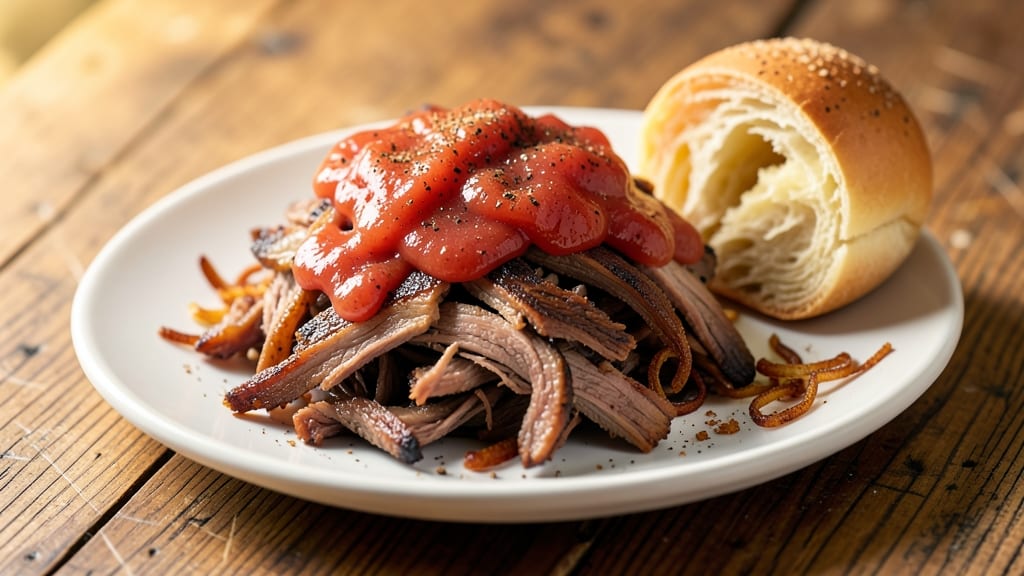
This applesauce pulled pork recipe transforms tough pork shoulder into tender, sweet-smoky shreds that melt on the bone—no dryness in sight. 🔥 I perfected it after years of slow-cooking competitions, where the difference between winning and losing often comes down to moisture and flavor balance.
The homemade applesauce isn't just a sauce; it's the secret weapon that keeps the meat juicy while adding just the right amount of sweetness to complement the smoky spices.
The process starts with a simple dry rub of brown sugar, paprika, and garlic powder, which creates a flavorful bark on the outside while the slow cooker works its magic inside.
What makes this recipe stand out is the applesauce—simmered with apple cider vinegar and a touch of mustard—adding natural sweetness without overpowering the smoky depth. This isn't your average barbecue; it's a restaurant-quality dish that's foolproof for home cooks.
By the time you're done, you'll have fall-apart tender pork that shreds easily, coated in a glossy, slightly sticky sauce with just the right balance of sweet and tangy.
The texture is what sets this apart—no dry, stringy bits, just juicy, flavorful meat that's perfect for sandwiches, tacos, or even a hearty bowl of rice. It's the kind of dish that makes you want to slow-cook all weekend.
Serve it on toasted buns with coleslaw, pile it high on a plate with roasted potatoes, or turn it into a fusion dish with Asian-inspired toppings. The possibilities are endless, but the technique is what matters—slow, steady, and delicious. Let's get cooking!
Ingredients for applesauce pulled pork
Six pounds of pork shoulder and a few key ingredients transform into restaurant-quality pulled pork.
| Ingredient | Amount | Notes |
|---|---|---|
| Boneless Pork Shoulder 🐖 | 6 lb | Well-marbled for tenderness |
| Unsalted Butter 🧈 | ½ cup | Cold, cubed for rub |
| Brown Sugar 🍯 | ½ cup | Light or dark variety |
| Smoked Paprika 🌶️ | 2 tbsp | High-quality for smokiness |
| Garlic Powder 🧄 | 1 tbsp | Freshly ground preferred |
| Ground Black Pepper 🌶️ | 1 tbsp | Freshly cracked |
| Kosher Salt 🧂 | 1 ½ tsp | Diamond Crystal preferred |
| Unsweetened Applesauce 🍎 | 2 cups | No sugar added |
| Apple Cider Vinegar 🍏 | ¼ cup | Bragg preferred |
| Dijon Mustard 🍯 | 1 tbsp | High-quality for tang |
| Yellow Onion 🧅 | 1 whole | Medium, diced |
| Fresh Thyme Leaves 🌿 | 1 tbsp | Or 1 tsp dried |
| Garlic Cloves 🧄 | 3 cloves | Minced for applesauce |
| Honey 🍯 | 1 tbsp | Optional for extra sweetness |
The pork shoulder is non-negotiable—look for well-marbled cuts at the butcher counter or Costco's pre-cut roasts. The applesauce should be unsweetened (Mott's or Libby's work), and the vinegar? Bragg has that perfect tang. For the dry rub, Penzeys smoked paprika is worth the splurge if you're competitive, but regular grocery store brands still deliver. The butter in the rub? Cold and cubed—it melts beautifully during cooking and adds richness without making the meat greasy.
No applesauce? Unsweetened applesauce pouches from Trader Joe's are a lifesaver—they're shelf-stable and just as good. Short on vinegar? Lemon juice at half the amount works in a pinch, but the apple cider vinegar's depth is worth hunting down. The mustard is where the magic happens—Dijon, not yellow. If you can't find it, whole-grain mustard thinned with water is a decent swap. Fresh thyme is ideal, but dried works at one-third the amount. The honey's optional, but trust me, it rounds out the sauce beautifully if you're serving it to guests who prefer sweeter flavors.
This pork keeps 5-6 days in the fridge, but honestly, it tastes better the second day once everything melds. Portion into ziplock bags for easy freezing—3 months solid. The applesauce sauce? Make a double batch. It reheats beautifully and doubles as a dipping sauce for fries or a glaze for roasted veggies. Store it separately in the fridge—1 week max. And if you're prepping for a crowd, double the rub ingredients—they keep for 6 months in an airtight container.
Why You'll Love This Recipe
- Sweet-Savory Magic: That brown sugar and smoked paprika combo? It’s like fall in a bite—warm, smoky, and just sweet enough without being cloying. The butter melts into the pork as it cooks, turning it tender enough to pull apart with a fork (no knife needed, honestly).
- One-Pan Wonder: I swear by this recipe for lazy Sundays. Toss the pork shoulder in the spices, pop it in the oven with a splash of apple juice, and walk away. By the time you’re done with your coffee, it’s falling apart—no stovetop babysitting required.
- Leftover Goldmine: This isn’t one of those dishes where leftovers turn dry or sad. The applesauce glaze keeps it moist for days, so I make a double batch and repurpose it—sandwiches, tacos, or even a loaded baked potato. My kids beg for it the next day (and I don’t even have to pretend to be excited).
- Budget Crowd-Pleaser: A pork shoulder stretches farther than you’d think, and the ingredients won’t break the bank. Smoked paprika and brown sugar are pantry staples, and the butter adds richness without guilt. Feed six for the price of two steaks, and everyone leaves happy.
Step-by-step instructions for sweet-smoky applesauce pulled pork
Here's the method that guarantees tender, juicy pork with perfect sweet-smoky balance.
🔥 Step 1: Create the Dry Rub and Prepare the Pork
In a medium bowl, combine the 0.5 cup brown sugar, 2 tbsp smoked paprika, 1 tbsp garlic powder, 1 tbsp ground black pepper, and 1.5 tsp kosher salt. Mix thoroughly until the spices are evenly distributed and the sugar crystals are fully coated.
Pat the 6 lb boneless pork shoulder completely dry with paper towels—this is crucial for developing that perfect bark. I like to press firmly on all sides to remove any moisture trapped in the crevices. Then, generously coat the pork with the spice mixture, pressing it into the meat so it adheres well. The rub should form a thick, flavorful crust on every surface.
🍳 Step 2: Sear the Pork for Maximum Flavor
Heat a large Dutch oven over medium-high heat and add the 0.5 cup unsalted butter (cold, cubed). Once the butter foams and begins to sizzle, carefully place the pork shoulder fat-side down in the pan. Let it sear undisturbed for 5 minutes until a deep golden crust forms.
Flip the pork and sear the other sides for another 3-4 minutes until well-browned. This initial searing locks in juices and creates the foundation for that beautiful bark. Don't rush this step—patience here ensures flavor in every bite. Once seared, remove the pork and set it aside on a plate.
🥘 Step 3: Sauté Aromatics and Prepare the Applesauce Base
In the same Dutch oven, add the 1 whole yellow onion (diced) and cook over medium heat for 5-6 minutes until softened and golden. Add the 3 cloves minced garlic and cook for another 30 seconds until fragrant—this prevents the garlic from burning while still releasing its flavor.
Pour in the 2 cups unsweetened applesauce, 0.25 cup apple cider vinegar, and 1 tbsp Dijon mustard. Stir well to combine, scraping up any browned bits from the bottom of the pan. These bits are packed with flavor that will infuse into your pork. Bring the mixture to a gentle simmer, then return the pork shoulder to the pot, fat-side up.
⏰ Step 4: Slow Cook Until Fork-Tender
Cover the Dutch oven and transfer it to a 275°F oven. Here's where the magic happens—I've found this lower temperature prevents the pork from drying out while still cooking through evenly. Cook for 5-6 hours, checking occasionally to ensure there's always liquid in the pan.
About 1 hour before the pork is done (when it reaches 195°F internally), stir in the 1 tbsp fresh thyme leaves and 1 tbsp honey. This timing ensures the thyme infuses properly and the honey adds just the right touch of sweetness without overpowering the smoky flavors. The pork is done when it easily shreds with two forks and reaches 203°F internally.
🔪 Step 5: Shred and Finish with Applesauce Glaze
Remove the pork from the pot and let it rest for 10 minutes before shredding. I like to work with tongs to pull it apart against the grain, but a fork works too. Discard any large fat chunks or connective tissue—this keeps your pulled pork clean and tender.
Return the shredded pork to the pot with all the cooking juices. Stir in the shredded pork and simmer uncovered for 3-4 minutes to thicken the sauce slightly. The result should be moist, flavorful shreds with a glossy, slightly sticky glaze. Taste and adjust seasoning if needed—sometimes the applesauce needs a pinch more salt to balance the sweetness.
Pro Tips For Making Applesauce Pulled Pork
- Trim the Fat First: Boneless pork shoulder still has little fat pockets—trim them before cooking. I learned this the hard way when my sauce turned greasy and the meat stayed chewy. A quick wipe with paper towels removes excess moisture too, so the spices stick better.
- Sweat the Aromatics: Cook the garlic powder and smoked paprika in the butter until it smells deep—about 2 minutes. Skipping this step means your pork will taste like seasoning instead of flavor. (Yes, even if you’re impatient like me.)
- Don’t Rush the Braise: Low and slow is the thing that matters most here. If you’re using a slow cooker, 6-8 hours on low gives you tender, pull-apart meat. If you’re oven-braising, 300°F for 4-5 hours keeps it from drying out. Trust the process—your future self will thank you.
- Deglaze with Apple Juice: After browning the pork, scrape up those browned bits with a splash of apple juice (or cider) instead of water. It adds subtle sweetness and cuts through the richness of the butter and brown sugar. (Your sauce will taste like it came from a pitmaster, not a shortcut.)
Pro cooking tips for applesauce pulled pork
Temperature Precision
This recipe hinges on two critical temperatures: the sear and the slow cook. First, sear the pork at medium-high heat until you see a deep golden crust—this isn't just for looks, it's about the Maillard reaction that locks in flavor.
Then, slow cook at a steady 275°F—any hotter risks drying out the meat, while lower temps take forever. I use a Meater thermometer for accuracy, but even a basic oven thermometer works if you calibrate it first. 🌡️
Resting is Non-Negotiable
After slow cooking, never skip the 10-minute rest before shredding. This lets the juices redistribute, ensuring every bite is moist. I've seen cooks rush this step and end up with dry, stringy pork—don't be that person.
Pro tip: Tent the pork loosely with foil during resting to keep it warm without steaming. The internal temp will drop 10-15°F during this time, so plan accordingly.
Applesauce Balance
The applesauce isn't just a sauce—it's the moisture barrier that keeps pork tender. Use unsweetened applesauce (no sugar added) to avoid overwhelming the smoky flavors, and balance it with apple cider vinegar for tang.
I measure 2 cups applesauce to 0.25 cup vinegar as a starting point, but adjust based on your pork's richness. For extra depth, add 1 tbsp honey in the last hour—it caramelizes beautifully and rounds out the sauce. 🍎
Reverse Sear Option
If you're short on time (or patience), try a reverse sear approach: Slow cook the pork at 250°F until it hits 195°F internal temp, then finish with a quick sear in a screaming-hot skillet.
This method works especially well if you're using a cast-iron Dutch oven—the residual heat from the oven carries over perfectly. Just be ready to work fast during the final sear to avoid overcooking.
Fat Rendering Control
Pork shoulder releases a surprising amount of fat during cooking. To prevent a greasy mess, skim excess fat from the pot every 30 minutes after the first hour.
I use a fat separator funnel (available at restaurant supply stores) to collect it—this rendered fat is pure gold for future cooking (think: roasted potatoes or cornbread). If you're not using it immediately, store it in the fridge for up to 2 weeks or freeze for 6 months.
Sauce Thickening Trick
Want a glossier, more cohesive sauce? After shredding, simmer the pork in its juices uncovered for 3-4 minutes—this reduces the liquid slightly and thickens the applesauce glaze. For extra shine, stir in 1 tsp cornstarch mixed with 1 tbsp water at the end.
Just don't overdo it; we're aiming for sticky, not gluey. This technique is especially useful if you're serving the pork on buns where sauce control matters. ✨
Nutrition facts
Frequently asked questions
Can I use regular applesauce (with sugar) in this recipe?
For the best flavor balance, stick with unsweetened applesauce—it prevents the sauce from becoming overly sweet and lets the smoky spices shine. If you only have sweetened applesauce, reduce the brown sugar in the rub by 2 tablespoons to avoid cloying sweetness. The vinegar will still provide the necessary tang to cut through any residual sugar.
How do I know when the pork is fully cooked?
The pork is done when it reaches an internal temperature of 203°F and easily shreds with two forks. Use a meat thermometer for accuracy—insert it into the thickest part of the meat, avoiding fat or bone. The pork should feel tender to the touch and pull apart effortlessly. If it's still slightly firm, return it to the oven for another 30 minutes.
Can I make this in a slow cooker instead of the oven?
After searing the pork, transfer it to a 6-quart slow cooker with the applesauce mixture and cook on low for 8-10 hours or high for 5-6 hours. The key is to maintain a consistent temperature—slow cookers are great for hands-off cooking. Just check occasionally to ensure there's enough liquid (add a splash of water or apple cider if needed).
Why is my pulled pork dry?
Dry pulled pork usually happens when the meat is overcooked or not rested properly. Always slow cook at 275°F or lower, and never skip the 10-minute rest before shredding. If the pork seems dry after cooking, try adding a splash of the cooking juices or a bit of the applesauce mixture back into the shredded meat to restore moisture. The applesauce is your secret weapon for keeping it tender!
What are the best ways to serve this applesauce pulled pork?
This versatile dish works perfectly in sandwiches on toasted buns with coleslaw, piled high on rice or mashed potatoes, or even in tacos with avocado and lime. For a hearty meal, serve it with roasted sweet potatoes and a crisp green salad. The applesauce glaze also makes an excellent dipping sauce for fries or as a topping for grilled chicken. Get creative—it's delicious in so many ways!