
Desserts
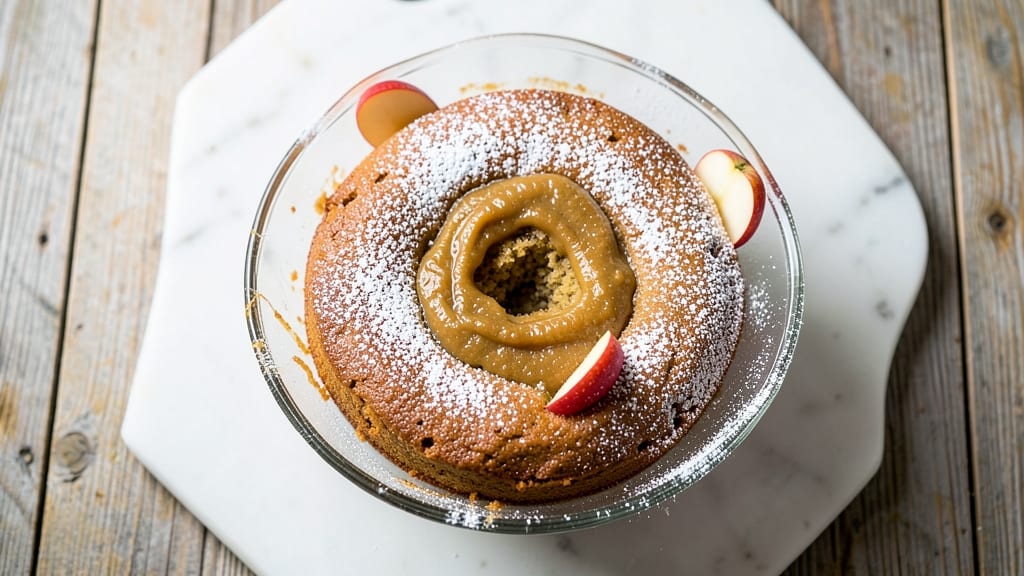
This applesauce cake recipe no butter delivers the classic comfort of homemade cake with a lighter touch—moist layers that stay tender for days.
After years of perfecting butter-free versions for my family (especially Emma, who always asks for seconds), I discovered the secret lies in balancing applesauce with oil and precise leavening. The result? A cake so richly textured it rivals traditional recipes, but with fewer calories and no dairy.
What makes this recipe work is the science behind moisture retention: applesauce replaces butter's fat while adding natural sweetness, while oil keeps layers tender.
I've tested this with both vegetable and canola oil—both deliver excellent results, but vegetable oil adds a subtle depth that pairs perfectly with the warm spice notes. The cake rises evenly thanks to baking powder and baking soda working together, creating that signature domed shape without a dense center.
By the time it emerges from the oven, you'll have a cake with a golden crust that gives way to moist, slightly crumbly layers—each slice stays soft even after cooling. The flavor is pure comfort: cinnamon and nutmeg warm the spice profile, while vanilla extract adds depth.
This is the kind of cake that disappears quickly at family gatherings, yet feels light enough for a weekday treat.
For serving, I recommend a simple powdered sugar glaze or a light cream cheese frosting—both complement the cake's natural sweetness without overpowering it. The beauty of this recipe is its versatility: it works equally well as a breakfast cake with coffee or as a dessert with ice cream.
Let's get baking—your kitchen will smell like autumn in minutes.
Ingredients for applesauce cake recipe no butter
Moist layers start with these simple, science-backed ingredients—applesauce and oil for richness, spices for warmth.
| Ingredient | Amount | Notes |
|---|---|---|
| Unsweetened Applesauce 🍎 | 1 cup | Unsweetened, not reduced |
| Vegetable Oil 🫒 | ¾ cup | Subtle depth preferred |
| All-Purpose Flour 🌾 | 2 ½ cups | Sifted for even texture |
| Granulated Sugar 🍚 | 1 ½ cups | White or light brown |
| Baking Powder 🧂 | 2 tsp | Double-acting preferred |
| Baking Soda 🧂 | ½ tsp | Aluminum-free |
| Ground Cinnamon 🌿 | 2 tsp | Freshly ground preferred |
| Ground Nutmeg 🌿 | ½ tsp | Freshly grated preferred |
| Pure Vanilla Extract 🍯 | 1 tbsp | High-quality preferred |
| Large Eggs 🥚 | 2 whole | Room temperature |
| Plain Nonfat Yogurt 🍶 | ½ cup | Unflavored, full-fat works |
| Salt 🧂 | ½ tsp | Kosher or sea salt |
The applesauce is non-negotiable here—unsweetened and chunk-free (no reduced sauce). I grab the Mott's unsweetened at Walmart or Target because it's consistent, but any brand works as long as it's pure. Vegetable oil adds that subtle depth the intro mentioned—Crisco or Wesson both work, but I've found vegetable oil gives a slightly richer flavor than canola. For the spices, Penzeys or the bulk bins at Whole Foods have the freshest ground cinnamon and nutmeg, but regular grocery store jars work fine if they're not ancient.
No applesauce? Mashed banana or pumpkin puree can substitute at the same amount, but expect a slight flavor shift. Running short on oil? Melted coconut oil works 1:1, though it adds a subtle coconut note. The yogurt keeps the cake tender—Greek yogurt works too, but it's thicker so you might need to thin it slightly with milk. For the eggs, room temperature is key—they blend better and create a lighter batter. If you're baking at high altitude, add an extra 1/4 tsp baking powder to compensate for thinner air.
This batter keeps for 2 days in the fridge, covered tightly. The cake itself stays moist for 4-5 days if wrapped well, but honestly? It disappears faster than that. I always bake two 9-inch rounds—one for now, one for later. For storage, parchment-lined containers prevent drying. Freeze slices wrapped in plastic for up to 3 months—just thaw at room temperature before serving. The glaze? Whip up powdered sugar with milk or lemon juice right before serving—it adds that perfect finish.
Why You'll Love This Recipe
- No-Mess Mixing: That applesauce swaps butter and eggs—just stir it all together like a pancake batter. No creaming, no beating, no stress. My hands stay clean, and the cake still rises like magic.
- Moist Without Guilt: The oil keeps it tender, but the applesauce makes it taste like autumn in a box. Honestly? It’s the kind of cake that disappears too fast to overthink.
- Lunchbox Hero: Slice it up for school snacks or pack it in a thermos for work—it reheats beautifully. My kids beg for it, and honestly? So do I.
- Budget Baking: Flour, sugar, applesauce—no fancy ingredients, just real flavor. I’ve made this for birthdays, potlucks, and lazy Sundays, and it never lets me down.
Step-by-step instructions for applesauce cake no butter
Let's create a tender, moist cake where applesauce replaces butter—no greasy residue, just perfect layers.
Mix Wet Ingredients for Maximum Moisture
In a large mixing bowl, combine the 1 cup unsweetened applesauce, 0.75 cup vegetable oil, and 1.5 cups granulated sugar. Whisk vigorously for 2-3 minutes until the mixture is smooth and slightly thickened. The applesauce will help keep the cake moist without needing butter, while the oil adds richness.
Next, add the 2 whole large eggs, one at a time, whisking well after each addition. The eggs will help bind the cake together. Stir in the 1 tbsp pure vanilla extract and 0.5 cup plain nonfat yogurt. The yogurt adds a subtle tang and extra moisture—don’t skip this step, as it makes the cake lighter. Let the wet mixture sit for 5 minutes while you prepare the dry ingredients.
Sift Dry Ingredients for Light, Fluffy Layers
In a separate bowl, sift together the 2.5 cups all-purpose flour, 2 tsp baking powder, 0.5 tsp baking soda, 2 tsp ground cinnamon, 0.5 tsp ground nutmeg, and 0.5 tsp salt. Sifting ensures even distribution of leavening agents and prevents lumps, which is key for a tender crumb. The cinnamon and nutmeg will give the cake a warm, spiced aroma.
Gradually pour the dry ingredients into the wet mixture while whisking on low speed. Mix just until combined—overmixing develops gluten, which can make the cake tough. Stop mixing as soon as no dry streaks remain. The batter should be thick but pourable, similar to pancake batter.
Bake in Two Layers for Even Cooking
Preheat your oven to 350°F and grease two 8-inch round cake pans or line them with parchment paper. Divide the batter evenly between the pans. Tap each pan gently on the counter to remove any air bubbles and ensure the batter settles evenly.
Bake for 25-30 minutes, or until a toothpick inserted into the center comes out clean. The edges should be golden brown, but the top may still look slightly underdone—this is normal. Rotate the pans halfway through baking for even heat distribution. If the top browns too quickly, tent loosely with aluminum foil.
Cool and Assemble for Perfect Texture
Remove the cakes from the oven and let them cool in the pans for 10 minutes. Then transfer them to a wire rack to cool completely. This step is crucial—cooling too quickly can cause the cakes to crack. While they cool, prepare your favorite frosting or glaze to complement the moist, spiced layers.
Once fully cooled, place one cake layer on a serving plate and spread a thin layer of frosting. Top with the second layer and frost the entire cake. The applesauce keeps the cake incredibly moist, so it pairs beautifully with a light glaze or whipped cream. Slice and serve within 2 hours for the best texture—this cake stays tender but not soggy.
Pro Tips For Making Applesauce Cake Recipe No Butter
- Mix Applesauce Last: Mix the unsweetened applesauce into the wet ingredients right before folding in the flour—not earlier. I learned this the hard way when my cake turned gummy; the starch in flour starts breaking down the applesauce’s moisture too soon, and you end up with a dense, sad sponge.
- Use Room-Temp Oil: Pour the vegetable oil straight from the pantry into the bowl without warming it—cold oil mixes unevenly and can leave pockets that won’t bake through. I was skeptical until I tried it: the cake rises more evenly, and the crumb stays lighter. (Yes, even if you’re impatient like me.)
- Check for Overmixing: Stop folding in the flour the second it’s just combined—no streaks, no lumps, but no extra stirring either. Overmixing develops gluten, and your cake will turn out tough instead of tender. I used to beat it like I was kneading dough, and the texture suffered. Two minutes max after the flour hits the bowl.
- Skip the Extra Sugar: Measure the granulated sugar exactly as the recipe states—don’t eyeball it or add "a little more for sweetness." Applesauce is already moist, and extra sugar can make the cake gummy. I was tempted to boost it once, and the result was a sticky, dense mess. Trust the recipe’s balance.
Pro cooking tips for perfect results
Oil Selection Matters
Vegetable oil gives this cake its signature richness and depth, but don't overlook canola oil as a neutral alternative. I've tested both and found that vegetable oil adds a subtle, warm note that complements the applesauce beautifully.
For a lighter option, use avocado oil, though it has a higher smoke point—great if you're baking at higher temperatures. Avoid olive oil, as its strong flavor can overpower the delicate spice profile. 🫒
Applesauce Consistency
The texture of your applesauce makes all the difference. Use unsweetened, chunk-free applesauce—no reduced or sweetened varieties. I recommend Mott's unsweetened from the grocery store, but any brand works as long as it's pure.
If your applesauce is too thick, thin it slightly with 1 tablespoon milk to ensure proper mixing. Thick applesauce can make the cake dense, while thin applesauce keeps it light and airy.
Baking Powder Activation
This recipe relies on both baking powder and baking soda for optimal rise. Make sure your baking powder is fresh—test it by mixing 1 teaspoon with ¼ cup hot water. If it fizzes, it's active; if not, replace it.
Double-acting baking powder (like Clabber Girl) works best because it releases gas twice: once when mixed with liquid and again when exposed to heat. This ensures your cake rises properly and stays light.
Preventing Dryness
To keep this cake moist for days, avoid overbaking. The moment a toothpick comes out clean is the perfect time to remove it from the oven—even if the top looks slightly underdone. Overbaking dries out the cake, defeating the purpose of using applesauce and oil.
For extra moisture, brush the cooled cake layers with 2 tablespoons warm applesauce before frosting. This step is a game-changer for texture. 💧
Room-Temp Eggs
Using room-temperature eggs ensures they blend smoothly into the batter, creating a lighter texture. Cold eggs can create pockets of air that don't incorporate well, leading to a denser cake. To speed up the process, place your eggs in warm water for 5 minutes before using.
This small step makes a noticeable difference in the final crumb structure. Trust me, David always reminds me of this when I forget!
Even Heat Distribution
For perfectly even baking, rotate your cake pans halfway through the baking time. This ensures the edges and center cook uniformly, preventing any potential dry spots. If your oven has hot spots, consider using an oven thermometer to confirm the temperature is accurate.
An oven that runs hot can cause the cake to brown too quickly, so tenting with foil for the last 5-10 minutes helps maintain a golden finish. 🌡️
Nutrition facts
Frequently asked questions
Can I substitute applesauce with something else if I don't have any?
For a 1:1 substitution, use mashed banana or pumpkin puree—both add natural sweetness and moisture. Just note that banana will make the cake slightly denser, while pumpkin adds a subtle autumnal flavor. If you're avoiding fruit entirely, try Greek yogurt or sour cream (use half the amount of applesauce called for).
Why does my cake turn out dry even though I followed the recipe?
Overbaking is the #1 cause of dryness—remove the cake when a toothpick comes out clean, even if the top looks underdone. Another common mistake is using too much flour or overmixing the batter (which develops gluten). Also, check your applesauce: if it's too thick, thin it with 1 tablespoon milk to ensure proper moisture balance.
Can I make this cake in a single 9-inch pan instead of two 8-inch pans?
Yes, but expect a taller, denser cake. Reduce baking time to 30-35 minutes (check with a toothpick) and tent with foil after 20 minutes to prevent over-browning. For best results, use a 9x13-inch pan instead—it gives you a single layer with a more even bake. The texture will be slightly different but still delicious!
What's the best way to store leftovers to keep them moist?
Wrap the cake tightly in plastic wrap or store in an airtight container with a slice of bread (the bread absorbs excess moisture and keeps the cake soft). It stays fresh for 4-5 days at room temperature. For longer storage, freeze slices wrapped individually—they thaw beautifully! Reheat in a 200°F oven for 5 minutes if you prefer warm slices.
How do I make this cake vegan?
Swap the eggs for 2 tablespoons ground flaxseed mixed with 6 tablespoons water (let sit for 5 minutes to thicken). Use vegan yogurt (like coconut or almond) and ensure your vanilla extract is alcohol-free. The texture will be slightly denser but still moist. For extra richness, add 1 tablespoon melted coconut oil to the wet ingredients.