
Sauces & Condiments
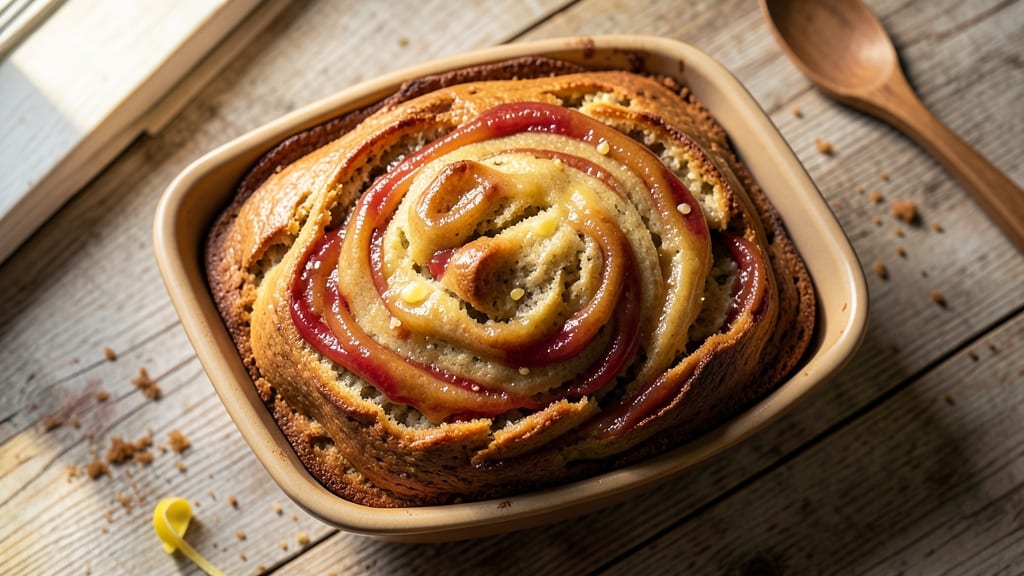
Paula Deen's applesauce bread recipe delivers the perfect balance of tender crumb and buttery swirls, making every slice worth savoring. This classic Southern loaf combines the natural sweetness of applesauce with warm cinnamon and nutmeg, creating a moist texture that disappears in your mouth.
The secret lies in the layers of flavor—each bite reveals a harmonious blend of spice and fruit, wrapped in a golden crust that crackles with every pull.
What sets this recipe apart is Paula Deen’s signature technique of swirling melted butter into the dough, ensuring every slice is rich and flavorful without being overly sweet. The applesauce not only adds moisture but also keeps the bread tender for days, making it ideal for breakfast or dessert.
Unlike many recipes that rely on heavy sugar, this version balances sweetness with just the right amount of spice, creating a loaf that’s comforting yet refined.
The result is a loaf with a tender crumb and a golden crust, perfect for slicing thick or serving as toast with a pat of butter. The warm spices linger on your palate, while the applesauce adds a subtle fruitiness that makes this bread a standout.
Whether you’re baking for a family gathering or treating yourself to a homemade indulgence, this recipe delivers restaurant-quality results with minimal effort.
Pair it with a cup of coffee or tea for the ultimate Southern comfort experience. The simplicity of the ingredients—flour, sugar, applesauce, and spices—makes this recipe approachable, while the technique ensures professional-quality results.
Ready in just under an hour, this bread is the perfect way to bring a taste of the South to your kitchen.
Ingredients for applesauce bread recipe paula deen
Four cups flour, one cup applesauce, and a touch of Southern magic—this is Paula Deen's secret to golden perfection.
| Ingredient | Amount | Notes |
|---|---|---|
| All-Purpose Flour 🌾 | 4 cups | Sifted for light texture |
| Unsalted Butter 🧈 | ½ cup | Cold, cubed for swirls |
| Granulated Sugar 🍚 | ½ cup | Light brown preferred |
| Unsweetened Applesauce 🍎 | 1 cup | Smooth, unsweetened |
| Large Eggs 🥚 | 1 whole | Room temperature |
| Active Dry Yeast 🍞 | 2 ¼ tsp | Instant yeast works too |
| Warm Water 💧 | ½ cup | 110°F for activation |
| Ground Cinnamon 🌿 | 1 ½ tsp | Freshly ground preferred |
| Ground Nutmeg 🌿 | ½ tsp | Freshly grated nutmeg |
| Salt 🧂 | ½ tsp | Kosher or sea salt |
| Milk 🥛 | ¼ cup | Warm for best results |
| Granulated Sugar 🍚 | ¼ cup | For bread topping |
| Melted Butter 🧈 | 1 tbsp | For crust brushing |
The flour is non-negotiable here—King Arthur or Gold Medal are my go-tos for that perfect crumb. Bulk bins at Whole Foods often have the best quality, but the grocery store stuff works fine too. That said, don't skimp on the applesauce—Mott's unsweetened is my absolute favorite, but any smooth, unsweetened variety will do. The butter? Land O'Lakes or Plugrá for that rich, flaky swirl. Pro tip: keep everything cold until you're ready to mix—this prevents the butter from melting too soon and keeps your dough manageable. And if your yeast is more than a few months old, test it first—dissolve it in warm water with a pinch of sugar and wait 5 minutes for bubbles.
No applesauce? Unsweetened applesauce from a can works in a pinch, but it's not the same—trust me, the fresh stuff makes all the difference. Short on cinnamon? Cinnamon sticks ground in a spice grinder taste fresher than pre-ground. The nutmeg can be swapped for allspice at half the amount, but it won't be quite the same Southern vibe. And if you're out of milk, water plus a splash of vanilla extract gets you close. The sugar topping? Turbinado sugar gives that gorgeous crust, but regular granulated works too. Just make sure your melted butter for brushing is fully cooled but still liquid—drizzling it over the loaf right before baking is what gives Paula Deen's bread that signature golden sheen.
This bread keeps beautifully—3-4 days at room temperature wrapped in a clean kitchen towel, or up to a week in the fridge. For longer storage, freeze the whole loaf (thaw overnight on the counter) or individual slices (toast straight from frozen). The best part? It reheats like a dream—5 minutes at 350°F wrapped in foil makes it taste fresh-baked. And if you're feeling fancy, brush the warmed slices with a little more melted butter—Paula Deen's signature touch. Leftovers? Toss them in a bread bag in the freezer for up to 3 months
Why You'll Love This Recipe
- Foolproof Mix-In: I swear by this dough—just dump the flour, applesauce, and softened butter in a bowl, stir until it almost comes together, then fold in the egg. No kneading, no fuss, and no "why isn’t this working?" panic.
- Sweet But Not Cloying: The applesauce keeps it moist without tasting like dessert, while the sugar and butter add just enough richness. Honestly, it’s the kind of bread that disappears faster than my willpower when it’s warm.
- Breakfast to Snack: Slice it thick for French toast, toast it for a quick breakfast, or pack it in lunchboxes—my kids beg for it after soccer practice. (Yes, even on a Tuesday night.)
- Budget Magic: A single batch costs less than takeout and stretches into leftovers that taste just as good the third day. I’ll be real: I’ve reheated slices in the microwave and still pretended it was homemade.
Step-by-step instructions for Paula Deen's applesauce bread
This Southern classic delivers that perfect balance of tender crumb and buttery swirls—let's bake it up!
Activate the Yeast for Maximum Rise
In a small bowl, whisk together the 0.5 cup warm water (about 110°F) with the 2.25 teaspoons active dry yeast. Let it sit for 5-10 minutes until it becomes foamy and bubbly—this tells you your yeast is alive and ready to work its magic. If it doesn't foam, your yeast might be dead, and you'll need to start over.
While waiting, I like to give the 4 cups all-purpose flour a good sift into a large mixing bowl. This lightens the flour and prevents dense pockets in your bread. The sifted flour should look like a soft, airy mound—almost like a cloud—ready to welcome all the other ingredients.
Mix the Wet Ingredients and Combine
In the same bowl with the sifted flour, add the 0.5 cup granulated sugar, 1.5 teaspoons ground cinnamon, 0.5 teaspoon ground nutmeg, and 0.5 teaspoon salt. Give it a quick stir with a wooden spoon to distribute the spices evenly through the flour.
Now add the yeast mixture, 1 cup unsweetened applesauce, 1 whole large egg, and 0.25 cup warm milk to the bowl. Using a wooden spoon, mix everything together until a shaggy dough forms. The dough will be sticky at first—that's normal! This is where that moist texture comes from, so don't worry about overmixing.
Knead the Dough Until Smooth and Elastic
Turn the dough out onto a lightly floured surface and knead for 8-10 minutes until it becomes smooth and elastic. I like to use my hands for this part—push, fold, and turn the dough, lifting it occasionally to check for smoothness. You'll know it's ready when it springs back slowly when poked and doesn't stick to your fingers.
If the dough feels too sticky, add a little more flour 1 tablespoon at a time, but don't go overboard—too much flour will make your bread dense. Once kneaded, place the dough back in the bowl, cover it with a clean kitchen towel, and let it rise in a warm place for 1-1.5 hours or until it doubles in size. You'll see bubbles forming on the surface and the dough will feel light when pressed gently.
Prepare the Dough for the Second Rise
Once the dough has risen, punch it down gently to release the air. On a lightly floured surface, roll it out into a 12x18-inch rectangle. Spread the 0.5 cup cold unsalted butter evenly over the dough, leaving a ½-inch border around the edges. Then sprinkle the remaining 0.25 cup granulated sugar evenly over the butter.
Here's where it gets fun—roll the dough up tightly from the long side, like a jelly roll. Pinch the seam to seal it, then cut the log in half. Place each half, seam-side down, into two greased 9x5-inch loaf pans. Cover the pans with a towel and let the dough rise again for 30-45 minutes until it puffs up slightly over the pans.
Bake to Golden Perfection
Preheat your oven to 350°F. Brush the tops of the loaves with the 1 tablespoon melted butter and sprinkle with a little extra cinnamon if you're feeling fancy. Bake for 45-50 minutes until the bread is golden brown and sounds hollow when tapped on the bottom. The internal temperature should reach 190°F.
Let the bread cool in the pans for 10 minutes before transferring to a wire rack. I know it's tempting to dig in immediately, but waiting ensures the crumb sets properly. Once cooled, slice into thick pieces and serve warm with a pat of butter—you'll love the tender crumb, sweet applesauce flavor, and those gorgeous buttery swirls throughout!
Pro Tips For Making Applesauce Bread Recipe Paula Deen
- MEASURE THE APPLESAUCE RIGHT: I learned this the hard way—Paula Deen’s recipe calls for 1 cup of unsweetened applesauce, but store brands vary wildly in thickness. If yours is watery, drain it in a fine-mesh strainer for 10 minutes before measuring. Thick applesauce keeps the bread moist without making it gummy.
- CREAM THE BUTTER COLD: Don’t let that butter get soft before mixing. Cut it into cubes, then use a stand mixer or wooden spoon to work it into the sugar—this creates flaky layers that disappear if the butter melts too fast. If your kitchen’s warm, chill the butter-sugar mix for 10 minutes mid-cream.
- DON’T OVERMIX THE DOUGH: Once you fold in the applesauce and eggs, stop as soon as the flour is just incorporated. Overmixing develops gluten, and this bread’s magic is its tender, cake-like crumb. Two turns with a spatula is all you need—yes, even if it looks lumpy.
- BAKE UNTIL THE CENTER DROPS: This isn’t a cookie—poke the center with a toothpick. If it comes out clean but the edges are brown, tent foil loosely and bake 5 more minutes. The bread’s done when it’s set but still slightly springy; pulling it too soon makes it dense. (I know, I’ve done it.)
Troubleshooting your applesauce bread recipe paula deen
Dense Dough Fix
If your dough feels too dense after kneading, resist the urge to add more flour—this will make it even heavier. Instead, try adding 1 tablespoon of applesauce or 1 tablespoon of warm milk to the dough while kneading. This adds moisture without altering the flavor.
I’ve found that over-kneading is often the culprit, so knead just until the dough springs back slowly when poked. If it still feels dense, let it rest for 10 minutes before shaping—sometimes dough needs a little recovery time. 💡
Uneven Rise
An uneven rise usually means your yeast didn’t activate properly or the environment wasn’t warm enough. First, always check the water temperature—it should be 110°F, not boiling.
If your kitchen is cold, place the dough bowl near a warm oven (turned off) or on top of a low-heat setting for 10 minutes before letting it rise. For extra insurance, cover the bowl with a damp towel to trap heat.
If the dough rises too quickly, it might collapse—this is normal, but if it doesn’t rise at all, your yeast may be dead. 🍞
Butter Melting Too Soon
The cold butter swirl is what gives this bread its signature flavor, so if it melts before baking, your loaf will be flat and greasy. To prevent this, keep the butter cold but pliable when spreading it on the dough.
If your kitchen is warm, chill the dough for 15 minutes before rolling it out. I also recommend using Plugrá butter, which has a slightly higher fat content and holds up better during baking.
If the butter still melts, try reducing the oven temperature to 325°F for the first 10 minutes of baking to slow things down. 🧈
Pale or Soggy Crust
A pale or soggy crust usually means the bread didn’t bake long enough or the oven wasn’t hot enough. First, ensure your oven is fully preheated to 350°F—use an oven thermometer to check.
If the crust is still pale after 45 minutes, broil the bread for 1-2 minutes at the end to crisp it up. For extra shine, brush the loaf with 1 tablespoon of egg wash (1 egg beaten with 1 tablespoon water) before baking.
A light spray of water on the crust before baking can also help it brown faster. 🔥
Dry or Crumbly Texture
If your bread turns out dry or crumbly, it’s likely because the dough was overmixed or didn’t rest long enough. Start by ensuring you’re using unsweetened applesauce—sweetened versions can alter the moisture balance. Also, don’t skip the second rise; this step is crucial for developing gluten and texture.
If the dough feels too dry during kneading, add 1 tablespoon of warm milk at a time. For extra moisture, brush the baked loaf with melted butter while it’s still warm. 💧
Loaf Didn’t Hold Shape
If your loaf collapses or doesn’t hold its shape, it might be due to overproofing or insufficient support in the pan. Make sure your loaf pans are greased and floured thoroughly—this prevents sticking and helps the dough hold its form.
If the dough rises too quickly, let it proof for a shorter time (even 30 minutes can be enough in a warm kitchen). For extra stability, place a wire cooling rack inside the pan before adding the dough—this gives it something to grip onto. 🏗️
Nutrition facts
Frequently asked questions about Paula Deen's applesauce bread
Can I substitute applesauce with another fruit puree?
Yes, but the flavor will change! For a similar texture, try mashed banana or peach puree, but they add more natural sweetness. For a neutral taste, unsweetened pumpkin puree works well too. Just reduce added sugar slightly since fruit purees vary in sweetness levels.
Why does Paula Deen's recipe use cold butter?
The cold butter creates those signature swirls that melt during baking, giving each slice rich pockets of flavor. If your kitchen is warm, chill the dough for 15 minutes before rolling out the butter. Using softened butter will make it spread too much, resulting in a flat loaf instead of flaky layers.
How do I know when the bread is fully baked?
Look for three signs: the internal temperature should reach 190°F, the crust should be golden brown, and tapping the bottom should sound hollow. If it's done but the crust is pale, broil for 1-2 minutes at the end to crisp it up.
Can I make this bread without a stand mixer?
This recipe is designed for hand-kneading. Just use a wooden spoon to mix the dough and knead it on a lightly floured surface for 8-10 minutes until smooth and elastic. The applesauce makes the dough sticky but manageable—just work quickly and keep your surface well-floured.
What's the best way to store leftovers?
Wrap cooled slices in plastic wrap and store at room temperature for 3-4 days, or freeze for up to 3 months. For reheating, wrap slices in foil and warm at 350°F for 5 minutes. The bread actually tastes better the next day as the flavors meld!