
Sauces & Condiments
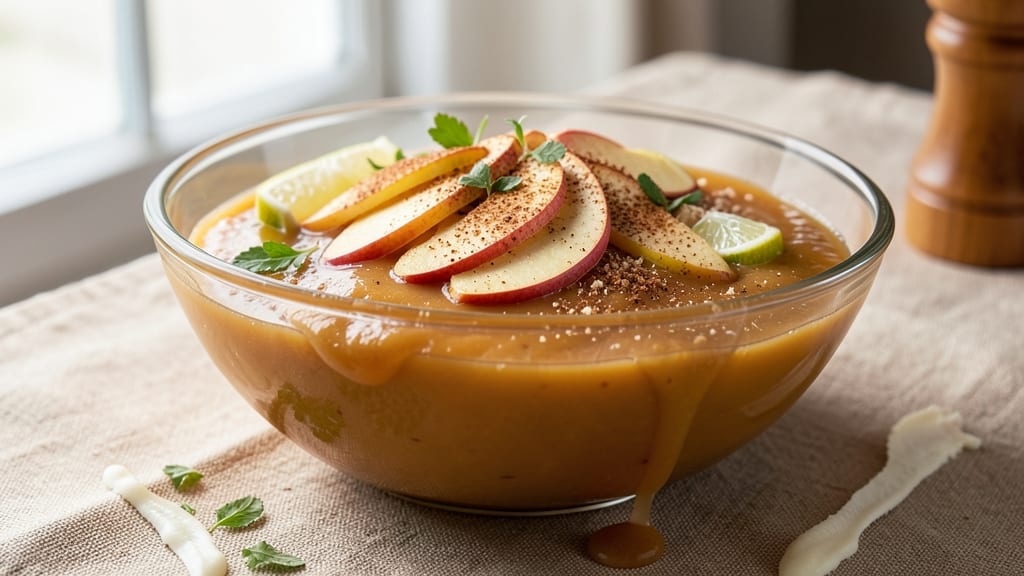
This low-sugar apple sauce recipe transforms simple ingredients into a velvety, naturally sweetened condiment that requires no refined sugar. The secret lies in balancing ripe apples with warm spices like cinnamon and a touch of lemon juice, creating depth without artificial sweetness.
Perfect for pairing with meats, baking, or spreading on toast, this version keeps calories in check while delivering rich, comforting flavor.
What sets this recipe apart is its versatility—you can achieve either a smooth, spoonable texture or a rustic, chunky consistency depending on how you process the apples. The natural sweetness comes from perfectly ripe fruit, enhanced by spices that caramelize beautifully during cooking.
No added sugar means you control the sweetness level entirely, making it ideal for health-conscious eaters or those managing blood sugar.
The process is straightforward: peel, core, and cook the apples until tender, then blend or mash to your preferred texture. A splash of apple cider vinegar brightens the flavor, while cinnamon adds warmth that lingers long after the first bite.
The result is a sauce that’s naturally sweet, aromatic, and ready in under 20 minutes with minimal effort.
Store it in the refrigerator for up to a week or freeze for months, ensuring you always have a pantry staple that’s healthier than store-bought versions. Try adding vanilla for a dessert-like twist or a pinch of nutmeg for extra holiday cheer. Let’s make this naturally sweet apple sauce today!
Ingredients for apple sauce recipe low sugar
Eight simple ingredients create velvety apple sauce with natural sweetness and warm spice harmony.
| Ingredient | Amount | Notes |
|---|---|---|
| Ripe Apples (Honeycrisp or Fuji preferred) 🍎 | 4 lb | Peeled and cored for even cooking |
| Apple Cider Vinegar 🍏 | 2 tbsp | For brightness and balance |
| Ground Cinnamon 🌿 | 1 ½ tsp | Freshly ground for warmth |
| Fresh Lemon Juice 🍋 | 1 tbsp | Brightens the natural sweetness |
| Pure Vanilla Extract 🌸 | ½ tsp | Optional for dessert-like depth |
| Ground Nutmeg 🌿 | ¼ tsp | For subtle holiday warmth |
| Water 💧 | ½ cup | Adjusts texture consistency |
| Sea Salt 🧂 | ¼ tsp | Enhances all flavors |
The apples are the star—ripe Honeycrisp or Fuji (the sweeter, the better) hold up beautifully to cooking. Skip the peels if you prefer rustic texture, but peeling gives that silky finish. I always grab organic apples from Whole Foods when they're on sale—no pesticides, and they're sweeter. For chunky texture, leave a few whole apples unblended. If you're short on time, pre-cut apples from the produce section work too, but rinse them well to remove any preservatives.
No apple cider vinegar? White vinegar or lemon juice at double the amount will work, but you'll lose that subtle apple tang. Fresh lemon juice is ideal—store-bought bottled lacks the brightness. The cinnamon should be freshly ground if possible (pre-ground loses potency fast), but Penzeys brand in the spice aisle is a solid backup. Want extra depth? A pinch of cardamom or allspice adds complexity without overpowering. For texture control, add water 1 tablespoon at a time until you reach your desired consistency—smooth like applesauce or chunky like applesauce with bits.
This sauce keeps beautifully—1 week in the fridge or 6 months in the freezer. For freezing, portion into ice cube trays first, then transfer to a bag. Reheat gently on the stove with a splash of water to restore smoothness. The flavors actually improve after a day or two as the spices meld. Store-bought versions can't compete with this—homemade tastes fresher and you control the sweetness level entirely. Make a double batch and freeze half for later—you'll be glad you did.
Why You'll Love This Recipe
- No Peel, No Stress: I swear by Honeycrisp apples here—just core and chop, no peeling required. That vinegar and lemon brighten the whole thing while you simmer, so you’re not stuck stirring for hours.
- Spice Without Sugar: Honestly, the cinnamon and vanilla in this sauce hit different. It’s warm but not cloying, tangy but not sour—like autumn in a jar, minus the guilt.
- Pantry-to-Table Magic: This isn’t just dessert. Slather it on toast, mix it into oatmeal, or drizzle it over yogurt. I’ve even used it as a glaze for roasted chicken—works every time.
- Lasts a Week: Make a big batch, store it in the fridge, and forget about it. The flavors only deepen over time, and you’ll always have a backup for smoothies or baking. Budget win.
Step-by-step instructions for low-sugar apple sauce
Here's how to transform sweet apples into velvety, naturally balanced apple sauce without added sugar.
Peel, Core, and Chop the Apples
Start by peeling the 4 lb ripe apples (Honeycrisp or Fuji work best) using a vegetable peeler or sharp knife. Cut them in half and remove the cores using an apple corer or small knife. Then, slice each half into ½-inch thick wedges—this ensures even cooking and easier mashing later.
For the best texture, I recommend using a mandoline if you're comfortable with it, as it creates uniform slices that cook at the same rate. If you're working with particularly firm apples, you can leave the skin on for added texture, but peeling ensures a smoother final product. Place the sliced apples in a large mixing bowl as you go.
Combine Apples with Seasonings
In the same mixing bowl with the sliced apples, add the 2 tbsp apple cider vinegar, 1 tbsp fresh lemon juice, 1.5 tsp ground cinnamon, 0.25 tsp ground nutmeg, and 0.25 tsp sea salt. Toss everything together gently with your hands or a large spoon until the apples are evenly coated with the seasonings. This step is crucial for balancing the natural sweetness and adding depth of flavor.
The apple cider vinegar and lemon juice will brighten the apples' natural sweetness while preventing the sauce from becoming overly cloying. The cinnamon and nutmeg add warmth, and the salt enhances all the flavors. Don't skip this step—it's what transforms simple apples into something truly special. If you're using the optional 0.5 tsp pure vanilla extract, add it now and mix it in thoroughly.
Cook the Apple Mixture
Transfer the seasoned apples to a large, heavy-bottomed pot. Add the 0.5 cup water and bring the mixture to a gentle boil over medium-high heat. Once boiling, reduce the heat to medium-low and let it simmer uncovered for 15-20 minutes, stirring occasionally with a wooden spoon. You'll notice the apples softening and breaking down as they release their juices.
Here's the thing—you want the apples to cook until they're fork-tender but not mushy. They should easily collapse under gentle pressure from a fork, but there should still be some structure left. If the mixture looks too dry, add 1-2 tablespoons of water at a time until it reaches your desired consistency. The goal is a smooth, velvety texture without any added sugar.
Mash and Adjust Texture
Once the apples are tender, use a potato masher, fork, or immersion blender to mash them to your preferred texture. For a smoother sauce, blend with an immersion blender until completely smooth. If you prefer a slightly rustic texture with small chunks, mash with a potato masher and leave some texture. Taste the sauce and adjust the seasoning if needed—you might want to add a pinch more cinnamon or a splash of lemon juice to balance the flavors.
This is also the time to check the consistency. If the sauce is too thick, add 1-2 tablespoons of water at a time until it reaches a spreadable, slightly loose consistency. If it's too thin, simmer uncovered for another 2-3 minutes to reduce it slightly. The sauce should coat the back of a spoon but still be light enough to drizzle.
Cool and Store
Transfer the apple sauce to a clean glass jar or airtight container. Let it cool to room temperature, then refrigerate for at least 1 hour before serving. The flavors will deepen as it cools, and the texture will thicken slightly. This sauce keeps well in the refrigerator for up to 1 week or can be frozen for up to 6 months.
When serving, you'll notice how the natural sweetness of the apples shines through without any added sugar. The cinnamon and nutmeg add a cozy warmth, while the apple cider vinegar and lemon juice keep it bright and balanced. This low-sugar apple sauce is perfect for pairing with cheeses, spreading on toast, or using as a topping for oatmeal and yogurt. Enjoy it warm or cold—it's versatile and delicious either way.
Pro Tips For Making Apple Sauce Recipe Low Sugar
- USE COLD APPLES: Start with apples straight from the fridge—no peeling, no chopping until you’re ready. Cold apples release less liquid when cooking, so you’ll end up with a thicker, less watery sauce that doesn’t need extra starch or sugar to stabilize it. (Yes, even if you’re impatient like me.)
- PEEL AFTER COOKING: Skip the peeling step entirely—just scrub the skins clean and toss them in whole. After cooking, the skins will slide right off when you mash or blend, and they add subtle depth to the flavor. If you’re worried about texture, just strain them out at the end.
- CONTROL THE HEAT: Low and slow is your friend here—medium-low heat prevents scorching while letting the apples break down naturally. I learned this the hard way after burning three batches; now I keep the pot moving gently and add a splash of water only if it looks too dry.
- VINEGAR LAST: Add the apple cider vinegar and lemon juice after the apples have softened and you’re ready to blend or mash. This keeps the bright, tangy notes from cooking off and ensures they shine in the final sauce. (Your future self will notice the difference.)
Perfect pairings for this dish
Breakfast Pairings
This naturally sweetened apple sauce is a game-changer for morning routines. Spread it on whole-grain toast with a smear of cream cheese and a sprinkle of granola for a crunchy texture.
I love adding it to Greek yogurt with a drizzle of honey and walnuts—the cinnamon ties everything together beautifully. For a protein boost, mix it into overnight oats with chia seeds and almond milk for a naturally sweetened breakfast bowl. 🍳
Cheese Pairings
Creamy cheeses like brie, goat cheese, or ricotta pair exceptionally well with this apple sauce. Serve it alongside a charcuterie board with sharp cheddar, provolone, and aged gouda—the acidity in the sauce cuts through the richness.
I also love it with cream cheese on bagels or crackers for an elegant appetizer. For a savory twist, spread it on grilled cheese sandwiches with turkey or ham—the sweetness balances the saltiness perfectly. 🧀
Meat Complements
This low-sugar apple sauce elevates roasted or grilled meats beautifully. Drizzle it over roast pork tenderloin or braised short ribs for a glossy finish that enhances the meat’s natural flavors. It also pairs wonderfully with roast chicken or turkey, especially during the holidays.
For a quick weeknight meal, serve it with pan-seared pork chops or beef tenderloin—the cinnamon and apple notes complement the savory meat. 🍖
Dessert Enhancements
Skip the sugar and use this sauce as a topping for vanilla ice cream or pancakes—the natural sweetness shines through without overpowering. I love it with warm apple crisp or cinnamon rolls for a lighter dessert option.
For a sophisticated touch, drizzle it over cheesecake or panna cotta—the acidity balances the richness. You can even use it as a filling for apple turnovers or stuffed French toast for a homemade twist. 🍰
Baking Substitute
Replace sugar in recipes with this apple sauce for a naturally sweetened twist. Use it in muffin batters, quick breads, or cookies—it adds moisture and flavor without spiking the sweetness. I’ve used it in pumpkin bread and zucchini muffins with great success.
For a healthier apple pie filling, mix it with oats and spices for a no-sugar-added dessert. The texture works well in energy bars or granola clusters, too. 🍪
Drink Pairings
Pair this apple sauce with sparkling water and a squeeze of lemon for a refreshing drink. It also complements iced tea or coffee—add a spoonful to your morning brew for a naturally sweetened boost.
For a festive touch, mix it into hot apple cider with a dash of vanilla and cinnamon. The warm spices in the sauce enhance the flavors of mulled wine or spiced chai tea, making it a perfect holiday pairing. 🍹
Nutrition facts
Frequently asked questions
Can I use any type of apple for this low-sugar recipe?
Sweet varieties like Honeycrisp or Fuji work best because they're naturally sweeter and hold up well during cooking. Tart apples like Granny Smith will need extra cinnamon or a touch of vanilla to balance their acidity. For maximum natural sweetness, choose ripe but firm apples—they're sweeter than overripe ones.
How do I adjust the texture if it's too thick or too thin?
For a thicker sauce, simmer uncovered for 2-3 extra minutes to reduce the liquid. If it's too thin, stir in 1-2 tablespoons of water at a time until you reach a spreadable consistency. The ideal texture coats the back of a spoon but remains light enough to drizzle.
What are the best ways to use this low-sugar apple sauce?
This versatile sauce works as a topping for oatmeal, yogurt, or pancakes. It also pairs beautifully with roast pork, grilled chicken, or cheese boards. For baking, substitute it for sugar in muffins or quick breads—it adds moisture and natural sweetness without spiking blood sugar.
Can I make this recipe without added spices?
Yes! The basic recipe only needs apples, lemon juice, and apple cider vinegar for a simple, naturally sweet version. Skip the cinnamon and nutmeg if you prefer, but they're what give this sauce its signature warmth. The spices enhance the natural sweetness without needing added sugar.
How long can I store this apple sauce in the freezer?
This sauce keeps for up to 6 months in the freezer when stored in an airtight container. For best quality, portion into ice cube trays first, then transfer to a freezer bag. Thaw overnight in the fridge—never at room temperature—and stir in a splash of water if it thickens too much upon reheating.