
Sauces & Condiments
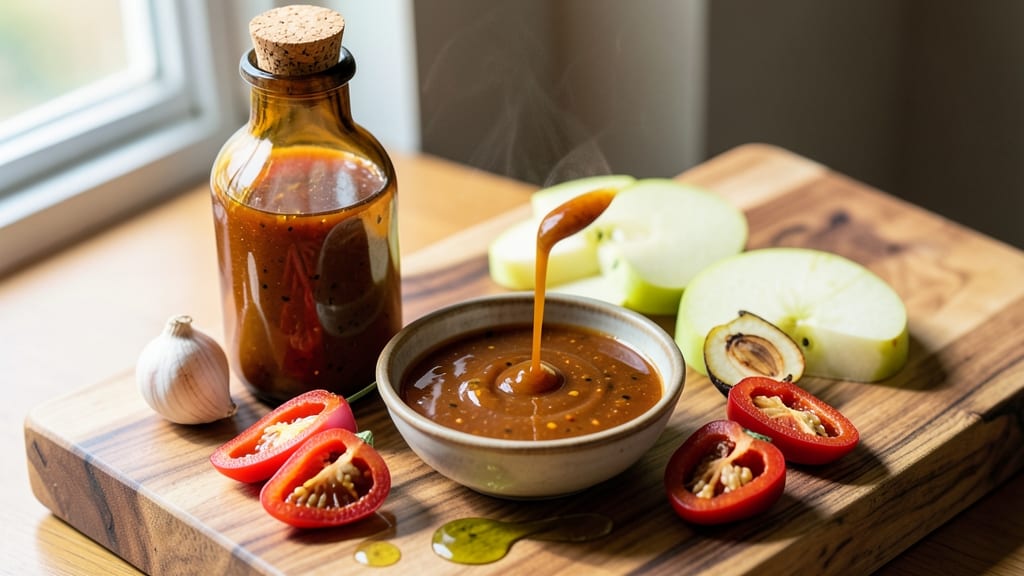
This apple habanero hot sauce recipe transforms fiery habanero peppers into a perfectly balanced, sweet-spicy condiment that elevates everything from tacos to grilled meats.
The key lies in blending apple’s natural sweetness with habanero’s heat, creating a sauce that’s complex yet approachable—ideal for those who love bold flavors without overwhelming spice. Safety first: habanero peppers demand respect, so we’ll cover proper handling to ensure a smooth process from start to finish.
The magic happens through a controlled fermentation and cooking method that develops depth while preserving the fruit’s bright acidity and the pepper’s signature heat. You’ll start with fresh habanero peppers and apples, then build layers of flavor through slow simmering and optional vinegar or sugar adjustments.
This isn’t just another hot sauce—it’s a versatile condiment that bridges sweet, tangy, and fiery profiles in every drop.
By the end, you’ll have a vibrant, medium-hot sauce with a glossy sheen and a texture that clings beautifully to food. The apple base mellows the habanero’s initial burn, leaving a lingering warmth and subtle sweetness that makes this sauce perfect for drizzling, dipping, or blending into marinades.
Store it properly, and you’ll enjoy restaurant-quality heat for months.
Whether you’re a hot sauce enthusiast or a first-timer, this recipe delivers professional results with simple techniques. Let’s get started—just remember to wear gloves when handling those habaneros! The payoff? A sauce so good, you’ll want to bottle it for gifts.
Ingredients for apple habanero hot sauce
Sweet meets fiery in this balanced hot sauce—just 10 ingredients for bold flavor.
| Ingredient | Amount | Notes |
|---|---|---|
| Fresh Habanero Peppers 🌶️ | 4 whole | Wear gloves when handling |
| Granny Smith Apples 🍎 | 2 medium | Cored and chopped into chunks |
| White Vinegar 💧 | 1 cup | Distilled white preferred |
| Granulated Sugar 🍚 | ½ cup | Adjust to taste |
| Garlic Cloves 🧄 | 3 cloves | Peeled and minced |
| Extra-Virgin Olive Oil 🫒 | ¼ cup | For richness |
| Salt 🧂 | 1 tsp | Kosher or sea salt |
| Black Peppercorns 🌶️ | ½ tsp | Freshly cracked |
| Apple Cider Vinegar 🍏 | ¼ cup | Optional for depth |
| Water 💧 | 1 cup | For thinning if needed |
Habaneros are the star here, so pick fully ripe, deep orange peppers—they pack the most heat and sweetness. Trader Joe's and Whole Foods often carry them fresh, or check the Latin market if you want a bigger batch. Granny Smith apples add the perfect tartness to cut through the habanero’s heat; avoid red apples—they’re too mild. For the vinegar, distilled white vinegar is your best bet for brightness, but apple cider vinegar adds a lovely complexity if you’re feeling fancy. The sugar isn’t just for sweetness—it helps balance the acidity and caramelizes slightly during cooking for depth.
No habaneros? Scotch bonnet or Thai bird’s eye peppers work in a pinch, but scale back to 2 peppers—they’re hotter. Swap Granny Smith for Fuji apples if that’s what you’ve got, but you’ll need to add an extra tablespoon of sugar to compensate for their milder flavor. Running low on apple cider vinegar? White balsamic vinegar at half the amount gives a similar tang. If you’re sensitive to spice, reduce the habaneros to 2 whole peppers and add another tablespoon of sugar to balance. The olive oil is non-negotiable—it carries the heat and adds a silky texture, so don’t skip it.
This sauce keeps beautifully—1 month in the fridge or 6 months in the freezer if you bottle it properly. For long-term storage, use clean glass jars with airtight lids and leave a little headspace to prevent mold. I like to portion mine into small bottles for gifting—just label them with the heat level (medium) so people know what they’re getting. If it thickens over time, a splash of water or vinegar brings it back to perfection. Trust me, it only gets better with age.
Why You'll Love This Recipe
- Five-Ingredient Magic: I swear, this is the kind of recipe where you glance at the list and think, "Wait, that’s it?" Habaneros and Granny Smiths? Yes. The vinegar and sugar balance the heat so perfectly, you’ll forget how little effort went into it.
- Sweet Heat Balance: That first bite where the apple’s sharp tang meets the habanero’s fire—honestly, it’s like a flavor hug. The sugar caramelizes just enough to smooth out the burn, leaving you wanting to drizzle it on everything.
- Weeknight Game-Changer: Dinner guests? Leftovers? Date night? This sauce works for all of it. Toss it with grilled chicken, stir it into marinades, or just eat it with a spoon—no judgment here.
- Lasts for Weeks: Between us, I make a big batch and let it ferment in the fridge. The flavors deepen over time, and I’m still using jars of it months later. Plus, the ingredients are cheap—you’ll save money and still impress.
Step-by-step instructions for apple habanero hot sauce
Here's how to balance heat and sweetness for a vibrant, restaurant-quality hot sauce.
Sterilize and Prepare the Peppers
Wear gloves when handling the 4 whole fresh habanero peppers—they pack serious heat. Cut each pepper in half lengthwise, then remove seeds and membranes using a small spoon. This preserves the fruit's natural sweetness while concentrating the capsaicin for maximum heat. Place the pepper halves in a clean glass jar and cover completely with the 1 cup white vinegar. Let them steep for at least 24 hours at room temperature, stirring occasionally. The vinegar will draw out the peppers' natural oils and begin breaking down their cellular structure.
Real talk: Don't skip this steeping step. The longer they soak, the more complex the flavor becomes. I've found 48 hours delivers the best balance between heat and sweetness. After steeping, you'll notice the vinegar takes on a bright orange hue and develops a sharp, peppery aroma that signals it's ready for the next stage.
Cook the Apple-Garlic Base
In a medium saucepan, combine the 2 medium granny smith apples (cored and chopped), 3 cloves minced garlic, 0.5 cup granulated sugar, 1 tsp salt, and 0.5 tsp freshly cracked black peppercorns. Add the 0.25 cup extra-virgin olive oil and stir to coat everything evenly. Cook over medium heat for 10-12 minutes, stirring frequently, until the apples break down into a thick purée and the garlic becomes fragrant. You're looking for a consistency similar to applesauce, with no visible apple chunks remaining.
This cooking process caramelizes the sugars slightly, creating a beautiful golden-brown base that will form the sweet foundation of your hot sauce. The olive oil adds richness while helping to emulsify the final product. Taste as you go—if you need more sweetness, add a pinch more sugar, but don't overdo it. We want the heat to shine through, not be masked.
Blend and Strain the Mixture
Remove the habanero peppers from the vinegar and drain well, reserving the vinegar. Transfer the pepper halves, their infused vinegar, and the cooked apple-garlic mixture to a blender. Add the 0.25 cup apple cider vinegar (if using) and blend until completely smooth. The sauce should have a vibrant orange color with a thick, syrupy consistency. If it's too thick, add the 1 cup water gradually until you reach a pourable but still coatable texture.
Here's the thing—straining isn't always necessary for this recipe, but if you prefer a completely smooth sauce, transfer the blended mixture to a fine-mesh strainer or cheesecloth-lined colander. Let it drain for 10-15 minutes, pressing gently on the solids to extract all the liquid. The strained version will have a cleaner texture, while the unstrained version retains more fiber and body. Both are delicious, so choose based on your preference.
Simmer and Bottle the Sauce
Return the blended sauce to the saucepan and bring to a gentle simmer over medium-low heat. Let it cook uncovered for 20-25 minutes, stirring occasionally. This simmering process helps develop the sauce's depth of flavor by evaporating some of the liquid and concentrating the flavors. You'll notice the sauce darkens slightly and its aroma becomes more complex—this is when it transforms from good to exceptional.
Once simmered, transfer the hot sauce to clean glass bottles or jars using a funnel. Seal tightly and let cool completely before refrigerating. The sauce will continue to develop in flavor over the next 24-48 hours as the ingredients meld together. For best results, use within 2 weeks, though the flavors actually improve with age. Start with small amounts when tasting—this sauce packs serious heat!
Pro Tips For Making Apple Habanero Hot Sauce
- REMOVE SEEDS FIRST: Habaneros pack heat in their seeds, and you don’t want this sauce to taste like a nuclear explosion. Scoop out the white pith and seeds with a spoon before chopping—yes, even if you’re using gloves, because those seeds will burn your hands if you’re not careful.
- PEEL APPLES THIN: Granny Smiths stay firm when cooked, but thick peels turn rubbery and bitter. Use a vegetable peeler to shave off just the skin—leave about 1/8-inch of flesh to avoid wasting good fruit, and don’t skip this step if you want that smooth, bright apple flavor.
- SIMMER LOW AND SLOW: Rushing the reduction on high heat turns your sauce into a sad, thin glaze. Keep it at a gentle bubble—just enough to see tiny ripples in the sauce—so the sugar caramelizes properly and the habanero heat mellows into something complex, not just a fiery punch.
- STRAIN THE GARLIC: Crushed or minced garlic burns easily and can make the sauce taste bitter. Mash the cloves with the flat side of your knife first, then strain them through a fine-mesh sieve before adding to the pot—this keeps the flavor without the harshness. (I learned this after one very bitter batch.)
Serving suggestions for this dish
Taco Night Elevation
This sauce transforms ordinary tacos into a fiesta of flavors. Drizzle 1-2 teaspoons over warm corn tortillas before adding your protein—it caramelizes slightly from the heat, creating a sticky-sweet glaze.
I love pairing it with grilled chicken or shrimp, then topping with pickled red onions and crumbled cotija cheese. The apple's sweetness balances the habanero's heat beautifully against the smoky char of grilled meats. 🌶️
Dipping Sauce Powerhouse
Serve this sauce as a dipping companion for fried chicken tenders, mozzarella sticks, or crispy tofu bites. The thickness of the sauce makes it perfect for dipping—it clings to food without dripping.
For extra flair, add chopped cilantro and a squeeze of lime juice right before serving. Trust me, your guests will ask for the recipe after just one taste.
Grilled Meats Glaze
Brush this sauce onto ribs, brisket, or pork chops during the last 10-15 minutes of grilling. The apple base caramelizes while the habanero adds a subtle kick that penetrates the meat.
I recommend using it on pork shoulder for pulled pork—toss the shredded meat with 2 tablespoons of the sauce and serve on buns with coleslaw. The heat level is perfect for balancing rich, fatty meats.
Breakfast Game-Changer
Add a dash of this sauce to your morning routine. Stir ½ teaspoon into scrambled eggs or mix it into biscuit batter before baking. It pairs surprisingly well with crispy bacon or sausage links.
For a sweet-savory twist, drizzle it over French toast or pancakes with a sprinkle of powdered sugar. The heat wakes you up while the apple adds unexpected depth.
Cheese Board Essentials
This sauce takes cheese boards to the next level. Pair it with aged cheddar, gouda, or blue cheese for a perfect balance of sweet, spicy, and tangy. Drizzle 1 teaspoon over a platter with crackers, nuts, and dried fruit.
The habanero's heat cuts through the richness of the cheese, while the apple adds a refreshing contrast. It's the perfect conversation starter for any gathering. ✨
Marinade Magic
Use this sauce as a marinade for chicken, pork, or shrimp. The acidity in the vinegar tenderizes the meat while the habanero infuses flavor. Marinate for 4-6 hours or overnight for maximum penetration.
I love using it on grilled shrimp skewers with bell peppers and onions. The result? Juicy, flavorful protein with a perfect sweet-spicy kick.
Nutrition facts
Frequently asked questions
Why does this apple habanero sauce need to steep the peppers in vinegar?
The vinegar steeping process is key to extracting the habanero's natural oils and capsaicin for maximum flavor and heat. This step also softens the peppers, making them easier to blend while preserving their vibrant color. The longer you steep (up to 48 hours), the more complex and balanced the final sauce will taste.
How can I adjust the heat level if habaneros are too spicy?
Start by reducing the number of habanero peppers to 2 instead of 4. For extra sweetness to balance the heat, add an additional 1-2 tablespoons of sugar during cooking. You can also strain out some of the pepper-infused vinegar before blending. Always taste as you go—this sauce develops heat gradually during simmering.
Can I substitute other hot peppers for habanero?
Yes, but adjust quantities carefully. Scotch bonnet or Thai bird's eye peppers work well but are hotter—use only 2 peppers instead of 4. For milder heat, try jalapeños or serranos, but you'll need to add more sugar (up to 1 cup) to compensate for their lower sweetness. The apple base will still provide that signature fruity contrast.
What's the best way to store homemade hot sauce?
Store in clean glass jars with airtight lids in the refrigerator for up to 1 month, or freeze for 6 months. Leave about ½ inch of headspace to prevent mold. If the sauce thickens over time, thin with a splash of vinegar or water. The flavor actually improves with age, developing deeper complexity as the ingredients meld.
How do I use this sauce in cooking beyond just drizzling?
This versatile sauce works as a marinade (4-6 hours for chicken/pork), glaze (brush on ribs during last 10 minutes of grilling), or even a breakfast stir-in (½ tsp in scrambled eggs). For extra depth, reduce the sauce by 25% on the stovetop to create a concentrated version perfect for braising meats or tossing with noodles.