
Sauces & Condiments
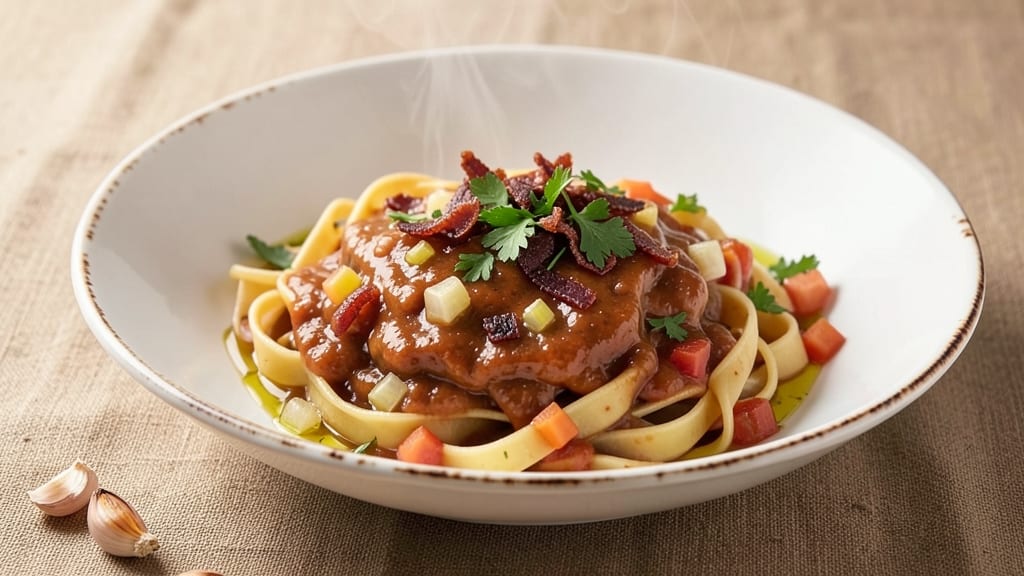
Antonio Carluccio's Bolognese sauce transforms humble ingredients into the rich, slow-simmered masterpiece that defines Italian comfort food. This recipe captures the essence of Carluccio's approach—layered flavors, proper technique, and patience that result in a sauce so deeply flavorful it elevates any dish. The secret lies in browning the meat thoroughly and deglazing the pan, which builds the umami foundation that sets this version apart from quick versions.
What makes this sauce truly exceptional is the balance of textures and flavors: tender ground meat, sweet tomatoes, aromatic herbs, and a touch of wine that brightens the richness. The slow simmer allows all these elements to meld together, creating a sauce that's both complex and harmonious.
Unlike many recipes that rush the process, this version requires time—time that transforms simple ingredients into something extraordinary.
By the time you're done, you'll have a sauce that's velvety yet substantial, with a depth of flavor that rivals what you'd find in a traditional trattoria. It's the kind of sauce that tastes even better the next day as the flavors continue to develop.
This isn't just a sauce—it's a flavor experience that will have everyone asking for seconds.
The beauty of this Bolognese is its versatility. Use it as a rich topping for pasta, layer it in lasagna, or fill homemade ravioli with it.
The possibilities are endless, but the foundation remains the same: a slow-simmered sauce that delivers restaurant-quality results at home. Let's get started on creating this classic.
Ingredients for antonio carluccio bolognese sauce
Elevate your Italian cooking with these carefully selected ingredients that deliver authentic trattoria flavor.
| Ingredient | Amount | Notes |
|---|---|---|
| Ground Beef Chuck 🥩 | 1 ½ lb | 80% lean, finely ground for even cooking |
| Yellow Onion 🧅 | 1 whole | Finely diced, about 1.5 cups |
| Carrot 🥕 | 1 whole | Finely diced, about 0.5 cup |
| Celery Stalks 🌿 | 2 whole | Finely diced, about 0.5 cup |
| Garlic Cloves 🧄 | 4 cloves | Finely minced, about 1 tbsp |
| San Marzano Crushed Tomatoes 🍅 | 28 oz | High-quality canned tomatoes |
| Whole Milk 🥛 | ½ cup | For richness, not skim |
| Dry Red Wine 🍷 | ½ cup | Bold variety like Chianti or Cabernet |
| Tomato Paste 🍅 | 2 tbsp | Smooth, not chunky |
| Fresh Parsley 🌿 | ¼ cup | Finely chopped, for finishing |
| Fresh Basil 🌿 | ¼ cup | Finely chopped, for finishing |
| Extra-Virgin Olive Oil 🫒 | ¼ cup | For deglazing and finishing |
| Diamond Crystal Kosher Salt 🧂 | 1 ½ tsp | Adjust to taste |
| Freshly Ground Black Pepper 🌶️ | ½ tsp | Freshly cracked for best flavor |
| Bay Leaves 🌿 | 2 whole | Removed before serving |
The foundation starts with ground beef chuck—its higher fat content ensures a rich, velvety texture that separates this from leaner versions. Whole milk and San Marzano tomatoes are non-negotiable for that signature sweetness and depth. For the soffritto, yellow onion, carrot, and celery should be finely diced to create a smooth base. Penzeys Spices or a trusted Italian market are ideal for quality herbs and spices. The red wine must be dry and bold—Chianti or Cabernet are classic choices. Fresh herbs like parsley and basil should be added at the end to preserve their bright flavors.
No San Marzano tomatoes? Crushed tomatoes with no added salt work in a pinch, but you'll lose some natural sweetness. Ground pork can replace half the beef for additional richness, though traditionalists may prefer all beef. The tomato paste can be substituted with pureed canned tomatoes, though texture may differ slightly. For wine substitutes, beef broth with a splash of balsamic vinegar mimics the acidity. Fresh herbs can be swapped for dried at one-third the quantity, but fresh is always preferred for that authentic finish. The olive oil should be extra-virgin—anything less will compromise the sauce's quality.
This sauce develops deeper flavor with time, so plan for at least 4 hours of slow simmering or overnight in the refrigerator. Store in airtight containers for up to 5 days in the fridge or 6 months in the freezer. For best results, reheat gently on the stove with a splash of water or milk to restore moisture. The sauce thickens as it cools, so it's perfect for lasagna, pasta, or ravioli fillings—just thin with a little milk or broth if needed before serving.
Why You'll Love This Recipe
- No Chopping Chaos: The onion, carrot, and celery? Just dice them roughly—no need for precision. Antonio’s method lets you throw them in whole if you’re lazy (I often do), and they’ll still soften perfectly into that rich, sweet base.
- Meaty Depth Matters: That chuck beef? It’s the star—unlike lean ground beef, it stays juicy and melts into a tender, almost buttery texture. The slow simmer turns it into something luxurious, not greasy.
- Leftovers That Beg: This sauce only gets better the next day. I make a double batch on Sundays, freeze half, and pull it out for lazy nights—no reheating drama, just pure satisfaction.
- Weeknight Hero: One pot, 30 minutes, zero fuss. The garlic and soffritto (onion-carrot-celery) build flavor while you prep the rest of dinner. Honestly, it’s the only sauce I trust when I’m exhausted.
Step-by-step instructions for antonio Carluccio's Bolognese sauce
This is how Carluccio built his legendary sauce—slow, deliberate, and packed with umami depth.
Build the Sofritto Base
Heat the 0.25 cup extra-virgin olive oil in a heavy-bottomed Dutch oven over medium-low heat. Add the finely diced yellow onion, carrot, and celery stalks (this trio is called "soffritto" in Italian tradition). Cook for 15-20 minutes until the vegetables are completely softened and the onion is translucent.
I press down occasionally with a wooden spoon to ensure even cooking. The vegetables should melt into the oil without browning—this foundational step carries through the entire sauce. If you see any browning, reduce the heat immediately. Add the finely minced garlic cloves and cook for another 1 minute until fragrant, but never let it color.
Brown the Ground Beef Chuck
Increase heat to medium-high and add the 1.5 lb ground beef chuck in batches, breaking it apart with a wooden spoon. Don't stir constantly—let the meat develop a deep brown crust in 5-7 minutes. This browning creates the rich, meaty flavor that defines authentic Bolognese.
Once fully browned, drain excess fat (leave about 2 tablespoons for flavor) and return the meat to the pot. Stir in the 2 tbsp tomato paste and cook for 2 minutes until it darkens slightly. This paste acts as a flavor multiplier—don't skip it. Add the 2 whole bay leaves and 1.5 tsp kosher salt now to infuse the meat with aromatic depth.
Deglaze and Simmer with Wine
Pour in the 0.5 cup dry red wine and scrape up all the browned bits from the bottom of the pot. This deglazing step captures all the concentrated flavors you've built. Let the wine simmer until reduced by half (3-4 minutes), then add the 28 oz San Marzano crushed tomatoes.
Here's the critical moment: stir in the 0.5 cup whole milk and 0.5 tsp freshly ground black pepper. The milk may curdle slightly—this is normal and actually enhances the sauce's velvety texture. The pepper should be freshly cracked for maximum aroma. Bring the mixture to a gentle simmer and reduce heat to low.
Slow-Simmer for Maximum Flavor Development
Cover the pot and let the sauce simmer uncovered for 2.5-3 hours at a gentle bubble. This long cooking time is non-negotiable—it allows the flavors to meld and the sauce to develop its signature depth. Stir occasionally, but avoid constant stirring which can break down the meat's texture.
After 2 hours, check the consistency. If it's too thick, add 2-4 tablespoons of water or reserved pasta water to reach your desired texture. The sauce should coat the back of a spoon but still be loose enough to cling to pasta. Taste and adjust seasoning—you might need a pinch more salt or pepper.
Finish and Rest Before Serving
Remove the bay leaves and stir in the 0.25 cup fresh parsley and 0.25 cup fresh basil. Let the sauce rest for 15-20 minutes off the heat before serving. This resting period allows the flavors to fully integrate and the sauce to thicken slightly.
Serve immediately over freshly cooked tagliatelle or pappardelle. The sauce should be rich, velvety, and deeply flavorful with no trace of acidity from the tomatoes. Each bite should deliver layers of umami from the slow-cooked beef, sweetness from the soffritto, and brightness from the fresh herbs. The milk creates that signature creamy texture without making the sauce heavy.
Pro Tips For Making Antonio Carluccio Bolognese Sauce
- CRUSH THE SOFFRITO FIRST: I learned this the hard way—skipping a proper soffrito (onion, carrot, celery) means your sauce will taste raw and disjointed. Dice everything small (no bigger than ¼-inch cubes), then sweat them in olive oil over medium-low heat for at least 15 minutes. The edges should turn golden and the onion nearly translucent before you even think about adding meat.
- USE CHUCK, NOT GROUND BEEF: This isn’t just any beef—ground chuck is the non-negotiable here. It’s fattier, so it renders juices that deepen the sauce, and it holds up better than leaner ground beef. If your butcher won’t grind it fresh, buy pre-ground but pat it dry first—excess moisture will steam the meat instead of browning it.
- BROWN THE MEAT IN BATCHES: Crowding the pan is the fastest way to turn your bolognese into a sad, greasy sludge. Cook the chuck in 2-3 batches over medium-high heat, breaking it up with a wooden spoon until it’s deeply browned (not just pink). That crust? That’s where the flavor lives—don’t rush it, even if it means extra minutes.
- STIR IN THE TOMATO PASTE LAST: Adding tomato paste too early will turn your sauce into a thick, gloopy mess. Wait until the meat is fully browned and the soffrito is fragrant, then mix in the paste with a splash of red wine (or broth) to deglaze. This ensures it caramelizes slightly before the tomatoes come in, giving your sauce that rich, layered depth Carluccio swears by.
Creative variations of antonio carluccio bolognese sauce
Classic Pappardelle Pairing
This Bolognese sauce was practically designed for pappardelle pasta, with its wide ribbons perfectly cradling the rich sauce. Use 12-ounce pappardelle per serving, cooked al dente (about 8-10 minutes in salted boiling water).
Toss the hot pasta with the sauce and finish with a drizzle of extra-virgin olive oil and extra fresh basil. The wide noodles create a luxurious presentation while holding the sauce beautifully. 🍝
Vegetarian Adaptation
For a meat-free version, replace the beef with 1.5 lbs mushrooms (cremini or portobello) finely chopped, plus 1 lb lentils (cooked until tender). Sauté the mushrooms first to develop their umami, then proceed with the recipe exactly as written.
The lentils add protein while keeping the sauce's hearty texture. Use whole milk and tomato paste to maintain richness. 🌱
Spicy Arrabbiata Twist
Add 1-2 tbsp Calabrian chili paste (or 1 tsp red pepper flakes) when you add the tomatoes, then simmer with the sauce for 15 minutes to let the heat mellow.
Finish with 1 tbsp balsamic glaze for sweetness that balances the spice. This version pairs perfectly with spicy penne or chili crisp on top. 🌶️
Lasagna Layers
For lasagna, spread 1 cup sauce between layers of no-boil lasagna noodles, ricotta cheese, and mozzarella. Top with extra sauce and Parmesan before baking at 375°F for 30 minutes. The slow-cooked sauce prevents soggy noodles while delivering deep flavor in every bite. 🧀
White Wine Reduction
Simmer the finished sauce with ½ cup additional dry white wine (like Pinot Grigio) instead of milk for a lighter version. Add 1 oz butter at the end for richness.
This works beautifully with fettuccine or as a ravioli filling. The wine brightens the sauce while keeping it elegant. 🍷
Freezer-Friendly Ravioli
Fill homemade ravioli with a mix of 1 cup Bolognese sauce, ½ cup ricotta, and Parmesan, then freeze on a tray before transferring to a bag.
Cook from frozen in boiling water for 3-4 minutes. The sauce's slow-cooked depth shines in each bite of the tender pasta. Perfect for meal prep! ❄️
Nutrition facts
Frequently asked questions
Why does Antonio Carluccio's Bolognese sauce use milk instead of cream?
The milk creates a velvety texture without overpowering the sauce's depth. Carluccio's method uses whole milk to add richness while keeping the sauce light and balanced. The slight curdling during cooking actually enhances the umami flavor profile—it's a traditional technique that prevents the sauce from becoming heavy.
Can I make this sauce in a slow cooker instead of a Dutch oven?
Yes, but with adjustments! Brown the meat first in a skillet, then transfer everything to the slow cooker. Cook on low for 6-7 hours instead of 3 hours on the stove. The texture will be slightly different but still delicious. Just stir occasionally to prevent sticking.
What's the secret to getting that perfect meaty flavor in Bolognese?
Proper browning is key! Cook the ground beef chuck in batches until deeply browned before draining excess fat. The tomato paste and red wine deglazing steps capture all those flavorful browned bits that create the umami foundation. Never skip these steps—they're what make this sauce truly exceptional.
How do I know when my Bolognese sauce is done?
The sauce should coat the back of a spoon but still be loose enough to cling to pasta. It should smell deeply aromatic with no raw tomato acidity. Taste it after 2.5 hours—if the flavors are balanced and the meat is tender, it's ready. The sauce will thicken more as it rests, so don't worry if it looks too thin while cooking.
Can I make this sauce ahead of time?
This sauce tastes even better the next day as flavors develop further. Store in airtight containers in the fridge for up to 5 days or freeze for 6 months. Reheat gently on low heat with a splash of water or milk to restore moisture. The slow cooking process makes it perfect for meal prep.