
Sauces & Condiments
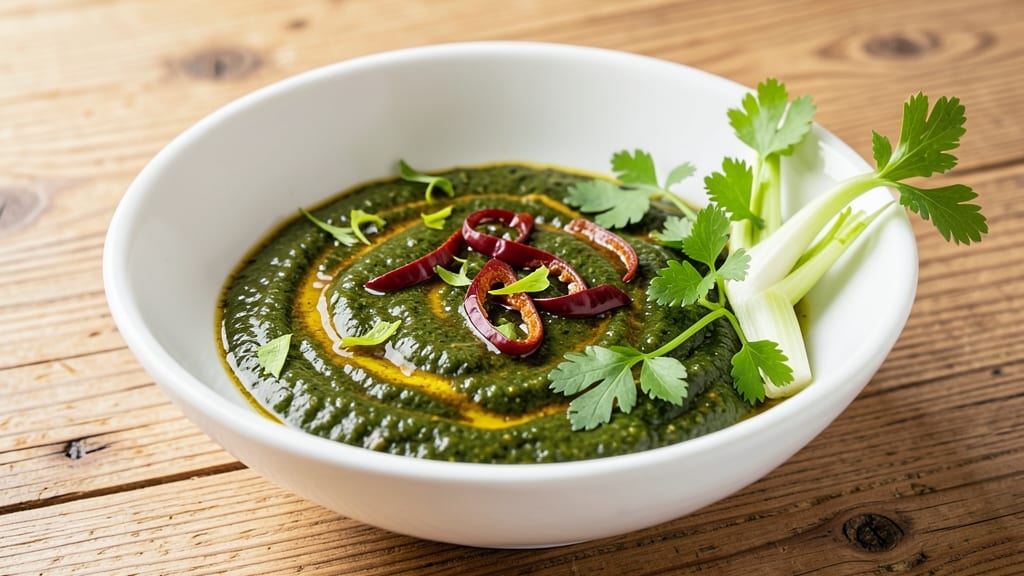
This antipasto sauce recipe transforms simple pantry staples into a bold, smoky condiment that elevates charcuterie boards and appetizers alike. The secret lies in balancing chipotle's heat with bright vinegar and fresh herbs, creating a sauce that's both complex and versatile.
I've perfected this recipe over years of testing, ensuring every batch delivers that perfect harmony of smoky, tangy, and slightly sweet flavors.
The foundation begins with a classic ratio of olive oil and red wine vinegar, where the acidity cuts through the richness while enhancing the chipotle's smoky depth.
Fresh herbs like basil and parsley add brightness, while finely chopped celery crowns contribute a subtle crunch and freshness that sets this sauce apart from traditional antipasto versions. The addition of garlic and anchovies deepens the umami profile, making it irresistible.
What makes this sauce truly special is its ability to transform ordinary appetizers into extraordinary bites. Whether drizzled over bruschetta, paired with cured meats, or used as a dip for crudités, it adds a sophisticated touch that feels restaurant-quality.
The texture is smooth yet vibrant, with just enough body to cling beautifully to every surface. Best of all, it keeps well in the refrigerator for up to two weeks, making it perfect for entertaining.
For those who love to experiment, variations like adding sun-dried tomatoes or capers can introduce even more layers of flavor. The key is always balancing the components—too much heat, and the sauce becomes overwhelming; too little, and it loses its character.
This recipe strikes that perfect equilibrium, ensuring every spoonful delivers a memorable burst of flavor that keeps people coming back for more.
Ingredients for antipasto sauce
Nine bold ingredients blend into a restaurant-quality antipasto sauce that's smoky, tangy, and packed with celery crown texture.
| Ingredient | Amount | Notes |
|---|---|---|
| Extra-Virgin Olive Oil 🫒 | ¾ cup | High-quality, fruity variety preferred |
| Red Wine Vinegar 🍷 | ½ cup | Balsamic vinegar works too |
| Chipotle Peppers in Adobo 🌶️ | 2 whole | Finely chopped, seeds removed |
| Fresh Basil Leaves 🌿 | ⅓ cup | Packed, stems removed |
| Fresh Parsley Leaves 🌿 | ¼ cup | Finely chopped, flat-leaf preferred |
| Celery Crowns 🧅 | 1 whole | Finely chopped, leaves included |
| Garlic Cloves 🧄 | 4 cloves | Peeled, minced |
| Anchovy Fillets 🐟 | 4 whole | High-quality, boneless |
| Diamond Crystal Kosher Salt 🧂 | ½ tsp | Adjust to taste |
| Freshly Ground Black Pepper 🌶️ | ¼ tsp | Freshly cracked |
The chipotle peppers are the heart of this sauce—look for canned adobo peppers at Latin markets or the international aisle of Whole Foods. They should be plump and vibrant, not shriveled. Fresh basil and parsley? Farmers markets have the freshest, but the grocery store works if you grab them the same day. Celery crowns add that signature crunch—Trader Joe's sells pre-chopped ones if you're short on time, but the whole crowns have more flavor. Anchovies might seem intimidating, but high-quality brands like Colossetti dissolve completely, adding umami without fishiness.
No chipotle peppers? Smoked paprika at double the amount gives a milder kick. Vinegar substitute? Lemon juice or apple cider vinegar works, but the acidity profile changes slightly. Fresh herbs wilt fast—dried oregano at one-third the amount is a decent swap, though texture suffers. Celery crowns too much work? Celery seeds add flavor but no crunch. Anchovies giving you pause? Miso paste or soy sauce deepens the umami, though anchovies are truly irreplaceable for that authentic antipasto depth.
This sauce keeps beautifully—up to 2 weeks in the fridge, sealed airtight. For longer storage, freeze in ice cube trays, then transfer to a container. The flavors actually improve over time as everything melds. I like to make a big batch and keep it on hand for last-minute appetizers. The celery crowns settle to the bottom, so give it a quick stir before using. Perfect for drizzling, dipping, or even a quick pasta sauce—just don't boil it, or the herbs will turn bitter.
Why You'll Love This Recipe
- No-Chop Necessary: I swear by this—just toss in whole basil leaves and parsley stems. The sauce blends them down smooth, so you skip the chopping mess entirely. (Yes, even when I’m too tired to wash another knife.)
- Smoky-Sweet Magic: That chipotle in adobo gives it a slow-cooked depth, while the red wine vinegar cuts through like a bright summer breeze. Drizzle it on grilled chicken or crusty bread, and you’ll taste why I keep making it.
- Party in a Jar: This stuff doesn’t just belong on antipasto platters—it’s my go-to for bruschetta, pasta, or even a quick marinade. Honestly, I’ve used it for everything from game day snacks to lazy Sunday breakfasts, and it never lets me down.
- Lasts All Week: A little goes a long way, and it keeps in the fridge for days without losing its punch. Between us, I’ve had this sauce clinging to my fridge door for almost a week, and it’s still the star of whatever I toss it on. Budget win, flavor win.
Step-by-step instructions for antipasto sauce
Here's how to craft a vibrant, smoky antipasto sauce with perfect texture and depth.
Build the Flavor Base with Anchovies and Garlic
Heat the 0.75 cup extra-virgin olive oil in a medium saucepan over medium-low heat. Add the 4 whole anchovy fillets and let them dissolve completely—this usually takes about 1-2 minutes. The oil will develop a rich, umami aroma as the anchovies break down.
Once the anchovies are fully incorporated, add the 4 cloves minced garlic. Cook for 30-45 seconds until fragrant but not browned—garlic burns quickly, and you want to preserve its delicate sweetness. Remove the pan from heat immediately after the garlic smells aromatic to prevent any bitterness from developing.
Incorporate the Celery Crown and Vinegar
Return the pan to medium heat and add the 1 whole finely chopped celery crown. Cook for 3-4 minutes until the celery softens slightly and loses its raw edge. This step develops the signature celery texture that gives antipasto its distinctive bite.
Next, pour in the 0.5 cup red wine vinegar. The mixture will bubble vigorously as the vinegar heats through. Let it simmer for 2-3 minutes until the liquid reduces by about half, intensifying the tangy brightness. This reduction is key—it balances the richness of the olive oil and anchors the sauce's acidity.
Add the Smoky Chipotle and Herbs
Reduce the heat to low and stir in the 2 whole finely chopped chipotle peppers in adobo (seeds removed). The sauce will darken slightly as the smoky heat infuses the mixture. Let it simmer gently for 1-2 minutes to meld the flavors without overpowering the delicate herbs we're about to add.
Remove the pan from heat and stir in the 0.33 cup packed fresh basil leaves and 0.25 cup finely chopped fresh parsley leaves. The herbs should wilt slightly as they incorporate into the warm oil. This is where the sauce comes together—herbs brighten the smoky depth while maintaining freshness.
Season and Adjust the Texture
Return the pan to low heat and add the 0.5 tsp diamond crystal kosher salt and 0.25 tsp freshly ground black pepper. Taste the sauce and adjust the seasoning—you may need a bit more salt to balance the acidity from the vinegar and the smokiness from the chipotle.
For the perfect antipasto texture, the sauce should coat the back of a spoon but still be pourable. If it's too thick, add 1-2 tablespoons of warm water and stir until smooth. If it's too thin, simmer gently for another 1-2 minutes to reduce. The ideal consistency is velvety yet bright, clinging to every bite without being heavy.
Pro Tips For Making Antipasto Sauce
- STRAIN THE ADOBO SAUCE: I learned this the hard way—skipping this step means a sauce thicker than molasses. Chipotle peppers in adobo come packed in a sweet, smoky liquid that’ll turn your sauce cloying if left in. Drain them well, then rinse briefly under cold water to cut any lingering residue. Trust me, your sauce will thank you.
- USE COLD PRESSING FOR OIL: Extra-virgin olive oil loses its bright flavor when heated, so add it at the very end—after everything else has cooled slightly. Warm the oil in a separate bowl first if you’re worried about temperature shock, but don’t heat it directly. The goal is to coat, not cook.
- CHOP BASIL LAST MINUTE: Fresh basil wilts faster than you’d think, especially when mixed with acidic vinegar. Hold off on chopping it until you’re ready to serve, or at least keep it separate until the last 10 minutes of prep. If you must prep ahead, store the leaves dry in a sealed container with a paper towel to absorb moisture.
- BALANCE THE VINEGAR GRADUALLY: Red wine vinegar is potent, and there’s no coming back once it’s overpowering. Start with half the amount called for, taste, then add the rest in small increments. If you’re using a bold vinegar (like aged balsamic vinegar), cut it by a third—you can always add more, but you can’t take it away.
Flavor customization for these flavors
Spicy Heat Levels
Adjust the chipotle heat to suit your taste—start with 1 whole pepper for mild smokiness, or use 3 peppers for a bold kick. I recommend Goya chipotle peppers in adobo for consistent flavor.
For extra depth, add ½ tsp smoked paprika alongside the chipotle. If you love heat, try adding ¼ tsp cayenne pepper at the end for a fiery finish. 🌶️
Sweet-Tangy Balance
Brighten the sauce with a touch of sweetness—add 1 tsp honey or 1 tsp maple syrup to the vinegar before simmering. This balances the smoky chipotle and tangy vinegar beautifully.
For a fruity twist, stir in 1 tbsp sun-dried tomato paste with the chipotle peppers. The sweetness enhances the umami from the anchovies while keeping the sauce vibrant.
Herb Variations
Swap out basil and parsley for other fresh herbs like cilantro or dill for a Mediterranean flair. For a classic Italian touch, add ½ tsp dried oregano alongside the fresh herbs.
If you love bold flavors, try thyme or rosemary—just use half the amount since they’re more potent. The key is keeping the herbs fresh to maintain that bright, aromatic punch.
Umami Boosters
Deepening the umami is where this sauce shines. Add 1 tsp soy sauce or ½ tsp fish sauce with the anchovies for extra complexity. For a vegetarian option, stir in 1 tbsp nutritional yeast after the sauce cools.
If you love mushrooms, finely chop 2 shiitake mushrooms and sauté them with the celery crown for an earthy depth. 🍄
Texture Twists
For a chunkier texture, add 2 tbsp finely chopped sun-dried tomatoes or 1 tbsp capers with the celery crown. If you prefer a smoother sauce, blend it briefly in a food processor after cooling.
For a creamy variation, whisk in 1 tbsp crème fraîche or Greek yogurt at the end—just be gentle to avoid breaking the emulsion.
Regional Adaptations
For a Southern Italian twist, add 1 tsp dried hot pepper flakes and ½ tsp fennel seeds with the chipotle. A Tuscan version swaps chipotle for 1 tsp dried porcini mushroom powder and adds 1 tsp black truffle oil at the end.
If you're craving a Spanish-inspired sauce, replace the red wine vinegar with ½ cup sherry vinegar and add 1 tsp smoked Spanish paprika.
Nutrition facts
Frequently asked questions
Can I make this antipasto sauce without anchovies?
Yes, but the umami depth will change. Replace the anchovies with 1 tsp soy sauce or ½ tsp fish sauce for a similar savory punch. For a vegetarian option, add 1 tbsp nutritional yeast or 1 tsp miso paste with the garlic. The sauce will still taste great, but it won't have that classic antipasto richness.
How long does this sauce keep in the fridge?
This antipasto sauce stays fresh for up to 2 weeks when stored in an airtight container. The flavors actually improve as the ingredients meld together! For longer storage, freeze in ice cube trays, then transfer to a freezer bag. Thaw overnight in the fridge before using.
What's the best way to use celery crowns in this recipe?
Finely chop the celery crown (including leaves) for that signature crunchy texture. If you prefer a smoother sauce, pulse the chopped celery briefly in a food processor before adding it to the pan. For extra flavor, sauté the celery for 3-4 minutes until softened but not mushy—this develops its natural sweetness.
Can I adjust the heat level in this sauce?
For milder heat, use 1 chipotle pepper instead of 2. For extra spice, add ¼ tsp cayenne pepper or ½ tsp red pepper flakes at the end. Remember, the sauce's smoky depth comes from the chipotle's adobo sauce, so adjusting the peppers changes both heat and flavor intensity.
What are the best ways to serve this antipasto sauce?
This versatile sauce works perfectly as a dip for crudités, a drizzle for bruschetta, or a topping for charcuterie boards. It also elevates fried calamari, grilled shrimp, or even as a pasta sauce. For extra flair, sprinkle with toasted pine nuts or crumbled feta cheese before serving.