
Sauces & Condiments
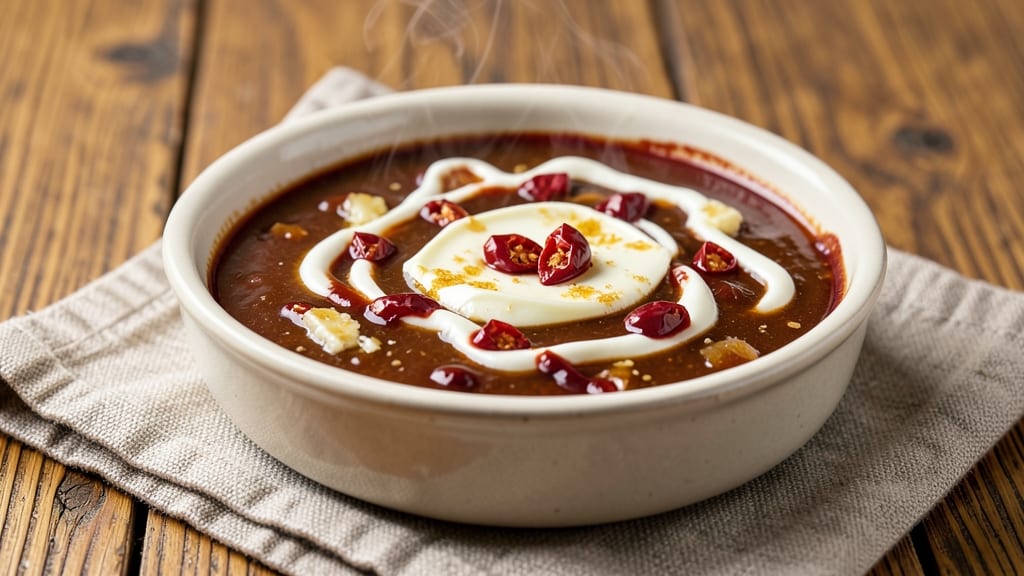
Anjou sauce transforms simple dishes into restaurant-worthy masterpieces with its rich, velvety texture and deep umami flavor. This classic French sauce—made with shallots, cream, and stock—elevates steak, fish, or vegetables to new heights while remaining surprisingly simple to prepare. The secret lies in patience: slow reduction creates that signature smooth consistency, while a touch of butter at the end adds luxurious finish.
What sets this Anjou sauce apart is its versatility. Unlike heavy gravies, it coats ingredients lightly yet intensely, enhancing rather than overpowering natural flavors. The recipe yields about 2 cups, perfect for drizzling over roasted meats or serving as a sophisticated dip.
Best of all, it keeps beautifully in the fridge for up to 5 days or freezes for 3 months, making it ideal for meal prep.
The process is straightforward but requires attention to timing. Shallots must caramelize slowly to avoid burning, while the cream must reduce gently to prevent curdling. This balance ensures a sauce that's silky-smooth with just a hint of sweetness from the shallots.
The result? A velvety, aromatic sauce that clings to every bite, turning ordinary meals into something extraordinary.
Whether you're finishing a perfectly seared steak or enhancing roasted vegetables, this Anjou sauce delivers professional-quality results at home. The technique is foolproof once you understand the key steps, and the flavor reward makes it worth every minute of effort. Let's create this timeless classic together.
Ingredients for anjou sauce
Nine essential ingredients transform into a velvety sauce with smoky depth and umami richness.
| Ingredient | Amount | Notes |
|---|---|---|
| Shallots 🧅 | 1 ½ cups | Finely minced for even caramelization |
| Heavy Cream 🥛 | 1 ½ cups | Full-fat for optimal richness |
| Chicken Stock 💧 | 1 ½ cups | Homemade preferred, low-sodium |
| Unsalted Butter 🧈 | ½ cup | Cold, cubed for finishing |
| Chipotle Peppers in Adobo 🌶️ | 2 tbsp | Mince finely for smoky depth |
| Tomato Paste 🍅 | 1 tbsp | High-quality, no sugar added |
| Fresh Thyme Leaves 🌿 | ½ tsp | Or 0.25 tsp dried thyme |
| Diamond Crystal Kosher Salt 🧂 | ½ tsp | Adjust to taste at the end |
| Black Peppercorns 🌶️ | ¼ tsp | Freshly cracked for brightness |
| Granulated Sugar 🍯 | 1 tsp | Balances acidity in sauce |
The shallots are the foundation—French shallots from Whole Foods or Trader Joe's caramelize beautifully, developing sweetness that anchors the sauce. Chipotle peppers in adobo add the smoky dimension; look for canned chipotles with minimal additives, as the adobo sauce can vary in spice levels. Fresh thyme is ideal, but dried works at one-third the amount. For the chicken stock, homemade or high-quality store-bought like Kitchen Basics ensures depth without excess sodium. The tomato paste should be smooth and no-sugar-added—Mutti or Bertolli are reliable choices.
No heavy cream? Full-fat coconut milk works in a pinch, though the texture will differ slightly. Substitute chipotle peppers with 1 tbsp smoked paprika plus 1 tsp cayenne for heat. For a vegetarian version, replace chicken stock with mushroom or vegetable stock. The sugar can be omitted if you prefer a less sweet profile, but it helps balance the acidity from the adobo sauce. Fresh thyme can be swapped for rosemary at half the amount, though it will alter the aroma. Always taste as you go—adjust salt and pepper to taste at the very end, as the sauce will reduce further.
This sauce freezes beautifully—portion into ice cube trays for single-use servings, then transfer to a bag for up to 3 months. In the fridge, it keeps for 5 days, though the flavor deepens over time. For best results, reheat gently over low heat, stirring constantly to prevent separation. The sauce thickens as it cools, so it may need thinning with a splash of warm stock or water. Store in an airtight container with a layer of plastic wrap pressed directly onto the surface to prevent a skin from forming.
Why You'll Love This Recipe
- Here’s what sold me: this sauce actually tastes better the next day. Store it in the fridge, and the flavors meld even more, making it perfect for meal prep. Plus, it’s cheap to make—heavy cream and stock stretch far, so you’re not breaking the bank for flavor.
- Five-Ingredient Magic: I swear, this sauce is the kind of recipe that makes you feel like a chef when you’re really just stirring a pot. Shallots and butter caramelize in minutes, then the chipotle peppers in adobo add that smoky punch—no fancy techniques, just good flavors coming together.
- Smoky Creamy Hug: That blend of heavy cream and chipotle? It’s like a warm, spicy embrace for whatever you pour it over. The cream softens the heat just enough to make it addictive, and the shallots add this sweet, oniony depth that ties everything together.
- Weeknight to Dinner Party: Between us, this sauce is my secret weapon for lazy nights and fancy gatherings. Drizzle it over grilled chicken for a quick weeknight meal, or use it to elevate roasted veggies for guests—same effort, totally different vibes.
Step-by-step instructions for Anjou sauce
A rich, smoky fusion sauce that balances sweet, spicy, and umami notes perfectly.
Sauté the Shallots Until Deeply Caramelized
Heat a medium saucepan over medium-low heat. Add the 1.5 cups finely minced shallots and cook, stirring occasionally, for 12-15 minutes until they turn a deep golden brown. This slow caramelization builds complex sweetness that forms the sauce's foundation.
Watch closely as they cook—they'll darken gradually. If they start to brown too quickly, reduce the heat slightly. The shallots should be soft and jammy by the end, with no raw bits remaining. This step is where the sauce's depth of flavor begins to develop, so don't rush it.
Build the Base with Tomato Paste and Stock
Once the shallots are caramelized, increase heat to medium and add the 1 tbsp tomato paste and 2 tbsp minced chipotle peppers in adobo. Stir vigorously for 2 minutes to cook off the raw taste of the tomato paste and incorporate the smoky chipotle flavor.
Pour in the 1.5 cups chicken stock and bring to a gentle simmer. The mixture will bubble vigorously at first, but let it reduce by about one-third—this concentrates the flavors. Skim off any foam that rises to the surface, which helps create a cleaner final sauce. This reduction step is crucial for developing the sauce's body and intensity.
Incorporate Cream and Seasonings
Lower the heat to low and gradually whisk in the 1.5 cups heavy cream. The sauce will thicken noticeably as the cream heats through. Add the 0.5 tsp fresh thyme leaves, 1 tsp granulated sugar, 0.25 tsp cracked black peppercorns, and 0.5 tsp kosher salt, stirring constantly to combine.
Simmer gently for 5-7 minutes until the sauce coats the back of a spoon. Taste and adjust seasoning—you may need a touch more salt or sugar to balance the acidity from the chipotle and tomato. The sauce should be velvety, with a perfect harmony of smoky, sweet, and slightly spicy notes. If it's too thick, whisk in 1-2 tablespoons of hot water to reach your desired consistency.
Finish with Butter for Richness
Remove the sauce from heat and let it cool slightly for 2 minutes. Add the 0.5 cup cold cubed butter and whisk vigorously until fully melted and emulsified. This final step adds luxurious richness and helps create a silky texture that clings beautifully to wings or dips.
Strain the sauce through a fine-mesh sieve if you prefer a completely smooth texture, or leave it slightly textured for added depth. Serve immediately while warm, or store in an airtight container in the refrigerator for up to 5 days. Reheat gently over low heat, stirring constantly to prevent scorching.
Pro Tips For Making Anjou Sauce
- Cook Shallots Low and Slow: I learned this the hard way—rushing the shallots with high heat turns them bitter. Sauté them over medium-low for 8–10 minutes until soft and translucent, stirring occasionally. They’ll caramelize just enough to deepen the sauce’s flavor without burning.
- Strain the Stock Now: Skip the cloudy stock—it makes your sauce look dull and taste off. Use a fine-mesh strainer or cheesecloth to remove any sediment before adding it to the shallots. Trust me, your sauce will look richer and taste cleaner.
- Temper the Cream: Cold cream straight from the fridge will shock the warm shallot mixture and cause it to split. Warm the cream slightly (just until steaming, about 30 seconds in the microwave) before whisking it into the sauce. Smooth every time.
- Balance the Chipotle: The adobo sauce is salty—way saltier than you’d think. Taste the chipotle peppers before adding them to the sauce, and adjust with a pinch of sugar or a splash of stock to cut the saltiness. Your sauce won’t taste like a smoky brick.
Flavor customization for this recipe
Smoky Heat Level
Adjust the chipotle peppers to control the smoky heat—use 1 tbsp minced chipotle for mild warmth or 3 tbsp for bold, smoky intensity. I often start with 2 tbsp and taste as I go, adding more if needed.
For a sweeter, less spicy version, reduce the chipotle to 1 tbsp and add ½ tsp smoked paprika for depth without heat. 🌶️
Sweetness Balance
The 1 tsp granulated sugar balances the acidity from the chipotle and tomato paste, but you can tweak this to taste. For a more pronounced sweetness, add ½ tsp honey or maple syrup at the end.
If you prefer a tangier sauce, reduce the sugar to ½ tsp and add a splash of lemon juice instead. The key is harmony—taste as you go!
Creamy Texture Variations
Swap the heavy cream for half-and-half to lighten the sauce slightly, or use coconut cream for a dairy-free option. For extra richness, replace ½ cup butter with ¼ cup cream cheese at the end—whisk until smooth for a velvety, slightly tangy finish.
I love this variation for dipping wings or drizzling over tacos. 🥛
Herb Swaps
Fresh thyme is classic, but rosemary adds a piney depth, or tarragon brings a subtle anise note. For a brighter twist, add ½ tsp lemon zest with the thyme.
Dried herbs work too—use ¼ tsp dried thyme or rosemary—but fresh is always better. The herbs should complement, not overpower, the smoky-sweet base.
Thickness Control
If the sauce is too thick after simmering, whisk in 1-2 tbsp warm stock or water to loosen it. For a thicker consistency, reduce the stock by ½ cup initially.
The sauce will naturally thicken as it cools, so adjust while warm. I often aim for a light coating—thick enough to cling but still elegant enough for drizzling. ✨
Flavor Boosters
Add 1 tsp fish sauce for umami depth (trust me, it works!) or 1 tbsp soy sauce for a savory kick. For a fruity twist, stir in 1 tsp orange zest or raspberry jam at the end.
These additions elevate the sauce without altering its core velvety texture. Experiment to find your perfect balance!
Nutrition facts
Frequently asked questions
Can I make Anjou sauce without cream?
Yes, but the texture will be lighter. Replace the 1.5 cups heavy cream with 1 cup chicken stock and ½ cup crème fraîche for tangy richness. For a dairy-free option, use 1 cup coconut cream—simmer longer to thicken. The sauce will still develop depth, though the velvety finish will differ slightly.
How do I prevent my Anjou sauce from separating?
Separation usually happens from rapid temperature changes or overcooking. Always heat the cream and stock gradually over low-medium heat, and whisk constantly when combining. Remove from heat before adding the cold butter, and whisk vigorously until fully emulsified. If it separates, whisk in 1 tbsp warm stock and reheat gently.
What's the best way to store leftover Anjou sauce?
Transfer to an airtight container and refrigerate for up to 5 days. For longer storage, freeze in ice cube trays (for single servings) or a sealed bag for 3 months. Thaw overnight in the fridge, then reheat gently over low heat, stirring constantly. Press plastic wrap directly on the surface before storing to prevent a skin from forming.
Can I use onion instead of shallots?
Onions work, but shallots provide a milder, sweeter flavor that's essential for the sauce's balance. If substituting, use 1.5 cups yellow onion (finely minced) and caramelize for 10-12 minutes—they won't develop the same depth. For a closer match, add ½ tsp sugar to the onions during cooking.
Why does my sauce taste bitter?
Bitterness often comes from overcooking the shallots or chipotle peppers. Remove the sauce from heat immediately after adding the butter, and balance with ½ tsp sugar or 1 tsp honey. If the bitterness persists, add a pinch of salt or a splash of lemon juice to brighten the flavor. Taste as you go to avoid this!