
Sauces & Condiments
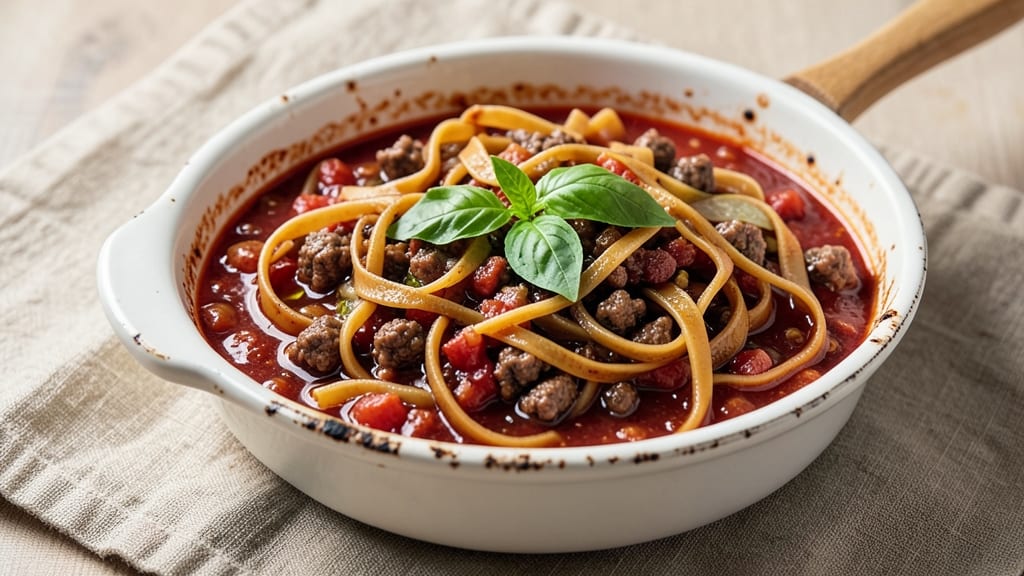
This Andiamo Bolognese sauce recipe transforms simple ingredients into a rich, velvety masterpiece with a secret vinegar zing that elevates every bite. The key lies in slow simmering and careful flavor layering, creating a sauce that's deeper than traditional recipes while remaining approachable for home cooks.
What makes this version special is the precise balance of acidity from red wine vinegar, which brightens the tomatoes without overpowering the meaty richness.
Unlike many Bolognese recipes that rely on heavy cream or butter, this version builds flavor through proper meat browning and gradual reduction. The ground beef develops a deep, caramelized crust in the pan before being deglazed with wine—a technique that forms the flavor foundation.
Simmering for 2 hours allows all ingredients to meld into a silky, restaurant-quality sauce that coats pasta perfectly.
The result is a sauce with complex layers: tender meat, velvety tomatoes, and a subtle vinegar brightness that cuts through the richness. This isn't just any Bolognese—it's a sauce that transforms simple weeknight dinners into memorable meals.
The vinegar addition might sound unusual, but it's the secret weapon that prevents heaviness while adding depth.
Perfect over tagliatelle, served with polenta, or even as a hearty pasta filling for lasagna. The sauce thickens beautifully as it cools, making it ideal for meal prep. Let's create this velvety masterpiece that will have everyone asking for seconds.
Ingredients for andiamo bolognese sauce
The foundation of velvety Bolognese starts with these quality ingredients—each playing a precise role in building complex flavor layers.
| Ingredient | Amount | Notes |
|---|---|---|
| Ground Beef (Chuck Roast) 🥩 | 1 ½ lb | Finely ground, 80% lean |
| Red Wine 🍷 | ½ cup | Bold, dry variety |
| Red Wine Vinegar 🍶 | 1 tbsp | For balanced acidity |
| Tomato Paste 🍅 | ½ cup | San Marzano preferred |
| Crushed Tomatoes (San Marzano) 🍅 | 2 cups | High-quality canned |
| Onion (Yellow) 🧅 | 1 whole | Finely diced, 0.5 cup |
| Garlic Cloves 🧄 | 4 cloves | Minced, fresh preferred |
| Carrots (Baby) 🥕 | 2 whole | Finely diced, 0.5 cup |
| Celery Stalks 🥬 | 2 whole | Finely diced, 0.5 cup |
| Extra-Virgin Olive Oil 🫒 | ¼ cup | For searing meat |
| Fresh Thyme Leaves 🌿 | ¼ cup | Or 1 tsp dried thyme |
| Fresh Rosemary 🌿 | ½ tsp | Finely chopped |
| Diamond Crystal Kosher Salt 🧂 | 1 ½ tsp | Adjust to taste |
| Freshly Ground Black Pepper 🌶️ | ½ tsp | Freshly cracked |
| Low-Sodium Beef Broth 💧 | 1 cup | For depth of flavor |
The ground beef is non-negotiable—chuck roast yields the best texture and flavor. Costco or butcher shops often carry pre-ground chuck at better prices than standard ground beef. For tomatoes, San Marzano cans are worth the investment; their sweetness and low acidity create the ideal base. The red wine vinegar might seem unusual, but it's the secret to balancing richness. Trader Joe's carries a reliable option, or any good balsamic vinegar will work in a pinch. Fresh herbs elevate the sauce—thyme and rosemary from the grocery's produce section should be vibrant and fragrant, not wilted.
No red wine? Substitute with additional beef broth plus 1 tbsp balsamic vinegar. Fresh thyme unavailable? Use dried at one-third the amount, but toast it first in a dry pan for 30 seconds to deepen the flavor. The tomato paste can be swapped for tomato sauce if needed, though it won't develop the same depth. For the vegetables, pre-diced sets from Trader Joe's save time without sacrificing quality. The carrots and celery should be finely chopped—food processor works best—to create a smooth, velvety texture. If using pre-minced garlic, rinse it first to remove excess moisture.
This sauce improves with time—reheat gently on the stove with a splash of broth to restore moisture. Portion into airtight containers and store for up to 5 days in the fridge. For longer storage, freeze in 1-cup portions for up to 3 months. The vinegar addition means it reheats beautifully without curdling. When serving, stir in a pat of olive oil before tossing with pasta to prevent sticking. Leftovers make fantastic sandwich fillings or pasta toppings the next day.
Why You'll Love This Recipe
- Weeknight Warrior: I swear by this sauce because it’s actually doable after a long day. Brown the chuck roast in one pot, deglaze with wine, and let the tomato paste and San Marzano tomatoes work their magic while you chop veggies or fold laundry. No fancy techniques—just patience and a timer.
- Wine-Infused Magic: That splash of red wine and vinegar? It’s not just for show—it cuts through the richness of the beef and brightens the tomatoes like nothing else. The acidity balances the sweetness of the San Marzano, and honestly? It tastes like you simmered it for hours, even if you didn’t.
- Leftovers That Shine: This sauce begs to be made extra. Freeze half for lazy nights or toss it into pasta, eggs, or even a frittata later. I’ll be real: my family fights over the leftovers, and I’ve never had to scrape a pan clean because it’s so versatile.
- Budget-Friendly Luxury: Chuck roast is affordable, and a bottle of wine goes further than you’d think. The tomato paste and crushed San Marzano stretch this into a full meal without breaking the bank. It’s the kind of sauce that makes fancy dinners feel attainable—no chef’s kiss required.
Step-by-step instructions for Andiamo Bolognese sauce
Here's the method that delivers restaurant-quality ragu with deep flavor and perfect texture.
Sear the Ground Beef to Develop Rich Flavor
Heat the 0.25 cup extra-virgin olive oil in a heavy Dutch oven over medium-high heat until shimmering. Add the 1.5 lb ground beef (chuck roast) and break it up with a wooden spoon, working it into the oil until it loses its raw color. The key here is patience—don't rush the searing process.
Cook the beef for 8-10 minutes, stirring occasionally, until it's deeply browned and the fat has rendered out. This step builds the sauce's foundation by creating a rich, caramelized base. Once fully browned, use a slotted spoon to transfer the beef to a plate, leaving the rendered fat in the pot.
Sauté the Vegetable Base for Depth of Flavor
In the same Dutch oven, add the finely diced onion (0.5 cup), diced carrots (0.5 cup), and diced celery stalks (0.5 cup)—this classic combination is called soffritto. Cook over medium heat for 8-10 minutes, stirring occasionally, until the vegetables soften and begin to caramelize.
Add the minced garlic cloves (4 cloves) and cook for another 1 minute until fragrant. The vegetables should be tender but not mushy—this ensures they integrate into the sauce without becoming a paste. You'll know it's ready when the garlic releases its aroma and the vegetables are translucent.
Deglaze and Build the Sauce Foundation
Pour in the 0.5 cup red wine and scrape up any browned bits from the bottom of the pot with a wooden spoon. This deglazing step captures all the concentrated flavors that would otherwise burn. Let the wine simmer for 3-4 minutes until it reduces by half and the alcohol aroma dissipates.
Add the 1 tbsp red wine vinegar and stir. This might seem unusual, but it brightens the sauce and balances the richness of the beef and tomatoes. Then stir in the 0.5 cup tomato paste and cook for 2 minutes, stirring constantly to prevent burning. The paste will thicken slightly and develop a deeper color.
Simmer the Sauce to Perfection
Pour in the 2 cups crushed tomatoes (San Marzano) and 1 cup low-sodium beef broth, stirring to combine. Add the 1.5 tsp Diamond Crystal kosher salt, 0.5 tsp freshly ground black pepper, 0.25 cup fresh thyme leaves, and 0.5 tsp fresh rosemary. Bring the mixture to a gentle simmer, then reduce the heat to low and cover partially.
Let the sauce simmer uncovered for 1 hour to 1 hour 15 minutes, stirring occasionally. The goal is to evaporate excess moisture and develop a thick, velvety consistency. You'll know it's ready when the sauce coats the back of a spoon and the vegetables are completely tender. If the sauce gets too thick, add 1-2 tablespoons water to maintain the proper texture.
Finish and Rest for Maximum Flavor
Return the browned beef to the pot and stir to combine. Taste and adjust the seasoning if needed—this is your chance to fine-tune the balance of salt, acid, and herbs. The sauce should be rich but not overly salty, with a bright acidity from the vinegar and wine.
Let the sauce rest for 15-20 minutes off the heat before serving. This resting period allows the flavors to meld and the sauce to thicken further. Serve over al dente pasta and garnish with additional fresh herbs if desired. The result should be a luscious, deeply flavorful sauce with a perfect balance of richness and acidity.
Pro Tips For Making Andiamo Bolognese Sauce
- CRUSH THE WINE VINEGAR: I learned this the hard way—adding straight red wine vinegar to deglaze after browning the beef tastes harsh and unbalanced. Instead, mix it 1:1 with the red wine (about 2 tbsp vinegar + 2 tbsp wine) and let it simmer for 30 seconds before adding anything else. The acidity softens, and the sauce won’t taste like you’re pickling your pasta.
- BROWN THE BEEF IN BATCHES: Skipping this step is how you end up with a gray, watery sauce. Use a heavy pan (cast iron works best) and cook the chuck roast ground beef in two portions over medium-high heat—don’t overcrowd it. Push the meat around with a wooden spoon instead of stirring constantly, and resist the urge to break it up until it’s fully browned. That crust? Non-negotiable.
- TOAST THE TOMATO PASTE: This isn’t the prettiest method, but it’s the tastiest. After deglazing, wipe out the pan, then add the tomato paste and cook it dry over medium heat for 2–3 minutes—just until it darkens slightly and smells like caramelized tomato. The deeper flavor carries through the whole sauce, and it won’t taste like you’re eating canned soup.
- SIMMER LOW AND LONG: Yes, even if you’re impatient like me. Once the crushed tomatoes and wine mixture comes to a boil, drop the heat to lowest possible and let it bubble gently for at least 45 minutes. I know, I know—you’ll want to walk away. But skipping this step means a sauce that’s thin, mealy, and lacks that deep, velvety texture. Cover the pot loosely and let it do its thing.
Serving suggestions for this recipe
Classic Pasta Pairings
This velvety Bolognese shines best with tagliatelle or fettuccine—their wide, flat surfaces cradle the sauce beautifully.
I always cook 8 oz dried pasta per serving until al dente (1 minute less than package instructions), then toss with sauce and a splash of pasta water to create that perfect silky coat.
For an extra touch, finish with grated Parmigiano-Reggiano and a drizzle of extra-virgin olive oil. 🍝
Polenta Perfection
Creamy polenta makes a luxurious alternative to pasta—its neutral texture lets the sauce's rich flavors take center stage. Prepare 1 cup polenta with 4 cups chicken broth over medium heat for 20 minutes, stirring constantly.
Serve the sauce over thick slices of polenta, garnished with fresh parsley and a sprinkle of Pecorino Romano. The contrast of textures is pure comfort food magic.
Grilled Meat Companions
Turn your Bolognese into a hearty main dish by serving it alongside grilled chicken breasts or sliced steak. The sauce pairs wonderfully with medium-rare filet mignon or herb-crusted pork chops. I like to grill the meat first, then slice it thinly over the sauce.
For a complete meal, add a side of roasted Brussels sprouts or garlic sautéed green beans to balance the richness.
Sandwiches & Panini
Leftover Bolognese transforms into incredible sandwiches—spread it on ciabatta rolls or fresh baguette slices with provolone cheese and a touch of pesto. Toast in a panini press or skillet until golden and melty.
For extra flavor, add caramelized onions or roasted mushrooms between the layers. These make fantastic lunches or game-day appetizers!
Risotto Upgrade
Stir this sauce into creamy Arborio rice risotto in the final minutes of cooking for an instant flavor boost. Use 1 cup sauce per 1.5 cups cooked risotto, then finish with white wine, Parmigiano-Reggiano, and butter.
The sauce's depth elevates the dish without overpowering the rice. Garnish with fresh thyme sprigs for a restaurant-worthy touch.
Breakfast Twist
Yes, you read that right! Use this sauce as a breakfast hash base. Cook diced potatoes and sausage until crispy, then stir in warmed Bolognese with a fried egg on top.
The savory-sweet balance is unexpected but delicious. For a lighter version, serve it with crispy hash browns and a dollop of sour cream for contrast. 💫
Nutrition facts
Frequently asked questions about Andiamo Bolognese sauce
Why does this recipe use red wine vinegar instead of balsamic?
The red wine vinegar adds a bright, tangy brightness that cuts through the richness of the meat and tomatoes without overpowering them. Unlike balsamic, which is sweeter and thicker, wine vinegar introduces a clean acidity that enhances the sauce's depth while keeping it light. Think of it as the secret ingredient that prevents heaviness in this otherwise rich ragu.
Can I make this sauce without red wine?
Yes! Substitute the 0.5 cup red wine with 1 cup beef broth plus 1 tbsp balsamic vinegar. The balsamic adds depth while the broth maintains moisture. For extra richness, add 1 tbsp tomato paste to compensate for the wine's missing acidity. The sauce will still develop great flavor, though the color may be slightly lighter.
How do I fix a sauce that's too thick or too thin?
For a sauce that's too thick, stir in 1-2 tablespoons water or beef broth while simmering. If it's too thin, uncover the pot and simmer uncovered for 10-15 minutes longer to reduce. Never add flour or cornstarch—this Bolognese relies on natural thickening from the vegetables and meat. If needed, strain out excess liquid through a fine-mesh sieve while keeping the solids in the pot.
Can I make this sauce vegetarian?
Replace the 1.5 lb ground beef with 1 lb mushrooms (cremini or portobello) finely chopped plus 0.5 lb lentils or walnuts for texture. Use vegetable broth instead of beef broth and add 1 tsp smoked paprika to mimic the meaty depth. The vinegar and tomato base will still shine, creating a rich, umami-packed sauce perfect for pasta or polenta.
How long can I store leftovers, and how do I reheat?
Store leftovers in an airtight container in the fridge for up to 5 days or freeze for 3 months. To reheat, warm gently on the stove over low heat with a splash of broth or water. Never microwave—this can make the sauce watery. For best results, reheat only what you'll use immediately, as the sauce thickens as it cools.