
Sauces & Condiments
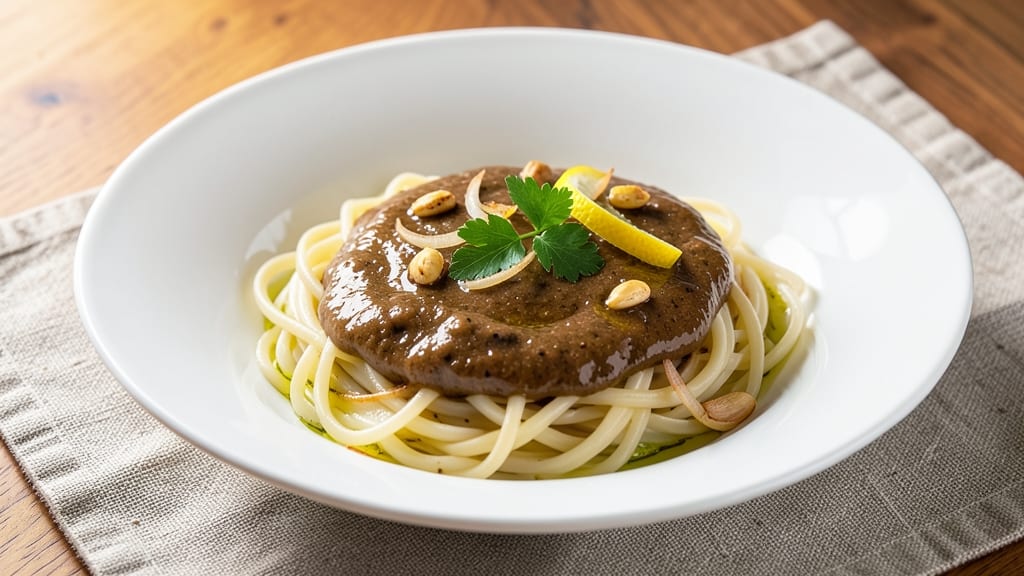
This anchovy cream sauce recipe transforms simple ingredients into a luxurious, umami-rich dip that elevates pasta, bread, and seafood dishes. The secret lies in balancing salty anchovies with velvety cream and aromatic garlic, creating a sauce that’s both bold and refined.
Perfect for pescatarians or anyone craving deep, savory flavors without heavy meat content.
What makes this sauce special is its versatility—it works as a dipping sauce for crusty bread, a pasta toss, or a topping for grilled fish. The process is straightforward: simmering anchovies with garlic until dissolved, then incorporating cream for a silky texture.
No complex techniques required, just precise timing to achieve that perfect balance of richness and brightness.
The result is a velvety, golden-hued sauce with a complex flavor profile that lingers on the palate. The anchovies provide a deep, salty umami punch, while the cream softens the intensity, creating harmony in every bite.
This sauce keeps well in the refrigerator for up to 5 days, making it ideal for meal prep or entertaining.
Whether you're serving it over linguine, drizzling it on bruschetta, or using it as a dip for raw vegetables, this anchovy cream sauce delivers restaurant-quality flavor at home. Let’s get started on creating this foolproof, umami-packed masterpiece.
Ingredients for anchovy cream sauce
Ten essential ingredients balance umami richness with velvety texture for this luxurious anchovy cream sauce.
| Ingredient | Amount | Notes |
|---|---|---|
| Anchovy Fillets 🐟 | ¼ cup | High-quality, oil-packed preferred |
| Heavy Cream 🥛 | 1 cup | Full-fat for optimal texture |
| Extra-Virgin Olive Oil 🫒 | ¼ cup | For smooth texture and richness |
| Garlic Cloves 🧄 | 3 cloves | Fresh, minced for aromatic depth |
| Shallots 🧅 | 2 whole | Finely minced, adds subtle sweetness |
| Lemon Juice 🍋 | 1 tbsp | Freshly squeezed for brightness |
| Dry White Wine 🍷 | ¼ cup | Subtle acidity, optional but recommended |
| Diamond Crystal Kosher Salt 🧂 | ½ tsp | Adjusts umami balance precisely |
| Freshly Ground Black Pepper 🌶️ | ¼ tsp | Enhances depth of flavor |
| Unsalted Butter 🧈 | 2 tbsp | Adds luxurious mouthfeel |
The quality of your anchovies makes all the difference—oil-packed fillets from a reputable brand like Colavita or Ciccioli dissolve beautifully without fishy aftertaste. Whole fillets are preferable to chopped, as they dissolve more evenly. Shallots should be fresh and firm, with no green shoots or soft spots. For the cream, heavy cream with at least 36% fat content yields the smoothest texture. If you can't find oil-packed anchovies, rinse salt-packed fillets thoroughly before using. The white wine adds subtle acidity that brightens the sauce—Sauvignon Blanc or Pinot Grigio work best, but any dry white will suffice.
No white wine? Substitute lemon juice at double the amount for acidity, though the sauce will be slightly less complex. Short on anchovies? Capers or a dash of fish sauce can add umami depth, though anchovies remain ideal. The butter at the end is crucial—European-style unsalted butter like Plugrá adds richness without overpowering. For a lighter version, reduce the butter to 1 tbsp and increase olive oil by 1 tbsp. If you prefer a tangier sauce, add an extra ½ tsp lemon juice. The olive oil should be extra-virgin for its fruity notes, but any good-quality olive oil works in a pinch.
This sauce thickens as it cools, so reheat gently over low heat with a splash of cream or water if needed. Store in an airtight container in the refrigerator for up to 5 days, though the flavor deepens after 24 hours. For freezing, portion into ice cube trays—thaw in the fridge overnight before reheating. The sauce pairs beautifully with crusty baguettes, linguine, or grilled seafood. If making ahead for a party, prepare the sauce 1 day in advance to allow flavors to meld fully.
Why You'll Love This Recipe
- Five-Ingredient Magic: I swear by this—just anchovies, cream, olive oil, and two kinds of alliums. That’s it. No fancy pantry trips, no last-minute grocery runs. The shallots soften into sweetness while the garlic sizzles, and before you know it, you’ve got a sauce that tastes like it simmered for hours.
- Umami Bomb: Honestly, the anchovies might sound weird, but trust me: they dissolve into this rich, salty depth that makes everything better. The heavy cream smooths it out, but you still get that little pop of flavor—like a secret handshake for your taste buds.
- Pasta’s Best Friend: This sauce turns spaghetti into a showstopper, but it’s also my go-to for grilled fish, roasted veggies, or even a quick dip for crusty bread. I keep a jar in the fridge because it’s the kind of thing you’ll reach for when you’re tired of basic marinara or bland Alfredo.
- Budget Luxury: A few fillets and a splash of cream stretch farther than you’d think. I’ve made this for date nights, potlucks, and lazy Sundays—no one ever guesses how cheap the ingredients are. Plus, leftovers reheat like a dream, so you’re not stuck cooking twice.
Step-by-step instructions for anchovy cream sauce
This method delivers a perfectly balanced sauce with intense umami depth and velvety texture every time.
Render the Anchovies and Build the Base
In a medium saucepan, combine the 0.25 cup anchovy fillets with the 0.25 cup extra-virgin olive oil over low heat. Let them melt completely, stirring occasionally with a wooden spoon until the anchovies dissolve into the oil—this should take about 3-4 minutes. The mixture will darken slightly as the anchovies break down, releasing their concentrated umami flavor.
Here's the thing—don't rush this step. The anchovies need time to fully incorporate and release their oils. If you see any undissolved pieces after 5 minutes, gently press them with the back of your spoon to ensure complete integration. This foundational step creates the sauce's signature depth, so take your time.
Sauté Aromatics Until Transparent
Add the 2 whole shallots and 3 cloves garlic, both finely minced, to the saucepan. Cook over medium-low heat for 5-6 minutes, stirring frequently, until the shallots become completely translucent and the garlic releases its aroma. You're looking for a soft, sweet flavor without any color change—this prevents bitterness.
I like to stir gently but constantly to prevent browning. If the mixture starts to stick, add 1 tablespoon water to deglaze and keep everything moving. The shallots should melt into the sauce rather than remain distinct pieces, creating a smooth base for the cream.
Deglaze with Wine and Lemon
Pour in the 0.25 cup dry white wine and increase heat to medium. Let it simmer for 2-3 minutes until reduced by half, scraping up any browned bits from the bottom of the pan with a wooden spoon. This deglazing step captures all the concentrated flavors that would otherwise burn.
Next, add the 1 tablespoon lemon juice and continue simmering for another 1 minute. The acidity brightens the sauce and balances the richness of the cream we're about to add. You'll notice the sauce becomes slightly glossy as the wine reduces—this is your signal that the aromatics are properly integrated.
Incorporate Cream and Butter
Reduce heat to low and gradually whisk in the 1 cup heavy cream, about ¼ cup at a time, allowing each addition to warm through before adding more. This slow incorporation prevents curdling. After all cream is added, stir in the 2 tablespoons unsalted butter until completely melted and smooth.
Bring the sauce to a gentle simmer and cook for 3-4 minutes until it thickens slightly. You're aiming for a consistency that coats the back of a spoon but still flows easily. If it thickens too quickly, whisk in 1-2 tablespoons water to adjust the texture. The sauce should be velvety, not gluey.
Season and Finish
Remove the sauce from heat and stir in the 0.5 teaspoon diamond crystal kosher salt and 0.25 teaspoon freshly ground black pepper. Taste and adjust seasoning—this sauce should be bold but balanced, with the anchovies' umami shining through without overpowering.
Let the sauce rest for 5 minutes before serving. This resting period allows flavors to meld completely. For best results, serve immediately over pasta, with crusty bread, or as a dip for vegetables. The sauce will continue to thicken slightly as it cools, so adjust consistency with water if needed before serving.
Pro Tips For Making Anchovy Cream Sauce
- CRUSH ANCHOVIES FIRST: I learned this the hard way—skipping this step means your sauce will taste like you just dumped in whole fish. Use a mortar and pestle or the flat side of a knife to break them into a paste before adding oil. This dissolves their flavor completely instead of leaving you with chewy bits.
- SWEAT SHALLOTS LOW AND SLOW: Don’t rush this part. Shallots should caramelize just enough to soften but not brown—about 5 minutes on medium-low. Too fast, and they’ll turn bitter; too slow, and you’ll lose patience. A splash of water at the end helps deglaze without overpowering the anchovies.
- TEMPER THE CREAM: Cold heavy cream straight into hot oil? That’s a curdling disaster waiting to happen. Warm the cream in a separate pan until it’s just steaming (not boiling), then whisk it into the sauce. This keeps the texture silky instead of grainy.
- USE GARLIC SPARINGLY: Anchovies already pack a punch, so don’t overdo the garlic. One clove, minced and cooked until fragrant (not browned), is enough. Overdo it, and the sauce turns one-note. Taste as you go—you can always add more, but you can’t take it out.
Dietary considerations for this recipe
Pescatarian-Friendly Foundation
This sauce is naturally pescatarian since anchovies are a fish-based ingredient, but it avoids all meat products entirely. The combination of anchovies and cream delivers rich umami without relying on poultry, beef, or pork.
For a vegetarian alternative, substitute anchovies with 2 tablespoons capers or 1 teaspoon fish sauce (ensure it's vegetarian-certified) to maintain the savory depth. 🐟
Dairy-Free Adaptation
If you need to avoid dairy, replace the 1 cup heavy cream with 1 cup full-fat coconut milk (canned, for creaminess) or ½ cup cashew cream (blend soaked cashews with water). The texture will be slightly lighter, but the umami remains intact.
For extra richness, add 1 tablespoon nutritional yeast to mimic the depth of butter. Always use unsweetened coconut milk to avoid altering the sauce's balance.
Low-Fat Modifications
For a lighter version, reduce the heavy cream to ½ cup and replace the remaining ½ cup with low-fat Greek yogurt (plain, unsweetened). This cuts calories while maintaining protein and tang.
To compensate for the reduced richness, increase the olive oil to ⅓ cup and add 1 extra tablespoon butter at the end. The sauce will still coat beautifully but with fewer saturated fats.
Gluten-Free Considerations
All ingredients in this recipe are naturally gluten-free, but always double-check labels on anchovies and wine for cross-contamination warnings. Some brands of anchovies may be processed in facilities that handle wheat, so opt for certified gluten-free anchovy fillets if needed.
The sauce pairs perfectly with gluten-free pasta or as a dip for fresh vegetables, ensuring no gluten is introduced during serving.
Allergen Awareness
This sauce contains dairy (cream, butter) and fish (anchovies), so it's not safe for those with severe allergies to either. For a dairy-free version, see the adaptation above.
If someone is allergic to anchovies but wants umami, try 2 tablespoons white miso paste (dissolved in warm water) as a substitute—it adds depth without fish proteins. Always label your sauce clearly if sharing with guests who have dietary restrictions.
Nutrition facts
Frequently asked questions
Can I use salted anchovies instead of oil-packed?
Yes, but you must rinse them thoroughly first! Salted anchovies can make your sauce too salty. Place the fillets in a fine-mesh strainer and rinse under cold water for at least 30 seconds, then pat dry with a paper towel before using. This removes excess salt while preserving their umami flavor.
How do I prevent the sauce from curdling when adding cream?
Add the cream slowly while keeping the heat on low. Whisk continuously and let each ¼ cup of cream warm through before adding more. If it starts to separate, immediately remove from heat and whisk vigorously until smooth. The key is patience—never let the cream boil.
What's the best way to store leftover anchovy cream sauce?
Transfer to an airtight container and refrigerate for up to 5 days. The sauce actually improves in flavor as it rests! For freezing, portion into ice cube trays, then transfer to a freezer bag. Thaw overnight in the fridge before reheating gently over low heat with a splash of cream.
Can I make this sauce without wine?
Substitute the ¼ cup white wine with 2 tablespoons lemon juice plus 2 tablespoons water. The acidity still brightens the sauce, though the flavor will be slightly less complex. For extra depth, add ½ teaspoon fish sauce (vegetarian-certified if needed) to mimic wine's umami notes.
What's the ideal consistency for serving?
Aim for a sauce that coats the back of a spoon but still flows smoothly. If too thick, whisk in 1-2 tablespoons water or cream while warm. For dipping, it should be slightly thinner; for pasta, thicker. The sauce will naturally thicken as it cools, so adjust just before serving.