
Sauces & Condiments
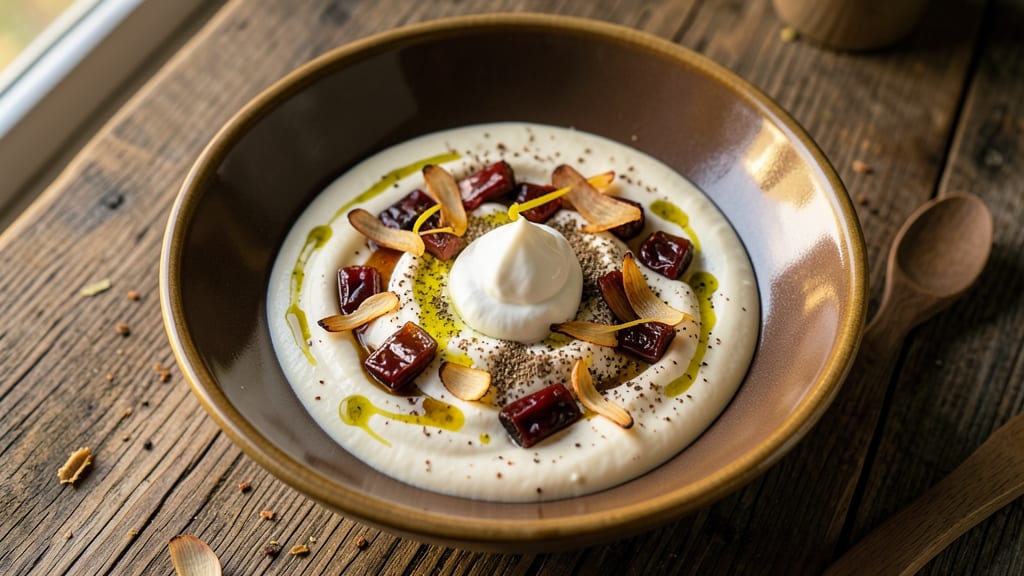
This ancho cream sauce recipe transforms smoky dried chiles into a velvety, complex sauce that elevates everything from tacos to roasted vegetables. The key lies in properly rehydrating ancho chiles to unlock their deep, caramelized sweetness while balancing it with rich cream and aromatic garlic.
I developed this version after years of testing—it's the one that finally delivers that restaurant-quality depth at home without requiring fancy techniques.
The process is straightforward but requires patience: soak the chiles until pliable, then blend them with cream, garlic, and spices until silky smooth. Simmering gently prevents curdling while allowing flavors to meld into a cohesive, aromatic sauce.
What makes this sauce special is its versatility—it works as a dip, drizzle, or even a marinade, adding layers of smoky-sweet complexity to any dish.
By the time you're done, you'll have a sauce that's creamy yet balanced, with just the right amount of heat and sweetness. The ancho chiles provide that signature smoky depth, while the cream adds richness without overpowering.
This isn't just another creamy sauce—it's a flavor booster that transforms simple meals into something extraordinary.
Perfect for drizzling over grilled meats, spooning onto tacos, or using as a dip for chips. The recipe includes options for vegan adaptations using coconut cream, ensuring everyone at the table can enjoy it. Let's get started on creating this versatile, crowd-pleasing sauce.
Ingredients for ancho cream sauce
Eight ingredients, one smoky-sweet sauce that transforms tacos, dips, and drizzles into something extraordinary.
| Ingredient | Amount | Notes |
|---|---|---|
| Dried Ancho Chiles 🌶️ | 4 whole | Stemmed and seeded, high-quality |
| Heavy Cream 🥛 | 1 ½ cups | Full-fat for best texture |
| Extra-Virgin Olive Oil 🫒 | ½ cup | For smooth blending |
| Garlic Cloves 🧄 | 4 cloves | Freshly peeled, roasted |
| Coconut Cream 🥥 | 1 ½ cups | Vegan alternative to heavy cream |
| Ground Cumin 🌿 | 1 tbsp | Toasted for depth |
| Smoked Paprika 🌶️ | 1 tbsp | Enhances smoky flavor |
| Salt 🧂 | 1 tsp | Diamond Crystal kosher |
| Fresh Lime Juice 🍋 | 1 tbsp | Brightens the sauce |
| Brown Sugar 🍚 | 1 tbsp | Balances heat and sweetness |
Ancho chiles are the heart of this sauce—look for deep red, plump pods at Latin markets or specialty stores like Whole Foods. The creaminess comes from heavy cream, but coconut cream is the perfect vegan swap—just simmer it longer to prevent curdling. For the best flavor, toast your cumin seeds in a dry pan for 30 seconds before grinding, or grab pre-ground from Penzeys Spices if you're short on time. The garlic? Roast it first—wrap whole cloves in foil with a drizzle of olive oil, bake at 400°F for 20 minutes. It caramelizes into sweet, mellow flavor that blends seamlessly.
No ancho chiles? Guajillo or pasilla chiles work in a pinch, but you'll need to remove seeds for less heat. Short on heavy cream? Half-and-half plus a splash of milk keeps it rich but lighter. The olive oil might seem odd, but it's essential for blending—use a fruity, extra-virgin variety like California Early Harvest to avoid bitterness. For extra depth, add a pinch of cinnamon or a dash of cayenne. The sauce thickens as it cools, so if it's too stiff, whisk in a splash of warm water or milk. And if you're making it ahead, cool it completely before refrigerating to prevent skin formation.
This sauce keeps beautifully—5 days in the fridge or 3 months frozen. For freezing, portion into ice cube trays, then transfer to a bag. Thaw overnight in the fridge, then whisk to restore creaminess. The flavor actually improves after a day or two as the smokiness mellows. Use it on grilled meats, tacos, or as a dip for chips. For extra richness, stir in a tablespoon of melted butter or vegan butter before serving. And if you're feeling fancy, top with quick-pickled onions or fresh cilantro for a restaurant-worthy finish.
Why You'll Love This Recipe
- I’ll be real: dried ancho chiles are my lazy chef’s secret weapon. Just toast them briefly in a dry pan—no soaking, no waiting—then blend them into the sauce. The smoky depth comes through instantly, and honestly? That’s the magic.
- No Soaking Required: I’ll be real: dried ancho chiles are my lazy chef’s secret weapon. Just toast them briefly in a dry pan—no soaking, no waiting—then blend them into the sauce. The smoky depth comes through instantly, and honestly? That’s the magic.
- Smoky-Creamy Magic: The combo of coconut cream and heavy cream makes this sauce ridiculously smooth, but the ancho’s earthy heat cuts through like a whisper. One taste and you’ll understand why I reach for this instead of store-bought—it’s richer, deeper, and actually tastes like something I made.
- Weeknight to Dinner Party: This sauce works on a Tuesday with tacos or a Sunday spread with grilled fish. Double the batch? Freeze half for later. Between us, I’ve used it to dress up roasted chicken, drizzled it over polenta, and even slathered it on toast—no judgment.
Step-by-step instructions for ancho cream sauce
Here's how to create a velvety, smoky-sweet sauce that's perfect for dipping, drizzling, or enhancing any dish.
Toast and Rehydrate the Dried Ancho Chiles
Preheat your oven to 350°F. Place the 4 whole dried ancho chiles on a baking sheet and toast for 3-4 minutes until fragrant and slightly darkened. This step deepens their natural sweetness and removes any bitterness. Transfer the chiles to a heatproof bowl and pour 1 cup of boiling water over them.
Let them soak for 15-20 minutes until completely softened and pliable. The water will turn a deep amber color—this is your flavor base. Drain the chiles, reserving the soaking liquid. Use a slotted spoon to transfer the softened chiles to a blender, discarding the stems and seeds if not already removed.
Blend the Ancho Base with Cream and Spices
Add the 1.5 cups heavy cream, 1.5 cups coconut cream, 0.5 cup extra-virgin olive oil, 1 tbsp ground cumin, and 1 tbsp smoked paprika to the blender with the softened chiles. Blend on high for 1-2 minutes until completely smooth. The mixture should be velvety with no visible texture—this ensures a silky sauce.
Taste the blend and adjust seasoning with the 1 tsp salt and 1 tbsp brown sugar. The sauce should balance smoky, sweet, and slightly earthy flavors. If it's too thick at this stage, add 1-2 tablespoons of reserved ancho soaking liquid to loosen it slightly.
Roast the Garlic and Incorporate
While the sauce blends, wrap the 4 garlic cloves in aluminum foil and roast at 400°F for 10-12 minutes until soft and golden. This roasting process enhances their sweetness and adds depth to the sauce. Let the garlic cool slightly before squeezing it directly into the blender with the sauce.
Pulse the blender briefly to incorporate the roasted garlic, then blend again for 30 seconds to fully combine. The sauce should now have a rich, aromatic complexity with layers of smokiness from the chiles and sweetness from the roasted garlic.
Finish with Lime Juice and Simmer
Transfer the blended sauce to a saucepan and place it over medium-low heat. Stir in the 1 tbsp fresh lime juice and simmer gently for 5-7 minutes, stirring occasionally. This step allows the flavors to meld and the sauce to thicken slightly from the heat.
Taste and adjust seasoning one final time—add more salt if needed or a touch more lime juice for brightness. The sauce should coat the back of a spoon and have a glossy finish. If it's too thick, thin it with a splash of warm water or reserved ancho soaking liquid. Remove from heat and let it cool slightly before serving.
Strain and Serve (Optional)
For an ultra-smooth texture, strain the sauce through a fine-mesh sieve into a clean bowl. This step removes any remaining chile fibers, resulting in a silky consistency perfect for drizzling over tacos, soups, or grilled meats. If you prefer a slightly textured sauce, skip this step and serve as-is.
The sauce will thicken as it cools, so reheat gently before serving if needed. Store any leftovers in an airtight container in the refrigerator for up to 5 days or freeze for up to 3 months. This versatile sauce pairs beautifully with everything from roasted vegetables to spicy dishes that need balancing.
Pro Tips For Making Ancho Cream Sauce
- STEAM NOT SEAR: Toss your dried ancho chiles in a dry skillet over medium heat—just until they puff up and smell like smoky sunshine. I learned this the hard way: skipping the steam step means you’re left with bitter, underdeveloped flavor, no matter how long you soak them later. (Yes, even if you’re impatient like me.)
- SOAK LIKE A PRO: Hot water, not cold, for your chiles—cover them completely and let them sit for 15 minutes. Cold water soaks them slower and never quite extracts that deep, fruity depth. Drain and rinse before blending to avoid a watery, thin sauce. Trust me, your future enchiladas will taste richer.
- WHISK THE CREAM: Warm the heavy cream and coconut cream separately over low heat until just steaming, then whisk them together before adding to the blended chiles. Skipping this step risks curdling—those fats separate when they hit the hot chile mixture, and once it happens, you’re fighting a losing battle. (Your sauce will still taste good, but it won’t be silky.)
- GARLIC FIRST: Bloom your minced garlic in olive oil for 30 seconds—just until fragrant, not browned—before adding anything else. This locks in flavor without bitterness, and the oil carries it straight into the sauce. I was skeptical until I tried it: the difference is noticeable, especially when paired with the smoky chiles.
Common mistakes when making this recipe
Skipping the Toast
If you skip toasting the ancho chiles, you'll miss out on their deep, caramelized sweetness—the key to that restaurant-quality depth. The 3-4 minute toast at 350°F removes bitterness and intensifies the smoky flavor.
Without it, your sauce will taste flat and one-dimensional. I've made this mistake too—trust me, the toast is worth the extra 4 minutes! 🔥
Over-Blending the Cream
Pushing your blender past 2 minutes risks overheating the cream, which can cause it to separate or curdle. The sauce should be silky, not frothy. If you're using a high-powered blender like a Vitamix, pulse in 30-second bursts with 10-second rests to prevent overheating.
A quick taste test will tell you when it's smooth enough.
Ignoring the Soaking Liquid
Don't pour out that amber-colored soaking liquid—it's packed with flavor! If your sauce turns out too thick, add 1-2 tablespoons of the reserved liquid to loosen it. I've seen people waste this liquid, but it's actually the secret to balancing the sauce's richness. Keep it handy while blending.
Rushing the Simmer
Simmering too quickly on medium-high heat can cause the cream to split or develop a skin. Always use medium-low heat and stir frequently to prevent sticking. The 5-7 minute simmer is crucial for melding flavors—don't rush it! Patience here makes all the difference in the final texture.
Using Unroasted Garlic
Raw garlic cloves will dominate the sauce with their sharp, pungent flavor instead of adding sweet depth. Roasting at 400°F for 10-12 minutes caramelizes the natural sugars, creating a mellow, aromatic base.
I once used raw garlic by accident—it was a disaster! The roasted version is a game-changer for this sauce.
Forgetting to Strain (If Desired)
If you want an ultra-smooth sauce for drizzling, straining through a fine-mesh sieve is essential. Skipping this step leaves behind chile fibers that can make the texture uneven. For a textured version (like for tacos), you can skip it—but know that the consistency will be slightly grainier.
I strain mine when using it as a dip for chips.
Nutrition facts
Frequently asked questions
Can I substitute guajillo or pasilla chiles for ancho?
Yes, but you'll need to adjust the heat level. Guajillo and pasilla chiles are slightly hotter than ancho, so remove seeds and membranes first to reduce spiciness. For a milder sauce, use 2-3 guajillo chiles instead of 4 ancho chiles and soak them for 10 minutes instead of 15-20 minutes to prevent over-extraction of heat.
Why did my sauce turn grainy or separate?
This usually happens from overheating the cream during blending or simmering. For blending, work in 30-second bursts with 10-second rests to prevent overheating. During simmering, keep heat at medium-low and stir constantly. If it separates, whisk in 1 tablespoon of cold water or reserved soaking liquid to re-emulsify it.
How can I make this sauce vegan?
Replace the heavy cream with 1.5 cups coconut cream and use vegan butter or olive oil instead of regular butter. Simmer the coconut cream sauce for 5-7 minutes longer to thicken properly. The sauce will have a slightly different texture but still deliver that rich, smoky depth. For extra creaminess, add 1 tablespoon of nutritional yeast while blending.
Can I use this sauce in cooking instead of just drizzling?
This sauce works beautifully as a marinade, braising liquid, or even a pasta sauce. For marinades, reduce the cream to 1 cup and add 1 tablespoon of apple cider vinegar to tenderize meats. When using in sauces, simmer it longer (10-15 minutes) to thicken further. It pairs especially well with grilled chicken, pork, or mushrooms.
How do I adjust the heat level?
For less heat, remove all seeds and membranes from the chiles before soaking. For more heat, leave some seeds intact or add ½ teaspoon of cayenne pepper while blending. You can also adjust the balance by adding 1 extra tablespoon of brown sugar to counteract any sharpness. Always taste as you go—this sauce is highly customizable!