
Sauces & Condiments
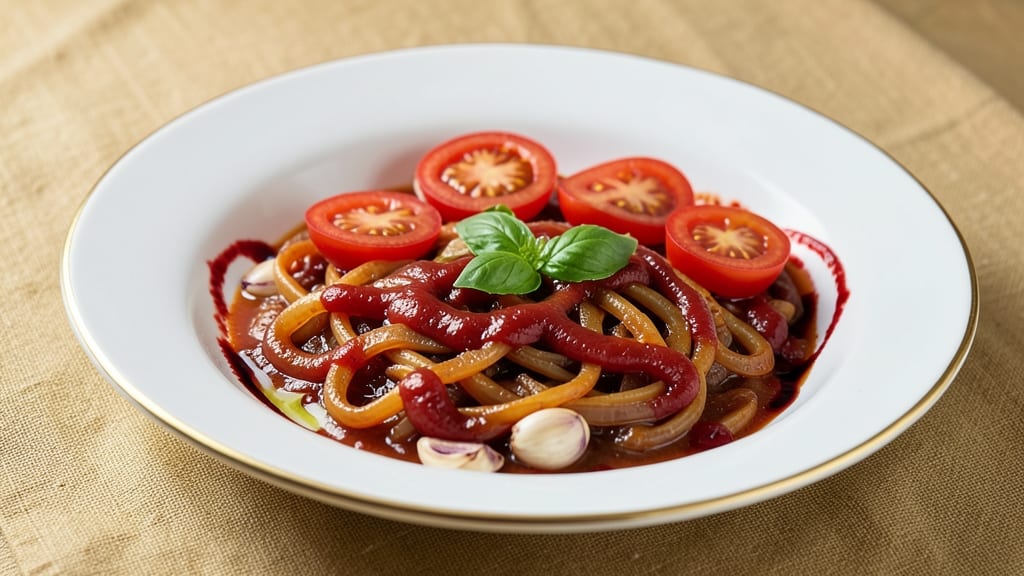
America’s Test Kitchen spaghetti sauce delivers restaurant-quality depth without the clump or aftertaste—no shortcuts, just science-backed technique. The secret lies in a slow-simmered tomato base that develops rich, layered flavors while maintaining perfect texture.
Unlike store-bought versions, this sauce builds complexity through precise ingredient ratios and controlled cooking, ensuring every spoonful tastes like it simmered all day.
What sets this sauce apart is the umami boost from caramelized onions, garlic, and a touch of red wine, balanced by fresh basil and a pinch of sugar to round out acidity.
The sauce thickens naturally as it reduces, creating a silky, clump-free consistency that clings beautifully to pasta. No blending required—just a gentle stir to break down tomatoes while preserving their natural sweetness.
Perfect for meal prep or serving immediately, this sauce stays vibrant for up to 5 days in the fridge or 3 months frozen. The flavor only deepens over time, making it ideal for batch cooking.
Whether tossed with al dente pasta or drizzled over grilled meats, it delivers bold, balanced flavor without overpowering the dish.
The method is foolproof but precise: deglaze the pan, simmer low and slow, and taste as you go. No gums, no lumps—just smooth, velvety sauce with layers of tomato, herb, and savory notes. Let’s make it.
Ingredients for america's test kitchen spaghetti sauce
Precision ingredients for a sauce that rivals restaurant quality—no shortcuts, just layered umami.
| Ingredient | Amount | Notes |
|---|---|---|
| Extra-Virgin Olive Oil 🫒 | ½ cup | High-quality, fruity variety preferred |
| Yellow Onions 🧅 | 2 whole | Thinly sliced for caramelization |
| Garlic Cloves 🧄 | 6 cloves | Minced for even distribution |
| Canned San Marzano Tomatoes 🍅 | 28 oz | Whole, crushed by hand |
| Red Wine 🍷 | ¼ cup | Dry variety like Cabernet Sauvignon |
| Tomato Paste 🍅 | 1 tbsp | High-quality, no sugar added |
| Granulated Sugar 🍚 | 1 tsp | Balances acidity |
| Fresh Basil Leaves 🌿 | ½ cup | Packed, stems removed |
| Diamond Crystal Kosher Salt 🧂 | 1 ½ tsp | Adjust to taste |
| Black Peppercorns 🌶️ | ½ tsp | Freshly cracked |
The San Marzano tomatoes are non-negotiable for their natural sweetness and low acidity, delivering the perfect tomato base. Whole peeled tomatoes from a reputable brand like Mutti or Cirillo ensure no seeds or skins—crush them by hand to preserve texture. For onions, yellow onions caramelize best; avoid sweet varieties like Vidalia. Garlic should be freshly minced (not jarred) to avoid bitterness. Whole peppercorns cracked in a mortar release more aroma than pre-ground. Red wine adds depth—use a bold, dry Cabernet Sauvignon (like Apothic or Caymus) for consistent results.
No San Marzano tomatoes? Crushed Italian plum tomatoes are your next best option. Substitute red wine with 1 tbsp balsamic vinegar plus 1 tbsp beef broth—it mimics the acidity and umami. Fresh basil unavailable? Dried basil at 1/4 the amount works, but texture will differ. For sugar, maple syrup or agave balances acidity equally well. The tomato paste can be swapped for 1 tbsp tomato powder if you prefer no added thickness. Always taste as you go—adjust salt and pepper to your preference, but remember the sauce will concentrate as it simmers.
This sauce develops flavor over time—3-4 days in the fridge is ideal for maximum depth. Store in an airtight container with a thin layer of olive oil on top to preserve color. Freeze for up to 3 months in portion-sized containers for easy meal prep. For best results, reheat gently on the stove, stirring occasionally. The sauce thickens as it cools, so don’t over-reduce. Leftovers? Toss with pasta or use as a marinade—it’s that versatile.
Why You'll Love This Recipe
- No-Fuss Weeknight Sauce: I swear, this takes me 20 minutes max—just onions, garlic, and tomatoes simmering while I chop parsley. No blenders, no straining, no stress. The ATK method lets the San Marzano tomatoes shine without extra fuss.
- Wine-Infused Depth: That splash of red wine isn’t just for show—it actually caramelizes into the sauce, giving it a rich, layered flavor. Honestly, the first time I tasted it, I thought, "Wait, this is restaurant-quality?" And it’s not even complicated.
- Make-Ahead Magic: I double the batch every Sunday and freeze half. Thaw it straight into pasta water, and boom—dinner’s ready. Between us, this is my go-to for lazy nights when I’ve got better things to do than cook.
- Budget-Friendly Luxury: San Marzano tomatoes and good olive oil might sound fancy, but they stretch for ages. A single can of tomatoes makes 4 servings, and the wine adds serious flavor without breaking the bank. My wallet and taste buds win.
Step-by-step instructions for america's test kitchen spaghetti sauce
Mastering this sauce requires patience and precision—each step builds umami depth while preventing clumping.
Develop Rich Onion and Garlic Bases
Heat the 0.5 cup extra-virgin olive oil in a 6-quart Dutch oven over medium-low heat. Add the 2 whole yellow onions, sliced into ¼-inch strips, and cook for 25-30 minutes until deeply golden and caramelized. Stir occasionally, resisting the urge to rush—this slow cooking transforms simple onions into sweet, complex flavor.
When the onions are nearly caramelized, add the 6 cloves minced garlic cloves and cook for 1-2 minutes until fragrant but not browned. Remove the pot from heat and set aside. This base forms the aromatic foundation that prevents future clumping by creating a stable emulsion.
Build Depth with Wine and Tomato Paste
Return the pot to medium heat and deglaze with the 0.25 cup red wine, scraping up all browned bits from the bottom. Let it simmer for 3-4 minutes until reduced by half. Add the 1 tbsp tomato paste and cook for 5 minutes, stirring constantly, until it darkens slightly and loses its raw taste.
This step is critical—tomato paste acts as a thickener and flavor concentrator. The wine reduction removes alcohol while adding complexity. If the mixture smells sharp or metallic at this stage, it's a sign the heat needs adjustment—keep it at medium to prevent burning.
Incorporate Tomatoes and Balance Flavors
Add the 28 oz crushed San Marzano tomatoes, 1 tsp granulated sugar, 1.5 tsp kosher salt, and 0.5 tsp cracked black peppercorns. Stir well to combine, then bring to a gentle simmer. Partially cover and cook for 45-50 minutes, stirring occasionally, until the sauce thickens and coats the back of a spoon.
The sugar here isn't for sweetness—it balances the natural acidity of the tomatoes, creating a more rounded flavor. The long simmer develops deep umami while preventing clumping by maintaining even heat distribution. If the sauce looks too thick, add ¼ cup water to maintain proper consistency.
Finish with Fresh Basil and Rest
Remove the pot from heat and stir in the 0.5 cup packed fresh basil leaves. Let the sauce sit off the heat for 15 minutes, allowing the flavors to meld. The basil should wilt completely into the sauce, releasing its aromatic oils. Taste and adjust seasoning—you may need an additional ½ tsp salt or ¼ tsp pepper depending on your tomatoes.
This resting period is essential. It allows the sauce to thicken further through natural reduction and prevents separation when reheated. The basil added at the end ensures bright, fresh notes rather than cooking into bitterness. For best results, use the sauce within 3-4 days or freeze for up to 3 months.
Pro Tips For Making America'S Test Kitchen Spaghetti Sauce
- SWEAT THE ONIONS FIRST: I learned this the hard way—skip the wine splash at the start and cook the onions in olive oil over medium-high heat until they’re deep golden, not just translucent. That caramelized flavor is the backbone of the sauce, and rushing this step means you’ll taste it later.
- SMASH THE GARLIC: After frying the onions, add the minced garlic and let it sizzle for 30 seconds—just until fragrant, not browned. Then, mash it into the pan with a wooden spoon. This distributes the flavor more evenly and prevents bitter garlic bits from settling at the bottom.
- DEGLAZE WITH PATIENCE: When you add the red wine, don’t just pour and stir—let it bubble away for 2-3 minutes until it’s reduced by half. Scrape up those browned bits (they’re flavor gold) before adding the tomatoes. This step makes a real difference in depth.
- SIMMER LOW AND LONG: After adding the crushed tomatoes, resist the urge to crank the heat. A gentle simmer (barely bubbling) for at least 45 minutes lets the flavors meld without turning the sauce into tomato soup. Cover loosely and stir occasionally—your future self will thank you.
Creative variations of this america's test kitchen spaghetti sauce
Italian-Inspired Tomato Twist
Swap the red wine for 1 tbsp balsamic vinegar and add 1 tsp dried oregano to mimic classic Italian ragù flavors. Use 1 cup cherry tomatoes instead of crushed San Marzano for a brighter, fruitier profile.
Finish with 1 tbsp capers and 2 anchovy fillets (minced) for authentic umami depth. 🍅
Spicy Arrabbiata Style
Increase the heat by adding 1 tbsp red pepper flakes with the tomatoes and finish with 2 tbsp fresh chili oil (or 1 tsp cayenne pepper).
For extra smokiness, char 1/4 cup onion strips in a dry pan before adding to the sauce. Garnish with chopped jalapeños for a fresh kick. 🌶️
Creamy Vodka Sauce
After simmering the tomatoes, stir in 1/2 cup heavy cream (or half-and-half) and 1/4 cup vodka. Simmer for 10 minutes to cook off the alcohol. Finish with 1/4 cup grated Parmesan and 1 tbsp butter for richness. This variation works perfectly with penne pasta. 🥛
Meat-Inspired Umami Boost
Add 1 lb Italian sausage (casings removed) or 8 oz ground beef to the onions during caramelization. Brown thoroughly before deglazing with wine. For a vegetarian option, use 1 cup finely chopped mushrooms and 1 tbsp soy sauce for umami. 🍖
Herb-Forward Variation
Replace basil with 1/4 cup each of fresh parsley, thyme, and rosemary (finely chopped). Add 1 tsp lemon zest with the tomatoes for brightness. This herb blend works beautifully with grilled chicken or fish. 🌿
Slow-Cooker Adaptation
Transfer all ingredients (except basil) to a 6-quart slow cooker and cook on low for 6-8 hours. Stir in basil at the end. The slow cooker creates a deeper, more concentrated flavor with minimal effort. Perfect for busy weeknights! ⏳
Nutrition facts
Frequently asked questions
Why does the recipe call for caramelizing onions for so long?
The 25-30 minute caramelization transforms simple onions into sweet, complex flavor compounds that form the sauce's foundation. This slow process creates a stable emulsion that prevents clumping later. Skipping this step results in a flat, one-dimensional flavor profile. Think of it as building flavor layers—just like a fine wine!
Can I use regular canned tomatoes instead of San Marzano?
You can substitute, but expect less sweetness and more acidity. For best results, choose crushed Italian plum tomatoes and add ½ tsp extra sugar to balance. Avoid tomatoes with added salt or preservatives. The San Marzano's lower acidity and natural sweetness make it ideal for developing rich, complex flavors without overpowering the dish.
What's the secret to preventing clumps in the sauce?
The recipe's magic lies in three key steps: gentle simmering (never boiling), constant stirring during the tomato paste stage, and not over-reducing. The caramelized onions also create a stable base. If clumps form, simply blend briefly with an immersion blender—just enough to break them up without making the sauce smooth.
How do I adjust the thickness for different pasta shapes?
For long pasta (spaghetti, linguine), aim for a slightly thinner consistency (1 cup sauce per 8 oz pasta). For short pasta (penne, rigatoni), make it thicker (1.5 cups per 8 oz) so it clings better. Always taste-test: the sauce should coat the back of a spoon but still be pourable. Add 1 tbsp water at a time if needed during reheating.
Can I make this sauce in a regular pot instead of a Dutch oven?
Yes, but use a 4-5 quart pot with high sides to prevent spills during the long simmer. The key is maintaining medium-low heat and stirring occasionally. A Dutch oven's thick base distributes heat better, but any heavy-bottomed pot works. Just watch the sauce closely—it's easy to over-reduce in shallower pans.