
Sauces & Condiments
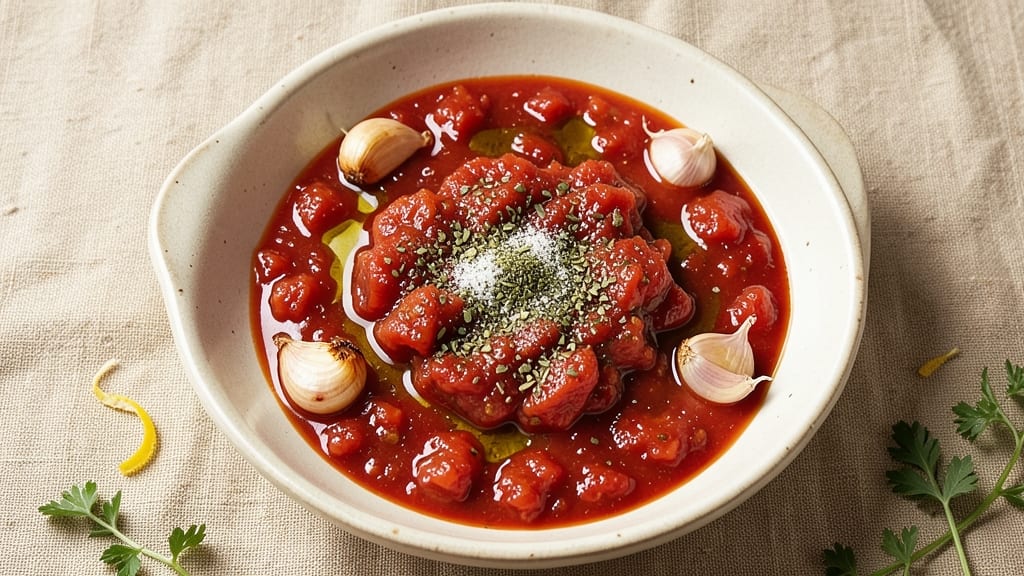
This American pizza sauce recipe delivers that perfect balance of tangy, sweet, and savory flavors without the dreaded clumps—something every pizza lover needs in their kitchen.
The secret lies in simmering canned tomatoes until they break down naturally, creating a smooth, velvety sauce that coats every bite of your pizza perfectly. I developed this recipe after years of testing, ensuring it's foolproof for both homemade pizza nights and restaurant-quality results.
What sets this sauce apart is the combination of garlic, herbs, and just enough sugar to enhance the natural sweetness of the tomatoes. No fancy ingredients—just simple pantry staples that come together in under 30 minutes.
The sauce thickens as it cooks, eliminating the need for cornstarch or other thickeners that can alter the texture.
By the end, you'll have a rich, aromatic sauce that's ready to drizzle over your favorite pizza dough, whether you're making a classic cheese pie or a loaded meat lover's masterpiece.
The flavor deepens as it sits, making it even better the next day—perfect for meal prep or gifting to fellow pizza enthusiasts.
Store leftovers in an airtight container in the refrigerator for up to a week, or freeze for longer shelf life. This sauce isn't just for pizza—use it as a marinade, a pasta sauce, or even a dipping sauce for garlic bread. Let's make the perfect pizza sauce!
Ingredients for american pizza sauce
Nine simple ingredients transform into that iconic American pizza sauce—smooth, flavorful, and ready in minutes.
| Ingredient | Amount | Notes |
|---|---|---|
| Canned San Marzano Tomatoes 🍅 | 28 oz | Crushed by hand for texture |
| Garlic Cloves 🧄 | 4 cloves | Freshly minced for aroma |
| Extra-Virgin Olive Oil 🫒 | ½ cup | High quality for richness |
| Dried Oregano 🌿 | 1 tbsp | Italian variety preferred |
| Dried Basil 🌿 | 1 tbsp | Or 0.25 cup fresh basil |
| Granulated Sugar 🍬 | 1 tbsp | Enhances tomato sweetness |
| Salt 🧂 | 1 tsp | Kosher or sea salt |
| Ground Black Pepper 🌶️ | ½ tsp | Freshly ground preferred |
| Red Wine Vinegar 🍷 | 1 tbsp | For tangy brightness |
| Onion Powder 🧅 | ½ tsp | Adds depth without chunks |
San Marzano tomatoes are the gold standard here—sweeter and less acidic than regular canned tomatoes, which makes all the difference. Grab the 28-oz can from the Italian section at Whole Foods or Trader Joe's—they're worth the splurge. The garlic? Fresh is non-negotiable—jarred minced garlic tastes like cardboard. Toast the minced garlic in olive oil for 30 seconds before adding to the sauce—that's the secret to restaurant-quality flavor. If you're short on time, pre-minced garlic from the refrigerated section works in a pinch, but it won't have the same punch.
No oregano? Italian seasoning at half the amount gets you close, but it's not the same. Running low on fresh basil? Dried basil works at one-third the quantity, but add it at the very end to preserve flavor. The sugar might seem odd, but it's essential for balancing acidity—especially if you're using regular canned tomatoes. No red wine vinegar? White vinegar or lemon juice works, but the color won't be as vibrant. For a smokier sauce, add a pinch of smoked paprika—trust me, it's a game-changer. The onion powder is the sneaky ingredient that makes this sauce taste like it's been simmering for hours.
This sauce thickens as it cooks, so no need for cornstarch or flour—naturally velvety every time. Store leftovers in an airtight container in the fridge for up to 1 week, or freeze for 3 months. I always make a double batch—one for pizza night, one to freeze for lazy days. The flavor actually improves after 24 hours as the ingredients meld together. Perfect for meal prep or gifting to pizza-loving friends!
Why You'll Love This Recipe
- Five-Ingredient Magic: I swear by this combo—San Marzano tomatoes, a glug of olive oil, and those crushed garlic cloves? It’s the kind of sauce where you taste each ingredient clearly, not hidden behind a wall of sugar or weird spices. The basil and oregano hit just right, bright and herbal without overpowering.
- Pantry-to-Pot Speed: Honestly, I’ve made this sauce while my coffee brewed. Open the can, simmer, blend—no chopping, no peeling, no stress. The tomatoes break down beautifully on their own, and the garlic softens into that sweet, mellow punch without burning. Twenty minutes max, and you’ve got flavor gold.
- Pizza Night, Every Night: Between us, this sauce is my secret weapon for weeknight dinners. Use it on classic pepperoni slices, toss it with roasted veggies for a sheet-pan meal, or even drizzle it over grilled chicken. It’s the one sauce that works for lazy takeout nights and when I’m pretending to be a fancy chef for company.
- Budget-Friendly Leftovers: A single can of tomatoes stretches into enough sauce for three pizzas, and it keeps for weeks in the fridge. I’ll be real—my freezer’s got jars of this stuff labeled “emergency pizza fix.” Plus, San Marzano tomatoes are pricey, but a little goes a long way, so you’re not breaking the bank for flavor.
Step-by-step instructions for American pizza sauce
Here's how to make a smooth, flavorful pizza sauce that delivers authentic Italian taste without the clumps.
Crush the San Marzano Tomatoes
Empty the 28 oz canned San Marzano tomatoes into a large bowl. I like to crush them by hand using my fingers—this breaks up the tomatoes while preserving their natural texture. Avoid using a blender or food processor; we want some slight chunkiness for that classic pizza sauce texture. If you prefer completely smooth sauce, you can strain it through a fine-mesh sieve after cooking, but I find the slight texture adds depth.
Transfer the crushed tomatoes to a heavy-bottomed saucepan. The San Marzano variety is my go-to because its natural sweetness and low acidity create a balanced sauce without needing extra sugar. If you're using regular canned tomatoes, you might want to add an extra ½ teaspoon of sugar to compensate for the higher acidity.
Sauté the Garlic in Olive Oil
Heat the 0.5 cup extra-virgin olive oil in the same saucepan over medium-low heat. Add the 4 cloves minced garlic and sauté for 1-2 minutes until fragrant but not browned. Watch it closely—garlic burns quickly and turns bitter. You'll know it's ready when the kitchen smells amazing and the garlic turns a pale golden color.
Here's the thing—don't walk away. Garlic burns in seconds, and once it's browned, you can't fix it. If it starts to darken, immediately remove the pan from heat and let it cool for a minute. The olive oil should shimmer gently, indicating it's ready for the next ingredients. This step builds the aromatic foundation of your sauce.
Build the Flavor Base
Add the 1 tablespoon dried oregano, 1 tablespoon dried basil, 0.5 teaspoon onion powder, 1 tablespoon granulated sugar, 1 teaspoon salt, and 0.5 teaspoon ground black pepper to the pan. Stir everything together and let it cook for 2-3 minutes over medium heat, allowing the spices to bloom and release their aromas.
The sugar isn't just for sweetness—it helps balance the acidity of the tomatoes and caramelizes slightly, adding depth to the sauce. The spices should be fully incorporated, but don't let them burn. If the mixture starts to stick to the bottom of the pan, add 1-2 tablespoons of water to loosen it up. This step is where all the classic pizza flavors come together.
Simmer and Thicken
Pour in the 1 tablespoon red wine vinegar and stir. Bring the mixture to a gentle simmer over medium heat. Let it cook uncovered for 20-25 minutes, stirring occasionally. You want the sauce to reduce and thicken slightly—it should coat the back of a spoon but still be pourable. The sauce is ready when it reaches a consistency similar to heavy cream.
Taste as you go. If it needs more acidity, add another ½ teaspoon of red wine vinegar. If it's too thick, thin it with 1 tablespoon of water at a time. The key is balance—sweet, tangy, and savory all in one. This simmering time allows the flavors to meld together beautifully, creating that classic American pizza sauce taste we all love.
Cool and Store
Remove the saucepan from heat and let the sauce cool to room temperature. This resting period allows the flavors to fully develop and the sauce to thicken even more as it cools. Taste it one last time and adjust the seasoning if needed—maybe a pinch more salt or a splash of vinegar to perfect it.
Transfer the sauce to an airtight container and store it in the refrigerator for up to 5 days or freeze it for up to 3 months. When you're ready to use it, give it a quick stir—it'll thicken even more as it sits. This sauce is perfect for homemade pizzas, calzones, or even as a marinara for pasta. The secret to its smooth texture lies in the gentle simmering and proper ingredient balance we just created.
Pro Tips For Making American Pizza Sauce
- CRUSH THE GARLIC: Use a mortar and pestle or the flat side of your knife to smash whole garlic cloves before mincing—this releases more flavor without burning. I tried roasting once, and while it worked, the sauce lost that bright, sharp punch that fresh raw garlic gives.
- SIMMER LOW AND SLOW: Reduce heat to the lowest setting after the sauce starts bubbling—even if it takes 45 minutes. Rushing it on high heat turns the tomatoes mealy and dulls the herbs. I learned this after making a batch that tasted like tomato paste instead of sauce.
- SALT THE TOMATOES FIRST: Sprinkle a generous pinch of salt (about ½ teaspoon per can) directly over the crushed tomatoes before cooking. This draws out excess water and seasons the sauce from the start—no need to fuss with adjusting later.
- SKIP THE PEELING: Leave the skins on the San Marzano tomatoes unless they’re slimy or tough. Peeling wastes good flavor, and the skins add subtle texture that balances the smoothness of the sauce. (Yes, even if it looks messy—taste matters more.)
Regional styles of this american pizza sauce
New York Style
This classic version keeps it simple with a slightly sweeter profile—perfect for New York-style pies. Use San Marzano tomatoes crushed by hand, then simmer with 1 tbsp sugar and 1 tsp dried basil for 20 minutes. The key difference?
Add ½ tsp onion powder and ½ tsp garlic powder instead of fresh garlic for a more approachable flavor. This sauce works best with thin-crust pizzas and is the go-to for classic pepperoni slices. 🍕
Chicago Deep Dish
For Chicago's iconic deep-dish pizza, your sauce needs to be chunkier and less sweet. Crush San Marzano tomatoes coarsely (don't blend them!) and simmer with 1 tbsp dried oregano and ½ tsp smoked paprika for 15 minutes.
The sauce should be thick enough to cling to the sides of the deep pan but still spreadable. Add 1 tbsp tomato paste to deepen the color and flavor. This version pairs perfectly with mozzarella and sausage layers. 🧀
California Fusion
West Coast pizza sauce gets a modern twist with brighter, fresher flavors. Use ½ cup tomato sauce (instead of crushed tomatoes) mixed with 1 tbsp red wine vinegar, 1 tsp dried basil, and ½ tsp red pepper flakes.
Simmer for 10 minutes and finish with 1 tbsp fresh basil and a pinch of sea salt. This lighter sauce works beautifully with thin crusts, fresh mozzarella, and creative toppings like arugula or roasted vegetables. 🌿
Detroit Style
Detroit's caramelized cheese crust needs a sauce that's rich but not overpowering. Simmer San Marzano tomatoes with 1 tbsp sugar, 1 tsp dried oregano, and ½ tsp onion powder for 25 minutes until thick. The sauce should be slightly sticky but still spreadable.
Add 1 tsp Worcestershire sauce for depth—this is the secret ingredient that makes Detroit-style sauce stand out. Use this sauce sparingly to let the caramelized cheese shine. 🧅
Texas BBQ-Inspired
For a bold twist, blend ½ cup tomato sauce with ¼ cup BBQ sauce (like Sweet Baby Ray's), 1 tbsp apple cider vinegar, and ½ tsp smoked paprika. Simmer for 10 minutes and finish with 1 tsp brown sugar.
This smoky-sweet sauce pairs perfectly with pulled pork, cheddar cheese, and jalapeños on a thick crust. It's a game-changer for those who love BBQ flavors on pizza. 🌶️
Nutrition facts
Frequently asked questions
Can I make this pizza sauce without San Marzano tomatoes?
Yes! While San Marzano tomatoes are ideal, you can use high-quality canned crushed tomatoes instead. For best results, add an extra ½ teaspoon of sugar to balance the acidity. If your tomatoes are very watery, simmer them longer (up to 30 minutes) to thicken naturally. The flavor won't be identical, but it'll still taste delicious.
Why does my homemade pizza sauce get clumpy?
Clumps usually happen from over-stirring or not crushing tomatoes properly. Always crush tomatoes by hand (not blending) and simmer gently over medium heat—never high heat. If clumps appear, blend the sauce briefly with an immersion blender, then strain through a fine-mesh sieve. The secret is patience: let it reduce slowly for that silky texture.
How can I make this sauce spicier?
Add ½ teaspoon of red pepper flakes during the simmering phase, or finish with 1 teaspoon of hot sauce (like Tabasco) after cooking. For heat lovers, blend in 1-2 fresh chili peppers (like jalapeños) with the tomatoes. Start with less—you can always add more, but you can't remove heat!
Can I use this sauce for dishes other than pizza?
This versatile sauce works perfectly as a marinara for pasta, a dip for garlic bread, or even a base for meatballs. For dipping, thin it slightly with water or broth. For pasta, reduce it longer (up to 45 minutes) to create a thicker consistency. The flavor profile adapts beautifully to different dishes.
What's the best way to reheat leftover sauce?
Gently reheat in a saucepan over low heat for 5-7 minutes, stirring occasionally. Microwaving can make it watery—never microwave without stirring first. For frozen sauce, thaw overnight in the fridge, then reheat slowly. The texture will thicken further as it warms, so add a splash of water if needed.