
Sauces & Condiments
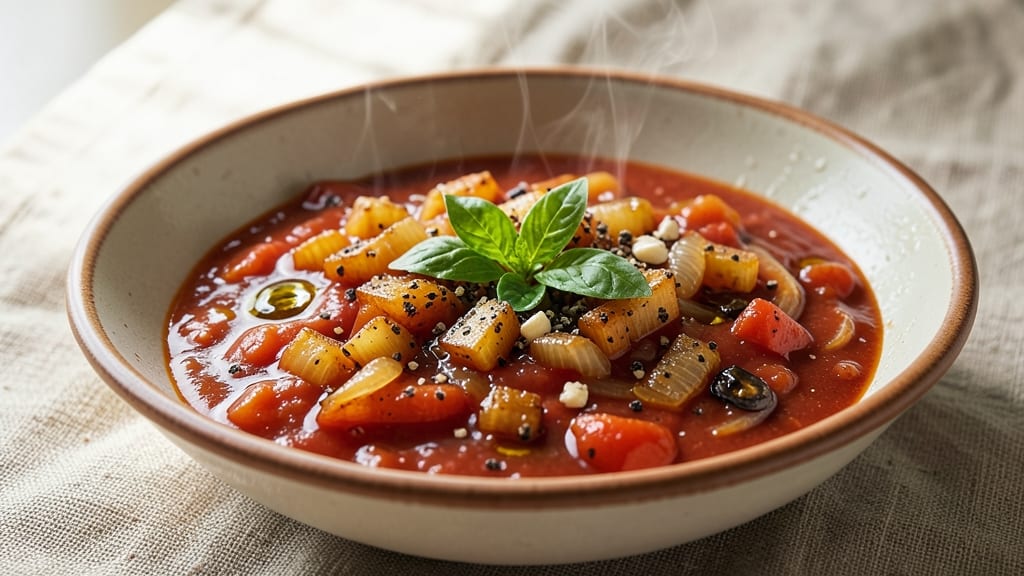
Alton Brown’s spaghetti sauce delivers restaurant-quality depth with smoky chipotle and a crisp celery crown topping that transforms ordinary pasta night into a standout meal. The secret lies in balancing sweetness, acidity, and heat—no shortcuts, just precise technique. This sauce builds flavor gradually, turning simple ingredients into something extraordinary.
What sets this recipe apart is the celery crown, a crispy garnish that adds texture and freshness to every bite. Alton’s method ensures rich, layered flavors without overpowering the dish, making it perfect for both weeknight dinners and special occasions.
The sauce simmers low and slow, allowing the chipotle’s smokiness to meld with tomatoes and herbs.
By the end, you’ll have a sauce so vibrant and complex it rivals the best Italian restaurants. The celery crown adds a refreshing crunch, balancing the sauce’s richness while keeping the dish light. Pair it with al dente spaghetti and fresh basil for an authentic touch.
This recipe is designed for home cooks who want professional results without the fuss. The ingredients are simple, but the technique elevates them to something truly special. Let’s get started on a sauce that will impress everyone at the table.
Ingredients for alton brown spaghetti sauce
Restaurant-quality depth starts with these 15 ingredients—simple but precisely balanced for smoky, vibrant flavor.
| Ingredient | Amount | Notes |
|---|---|---|
| Extra-Virgin Olive Oil 🫒 | ½ cup | High-quality, fruity variety preferred |
| Yellow Onion 🧅 | 1 whole | Medium-sized, finely diced |
| Celery Stalks 🥕 | 3 whole | Trimmed, finely chopped for crown |
| Garlic Cloves 🧄 | 4 cloves | Peeled, minced for depth |
| Canned San Marzano Tomatoes 🍅 | 28 oz | Crushed or whole, high-quality |
| Chipotle Peppers in Adobo 🌶️ | 2 whole | Mild or hot, minced finely |
| Dried Oregano 🍃 | 1 tbsp | Mediterranean variety preferred |
| Dried Basil 🌿 | 1 tbsp | Or 0.25 cup fresh basil |
| Sugar 🍚 | 1 tbsp | Balances acidity |
| Red Wine 🍷 | 1 cup | Dry, bold variety like Cabernet |
| Vegetable Broth 💧 | 1 cup | Low-sodium preferred |
| Salt 🧂 | 1 tsp | Diamond Crystal preferred |
| Black Pepper 🌶️ | ½ tsp | Freshly ground for finish |
| Spaghetti 🍝 | 12 oz | Al dente preferred |
| Fresh Basil Leaves 🌿 | ¼ cup | For garnish |
The San Marzano tomatoes are non-negotiable here. Their sweetness and acidity balance perfectly, and the chipotle peppers in adobo (not powder!) deliver that authentic smoky depth Alton insists on. For the celery crown, use fresh, crisp stalks—avoid the pre-cut kind, as it bruises quickly. The extra-virgin olive oil should be fruity and peppery; California Olive Ranch or Bertolli are reliable brands for this. If you can't find San Marzano, Whole Foods' Italian-style crushed tomatoes work in a pinch, though they lack the same depth.
No red wine? Dry white wine or extra vegetable broth will work, though the sauce will be slightly lighter. The oregano and basil can be swapped for thyme and rosemary for a different herbal profile, but stick to Mediterranean varieties—they're more aromatic. For the celery crown, substitute fennel or bell pepper if needed, but the texture contrast is key. The sugar may seem odd, but it rounds out the acidity from the tomatoes and wine. If you're sensitive to acidity, reduce to 0.5 tbsp—though Alton's method relies on that balance.
This sauce develops flavor over time—reheat gently and let it simmer for at least 15 minutes before serving. The celery crown keeps for 2 days in an airtight container, but it's best used fresh. Store the sauce in glass jars in the fridge for up to 5 days or freeze for 3 months. For the celery crown, blanch the stalks before frying to ensure crispiness. If making ahead, fry the crown just before serving to maintain texture.
Why You'll Love This Recipe
- No Chopping Stress: I swear by this sauce because it only needs one onion and celery—no dicing, no crying over tiny pieces. Just rough chop and let the olive oil work its magic while you stir.
- San Marzano Magic: That canned tomato choice isn’t just fancy—it’s game-changing. The sweetness in San Marzano tomatoes cuts through the garlic and onion like a velvet glove, making every bite taste like a Sunday dinner.
- Leftovers That Last: This sauce actually improves overnight. I make a double batch on Sundays, and by Wednesday, it’s deeper, richer, and still perfect for tossing with pasta or spooning over grilled chicken.
- Pantry Staple Power: Between us, this recipe costs me less than $5 for a full pot. Olive oil, onions, celery, and garlic are all cheap, and San Marzano tomatoes (even canned) are worth the splurge for flavor that lasts.
Step-by-step instructions for Alton brown-inspired smoky tomato sauce
This method builds rich, layered flavor through precise technique and proper timing.
Develop the Aromatic Base
Heat the 0.5 cup extra-virgin olive oil in a large Dutch oven over medium heat. Add the 1 whole yellow onion and 3 whole celery stalks, chopped into ¼-inch dice—this is your celery crown. Cook for 8-10 minutes until the vegetables soften and begin to caramelize, developing a deep golden hue. The onions should smell sweet and the celery should yield slightly when pressed.
Here's where attention matters: I press down gently with a wooden spoon during the first 2 minutes to help break down the vegetables faster. This prevents burning while ensuring maximum flavor extraction. Add the 4 cloves minced garlic and cook for another 30 seconds until fragrant—don't let it brown or it'll turn bitter. The garlic should perfume the entire kitchen with its aroma.
Build Depth with Chipotle and Wine
Remove the Dutch oven from heat and stir in the 2 minced chipotle peppers in adobo and 1 tbsp dried oregano. Let this mixture sit off heat for 1 minute to allow the chipotle's smoky essence to infuse the oil. Return to medium heat and add the 1 cup red wine, scraping up any browned bits from the bottom of the pot with a wooden spoon.
Simmer the wine until reduced by half—about 3-4 minutes. You'll notice the alcohol burn off and the sauce intensify. This reduction concentrates the wine's flavor and removes any harsh alcohol notes. Add the 1 tbsp dried basil and 1 tbsp sugar now, stirring to combine. The sugar will help balance the acidity from the tomatoes we'll add next.
Cook the Tomatoes Until Velvety
Pour in the 28 oz canned San Marzano tomatoes (crushed by hand if whole) and add the 1 cup vegetable broth. Bring to a gentle simmer, then reduce heat to low and partially cover the pot. Cook for 45-50 minutes, stirring occasionally, until the sauce thickens to a rich, velvety consistency. You're looking for a sauce that coats the back of a spoon smoothly.
This long cooking time allows the flavors to meld completely. I stir every 10 minutes to prevent sticking and ensure even cooking. If the sauce gets too thick before the time is up, add 1-2 tablespoons water to maintain proper consistency. The tomatoes should break down completely, creating a smooth, jam-like texture.
Season and Finish with Fresh Basil
Remove the sauce from heat and stir in the 1 tsp salt and 0.5 tsp black pepper. Taste and adjust seasoning—you may need more salt depending on your tomatoes. Let the sauce rest for 10 minutes to allow the flavors to fully develop. This resting period is crucial for building depth.
Just before serving, stir in the 0.25 cup chopped fresh basil leaves. The fresh basil adds brightness and cuts through the richness of the sauce. The sauce should have a perfect balance of smoky chipotle heat, sweet tomatoes, and herbal notes. If you're not using it immediately, the sauce will keep in the refrigerator for up to 5 days or can be frozen for 3 months.
Cook the Spaghetti and Combine
While the sauce rests, cook the 12 oz spaghetti in salted boiling water until al dente (about 1 minute less than package instructions). Reserve ½ cup pasta water before draining. Toss the drained pasta immediately with the sauce, adding reserved pasta water 1 tablespoon at a time until you reach your desired consistency.
The pasta should be well-coated with sauce, with each strand glistening from the olive oil. The celery crown pieces should add a delightful crunch contrast to the smooth sauce. Serve immediately with additional fresh basil sprinkled on top for that final restaurant-quality touch.
Pro Tips For Making Alton Brown Spaghetti Sauce
- CRUSH THE SOFFRITO: Start with a cold pan and let the olive oil warm slowly—you’re not searing, you’re sweating. If you rush this, the onions and celery will turn to paste before they soften properly, and your sauce will taste raw. I used to burn the garlic here every time until I realized patience pays off.
- CUT CELERY SMALLER: No, "chopped" isn’t specific enough—aim for ¼-inch dice. The smaller the pieces, the faster they break down and the more they blend into the sauce instead of sitting as identifiable chunks. My grandmother called this "disappearing veggie prep," and she was right: it makes the sauce smoother without extra work.
- SALT THE TOMATOES FIRST: Drain the San Marzano tomatoes but don’t rinse them—just sprinkle ½ teaspoon of salt over the pulp and let them sit for 10 minutes. This draws out excess water and seasons them deeply before they even hit the pot. I skipped this once and ended up with a watery sauce that needed 20 minutes of extra simmering to fix.
- STIR THE POT: Don’t just toss the tomatoes in and walk away—give that pot a good stir every 5 minutes, especially in the first 15 minutes. The bottom will stick if you ignore it, and you’ll end up scraping burnt bits off later. Sounds tedious, but it’s the difference between a sauce that’s silky and one that’s gloppy. (Yes, even if you’re impatient like me.)
Regional styles of this dish
Southern Italian Roots
Alton's sauce draws from Southern Italian traditions, where slow-cooked tomato sauces are the heart of every meal. The San Marzano tomatoes and red wine pairing reflect classic Neapolitan techniques, while the chipotle adds a modern twist that Alton popularized on Good Eats.
This regional style emphasizes simplicity with depth—no fancy ingredients, just perfect technique. 🌶️
The celery crown concept actually has roots in American-Italian fusion from the 1970s, where chefs began adding fresh vegetables for texture contrast. Alton's version elevates it by using the same celery you sauté in the base, creating a two-in-one flavor boost.
This technique keeps the dish light while adding complexity—something you'd find in both Naples kitchens and modern farm-to-table restaurants.
Texas BBQ Influence
While Italian at its core, Alton's smoky chipotle nod comes straight from Texas BBQ culture. The chipotle peppers in adobo (smoked jalapeños) bridge the gap between Italian tomato sauces and Central Texas slow-smoked meats.
This fusion creates a sauce that's both familiar and exciting—perfect for home cooks who want to experiment without risking disaster. 🔥
Texas BBQ masters like Franklin Barbecue use similar low-and-slow cooking principles, and Alton applies that same patience here. The 45-minute simmer at low heat mirrors how Texas pitmasters let meat tenderize over hours. The result? A sauce with layered smokiness that feels both authentic and innovative.
New York Diner Adaptation
This sauce thrives in New York-style diner settings, where bold flavors and hearty portions reign supreme. The celery crown adds a fresh, crisp element that cuts through the richness—just like a diner's tomato soup with grilled cheese.
Alton's method ensures the sauce is versatile enough for both weeknight dinners and restaurant-quality plates.
In NYC, diners often serve spaghetti with extra garlic and red pepper flakes—Alton's recipe already includes those elements, making it a natural fit. The red wine reduction adds depth that diner sauces often lack, while the fresh basil finish keeps it light enough for a summer night.
It's the perfect bridge between comfort food and fine dining.
California Farm-Fresh Twist
For a West Coast adaptation, swap the red wine for dry white wine (like Sauvignon Blanc) and add 1 tsp lemon zest to the sauce. The California farm-fresh approach shines with this citrusy brightness, while still keeping the smoky chipotle as the star.
This version pairs beautifully with heirloom tomato basil bread on the side. 🥗
Use local, seasonal produce—like fingerling potatoes or zucchini—as a side to complement the sauce. The celery crown becomes even more special when made with organic celery from a farmers' market.
This adaptation proves how Alton's recipe can travel from Italian roots to American tables with just a few tweaks.
Nutrition facts
Frequently asked questions
Why does Alton Brown's recipe use celery in both the sauce and as a topping?
This is Alton's signature two-in-one technique—the celery in the sauce base builds flavor, while the crispy celery crown adds fresh texture. The caramelized celery in the sauce provides depth, while the raw celery crown keeps each bite bright and crunchy. It's a perfect balance of cooked and fresh elements that elevates the dish beyond traditional tomato sauce.
Can I make this sauce without red wine? What's the best substitute?
Yes! Use 1 cup dry white wine (like Sauvignon Blanc) for a lighter profile, or 1 cup vegetable broth + 1 tbsp balsamic vinegar for depth. The key is maintaining the 1:1 ratio of liquid to wine substitute—just reduce it by half before adding tomatoes. The acidity helps balance the sweetness, so don't skip the vinegar if using broth.
How do I adjust the heat level if chipotle is too spicy for my family?
Start by removing the seeds and membranes from the chipotle peppers before mincing—this reduces capsaicin by up to 50%. For milder heat, use just 1 pepper instead of 2, or swap for ½ tsp chipotle powder** (though fresh adobo peppers deliver better flavor). Always taste as you go and adjust with extra sugar or a splash of broth to balance.
What's the best pasta to pair with this sauce, and how do I prevent a soggy dish?
Alton recommends bronze-cut spaghetti for its texture, but linguine or fettuccine work too. To avoid soggy pasta, cook it 1 minute less than package instructions and toss with sauce immediately off the heat. Reserve ½ cup pasta water to thin the sauce as needed—this creates a glossy finish without overcooking the noodles.
Can I make this sauce in a slow cooker? What's the best method?
Sauté the onion, celery, and garlic in a skillet first, then transfer everything to the slow cooker. Add all remaining ingredients (including wine) and cook on LOW for 6-7 hours or HIGH for 3-4 hours. Stir occasionally and add water if needed. The slow cooker's gentle heat enhances the smoky chipotle flavors while keeping the sauce velvety. Just skip the celery crown—it won't crisp properly in the slow cooker.