
Sauces & Condiments
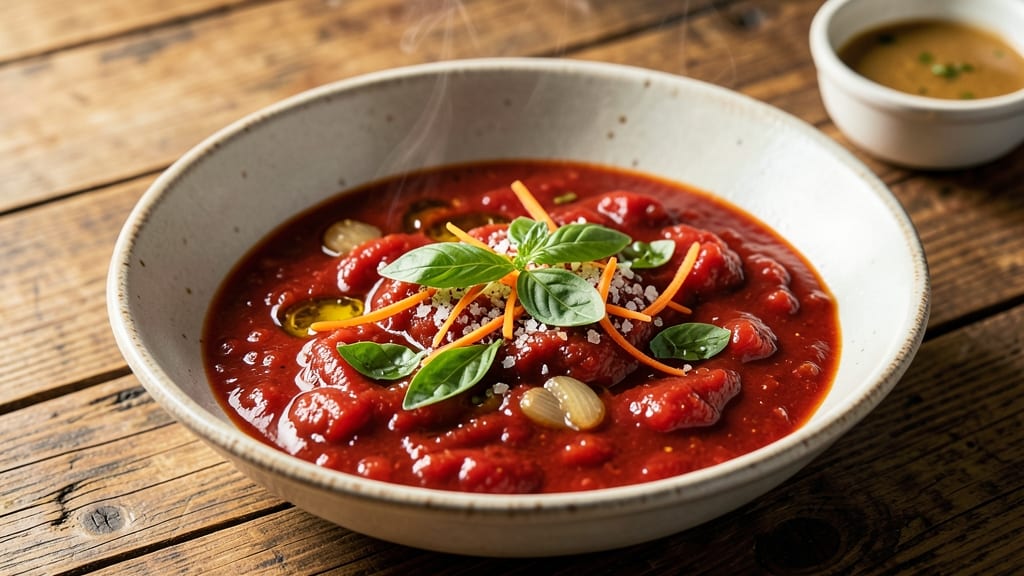
This all natural marinara sauce recipe delivers restaurant-quality depth without artificial additives or preservatives. The slow-simmering process transforms simple ingredients like crushed tomatoes, garlic, and fresh basil into a rich, complex sauce with layers of flavor that develop over time.
What sets this version apart is the focus on natural ingredients—just tomatoes, olive oil, and aromatic vegetables—cooked down to create a velvety texture that clings perfectly to pasta, pizza, or grilled meats.
The secret lies in the simmering technique: low and slow allows the flavors to meld and intensify, while frequent stirring prevents skin formation and ensures even cooking. Fresh basil added at the end preserves its bright aroma, while garlic and onions build a savory foundation.
This isn't just marinara—it's a sauce that transforms ordinary meals into something special, with a depth you won't find in store-bought versions.
What you'll end up with is a smooth, naturally sweetened sauce with just the right balance of acidity and richness—no additives required. The texture is velvety yet still clings beautifully to noodles, and the flavor profile develops even more as it sits.
Perfect for meal prepping or gifting, this sauce keeps well in the refrigerator for up to a week or can be frozen for months without losing quality.
Whether you're serving it over spaghetti, drizzling it on pizza, or using it as a base for other dishes, this marinara sauce delivers professional results with simple, wholesome ingredients. The best part? You control every element, from the quality of the tomatoes to the freshness of the herbs.
Let's get started on creating a sauce that tastes like it came from a family recipe passed down for generations.
Ingredients for all natural marinara sauce
Simple ingredients that transform into velvety sauce with restaurant-quality depth.
| Ingredient | Amount | Notes |
|---|---|---|
| Extra-Virgin Olive Oil 🫒 | ½ cup | High quality, fruity variety |
| Crushed Tomatoes 🍅 | 2 cans | 28 oz each, San Marzano preferred |
| Yellow Onion 🧅 | 1 whole | Medium size, finely diced |
| Carrots 🥕 | 2 medium | Peeled, finely chopped |
| Garlic Cloves 🧄 | 4 cloves | Peeled, minced |
| Fresh Basil Leaves 🌿 | ½ cup | Packed, chopped |
| Dried Oregano 🍃 | 1 tsp | Italian or Mediterranean blend |
| Sea Salt 🧂 | 1 ½ tsp | Diamond Crystal preferred |
| Black Pepper 🌶️ | ½ tsp | Freshly ground |
| Granulated Sugar 🍚 | 1 tsp | For balancing acidity |
The tomatoes are non-negotiable here—San Marzano is the gold standard for its natural sweetness and low acidity, but any high-quality crushed tomatoes will work. Whole Foods or Trader Joe's carry excellent brands like Rao's or Mutti. If you're using regular crushed tomatoes, stir in an extra pinch of sugar to balance any tartness. The olive oil should be extra-virgin, with a peppery finish—California or Italian varieties work best. Look for bottles labeled 'cold-pressed' for maximum flavor. Fresh basil is ideal, but if you're using dried, reduce to one-quarter teaspoon—it's much more concentrated.
No fresh basil? Dried oregano at half the amount keeps the Italian flavor profile. Running low on sugar? Honey or maple syrup at the same quantity works in a pinch, though it'll add a subtle floral note. The carrots can be swapped for celery or zucchini if you prefer, though they'll change the sauce's color slightly. For a deeper flavor, roast the garlic and carrots with the onions before adding to the sauce—it develops a caramelized sweetness that's worth the extra 10 minutes. If you're making this ahead, let the sauce cool completely before storing to prevent condensation.
This sauce keeps beautifully in the fridge for up to 7 days in an airtight container, though the flavor actually improves after the first day as the ingredients meld. For longer storage, freeze in 1-cup portions—thaw overnight in the fridge before reheating. The sauce thickens as it cools, so add a splash of water or tomato juice when reheating if it's too stiff. Portion into ice cube trays for perfect single-use servings—just pop one into your pasta water or simmer for 5 minutes to use as a sauce base.
Why You'll Love This Recipe
- Pantry Magic: I swear by this—just pull crushed tomatoes, olive oil, and a handful of pantry staples. No fancy prep, no last-minute grocery runs. The onions caramelize while you chop garlic, and suddenly you’ve got a simmering pot that smells like Sunday dinner.
- Sweet-Savory Balance: That touch of carrot? It’s the secret. The natural sweetness rounds out the acidity of the tomatoes, while the garlic and olive oil add depth. It’s rich but never heavy, bright but still cozy—like a hug in a jar.
- Meal Prep MVP: Make a double batch and freeze half. Thaw it for quick pasta nights, toss it with roasted veggies, or dump it over grilled chicken. My freezer’s stocked with this stuff because it’s the backbone of so many meals without extra effort.
- Budget-Friendly Luxury: Fresh ingredients don’t break the bank here. A few cloves of garlic, a single onion, and a can of tomatoes stretch into gallons of sauce. Honestly, it’s the kind of recipe that makes me feel fancy while keeping my wallet happy.
Step-by-step instructions for all natural marinara sauce
Here's how to build rich, slow-simmered marinara using only natural ingredients.
Sauté Aromatics in Olive Oil
Heat the 0.5 cup extra-virgin olive oil in a large, heavy-bottomed pot over medium heat. Add the finely diced yellow onion and cook for 5-6 minutes until softened and translucent. This foundational step develops the sauce's sweet depth.
Add the peeled and finely chopped carrots and continue cooking for another 3-4 minutes until they begin to soften. The carrots will contribute natural sweetness that balances the acidity of the tomatoes later. Stir occasionally to prevent browning.
Add Garlic and Spices
Push the vegetables to one side of the pot and add the minced garlic cloves to the empty space. Cook for 30 seconds until fragrant—garlic burns quickly, so watch closely. If it starts to darken, remove the pot from heat for 10 seconds to cool slightly before continuing.
Return the pot to the stove and sprinkle in the 1 teaspoon dried oregano, 1.5 teaspoons sea salt, and 0.5 teaspoon black pepper. Stir everything together for 1 minute to toast the spices and infuse them with the garlic aroma. This step ensures balanced flavor throughout the sauce.
Incorporate Tomatoes and Sugar
Pour in the 2 cans crushed tomatoes and add the 1 teaspoon granulated sugar. The sugar helps counteract the tomatoes' natural acidity, creating a more rounded flavor profile. Stir well to combine all ingredients thoroughly.
Bring the mixture to a gentle boil over medium-high heat, then immediately reduce the heat to low. The sauce should simmer steadily without bubbling vigorously. This controlled simmer is crucial for developing deep flavor without breaking down the tomatoes' texture.
Slow Simmer for Rich Depth
Let the sauce simmer uncovered for 45-60 minutes, stirring occasionally. You'll notice the sauce gradually thickens as excess moisture evaporates. The prolonged simmering allows the flavors to meld and intensify, creating that restaurant-quality depth.
Taste the sauce after 30 minutes and adjust seasoning if needed. If it's too acidic, add a pinch more sugar. If it needs more salt, add it gradually—you can always add more, but you can't remove excess salt. The sauce should be smooth with a velvety consistency by the end of simmering.
Finish with Fresh Basil
Remove the pot from heat and stir in the 0.5 cup chopped fresh basil leaves. The basil adds a bright, herbal note that cuts through the richness of the simmered tomatoes. Let the sauce sit for 5 minutes to allow the basil's aroma to fully infuse.
Taste one final time and adjust seasoning if necessary. The sauce should be perfectly balanced with bright tomato flavor, subtle sweetness, and herbal notes. Transfer to a clean jar or container and let it cool to room temperature before storing in the refrigerator for up to 5 days or freezing for up to 3 months.
Pro Tips For Making All Natural Marinara Sauce
- Sweat Onions Low and Slow: I learned this the hard way—ditch the sizzle. Cook onions over medium-low heat until they’re translucent, not brown, or they’ll turn bitter and overpower the sauce. A pinch of salt after 5 minutes helps draw out moisture faster.
- Crush Tomatoes by Hand: Yes, even if you’re impatient like me. Canned crushed tomatoes have skins and seeds that make the sauce grainy. Use a fork to break them up manually—it takes 2 minutes and makes a smoother, more professional texture.
- Toast Garlic in Oil First: Skip adding garlic with the onions. Heat the olive oil until it shimmers, then add minced garlic and cook for 30 seconds until fragrant but not browned. This prevents that harsh, burnt flavor that ruins the whole dish.
- Simmer Carrots Until Soft: Don’t just chop carrots and toss them in. Cut them into ¼-inch pieces and cook them separately in the olive oil for 5 minutes before adding anything else. They’ll dissolve into the sauce, adding natural sweetness without needing extra sugar.
Essential equipment for great all natural marinara sauce
Heavy-Bottomed Pot
Your saucepan choice makes all the difference—I recommend a 6-8 quart enameled cast iron Dutch oven like Le Creuset or All-Clad. These pots distribute heat evenly and prevent scorching, which is critical for marinara's delicate balance.
If you don't have one, a stainless steel saucepan with a thick base works too. Avoid thin aluminum or nonstick pans—they can't handle prolonged simmering without burning the sauce. 🔥
Wooden Spoon
A long-handled wooden spoon (I use Oxo Good Grips) is essential for stirring without scratching your pot. Wood won't react with acidic ingredients like metal can, and its gentle scraping action helps prevent skin formation during simmering.
For extra durability, choose hickory or maple—these woods are denser and won't warp as easily. Keep it handy for the entire process from sautéing to finishing.
Immersion Blender
For a silky-smooth texture without transferring hot sauce, an immersion blender like Ninja BN601 is a game-changer. Simply blend directly in the pot after simmering for 10-15 seconds—no straining or transferring required. If you prefer chunky texture, skip blending entirely. For small batches, a handheld stick blender works just as well. Just
Fine-Mesh Strainer
If you prefer a chunk-free sauce, a fine-mesh stainless steel strainer (like OXO Good Grips) lets you remove any vegetable bits while keeping the flavorful liquid. Line it with a cheesecloth for even smoother results. For quick cleanup, I use a collapsible silicone strainer—it's dishwasher-safe and easy to store. Only strain if you notice any large carrot or onion pieces remaining after simmering.
Kitchen Scale
While this recipe uses volume measurements, a digital kitchen scale (I prefer OXO Good Grips) ensures precision with spices and sugar. For example, 1 teaspoon of salt can vary by up to 1 gram between brands—using a scale guarantees consistent flavor.
It's especially helpful when adjusting seasoning during simmering. For budget options, Escali Primo offers excellent accuracy at an affordable price.
Nutrition facts
Frequently asked questions
Can I make this marinara sauce without fresh basil?
If you don't have fresh basil, use ¼ teaspoon dried basil instead—it's more concentrated. For a similar herbal depth, try ½ teaspoon dried oregano or a pinch of dried thyme. The sauce will still taste amazing, though fresh basil adds that signature bright aroma.
How do I prevent the sauce from getting too acidic?
The sugar in the recipe helps balance acidity, but if your tomatoes taste extra tart, add ½ teaspoon more sugar during simmering. You can also reduce cooking time slightly—45 minutes instead of 60 minutes—to preserve natural sweetness. For extra insurance, simmer with a small piece of orange peel (remove before serving).
What's the best way to store leftovers?
Let the sauce cool completely, then transfer to an airtight glass jar or container. It keeps in the fridge for 5-7 days—the flavor actually improves after 24 hours! For freezing, portion into 1-cup servings and store for up to 3 months. Thaw overnight in the fridge before reheating. Never freeze in metal containers as they can rust.
Can I use tomato paste instead of crushed tomatoes?
Yes, but you'll need to adjust the recipe. Replace the 2 cans crushed tomatoes with ½ cup tomato paste mixed with 1 cup water or broth. The sauce will be thicker—simmer 10 minutes longer to reach your desired consistency. For extra depth, roast the tomato paste in olive oil for 5 minutes before adding other ingredients.
Why did my sauce turn out too thick?
Simmering reduces moisture naturally, but if your sauce is too thick, stir in 1-2 tablespoons warm water or tomato juice while reheating. For future batches, check consistency after 45 minutes—if it's thickening too fast, reduce heat slightly or cover loosely with a lid. The ideal texture should coat the back of a spoon but still be pourable.