
Sauces & Condiments
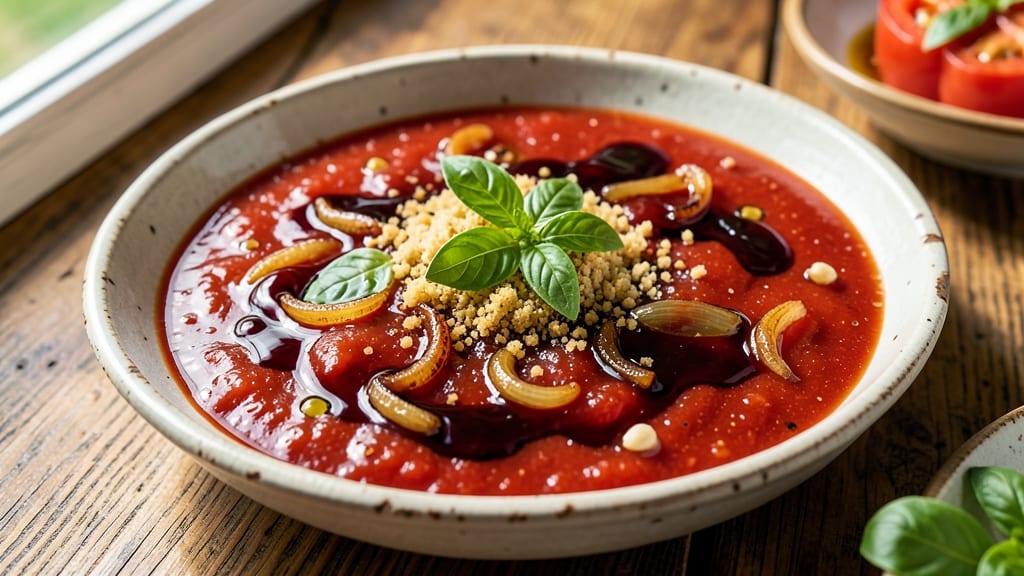
This all day sauce recipe transforms simple pantry staples into a deep, complex sauce that simmers for hours to develop layers of umami flavor. The slow process—tomatoes, broth, and aromatic spices melding together—creates a versatile condiment perfect for dipping, drizzling, or braising.
I developed this after craving a restaurant-quality sauce that could be made ahead and reheated without losing depth.
The beauty of this sauce lies in its simplicity and flexibility. With just a few core ingredients—tomatoes, broth, garlic, and spices—you build a rich, velvety base that absorbs flavors as it simmers.
The key is patience; letting it cook low and slow unlocks a depth you won’t find in quick-prep sauces. It’s the kind of sauce that gets better with time, making it ideal for meal prep or feeding a crowd.
What makes this sauce truly special is its adaptability. Use it as a marinade for meats, a dipping sauce for crusty bread, or a finishing touch for roasted vegetables.
The slow simmer concentrates the flavors, resulting in a sauce that’s tangy, savory, and just slightly sweet—perfect for elevating simple dishes into something extraordinary. Once you taste it, you’ll never reach for store-bought again.
Best of all, this sauce keeps beautifully in the refrigerator for up to a week, allowing you to make a big batch and enjoy it throughout the week.
Whether you’re prepping for a busy week or hosting a dinner party, this all day sauce delivers restaurant-quality results with minimal effort. Let’s get started!
Ingredients for all day sauce
Pantry staples that simmer into restaurant-quality umami magic—just 13 ingredients, hours of flavor.
| Ingredient | Amount | Notes |
|---|---|---|
| Canned San Marzano Tomatoes 🍅 | 28 oz | Crushed by hand, seeds removed |
| Beef Broth 💧 | 2 cups | Low-sodium preferred, homemade or quality store-bought |
| Garlic Cloves 🧄 | 6 cloves | Minced, not powdered |
| Onion 🧅 | 1 whole | Yellow or red, finely chopped |
| Extra-Virgin Olive Oil 🫒 | ½ cup | High-quality, fruity variety |
| Red Wine 🍷 | ½ cup | Bold, dry variety like Cabernet Sauvignon |
| Tomato Paste 🍅 | 2 tbsp | Squeeze tube or canned |
| Dried Oregano 🌿 | 1 tsp | Or 1 tbsp fresh, finely chopped |
| Dried Thyme 🌿 | 1 tsp | Or 1 tbsp fresh, finely chopped |
| Bay Leaves 🌿 | 2 whole | Fresh or dried |
| Salt 🧂 | 1 ½ tsp | Diamond Crystal or kosher |
| Black Peppercorns 🌶️ | ½ tsp | Freshly cracked |
| White Wine Vinegar 🍋 | 1 tbsp | For brightness |
The tomatoes are the foundation—San Marzano if you can find them, but any good-quality canned tomatoes work. Trader Joe's or Whole Foods bulk sections often have great options. The beef broth should be rich but not salty—Homemade is best, but store-bought low-sodium works too. Garlic and onion are non-negotiable for that deep, aromatic base. I always toast my spices lightly in the oil first—just until fragrant—to wake up their flavors. The red wine adds complexity, so grab whatever bold, dry bottle you've got open (Cab Sauv, Merlot, whatever).
No red wine? Substitute extra beef broth with a splash of balsamic vinegar—it adds a similar depth. Fresh herbs if you've got them, dried if you don't—no judgment. The tomato paste can be skipped if you're using extra-rich tomatoes, but it helps thicken and intensify the flavor. Pre-shredded cheese? Nope—stick with fresh garlic and onions for real flavor. The vinegar at the end brightens everything up, so don't skip it. If you're making this ahead, the flavors actually improve over time—it's worth letting it sit for a few days if you can.
This sauce keeps beautifully—1 week in the fridge, 3 months in the freezer. I always make a big batch and freeze portions in ice cube trays for easy use. The sauce thickens as it cools, so you can thin it with a splash of water or broth when reheating. It reheats beautifully—just warm it gently on the stove or microwave it in 30-second bursts. The longer it simmers, the deeper the flavor, so don't rush it. Trust me, the wait is worth it.
Why You'll Love This Recipe
- Pantry Magic: I swear by this sauce because it lives in my pantry—just tomatoes, broth, and a few minutes of my time. No last-minute grocery runs, no fancy prep work. The San Marzano tomatoes alone make it taste like you simmered for hours.
- Deep, Rich Umami: That beef broth? It’s the secret weapon. The onions caramelize just enough to sweeten the sauce, while the garlic roasts into a nutty depth. Honestly, the first time I tasted it, I thought I’d overcooked it—until I took another bite.
- Game for Any Meal: Use it as a dip for crusty bread, a base for pasta, or a glaze for roasted veggies. I’ve even poured it over grilled chicken when I’m in a rush. It’s the kind of sauce that makes lazy nights feel like a fancy dinner.
- Leftovers That Don’t Let You Down: This sauce actually improves the next day—thicker, more concentrated, and just as good. I make a big batch on Sundays, freeze half, and still have enough to toss into eggs or stir-fries all week. No sad, watery leftovers here.
Step-by-step instructions for slow-simmered umami sauce
This rich, layered sauce builds depth through patience and technique—every step matters.
Build the Flavor Base in Olive Oil
Heat the 0.5 cup extra-virgin olive oil in a heavy-bottomed pot over medium-low heat. Add the finely chopped onion and cook for 8-10 minutes until completely translucent and just beginning to caramelize at the edges. This slow cook time ensures the onion sweets without burning.
Add the 6 cloves minced garlic and cook for 30 seconds until fragrant but not browned. Garlic burns in seconds—watch it closely. Here's the thing: if you rush this step, you'll get bitter notes instead of sweet, mellow garlic flavor. Remove from heat immediately after the garlic smells aromatic.
Toast the Tomato Paste and Add Aromatics
Return the pot to medium heat and add the 2 tbsp tomato paste. Stir constantly for 2-3 minutes until it darkens slightly and releases its deep, concentrated flavor. This toasting step develops the sauce's umami foundation—don't skip it.
Add the 1 tsp dried oregano, 1 tsp dried thyme, 2 whole bay leaves, 1.5 tsp salt, and 0.5 tsp freshly cracked black peppercorns. Stir for 30 seconds to toast the spices gently, releasing their essential oils. The spices should smell earthy and vibrant—this is when the magic really starts happening.
Deglaze and Simmer the Tomatoes
Pour in the 0.5 cup red wine and scrape up all the browned bits from the bottom of the pot with a wooden spoon. This deglazing captures all the flavor you've built so far. Let the wine simmer for 3-4 minutes until it reduces by about half and the alcohol smell dissipates completely.
Add the 28 oz crushed San Marzano tomatoes (with seeds removed) and 2 cups beef broth. Stir well to combine, then bring to a gentle simmer over medium-low heat. Here's where the patience pays off: let the sauce simmer uncovered for 45-60 minutes, stirring occasionally, until it thickens noticeably and the flavors meld together.
Finish with Vinegar and Adjust Seasoning
Stir in the 1 tbsp white wine vinegar and simmer for an additional 5 minutes. The vinegar brightens the sauce and balances the richness—trust me, this makes all the difference. Taste and adjust the seasoning if needed, adding more salt or pepper as necessary. The sauce should be deeply flavorful but not overwhelmingly salty.
Remove the bay leaves before serving. For the best texture, let the sauce sit at room temperature for 10-15 minutes—this allows the flavors to continue developing and the sauce to thicken slightly. This sauce gets better with time, so don't rush this final step.
Pro Tips For Making All Day Sauce
- CRUSH THE GARLIC FIRST: Slice those cloves lengthwise instead of mincing them—it releases flavor faster and avoids burning. I used to chop them fine and end up with bitter, burnt bits; now I just press them into the oil with the flat side down and let them sizzle gently.
- SWEAT THE ONION LOW: Don’t rush this step—cook the onions in olive oil over medium-low until they’re translucent and just starting to caramelize (about 10 minutes). High heat turns them bitter, and you’ll regret it when the sauce tastes flat. (Yes, even if you’re impatient like me.)
- SALT THE BROTH EARLY: Season the beef broth before adding it to the sauce—this balances the acidity of the tomatoes better than tossing salt in later. I learned this the hard way after making a batch that tasted one-note. A pinch of salt now saves you from over-salting at the end.
- SKIP THE STIRRING MADNESS: Let the sauce simmer unattended for at least 20 minutes—stirring constantly turns it mushy. After that, stir occasionally to prevent sticking. The longer it cooks, the deeper the flavor, and no one’s watching your pot anyway. (Your future self will thank you.)
Perfect pairings for this all day sauce
Breakfast Pairings
This sauce transforms simple breakfasts into gourmet meals. Drizzle it over scrambled eggs or fried rice for instant depth—just 2-3 tablespoons adds restaurant-quality umami. I love spooning it onto toasted sourdough with a sprinkle of crumbled feta and fresh herbs.
For a heartier option, use it as a marinade for breakfast sausage before cooking. 🍳
Lunch Elevations
Turn lunch into a flavor adventure by using this sauce as a base for grain bowls. Toss quinoa or farro with roasted veggies, then drizzle with warmed sauce and top with avocado slices and pickled red onions.
For sandwiches, slather it on ciabatta with grilled chicken and arugula—it’s like a fancy Italian panini. I also love using it as a dip for warm pita chips with a sprinkle of Parmesan.
Dinner Showstoppers
This sauce shines on the dinner table as a braising liquid for chicken thighs or pork chops. Simmer protein in the sauce for 30-45 minutes until tender, then serve with the reduced sauce spooned over the top.
For pasta nights, toss fettuccine with the sauce and finish with pecorino cheese and crispy pancetta. It also makes an incredible grilled steak sauce—just warm it and drizzle over medium-rare cuts before serving. 🥩
Snack & Appetizer Uses
Skip the store-bought dips and make this sauce the star of your snack spread. Warm it slightly and serve with crusty bread, grilled cheese croutons, or veggie sticks. For a smoky twist, add 1 teaspoon smoked paprika to the warm sauce before serving.
I also love using it as a marinade for meatballs—bake them in the sauce for extra flavor absorption. 🍽️
Global Fusion Twists
Get creative with international flavors! Stir in 1 teaspoon harissa for a North African-inspired sauce, or add 1 tablespoon soy sauce and 1 teaspoon ginger for an Asian fusion twist. For a Mexican-inspired version, mix in 1 tablespoon lime juice and ½ teaspoon cumin—perfect for tacos or nachos.
The possibilities are endless, but always taste as you go to balance flavors. 🌍
Nutrition facts
Frequently asked questions
How long should I let this sauce simmer for maximum flavor?
The magic happens during the 45-60 minute uncovered simmer, but for even deeper flavor, I recommend letting it cook for up to 2 hours on low heat. The longer it simmers, the more concentrated and complex the umami becomes. Just stir occasionally and add a splash of water if it gets too thick.
Can I make this sauce without red wine?
Replace the 0.5 cup red wine with either 0.5 cup beef broth plus 1 tablespoon balsamic vinegar or 0.5 cup apple juice for sweetness. The vinegar will still brighten the sauce, just like the wine would. For extra depth, add 1 teaspoon soy sauce to mimic the umami from wine.
Why does my sauce taste too acidic?
If your sauce tastes overly acidic, it's likely from the tomatoes or vinegar. Balance it by adding 1 teaspoon sugar or 1 tablespoon tomato paste to mellow the acidity. For a richer taste, stir in 1 tablespoon cream or coconut milk to round out the flavors. Always taste as you go—this sauce should be tangy but not sour.
How do I store and reheat leftovers?
Store in an airtight container in the fridge for up to 1 week or freeze for 3 months. To reheat, warm gently on the stove over low heat for 5-10 minutes, stirring occasionally. If it thickens too much, add a splash of water or broth. For quick use, microwave in 30-second bursts, stirring between each burst.
What's the best way to use this sauce for meal prep?
Make a big batch and freeze in ice cube trays—once frozen, transfer cubes to a freezer bag. Thaw overnight in the fridge, then use as needed. I love adding 1-2 cubes to scrambled eggs, marinating proteins, or drizzling over grains. The frozen cubes also make perfect portion-controlled additions to soups or stews.