
Sauces & Condiments
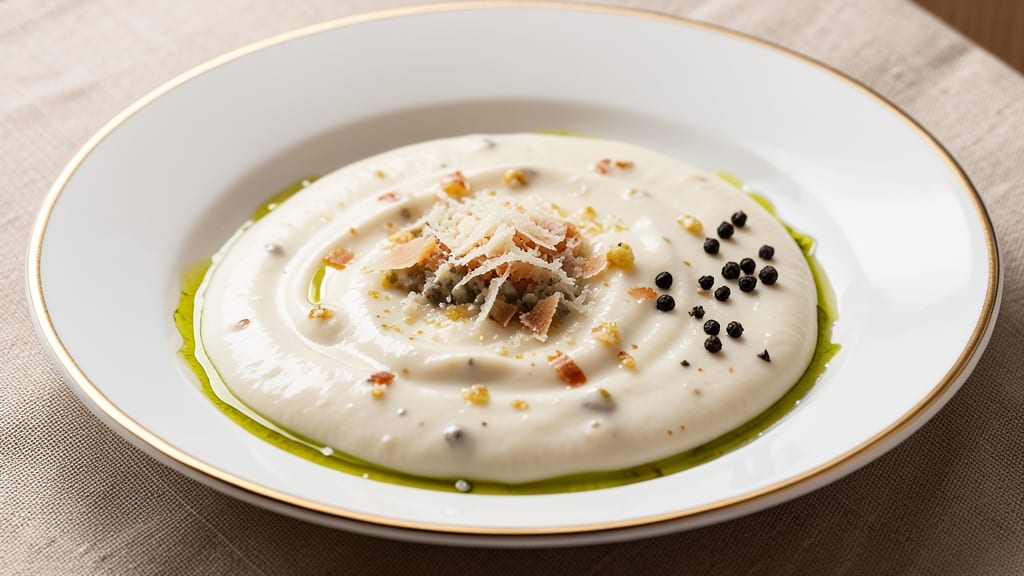
This alfredo sauce recipe with wine transforms ordinary pasta into a restaurant-worthy masterpiece—rich, velvety, and infused with just the right amount of boozy depth.
The secret lies in a wine reduction that eliminates clumping while adding complexity, paired with a precise balance of butter, cream, and Parmesan for that signature silky texture. I’ve perfected this sauce over years of trial and error, ensuring it works flawlessly over fettuccine, chicken, or even roasted vegetables.
The foundation starts with a wine reduction—simmering dry white wine until it thickens into a glossy, aromatic syrup. This step isn’t just for flavor; it’s what prevents the sauce from curdling when combined with dairy.
Next, we build the sauce by melting butter, whisking in cream, and gradually incorporating the reduced wine. The key? Low and slow heat—this ensures the sauce emulsifies smoothly, creating a velvety consistency without breaking.
What sets this recipe apart is the no-clump guarantee, achieved by tempering the Parmesan with a splash of pasta water before adding it to the sauce. The result is a luxuriously smooth, deeply flavorful sauce that clings perfectly to every strand of pasta or bite of protein.
It’s the kind of sauce that turns a simple weeknight dinner into an elegant meal, all while keeping the process straightforward and foolproof.
Make a double batch—this sauce reheats beautifully and tastes even better the next day. Store it in an airtight container in the fridge for up to 5 days, or freeze for 3 months.
Whether you’re serving it over fettuccine Alfredo or drizzling it over grilled chicken, this recipe delivers restaurant-quality results with minimal effort. Let’s get started.
Ingredients for alfredo sauce recipe with wine
Rich wine reduction, velvety cream, and freshly grated Parmesan—this sauce delivers restaurant-quality depth with no clumping.
| Ingredient | Amount | Notes |
|---|---|---|
| Dry White Wine 🍷 | 1 cup | Dry, full-bodied variety preferred |
| Unsalted Butter 🧈 | ¾ cup | European-style preferred for flavor |
| Heavy Cream 🥛 | 1 cup | Full-fat for optimal richness |
| Parmesan Cheese 🧀 | 1 ½ cups | Freshly grated, high-quality block |
| Garlic Cloves 🧄 | 4 cloves | Peeled, finely minced |
| Extra-Virgin Olive Oil 🫒 | 2 tbsp | For emulsification and depth |
| Diamond Crystal Kosher Salt 🧂 | ½ tsp | Adjust to taste |
| Freshly Ground Black Pepper 🌶️ | ¼ tsp | Freshly cracked for aroma |
| Pasta Water 💧 | ¼ cup | Reserved from cooked pasta |
| Fresh Lemon Juice 🍋 | 1 tbsp | Brightens the sauce |
The wine reduction is the backbone of this sauce—dry white wines like Sauvignon Blanc or Pinot Grigio work best for their crisp acidity. Avoid sweet wines, as they’ll throw off the balance. For professional results, use Trader Joe’s or Whole Foods for high-quality, dry options. If you’re unsure about the wine, a good-quality dry vermouth can substitute in a pinch, though it’ll add herbal notes. The butter should be European-style for its higher fat content and richer flavor—Plugrá or Kerrygold are excellent choices. Freshly grated Parmesan is non-negotiable; pre-shredded contains anti-caking agents that prevent smooth emulsification.
No heavy cream? Full-fat coconut milk works surprisingly well, though the flavor will shift slightly. Short on Parmesan? A mix of Pecorino Romano and Grana Padano adds depth without overpowering. The olive oil isn’t just for flavor—it’s what helps the sauce emulsify smoothly. Use a fruity, extra-virgin variety like California Early Harvest or Italian Liguria. For the garlic, roasting the cloves whole before mincing adds a sweeter, more complex flavor. If you’re making this ahead, reserve the pasta water—it’s the secret to adjusting consistency later. The lemon juice cuts through the richness, so don’t skip it, even if it’s just a splash.
This sauce reheats beautifully—gentle heat is key to prevent curdling. Store it in an airtight container in the fridge for up to 5 days, with a thin layer of olive oil on top to preserve freshness. For longer storage, freeze in ice cube trays—thaw and whisk under warm water to restore creaminess. The wine reduction can be made a day ahead and stored separately for up to 3 days, making this a perfect make-ahead sauce. Double batches freeze well, so consider making extra for future meals.
Why You'll Love This Recipe
- Wine Cabinet Magic: I swear by this trick—just a splash of dry white wine in the pan while melting butter, and suddenly your kitchen smells like a Parisian bistro. No fancy technique needed; the acidity cuts through the richness, balancing everything so effortlessly.
- Garlic-Parmesan Punch: That moment when you toss in the minced garlic and freshly grated Parmesan? The sauce transforms from creamy to ridiculously good—nutty, sharp, and velvety all at once. Honestly, the wine makes the Parmesan taste even more luxurious without extra cost.
- Weeknight to Dinner Party: Same sauce, endless uses. Slather it over fettuccine for a quick weeknight meal, or drizzle it on grilled chicken for a fancier dinner. The heavy cream keeps it rich, but the wine keeps it light enough for summer suppers or cozy fall nights.
- Leftovers That Don’t Suck: Between us, most Alfredo leftovers turn into glue. Not this one—the wine keeps it from curdling, so reheating is a breeze. I’ve even frozen it in portions; just thaw and toss. Budget-friendly, foolproof, and still tastes like you spent hours on it.
Step-by-step instructions for wine-infused Alfredo sauce
Master this technique and you'll achieve a velvety sauce with perfect balance—rich, creamy, and free of lumps.
Bloom the Garlic in Olive Oil
Heat the 2 tablespoons extra-virgin olive oil in a medium saucepan over medium-low heat. Add the 4 minced garlic cloves and cook for 1-2 minutes until they're fragrant but not browned—just golden around the edges. This step builds flavor without bitterness. Keep the heat gentle; garlic burns quickly and turns acrid.
I like to stir constantly during this phase to ensure even cooking. The moment you detect that nutty aroma, you're ready for the next step. Remove the pan from heat temporarily while you prepare the butter—this prevents overheating when you add cold ingredients.
Melt Butter and Deglaze with Wine
Return the pan to medium heat and add the 0.75 cup unsalted butter, stirring until fully melted and incorporated. Pour in the 1 cup dry white wine, scraping up any browned bits from the bottom of the pan with a wooden spoon. This deglazing captures all the garlic flavor and creates a flavorful base.
Let the wine simmer for 3-4 minutes until reduced by about half—you'll see the liquid thicken slightly and the alcohol burn off. The sauce should smell rich and aromatic, with the wine's acidity cutting through the buttery richness. This reduction step is crucial for developing depth without overpowering the cream later.
Incorporate Cream and Cheese
Reduce heat to low and gradually whisk in the 1 cup heavy cream, adding it slowly to prevent curdling. Then, reduce heat to lowest setting and begin adding the 1.5 cups freshly grated Parmesan cheese in small increments, whisking constantly. This gradual approach prevents lumps and ensures smooth emulsification.
Continue whisking for 3-5 minutes until the sauce thickens to a velvety consistency that coats the back of a spoon. The cheese should melt completely, and the sauce should hold its shape when drizzled. If it looks too thick, add 1-2 tablespoons pasta water to reach your desired consistency—this starchy liquid helps stabilize the emulsion.
Finish with Acid and Seasoning
Remove the sauce from heat and stir in the 1 tablespoon fresh lemon juice and 0.5 teaspoon kosher salt. Add the 0.25 teaspoon freshly ground black pepper and taste—adjust seasoning if needed. The lemon juice brightens the richness, while the pepper adds subtle heat. The sauce should taste balanced: creamy but not heavy, with wine's subtle acidity cutting through.
For best results, keep the sauce warm over low heat while serving, stirring occasionally to maintain even consistency. If you notice any separation, whisk vigorously to re-emulsify. This sauce is best used immediately, but it will keep in the refrigerator for up to 3 days if stored in an airtight container.
Pro Tips For Making Alfredo Sauce Recipe With Wine
- Reduce the Wine First: Don’t just toss in that wine and hope for the best—simmer it off for 2-3 minutes before adding anything else. This burns off the alcohol’s sharpness and concentrates the flavor, so your sauce doesn’t taste like you’re drinking it. (Yes, even if you’re impatient like me.)
- Grate Your Own Cheese: Pre-shredded Parmesan is coated with anti-caking agents that turn your creamy sauce into a grainy mess. Freshly grated cheese melts smoother and tastes richer—just 30 seconds with a microplane makes all the difference.
- Don’t Rush the Cream: After the wine reduces, lower the heat to medium-low before adding the heavy cream. Too much heat too soon and it’ll curdle faster than you can say “ruined dinner.” Let it warm gradually—this keeps the sauce silky.
- Salt the Butter Early: Season the butter with a pinch of salt before melting it—this way, the flavor infuses evenly instead of clumping at the end. Skip this, and your sauce will taste bland no matter how much you add later. (Your future self will notice.)
Wine and beer pairings for alfredo sauce recipe with wine
White Wine Pairings
Your wine-infused Alfredo sauce deserves a wine that mirrors its complexity. A dry Italian Pinot Grigio from Friuli-Venezia Giulia is my top pick—its crisp acidity and citrus notes complement the sauce's richness without overpowering. Look for brands like Santa Margherita Pinot Grigio or La Giustiniana for that perfect balance.
If you prefer something lighter, a Sauvignon Blanc from New Zealand adds herbal brightness that cuts through the creaminess. 🍷
For a bolder match, try a Chardonnay with subtle oak—Meiomi or La Crema work beautifully. The buttery notes in these wines harmonize with the sauce's creaminess, while their acidity prevents the dish from feeling too heavy.
Avoid sweet wines or heavily oaked Chardonnays, as they’ll clash with the sauce’s delicate balance.
Beer Complements
If wine isn’t your thing, a crisp Italian lager like Peroni or Birra del Borgo pairs surprisingly well. The light maltiness and subtle hop bitterness cleanse your palate between bites of creamy pasta.
For craft beer lovers, a Belgian witbier—such as Hoegaarden or Blue Moon—adds a refreshing citrusy contrast that mirrors the lemon in the sauce. 🍺
Avoid heavy stouts or IPAs, as their robust flavors will compete with the sauce’s delicate wine-infused profile. Instead, opt for beers with high carbonation and moderate alcohol (around 4.5-5.5% ABV) to keep the meal feeling light and balanced.
Unexpected Pairings
For a fun twist, try pairing your Alfredo with a dry sparkling wine like Prosecco or Cava. The bubbles and acidity make every bite feel fresh and vibrant. Even a dry Riesling from Germany—such as Dr. Loosen Blue Slate—adds a floral note that elevates the dish.
These options are perfect for special occasions when you want to impress without overcomplicating the meal.
If you’re serving Alfredo over grilled chicken or shrimp, consider a rosé with its crisp acidity and red fruit notes. A Provence-style rosé like Whispering Angel or Miraval bridges the gap between the wine’s elegance and the sauce’s richness. The result? A harmonious, restaurant-worthy pairing that feels effortless. ✨
Nutrition facts
Frequently asked questions
Can I substitute red wine for white in this recipe?
No, stick with dry white wine—red wine's tannins will clash with the creamy texture and create a bitter, uneven flavor. The acidity in white wine (like Sauvignon Blanc) helps balance the richness without overpowering. For a similar depth, try a dry rosé instead.
Why did my sauce separate when I added the cheese?
This happens when the heat is too high or the cheese is added too quickly. Always whisk constantly over low heat and add cheese in small increments. If it separates, whisk vigorously while adding 1 tablespoon pasta water to re-emulsify. The starchy water helps bind the sauce back together.
How do I make this sauce thicker or thinner?
For a thicker sauce, simmer uncovered for 2-3 extra minutes on low heat—this evaporates moisture. To thin, whisk in 1-2 tablespoons pasta water at a time until smooth. Never add cold milk or cream, as it can cause curdling. The goal is a consistency that coats the back of a spoon but still flows easily.
Can I make this sauce ahead of time?
Yes! Prepare the wine reduction and store it separately in the fridge for up to 3 days. When ready to use, combine it with the melted butter and cream over low heat, then add the cheese. For longer storage, freeze the completed sauce in an airtight container for up to 3 months. Thaw overnight in the fridge and reheat gently, whisking to restore creaminess.
What’s the best way to use leftover sauce?
This sauce is incredibly versatile—toss it with grilled chicken, shrimp, or roasted veggies for a quick weeknight dinner. It also works as a creamy dip for breadsticks or a glaze for steak. For extra flavor, stir in 1 teaspoon lemon zest** or a pinch of nutmeg before serving. The sauce reheats beautifully, so don’t hesitate to make a double batch!