
Sauces & Condiments
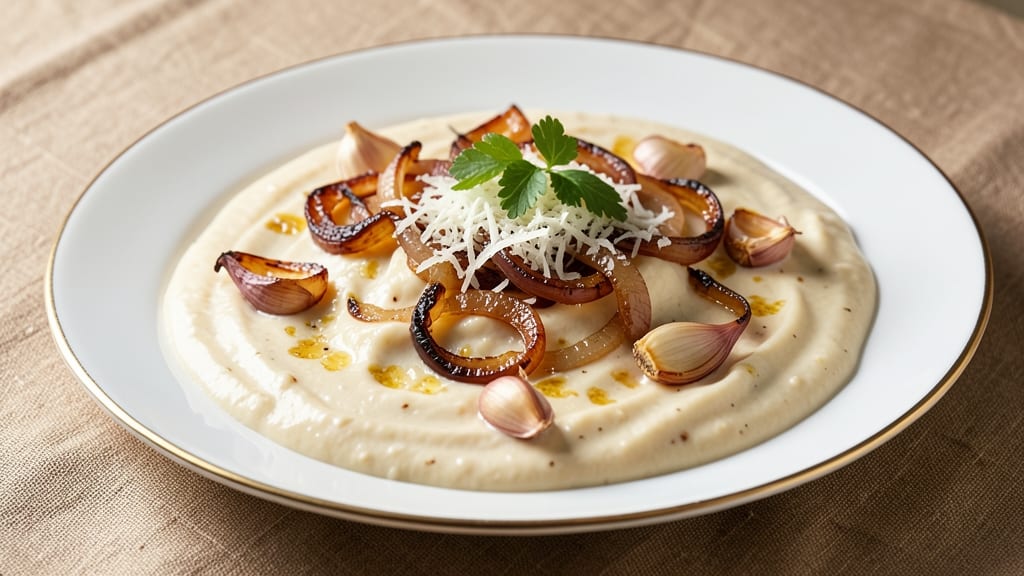
This alfredo sauce recipe with onion transforms simple pantry staples into a velvety, restaurant-quality sauce that clings perfectly to fettuccine. The secret lies in slow-cooked onions and a proper roux—no lumps, just silky smoothness that balances rich cream with subtle sweetness.
I developed this version after years of battling clumpy sauces, and it never fails to impress.
The foundation starts with butter and flour cooked to a golden roux, which forms the sauce's backbone before adding onions and garlic. Cooking the onions low and slow caramelizes their natural sugars, adding depth without overpowering the creamy base.
Heavy cream and parmesan come together in a gentle simmer, creating a sauce that's luxuriously thick yet pours like a dream.
What you'll end up with is a sauce so creamy it coats every strand of pasta, yet light enough to let the noodles shine. The onions contribute a subtle sweetness that rounds out the richness, while the parmesan adds a sharp, salty finish.
This isn't just alfredo—it's the kind of sauce that turns a simple pasta dish into an indulgent meal.
Perfect for weeknight dinners or special occasions, this sauce keeps well in the fridge for up to 5 days or freezes beautifully for months. Whether you're serving it over fettuccine, chicken, or vegetables, the consistency and flavor stay reliable. Let's make this sauce—your taste buds will thank you.
Ingredients for alfredo sauce recipe with onion
Nine simple ingredients create restaurant-quality alfredo with caramelized onions and velvety cream.
| Ingredient | Amount | Notes |
|---|---|---|
| Unsalted Butter 🧈 | ½ cup | Cold, cubed for roux |
| All-Purpose Flour 🌾 | ½ cup | Sifted for smooth sauce |
| Yellow Onions 🧅 | 1 ½ cups | Thinly sliced, yellow or white |
| Garlic Cloves 🧄 | 4 cloves | Minced, not powdered |
| Heavy Cream 🥛 | 1 ½ cups | Full-fat for richness |
| Parmesan Cheese 🧀 | 1 cup | Freshly grated from block |
| Extra-Virgin Olive Oil 🫒 | ¼ cup | For finishing, fruity variety |
| Salt 🧂 | 1 tsp | Diamond Crystal preferred |
| Black Pepper 🌶️ | ½ tsp | Freshly cracked |
| Ground Nutmeg 🌿 | ¼ tsp | Freshly grated preferred |
The onions are non-negotiable here. Yellow or white work best—they caramelize beautifully without turning bitter. Trader Joe's sells pre-sliced onions in a bag, which saves time, but fresh is always better. For the Parmesan, buy a wedge from the deli counter—pre-grated has anti-caking agents that make the sauce grainy. The butter matters too: European-style has more flavor than American brands. If you're in a pinch, European-style butter from the international aisle is your best bet.
No heavy cream? Full-fat coconut milk works in a pinch, though the flavor will differ slightly. Fresh garlic is ideal, but powdered garlic at half the amount gets you close. The flour should be all-purpose, not cake flour—it's got the protein for that proper roux. Want to make this ahead? Add the cream and cheese after reheating—it keeps the sauce smooth. And if you're watching fat, reduce the butter by 2 tbsp and add 2 tbsp olive oil instead.
This sauce reheats beautifully—just warm it gently on the stove with a splash of milk or cream. Keeps for 5 days in the fridge, or 3 months frozen. I always make a double batch: one for pasta night, one for chicken or veggies. For freezing, cool it completely first—hot sauce in the freezer gets watery. Portion into ice cube trays for single-use servings. The onions add sweetness that develops over time, so day-old sauce tastes even better.
Why You'll Love This Recipe
- No-Chop Nightmares: I swear by this sauce because the onions caramelize while I stir—no dice, no tears, just golden sweetness melting into the butter. Honestly, the only prep is peeling garlic and cracking eggs (if you’re using them), and that’s it.
- Rich Without Effort: That heavy cream and butter combo makes it velvety in minutes, but here’s the magic: the onions add depth without extra work. You get this perfect balance of creamy, slightly sweet, and savory—like a hug in a pan.
- Leftover Luxury: Make a double batch and freeze half. When you’re too tired to cook, just reheat it with some pasta or roasted chicken. Between us, this sauce tastes even better the second day—proof that good things get richer with time.
- Pasta Party Ready: Slap it on fettuccine for date night, toss it with shrimp for a fancy-ish weeknight, or drizzle it over grilled veggies for vegetarians. The onions mellow out the garlic’s bite, so it’s smooth enough for picky eaters but bold enough to impress.
Step-by-step instructions for onion-infused alfredo sauce
Here's how to make a velvety, onion-packed Alfredo that coats perfectly every noodle.
Build the Onion Base for Deep Flavor
Heat the 0.25 cup extra-virgin olive oil in a medium saucepan over medium-low heat. Add the 1.5 cups thinly sliced yellow onions and cook for 15-20 minutes, stirring occasionally, until they're soft and golden brown. You want them to caramelize slightly—that deep, sweet flavor will infuse your sauce.
When the onions are tender and starting to brown at the edges, add the 4 minced garlic cloves and cook for another 1 minute until fragrant. Be careful not to let the garlic burn—it should just perfume the onions. Remove the pan from heat and set aside temporarily. This aromatic base is where all the magic begins.
Create a Smooth Roux Foundation
Return the pan to medium heat and add the 0.5 cup cold cubed unsalted butter. Let it melt completely, then whisk in the 0.5 cup sifted all-purpose flour all at once. Stir constantly for 2-3 minutes until the mixture turns a light golden color and smells nutty—this is your roux, and it's the secret to that silky texture.
Watch the color carefully—it should be pale golden, not brown. If it gets too dark, you'll taste bitterness. Keep whisking vigorously to prevent lumps from forming. This step is crucial because a proper roux is what transforms your sauce from thin to luxurious.
Slowly Incorporate the Heavy Cream
Gradually pour in the 1.5 cups heavy cream while whisking continuously. Add it slowly at first—about ¼ cup at a time—to prevent curdling. Once all the cream is incorporated, increase the heat to medium-low and let the mixture simmer gently for 5-7 minutes, stirring often, until it thickens noticeably.
You'll see the sauce transform from thin to glossy and coat the back of a spoon. If it thickens too quickly, whisk in 1-2 tablespoons of water to adjust the consistency. The goal is a sauce that's thick enough to cling to pasta but still pours smoothly—not too stiff, not too runny.
Finish with Cheese and Seasonings
Reduce the heat to low and sprinkle in the 1 cup freshly grated Parmesan cheese a little at a time, whisking constantly to prevent clumping. The cheese should melt completely into the sauce, creating a rich, cheesy flavor. Stir in the 1 teaspoon salt, 0.5 teaspoon black pepper, and 0.25 teaspoon ground nutmeg. Taste and adjust seasoning if needed.
Return the pan to simmer for 2-3 minutes to let all the flavors meld together. The sauce should now be velvety smooth with a beautiful golden hue. If you want extra richness, you can whisk in a splash of the pasta water you reserved while cooking your noodles.
Keep It Warm and Serve Immediately
Transfer the sauce to a warm serving bowl or keep it in the saucepan over very low heat, stirring occasionally. Alfredo sauce thickens as it cools, so if you're not serving it immediately, reheat it gently with a splash of cream or water to restore its creamy consistency.
Serve the sauce immediately over your choice of pasta, tossing it gently to coat each strand. The onion-infused flavor will shine through, creating a sauce that's richer and more complex than traditional Alfredo. Enjoy it while warm for the best texture and flavor experience!
Pro Tips For Making Alfredo Sauce Recipe With Onion
- Cook Onions Low: I learned this the hard way—sautéing onions too hot turns them bitter and burns before they soften. Keep the heat at a steady medium, and stir every 30 seconds. You’re aiming for translucent, not golden.
- Use Cold Butter: Cut unsalted butter into small cubes and chill it first. Adding cold butter to your pan creates a smoother roux and prevents the sauce from seizing up or becoming grainy when you add the flour.
- Skip the Garlic Burn: After cooking onions, remove the pan from heat for 30 seconds before adding minced garlic. This prevents the garlic from frying into oblivion and ensures it just melts into flavor instead of turning acrid.
- Temper the Cream: Warm the heavy cream slightly before adding it to the roux—just enough to take the chill off. Pouring cold cream into a hot roux can cause it to split, and no one wants a broken Alfredo.
Regional styles of alfredo sauce recipe with onion
Classic Italian
In Italy, alfredo sauce traditionally omits onions entirely—this version is a modern American adaptation. The original Roman-style sauce relies solely on butter, cream, and parmesan, creating a pure, cheesy flavor.
If you want to stay true to the Italian roots, skip the onions and add a pinch of nutmeg for warmth. The key is using freshly grated parmesan and simmering the sauce just until it thickens. 🧀
American Comfort
This onion-infused version is a staple in American Italian restaurants, where rich, creamy sauces are king. The slow-cooked onions add sweetness that balances the richness, making it perfect for hearty dishes like chicken parmesan or loaded baked potatoes.
I've seen diners in the Midwest request this exact version with extra parmesan—it's a crowd-pleaser. The secret is the roux foundation, which prevents lumps and gives that signature velvety texture.
New York-Style Twist
Big Apple restaurants often add a splash of white wine (about ¼ cup) when incorporating the cream to brighten the sauce. For a true NYC touch, finish with a drizzle of truffle oil (just ½ teaspoon) and a sprinkle of fresh parsley.
The onions caramelize longer here—up to 30 minutes—for deeper flavor. Serve with wide egg noodles for that iconic NYC pasta dish experience.
Southern U.S. Adaptation
In the South, this sauce often gets a smoky kick with a dash of smoked paprika (about ½ teaspoon) or even a pinch of cayenne pepper. The onions are sometimes replaced with sautéed bell peppers for sweetness, but I prefer keeping them.
Add ½ cup cooked bacon bits at the end for a Southern-style twist that pairs perfectly with shrimp or catfish. The heat level is mild but noticeable—adjust to taste.
California Fusion
West Coast chefs love to lighten up traditional sauces. For a California version, replace half the heavy cream with unsweetened almond milk and add 1 teaspoon lemon zest to brighten the flavors. The onions get a quick sauté with ½ teaspoon red pepper flakes for a subtle kick.
Top with toasted pine nuts and fresh basil for a fresh, vibrant twist that works beautifully with whole wheat pasta. 🌿
Vegetarian-Friendly
This onion-infused version is naturally vegetarian, but some regional adaptations go further. In vegetarian-heavy areas like Portland, you might see nutritional yeast added for a cheesy flavor without dairy. For extra richness, stir in 2 tablespoons vegan butter> at the end.
The sauce pairs perfectly with roasted vegetables or mushroom risotto, making it a versatile option for plant-based diets.
Nutrition facts
Frequently asked questions
Why do you caramelize the onions for so long?
Caramelizing the onions for 15-20 minutes develops their natural sugars, creating a deep, sweet flavor that balances the richness of the cream and cheese. This step transforms ordinary onions into a flavorful base that prevents the sauce from tasting one-dimensional. Skipping this would leave the sauce flat and more like traditional Alfredo.
Can I make this sauce without heavy cream?
Yes! For a lighter version, replace the 1.5 cups heavy cream with 1 cup whole milk + ½ cup half-and-half. For a dairy-free option, use 1.5 cups full-fat coconut milk (the flavor will be slightly different but still creamy). Always whisk the substitute in slowly to prevent curdling.
How do I fix lumps in my Alfredo sauce?
If you see lumps, immediately remove the pan from heat and use an immersion blender to smooth it out. If you don't have one, whisk vigorously while adding 1-2 tablespoons of cold water at a time until the sauce becomes velvety. The key is preventing lumps early—whisk constantly when adding flour and cream!
Can I use pre-sliced onions instead of fresh?
Pre-sliced onions work in a pinch, but fresh is always better for flavor. If using pre-sliced, pat them dry thoroughly with a paper towel first to remove excess moisture, which can make your sauce watery. For the best results, thinly slice your own onions—it only takes a few minutes!
What's the best pasta to serve with this sauce?
This rich, creamy sauce pairs perfectly with fettuccine or tagliatelle—their flat, wide surfaces catch the sauce beautifully. For extra indulgence, try pappardelle or even shrimp scampi-style with this sauce. Avoid thin noodles like spaghetti, as they won't hold the sauce as well.