
Sauces & Condiments
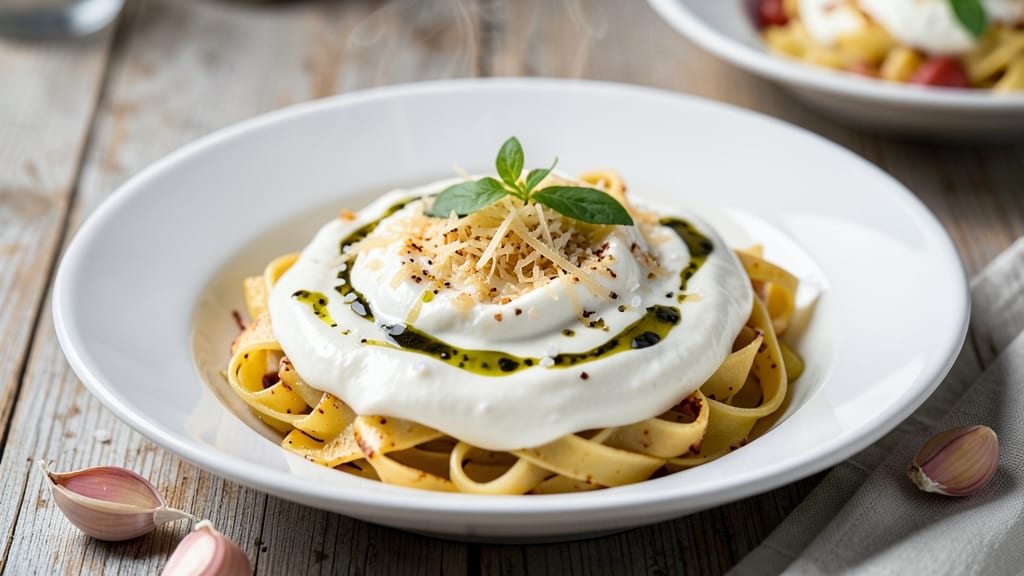
This Greek yogurt Alfredo sauce recipe transforms creamy, rich pasta nights without the heavy guilt—using just 5 simple ingredients for a velvety, tangy sauce that clings perfectly to noodles. The secret? Greek yogurt replaces butter, delivering the same luxurious texture with half the calories and a protein boost. I developed this after years of searching for a lighter yet equally satisfying alfredo, and it’s now my go-to for weeknight dinners and restaurant-quality leftovers.
The sauce comes together in 10 minutes with no cooking required, making it ideal for busy nights. The yogurt’s natural acidity brightens the richness, while garlic and parmesan add depth without overpowering.
Unlike traditional butter-based versions, this sauce stays smooth and spoonable even after reheating, thanks to a touch of cornstarch for stability. It’s also vegetarian, dairy-free (if using plant-based yogurt), and packed with probiotics.
What makes this sauce truly special is its versatility—toss it with fettuccine, drizzle over grilled chicken, or use it as a dip for breadsticks. The flavor profile is bold yet balanced: creamy, slightly tangy, and umami-rich from the parmesan.
Plus, it keeps well in the fridge for up to 5 days, making it perfect for meal prep. For extra flavor, stir in fresh herbs, red pepper flakes, or a splash of lemon juice before serving.
Ready to elevate your pasta game? This sauce delivers restaurant-quality results with a fraction of the guilt. Let’s make it—your taste buds (and waistline) will thank you.
Ingredients for alfredo sauce recipe using greek yogurt
Five ingredients transform into velvety alfredo with restaurant-quality richness—no butter overload here.
| Ingredient | Amount | Notes |
|---|---|---|
| Plain Greek Yogurt 🥛 | 1 ½ cups | Full-fat for creaminess (or plant-based for dairy-free) |
| Extra-Virgin Olive Oil 🫒 | ½ cup | High quality, fruity variety preferred |
| Garlic Cloves 🧄 | 4 cloves | Freshly minced for maximum flavor |
| Parmesan Cheese 🧀 | 1 cup | Freshly grated from block |
| Cornstarch 🌾 | 1 tbsp | For smooth texture and stability |
| Salt 🧂 | ½ tsp | Diamond Crystal preferred |
| Black Pepper 🌶️ | ¼ tsp | Freshly ground for best flavor |
| Lemon Juice 🍋 | 1 tbsp | Freshly squeezed for brightness |
The Greek yogurt is non-negotiable—full-fat for the creamiest texture (like Fage or Chobani), but plant-based versions work too if you're avoiding dairy. Trader Joe's has a great organic option, and most grocery stores carry it in the refrigerated section. For the Parmesan, grate it yourself—pre-grated clumps up and ruins the sauce. Look for Parmigiano-Reggiano if you want to splurge, but good-quality store brands work fine. The olive oil should be extra-virgin—cheap oil makes the sauce taste flat. I usually grab a bottle from Whole Foods or Costco for best quality.
No Greek yogurt? Thick plain yogurt or sour cream works in a pinch, but the tang will be milder. Fresh garlic is ideal, but garlic powder at half the amount gets you close if you're short on time. The cornstarch is key for that silky texture—arrowroot powder works too. Want extra richness? Stir in 1 tbsp vegan butter or nutritional yeast. For heat, add red pepper flakes, or keep it classic with a pinch of nutmeg. The lemon juice brightens everything—skip it if you prefer ultra-creamy, but I find it balances the richness perfectly.
This sauce keeps beautifully—5 days in the fridge sealed in an airtight container. For longer storage, freeze portions in ice cube trays, then transfer to a bag. Thaw overnight in the fridge before reheating. The cornstarch helps it reheat smoothly, but if it thickens too much, just whisk in a splash of warm water. I like to make a double batch—one for pasta, one to drizzle over grilled veggies or chicken. The flavor actually improves after chilling, so leftovers are a bonus.
Why You'll Love This Recipe
- No-Fuss Creaminess: I swear by this sauce because it’s the only Alfredo that doesn’t turn into a greasy mess. Just whisk Greek yogurt with olive oil and a splash of pasta water—no heavy cream, no waiting for roux to thicken. The cornstarch? One spoonful, and it’s silky in seconds.
- Garlic-Parmesan Punch: That first bite of garlic-infused olive oil and sharp Parmesan? It’s the kind of flavor that makes you pause mid-fork. Honestly, the yogurt base keeps it light, but the umami from the cheese and roasted garlic? Dangerously addictive.
- Weeknight to Potluck: Between us, this sauce works for everything—tossed with fettuccine for a quick dinner, dolloped on grilled chicken for a lunchbox, or even as a dip with crusty bread when friends drop by. I’ve even used it to glaze roasted veggies (yes, really).
- Budget-Friendly Leftovers: A full batch costs me less than $3 and keeps for five days in the fridge. The yogurt thickens beautifully when reheated, and the Parmesan adds richness without breaking the bank. My college-student self would’ve cried happy tears.
Step-by-step instructions for lightened-up Greek yogurt Alfredo
This velvety sauce comes together in minutes—no heavy cream, no guilt, just rich flavor.
Whisk Yogurt and Olive Oil to Smooth Perfection
In a medium saucepan, combine the 1.5 cups plain Greek yogurt and 0.5 cup extra-virgin olive oil over low heat. Stir constantly with a whisk for 3-4 minutes until the mixture reaches 160°F and becomes completely smooth. The olive oil helps emulsify the yogurt, preventing separation while adding depth of flavor.
Here's the thing—don't rush this step. You'll notice small bubbles forming on the surface as the oil integrates. When it reaches 160°F, it should look like thick, silky pudding. If you see any curdling, immediately reduce heat to lowest setting and whisk vigorously for another 30 seconds. This temperature ensures food safety while maintaining that creamy texture.
Add Garlic and Lemon for Bright, Aromatic Base
Remove the saucepan from heat and stir in the 4 cloves freshly minced garlic and 1 tbsp freshly squeezed lemon juice. Let it sit off heat for 2 minutes—this allows the garlic to infuse without burning. The lemon brightens the rich yogurt, cutting through the heaviness while adding a subtle tang that balances the Parmesan.
I know it seems counterintuitive to add lemon to an Italian sauce, but trust me—it prevents the sauce from tasting flat. The acidity also helps stabilize the emulsion when we add the cheese later. Give it a taste at this stage; you should notice the garlic's sharpness and the lemon's freshness without any bitterness.
Build Thickness with Cornstarch Slurry
In a small bowl, whisk together 1 tbsp cornstarch with 2 tablespoons cold water until completely dissolved. Return the sauce to low heat and slowly pour in the cornstarch mixture while whisking continuously. The sauce will begin to thicken immediately—keep whisking for 2-3 minutes until it reaches a pourable yet clingy consistency, coating the back of a spoon.
This is where most homemade Alfredo sauces fail. If you add the cornstarch too quickly, you'll get lumps. If you don't whisk constantly, the sauce will seize. You're aiming for that perfect balance between smooth and thick—like a luxurious pudding that clings to every strand of pasta. The sauce should coat the whisk completely without being gluey.
Incorporate Parmesan and Season to Taste
Remove from heat and stir in the 1 cup freshly grated Parmesan cheese, the 0.5 tsp salt, and 0.25 tsp freshly ground black pepper. Let the mixture sit for 1 minute—this allows the cheese to melt completely into the warm sauce. The Parmesan should dissolve smoothly, creating a velvety texture rather than grainy bits.
Taste and adjust seasoning if needed. You might need a pinch more salt to balance the yogurt's tang, or a sprinkle more pepper to enhance the garlic's aroma. The sauce should taste rich but not salty, creamy but not heavy. If it's too thick, whisk in 1-2 tablespoons warm water to reach your desired consistency. This sauce should coat pasta beautifully without being overly heavy.
Keep Warm and Ready to Serve
Transfer the sauce to a clean saucepan and keep it at a gentle simmer over lowest heat—no higher than 150°F—while you cook your pasta. The sauce will thicken slightly more as it sits, so you may need to add 1-2 tablespoons warm water just before serving to maintain that perfect clingy texture.
Here's my pro tip: When ready to serve, toss the hot pasta directly in the saucepan with your cooked noodles. The residual heat will create steam that helps the sauce cling perfectly to every strand. Serve immediately while still warm—this sauce doesn't reheat well once it cools completely. The result? A restaurant-quality Alfredo that's light enough to enjoy without the heavy cream guilt.
Pro Tips For Making Alfredo Sauce Recipe Using Greek Yogurt
- Warm the yogurt first: I learned this the hard way—dumping cold Greek yogurt straight into the pan turns your sauce into a lumpy mess. Stir it into a bowl with a splash of warm water (about ¼ cup) and let it sit for 5 minutes before mixing. The heat shock thins it out just enough to blend smoothly.
- Mince garlic like you mean it: Whole cloves or rough chopping? Your sauce will taste it. Use a knife to mince the garlic very finely—think paste, not confetti. If you’re impatient, smash the cloves with the flat side of your knife first, then mince. Burnt garlic ruins the whole dish, and this keeps it subtle.
- Skip the cornstarch unless needed: Greek yogurt is already thick, and cornstarch can make the sauce gluey if overused. Test the consistency first—if it’s too stiff, then mix ½ teaspoon cornstarch with 1 tablespoon cold water and whisk it in slowly. Better to adjust as you go than overcorrect.
- Toast the Parmesan last: Grated Parmesan loses flavor fast, but toasting it at the end adds depth. Once your sauce is off the heat, sprinkle in the cheese and let it melt for 30 seconds—no stirring. The heat draws out the nuttiness, making the sauce richer without overpowering it. (Pro move: Use freshly grated cheese if you can.)
Pro cooking tips for alfredo sauce recipe using greek yogurt
Emulsification Secrets
The key to creamy perfection lies in the yogurt-oil emulsion. Heat the mixture to 160°F while whisking constantly—this gentle warmth helps the olive oil integrate smoothly into the yogurt.
I use a balloon whisk for maximum surface area, which prevents curdling. If you see any separation, immediately reduce heat and whisk vigorously for 30 seconds to restore smoothness. 🌡️
Cornstarch Timing
Whisk the cornstarch slurry (1 tbsp cornstarch + 2 tbsp cold water) into the warm sauce gradually while stirring continuously. The sauce will thicken immediately—this is normal! Keep whisking for 2-3 minutes until it reaches a velvety consistency that coats the back of a spoon.
Adding it too quickly causes lumps, while insufficient whisking leads to a grainy texture.
Garlic Infusion
Add the minced garlic and lemon juice off the heat to prevent burning. Let it sit for 2 minutes—this allows the garlic to release its aromatic oils without developing bitterness. The lemon juice brightens the sauce and helps stabilize the emulsion when we add the Parmesan.
Taste at this stage; you should notice the garlic's sharpness and lemon's tang without any harshness. 🧄
Parmesan Integration
Stir the freshly grated Parmesan into the warm sauce and let it sit for 1 minute to melt completely. The cheese should dissolve smoothly, creating a velvety texture rather than grainy bits.
If you're using pre-grated cheese, strain it first to remove any lumps. The sauce should taste rich but balanced—adjust with salt or pepper as needed before serving.
Heat Control
Keep the sauce at a gentle simmer (150°F max) while cooking pasta. If it thickens too much, whisk in 1-2 tbsp warm water to restore pourability.
The sauce will continue to thicken slightly as it sits, so adjust consistency just before serving. Never boil the sauce—this breaks the emulsion and causes separation.
Reheating Tips
This sauce reheats best when warmed gently over low heat or in the microwave at 50% power in 30-second intervals. If it thickens too much, whisk in a splash of warm water or milk.
The cornstarch helps maintain stability, but the sauce won't reheat as smoothly as fresh—always serve it warm for best results. ⏰
Nutrition facts
Frequently asked questions
Can I make this Greek yogurt Alfredo sauce dairy-free?
Simply swap the Greek yogurt for 1.5 cups full-fat coconut yogurt or dairy-free Greek-style yogurt (like Kite Hill or Silk). Use nutritional yeast instead of Parmesan for that cheesy flavor. The texture will be slightly lighter but still creamy.
Why does my sauce separate when I add the cheese?
Separation usually happens when the sauce isn't warm enough or you add cheese too quickly. Always stir the Parmesan into warm sauce (at least 150°F) and let it sit for 1 minute to melt completely. If it still separates, whisk in 1 tsp lemon juice to help re-emulsify. The cornstarch slurry should also be added gradually while whisking continuously.
How can I make this sauce extra creamy without adding more dairy?
For a richer texture without extra fat, blend in 2 tbsp tahini or 1 tbsp vegan butter with the yogurt before heating. Another trick is to whisk in 1 tbsp cold water while the sauce is warm—this creates a silky mouthfeel. For a protein boost, stir in 1 tbsp cashew cream (blended soaked cashews + water).
Can I use this sauce on dishes other than pasta?
This versatile sauce works beautifully on grilled chicken, roasted vegetables, fish fillets, or as a dip for breadsticks or crudités. For dipping, thin it slightly with warm water or milk to reach a smoother consistency. The tangy richness pairs especially well with baked potatoes or flatbreads. Just remember—it's best served warm!
What's the best way to store leftovers?
Store in an airtight container in the fridge for up to 5 days. For longer storage, freeze portions in ice cube trays, then transfer to a bag. Thaw overnight in the fridge—never at room temperature. When reheating, warm gently over low heat or in 30-second microwave bursts, stirring between each interval. The sauce may thicken slightly when cold but will return to perfect consistency when warmed.