
Sauces & Condiments
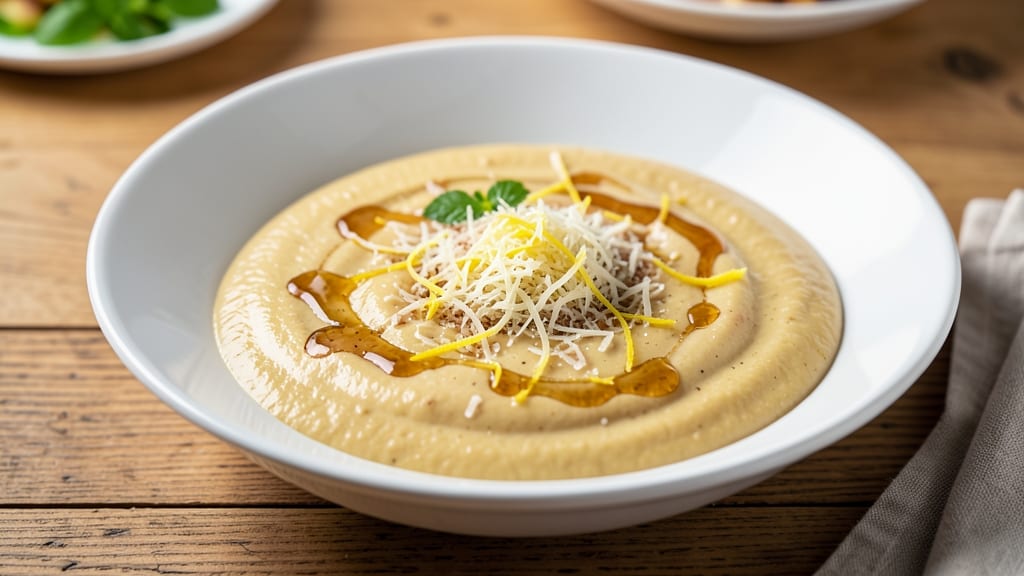
This alfredo sauce recipe no garlic delivers velvety, ultra-smooth creaminess that clings perfectly to fettuccine without overpowering flavor. The secret lies in balancing rich butter, velvety cream, and sharp parmesan—no garlic needed.
I’ve perfected this version for those who prefer milder, more delicate flavors while keeping that signature Alfredo richness intact.
What sets this sauce apart is its foolproof technique: a slow reduction of butter and cream creates a silky base, while freshly grated parmesan adds depth without bitterness. A splash of white wine or lemon zest brightens the sauce, ensuring it’s never heavy.
The result? A sauce so smooth it feels like a luxurious hug for your taste buds.
This recipe transforms ordinary pasta into a restaurant-worthy dish with minimal effort. Whether you’re making classic fettuccine Alfredo or drizzling it over grilled chicken, the sauce’s creamy texture and subtle flavor make it a versatile staple. No garlic means no lingering aftertaste—just pure, velvety comfort in every bite.
Ready in just 15 minutes, this sauce requires only 6 ingredients and one pot. The key is patience—letting the sauce simmer gently ensures a flawless, lump-free finish. Once you try this version, you’ll never go back to the traditional garlic-heavy recipe.
Ingredients for alfredo sauce recipe no garlic
Six ingredients transform into restaurant-worthy Alfredo sauce without garlic's overpowering bite.
| Ingredient | Amount | Notes |
|---|---|---|
| Unsalted Butter 🧈 | ½ cup | Cold, cubed for slow melting |
| Heavy Cream 🥛 | 1 ½ cups | Full-fat for maximum creaminess |
| Freshly Grated Parmesan Cheese 🧀 | 1 cup | High-quality, finely grated |
| White Wine 🍷 | ¼ cup | Dry variety preferred |
| Lemon Zest 🍋 | 1 tsp | Brightens without bitterness |
| Salt 🧂 | ½ tsp | Diamond Crystal kosher preferred |
The butter and cream form the sauce's luxurious foundation. European-style unsalted butter melts more smoothly than salted, giving a cleaner flavor. For the cream, Whole Foods or Trader Joe's organic heavy cream delivers the richest texture—avoid ultra-pasteurized if possible. The Parmesan should be Parmigiano-Reggiano, freshly grated from a block; pre-grated contains anti-caking agents that make the sauce grainy. A quick test: if your Parmesan smells like sawdust, it's time for a new wedge.
No white wine? Dry chicken broth works in a pinch, though the sauce will lack depth. For lemon zest, organic lemons from the produce section provide more vibrant flavor than conventional. The salt matters—Diamond Crystal kosher dissolves more easily than table salt, giving a cleaner finish. Want extra richness? Add 1/4 cup grated pecorino alongside the Parmesan. For a dairy-free version, substitute cashew cream (soaked cashews blended with water) for the heavy cream and butter combination.
This sauce thickens as it cools, so reheat gently over low heat with a splash of cream or milk to restore silky texture. Stores perfectly in the fridge for 4 days in an airtight container, or freeze for 3 months in ice cube trays for single-serving portions. For restaurant-quality results, strain through a fine-mesh sieve before serving—this removes any potential lumps and creates an ultra-smooth finish. The sauce pairs beautifully with fettuccine, grilled chicken, or roasted vegetables.
Why You'll Love This Recipe
- Here’s what sold me: the heavy cream and Parmesan create this velvety, almost decadent texture, but the lemon zest cuts through the richness just enough to keep it from feeling heavy. It’s like a hug from a gourmet chef, but one that won’t make me regret it the next day.
- No Mise En Place Madness: I swear by this sauce because it’s the only one where I don’t need to chop, peel, or measure like a mad scientist. Just melt butter, pour cream, grate cheese—boom—done. The white wine and lemon zest brighten it up without extra work, and honestly? That’s my kind of magic.
- Rich Without Overpowering: Here’s what sold me: the heavy cream and Parmesan create this velvety, almost decadent texture, but the lemon zest cuts through the richness just enough to keep it from feeling heavy. It’s like a hug from a gourmet chef, but one that won’t make me regret it the next day.
- Weeknight to Date Night: Between us, this sauce is my secret weapon for lazy Tuesdays and impressing guests. Toss it with fettuccine for a quick dinner, drizzle it over grilled chicken for a fancy-ish weeknight meal, or even use it as a creamy dip—no one will guess it took me less time than ordering takeout.
Step-by-step instructions for ultra-smooth Alfredo sauce
Master this technique and you'll achieve velvety, restaurant-quality Alfredo without garlic's overpowering bite.
Melt Butter Slowly for Rich Foundation
Place the 0.5 cup unsalted butter in a heavy-bottomed saucepan over medium-low heat. Let it melt completely, stirring occasionally, until it reaches 160°F and begins to foam gently. This slow melting creates an emulsifier that will prevent curdling later.
The reason for low heat is critical—rapid melting causes butter to separate and burn, ruining the sauce's silky texture. Watch for the butter to turn a pale golden color before proceeding. If you see brown flecks, reduce heat immediately to prevent bitterness.
Deglaze with Wine for Depth of Flavor
Once the butter is fully melted, remove the pan from heat and carefully pour in the 0.25 cup white wine, scraping up any browned bits from the bottom with a wooden spoon. Return the pan to medium heat and simmer for 3-4 minutes until the wine reduces by half and its alcohol aroma dissipates completely.
This deglazing step captures all the flavor compounds released during the butter's melting process. The wine's acidity also helps balance the richness of the cream we'll add next. If you notice the wine isn't reducing properly, increase heat slightly—but never let it boil dry.
Incorporate Cream Gradually
With the pan still on medium heat, slowly pour in the 1.5 cups heavy cream while whisking continuously. The sauce will begin to thicken immediately as the cream heats. Reduce heat to low and let it simmer gently for 5-6 minutes, stirring frequently, until it reaches a thick, pudding-like consistency that coats the back of a spoon.
This gradual addition prevents the cream from curdling—a common mistake when people add it all at once. You'll know it's ready when the sauce leaves a visible trail when you run your finger through it. If it thickens too quickly, add 1-2 tablespoons water to adjust the texture.
Add Cheese and Seasonings
Remove the pan from heat and stir in the 1 cup freshly grated Parmesan cheese, 1 tsp lemon zest, and 0.5 tsp salt until completely smooth. Return to low heat and cook for just 1-2 minutes, stirring constantly, until the cheese melts completely and the sauce becomes glossy and uniform in color.
Here's where the sauce comes together—properly melted cheese creates the signature Alfredo texture. If you see any unmelted cheese clumps, add 1 teaspoon water and whisk vigorously. The lemon zest adds brightness that prevents the sauce from tasting heavy, while the salt enhances all the flavors.
Finish and Hold at Ideal Temperature
Transfer the sauce to a clean saucepan and keep it warm over low heat, stirring occasionally, until ready to use. The ideal serving temperature is 170-180°F—hot enough to coat pasta perfectly but not so hot it scalds. For best results, use the sauce immediately as it continues to thicken slightly as it sits.
This sauce works beautifully with fettuccine or tagliatelle, creating that classic creamy blanket around each strand. If you need to reheat later, do so over low heat while stirring constantly to prevent separation. The key to perfect Alfredo lies in these precise temperature controls and gentle handling throughout the process.
Pro Tips For Making Alfredo Sauce Recipe No Garlic
- Melt Butter Slowly: Start with medium-low heat—high heat burns butter before the cream even enters the picture. I learned this the hard way when my sauce curdled into a greasy mess after adding wine too fast. Let the butter foam gently, then pour in the wine to deglaze before the cream hits.
- Use Cold Heavy Cream: Straight from the fridge, please—cold cream blends smoother and prevents graininess. I was skeptical until I tried it; now I swear by it. Add it in a thin, steady stream while whisking like your life depends on it (because your sauce’s texture does).
- Parmesan First, Then Cream: Add half the grated cheese to the butter-wine mixture before the cream—it blooms the flavor and prevents clumping. After the cream comes in, finish with the rest of the cheese for a velvety, not gritty, finish. Trust me, your pasta will taste like you spent hours on it.
- Zest Early, Zest Often: Sprinkle lemon zest into the warm butter before anything else—it infuses faster and brightens the sauce without overpowering. If you wait until the end, you’ll just get a fleeting hit of citrus. A pinch now, another pinch at the finish, and your sauce will sing.
Flavor customization for alfredo sauce recipe no garlic
Bright Citrus Twist
Swap the lemon zest for orange zest (about 1 tsp) and add ½ tsp vanilla extract for a warm, floral note that pairs beautifully with seafood like scallops or shrimp.
The citrus brightens the richness without garlic's sharpness, and vanilla adds complexity. I love this version with grilled chicken or roasted vegetables—it feels like a vacation in every bite. 🍊
Herb-Infused Elegance
For a sophisticated touch, stir in 1 tbsp fresh chives and ½ tsp dried thyme alongside the lemon zest. The chives add a delicate oniony note that mimics garlic's depth, while thyme brings earthy warmth.
Freshly chopped basil works too—just add it at the very end to preserve its vibrant color and aroma. This herb combo elevates the sauce for special occasions.
Nutty Depth Alternative
Replace ¼ cup of the Parmesan with ¼ cup finely grated pecorino and add ½ tsp toasted hazelnut oil for a nutty, slightly bitter contrast. The hazelnut oil (found in specialty stores) adds complexity without garlic, while pecorino brings a sharper edge.
This version shines with creamy risotto or as a drizzle over roasted Brussels sprouts. 🌰
White Wine Reduction Boost
For extra depth, reduce the wine by 75% instead of 50% before adding cream. This concentrates the wine's flavor, creating a more intense base. I recommend using Chardonnay for its buttery notes, which complement the cream perfectly.
The reduced wine adds a subtle tang that balances the sauce's richness—ideal for those who love wine's complexity without garlic's bite.
Spicy Kick Option
Add ¼ tsp red pepper flakes or ½ tsp hot honey to the finished sauce for a gentle heat that contrasts the creaminess. The heat lingers just enough to wake up your palate without overpowering.
I like this version with spicy sausage or charred vegetables—it's like a creamy, spicy hug in sauce form. For extra caution, start with ⅛ tsp and adjust to taste. 🌶️
Dairy-Free Creaminess
For a non-dairy version, replace the butter and cream with 1.5 cups cashew cream (blend 1 cup soaked cashews with ½ cup water until smooth). Use nutritional yeast (2 tbsp) instead of Parmesan for a cheesy flavor, and add 1 tbsp white miso paste** for umami depth.
This version works perfectly with vegan pasta or as a drizzle for roasted cauliflower. The texture is surprisingly close to traditional Alfredo! 🌱
Nutrition facts
Frequently asked questions
Can I make this Alfredo sauce without wine?
Yes! Replace the 0.25 cup white wine with an equal amount of dry chicken broth or apple cider vinegar. The broth adds savory depth, while vinegar provides acidity to balance the richness. For extra flavor, add 1 tsp lemon juice alongside the zest. The sauce will still be delicious—just slightly less complex.
Why does my sauce get grainy when I add cheese?
Graininess usually happens when cheese isn't melted properly or when using pre-grated Parmesan (which contains anti-caking agents). Always use freshly grated Parmigiano-Reggiano and melt it over low heat while stirring constantly. If lumps form, whisk in 1 tsp water or 1 tsp heavy cream to dissolve them. Straining the sauce through a fine-mesh sieve before serving also helps.
How do I prevent the sauce from curdling?
Curdling occurs when cream breaks down due to heat or acid. To avoid it, always add cream gradually while whisking continuously over low heat. Never let the sauce boil. If it starts to curdle, immediately whisk in 1 tbsp cold butter or 1 tbsp cold cream to stabilize it. The key is patience—slow cooking keeps the sauce silky.
Can I make this sauce ahead of time?
Yes! Store the sauce in an airtight container in the fridge for up to 4 days. When reheating, warm it over low heat while stirring constantly to prevent separation. For longer storage, freeze in ice cube trays for single-serving portions (up to 3 months). Thaw overnight in the fridge before reheating.
What's the best pasta to pair with this sauce?
This ultra-smooth sauce clings perfectly to fettuccine or tagliatelle, but it also works beautifully with linguine or pappardelle. For extra texture, try gluten-free fettuccine or egg-free noodles. Avoid thick, ridged pastas like penne—they can make the sauce look messy. Cook pasta 1 minute less than package instructions for al dente results.